Design

The Future of Luxury Is Written in Leather and Jewels

The luxury market stands at a crossroads, poised for modest overall growth.

Por: Rubén Carrillo
LEATHER AND SOUL HERMES
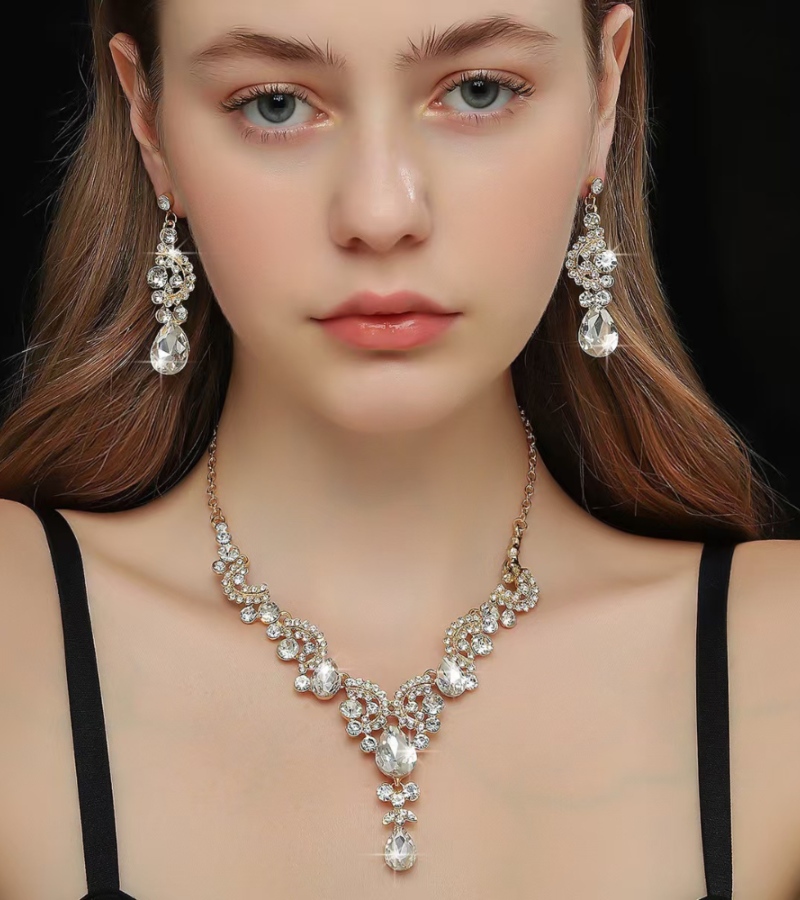
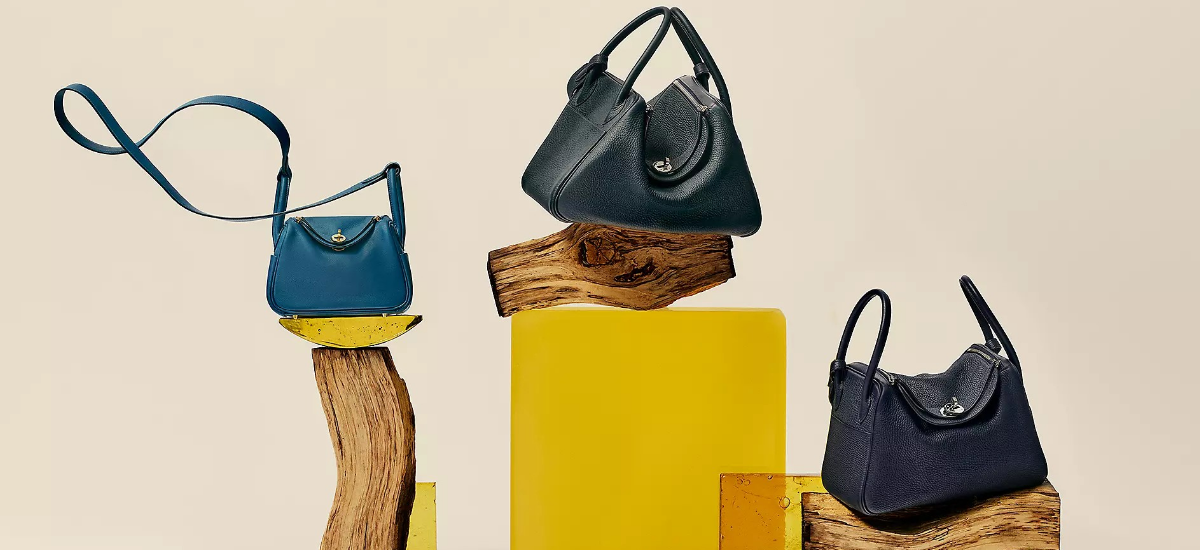
The combined jewelry and leather market is forecast to grow at 4% to 6% from 2025 to 2027 / Photo Hermès

Yet two categories defy expectations in the luxury market: jewelry and leather.


While global expansion between 2024 and 2027 is projected at just 1% to 3% annually, these timeless sectors will outpace others, proving that craftsmanship and heritage remain the ultimate currencies of desire.


The combined jewelry and leather market is forecast to grow at 4% to 6% from 2025 to 2027. 


This growth highlights consumer preference for goods that embody both permanence and artistry. 


Unlike seasonal fashion, these pieces retain value and emotional resonance. Shoppers are increasingly drawn to items that feel personal, enduring, and reflective of identity.


The American Surge

The United States is set to dominate luxury consumption, surpassing Europe and even China in projected growth. 


Between 2025 and 2027, the U.S. market is expected to climb 4% to 6%, compared with China’s 3% to 5%. 


American buyers are gravitating toward jewelry and leather as markers of distinction, prioritizing enduring symbols over fleeting trends. 


This demand underscores the cultural shift toward longevity and investment value.
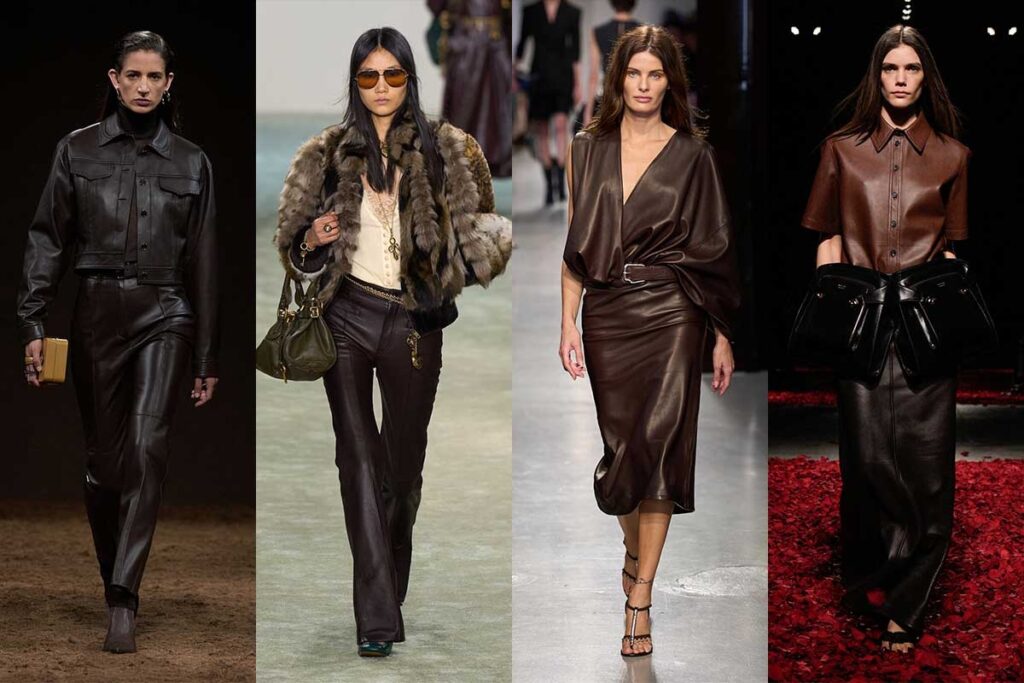
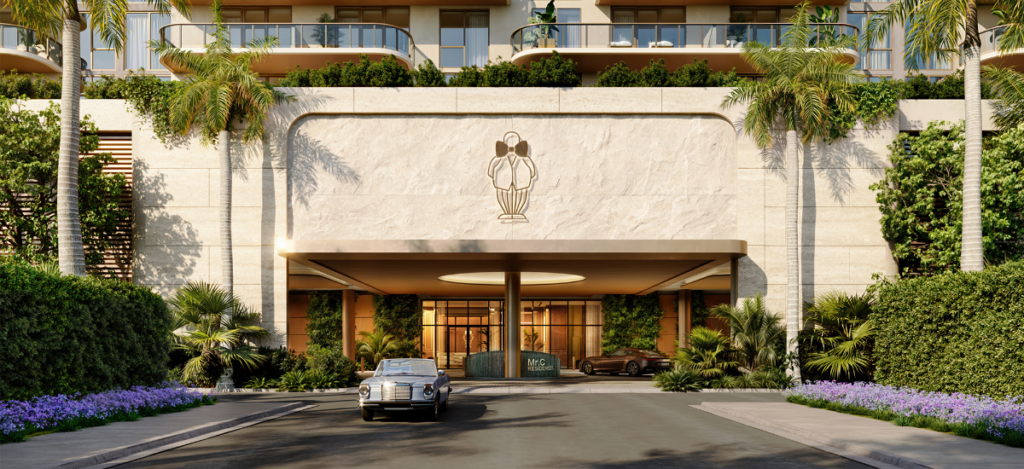
The United States is set to dominate luxury consumption, surpassing Europe and even China in projected growth. / Photo Archive

Pricing Dynamics and Exclusivity

From 2019 to 2023, luxury grew largely due to rising prices, particularly in leather goods, which surged between 50% and 100%. 


However, executives are shifting focus. Instead of relying on higher prices, they intend to drive growth through volume, ensuring more accessibility while maintaining exclusivity. 


For buyers, this means broader entry points without diluting prestige.


Ultra-Wealthy Consumers Reshape Priorities

Ultra-high-net-worth individuals, who make up just 4% of the client base but drive nearly 40% of spending, are reconsidering their focus. 


After years of intensive purchasing, many intend to redirect spending toward hospitality and home décor. 


Yet even in this shift, jewelry and leather stand resilient, seen as core symbols of legacy and refinement that transcend temporary consumption.

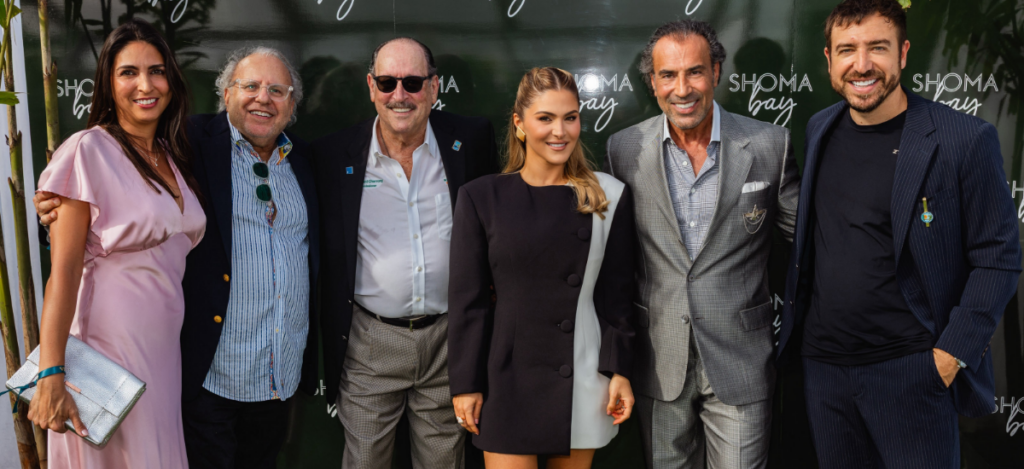
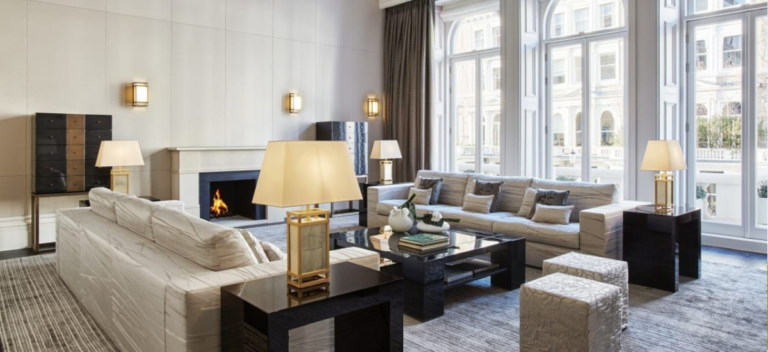
Ultra-high-net-worth individuals, who make up just 4% of the client base but drive nearly 40% of spending, are reconsidering their focus. / Photo Fandi

Global Growth Hotspots

While the U.S. is leading in luxury appetite, markets like India and the Middle East are becoming increasingly influential. 


India, in particular, could see luxury growth between 15% and 20% in 2025. With new generations of wealthy consumers, these markets are redefining global demand and amplifying the relevance of timeless categories over ephemeral fashion.


Evolving Brand Identities

Creative directors are reshaping the DNA of major houses, steering away from brand heritage and toward fresh, individual visions. 


This evolution brings novelty but also risks weakening long-standing identities. 


In response, heritage-driven sectors like fine jewelry and artisanal leather stand as anchors, offering stability in a climate of constant reinvention.

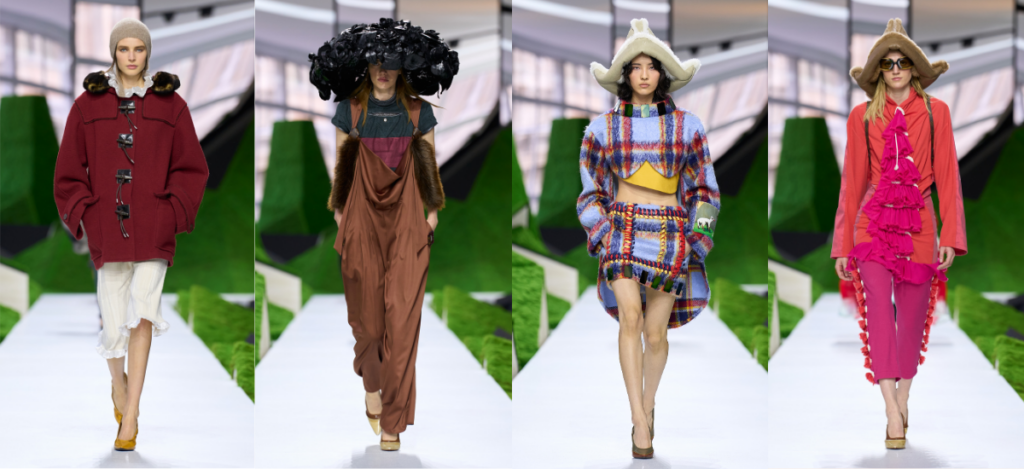
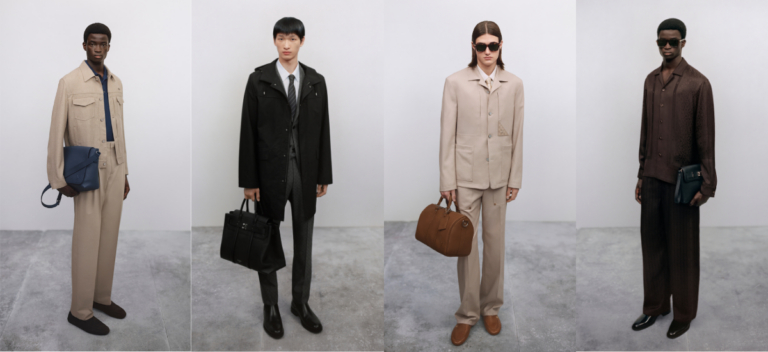
Creative directors are reshaping the DNA of major houses, steering away from brand heritage and toward fresh, individual visions. / Photo Sarana

Transparency and the Consumer Experience

Modern luxury buyers demand more than beauty; they seek accountability. 


From ethical sourcing of leather to traceable origins of gemstones, transparency has become non-negotiable. 


Brands that embrace openness not only build trust but also enhance the perceived value of their creations. Jewelry and leather, with their direct ties to raw materials, naturally align with this demand for authenticity.

Quick Questions & Answers

Receive the latest news

Subscribe To Our Magazine

Luster Magazine

Digital Magazine

Ingresa los siguientes datos y comienza a disfrutar de nuestra revista digital.