Art

Sotheby’s at the Breuer: Pritzker, Lauder, and the Art Market Reset

Sotheby’s Breuer Building acquisition, plus the Pritzker and Lauder collections, signals a bold reset of the art market. Discover the strategy behind this move.

Por: Angela Leon Cervera
Sotheby’s Breuer Building
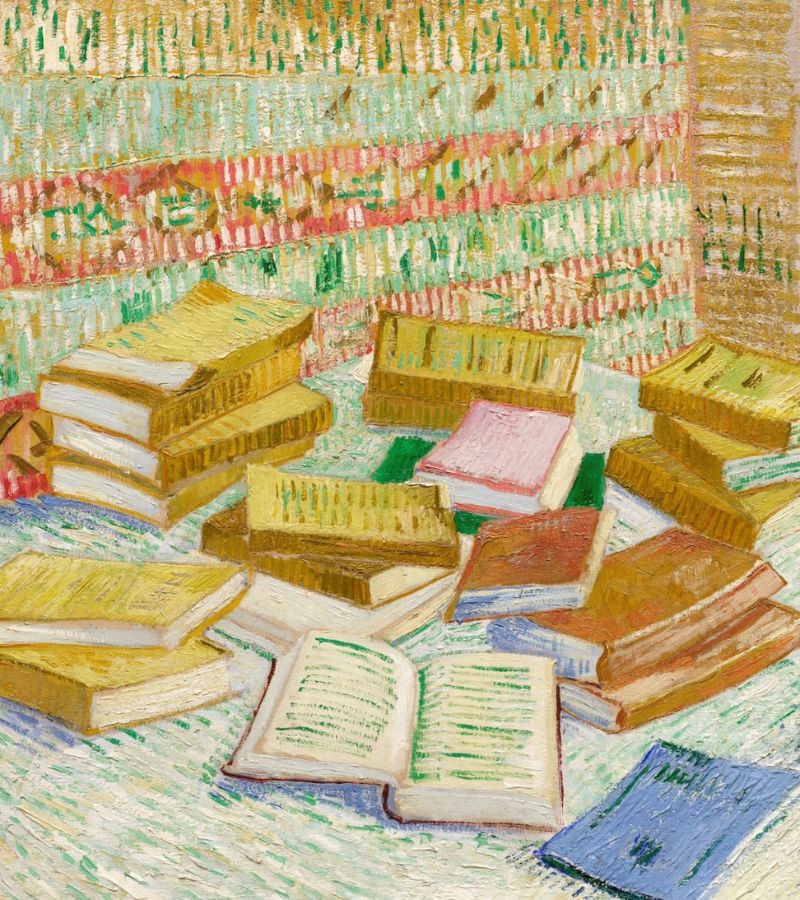
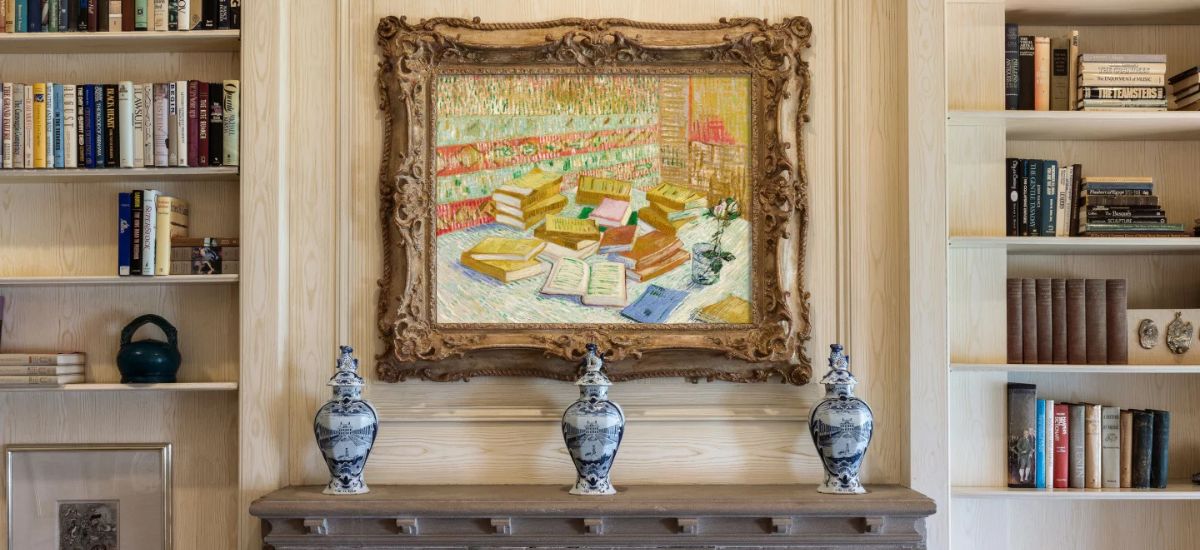
Vincent Van Gogh. Roman parisiens (Les libres jaunes). Courtesy of Sotheby's

On Madison Avenue, a brutalist giant is about to acquire a new identity. Sotheby’s has purchased the Breuer Building—Marcel Breuer’s 1966 masterpiece once home to the Whitney Museum—for roughly $100 million. Renovations by Herzog & de Meuron, laureates of the Pritzker Prize, are already underway. By 2025, the auction house will relocate its headquarters there, transforming the granite landmark into a hub of free public galleries and high-profile sales.


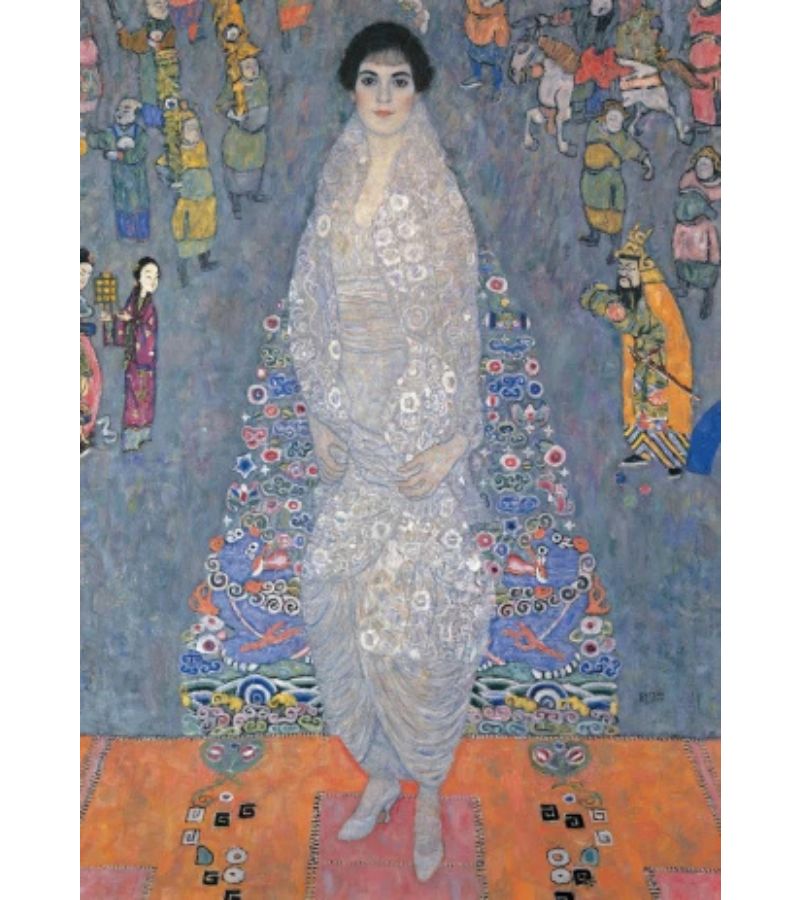
But the building alone is only half the story. This autumn, Sotheby’s will stage two marquee auctions: the Pritzker Collection, valued at $120 million, and the Leonard Lauder Collection, estimated at $400 million. With Van Gogh’s Romans Parisiens (Les Livres jaunes) poised at $40 million and Gustav Klimt’s Portrait of Elisabeth Lederer expected above $150 million, the stakes are as architectural as they are financial.
Sotheby’s Breuer Building
Gustav Klimt. Porträt der Elisabeth Lederer (Portrait of Elisabeth Lederer)

The Breuer Building as a Strategic Statement

The Breuer has always carried institutional weight. Its trapezoid windows and granite façade have hosted the Whitney, the Met Breuer, and most recently the Frick. By moving into this architectural landmark, Sotheby’s situates itself directly on Museum Mile, shoulder to shoulder with the Met and the Guggenheim.


The symbolism is clear: an auction house repositioning itself as a cultural institution. Free access to curated exhibitions, coupled with the prestige of the building’s history, recasts Sotheby’s as more than a marketplace. It becomes a destination—part gallery, part stage, part brand statement. The resonance with Herzog & de Meuron’s involvement, themselves winners of the Pritzker Prize, subtly ties the building’s rebirth to the very family whose art collection will inaugurate it.

Sotheby’s Breuer Building
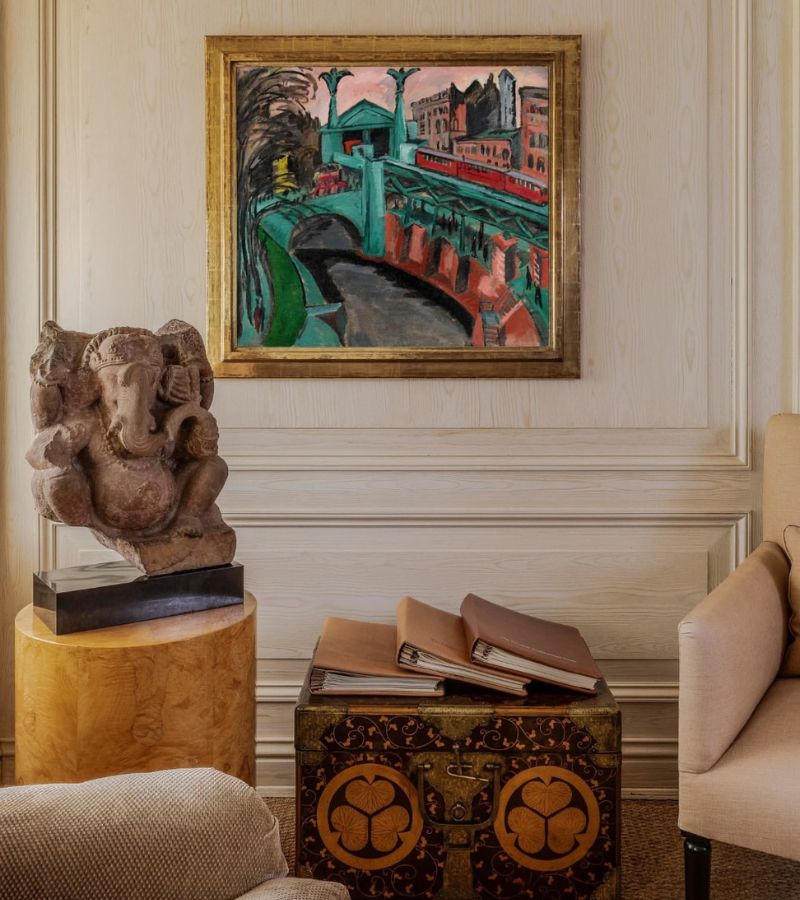
Ernst Ludwig Kirchner. Hallesches Tor Berlin (Halle Gate, Berlin). Courtesy of Sotheby's
Sotheby’s Breuer Building
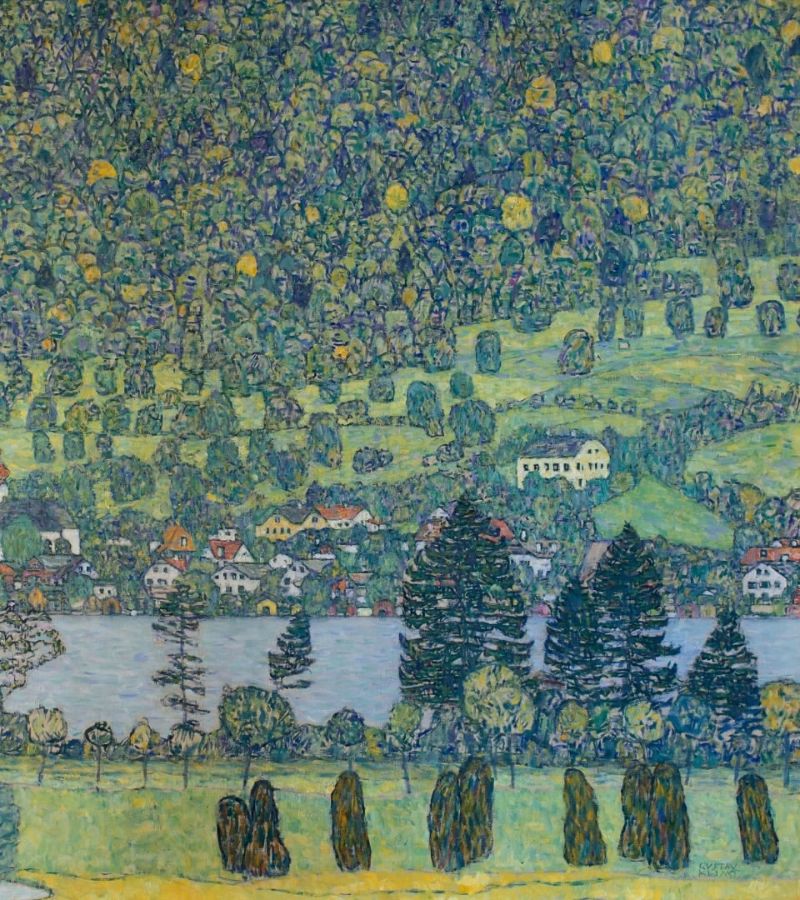
Gustav Klimt. Blumenwiese (Blloming Meadow). Courtesy of Sotheby's

The Pritzker and Lauder Collections: Dual Anchors of Prestige

Jay and Cindy Pritzker, remembered as philanthropists and founders of the Hyatt empire, assembled 37 works over nearly half a century. Their collection leans into narrative and legacy: Van Gogh’s love of books mirrored in Romans Parisiens, Matisse’s sensual forms, Gauguin’s luminous color. Estimated at $120 million, the ensemble reflects collecting as civic act rather than mere speculation.


In contrast, the Lauder Collection provides sheer financial gravity. Fifty-five works, estimated at $400 million, include Klimt’s portrait of Elisabeth Lederer alongside Matisse, Munch, and Agnes Martin. These are the kinds of trophy works that still move markets, even in times of contraction. Together, the Pritzker and Lauder consignments create a twin axis: cultural legitimacy on one side, market power on the other. Both will play out under the granite ceiling of the Breuer.

A Market in Rebalancing Mode

Behind the spectacle lies a shifting landscape. Sales of works above $10 million fell more than 44% in 2024, yet overall transactions grew by 3%. Nearly half of gallery buyers that year were new to the market, while demand for emerging contemporary names shrank sharply. The result is a market recalibrating away from speculative frenzy and toward proven provenance and storytelling.


Sotheby’s is responding with a hybrid model: a $100 million landmark designed to lure museumgoers, high-profile consignments with impeccable lineage, and an open-door strategy that invites younger collectors into the fold. If successful, the November auctions will not only recast Sotheby’s but signal a broader reset for the art market itself—anchored less in speculation, more in narrative and quality.

Sotheby’s Breuer Building
Vincent Van Gogh. Roman parisiens (Les libres jaunes) Detail. Courtesy of Sotheby's

By uniting the Breuer Building with the Pritzker and Lauder collections, Sotheby’s is making a bet both symbolic and financial. It seeks to redefine what an auction house can be: part cultural institution, part luxury broker, part civic stage. The gamble is bold, the sums enormous, and the timing delicate. Whether the sales meet their estimates or not, this moment will be remembered as a pivot point in how art, architecture, and commerce intertwine.

FAQ

Receive the latest news

Subscribe To Our Magazine

Luster Magazine

Digital Magazine

Ingresa los siguientes datos y comienza a disfrutar de nuestra revista digital.