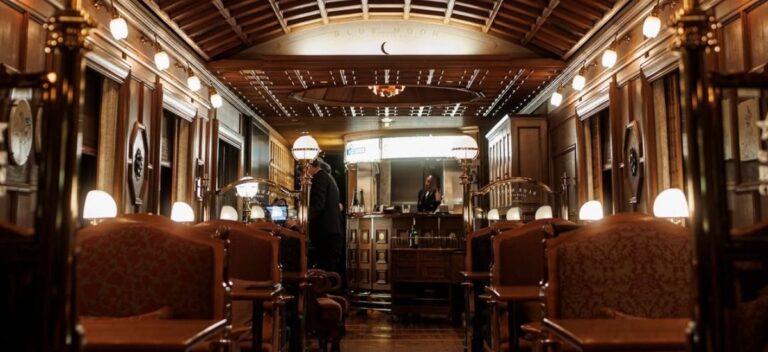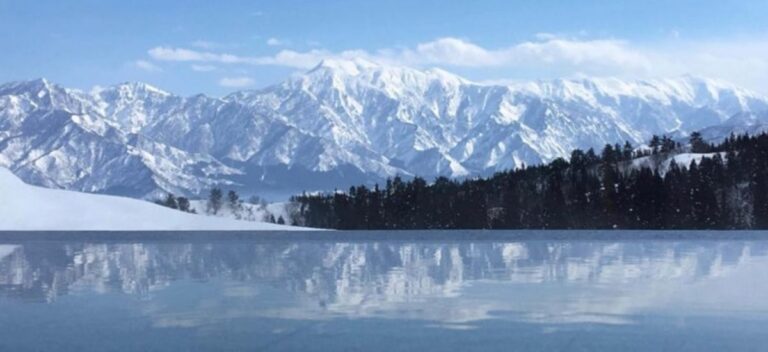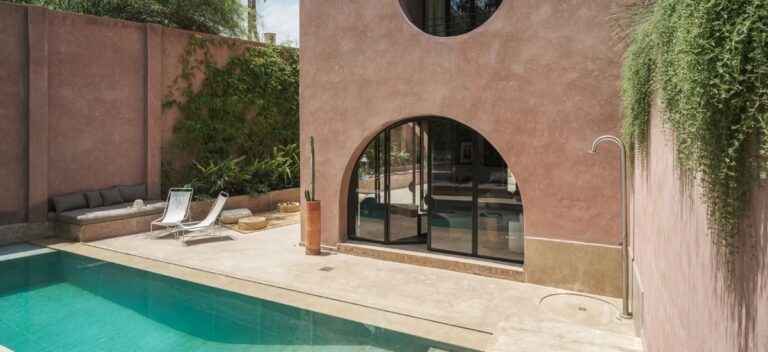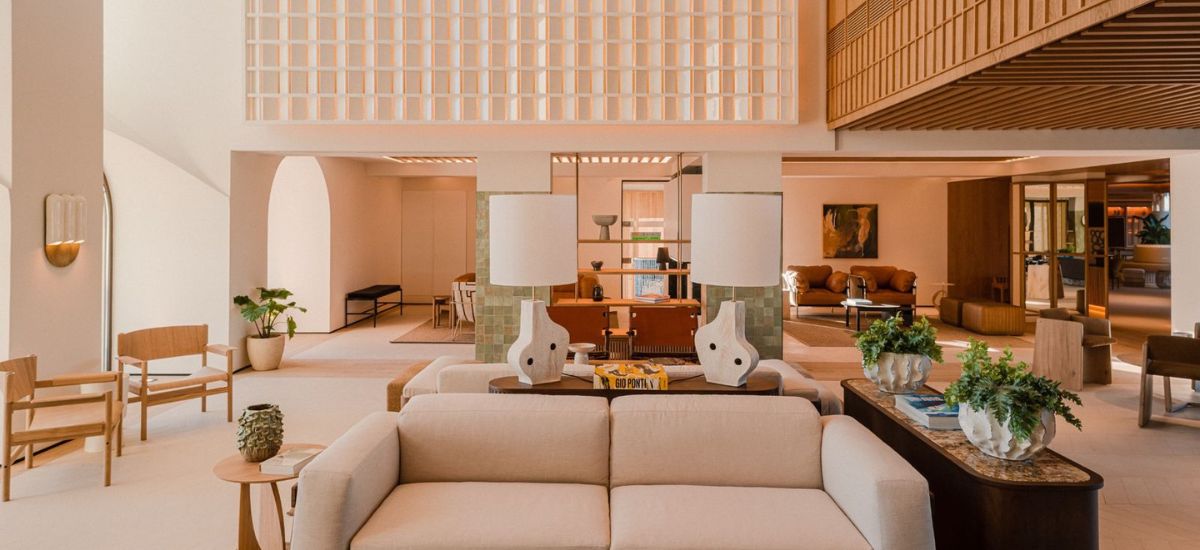
The luxury traveler has changed lanes—and slowed down. Slow Luxury places value on time, depth, and meaning rather than on logos or spectacle. It’s less about what gleams and more about what grounds you. The idea traces back to the Slow movement, born in Rome in 1986 when a fast-food opening near the Spanish Steps sparked a protest that became Slow Food, led by Carlo Petrini. The point: savoring tradition beats speed. That ethos now shapes how we design, host, and wander.
Today’s high-end guest—especially Millennials and Gen Z—hunts for immersion, not itineraries. They want local craft, cultural exchange, and a lighter footprint that goes beyond “do no harm” to “leave it better.” That’s the promise of regenerative travel: experiences designed to restore places and communities, not only delight guests.