MIAMI HIGH LIVING

Where Real Estate Buyers Rule: Miami, Austin, and Orlando

With the arrival of fall, buyers who remain active can benefit from remaining inventory and less competition in the three cities with the most activity in the real estate market: Miami, Austin, and Orlando.

Por: Rubén Carrillo
Austin Texas
June’s data highlighted three distinct metropolitan areas standing out with the highest levels of supply: Miami, Austin, and Orlando. In picture, Austin, Texas / Photo Unsplash

For the first time in years, certain metropolitan hubs have shifted into what analysts call “buyer’s market” territory. 


June’s data highlighted three distinct metropolitan areas standing out with the highest levels of supply: Miami, Austin, and Orlando. 


Acording to Realtor.com, these 3 Major Cities markets reveal both the opportunities and contradictions of the current real estate landscape.


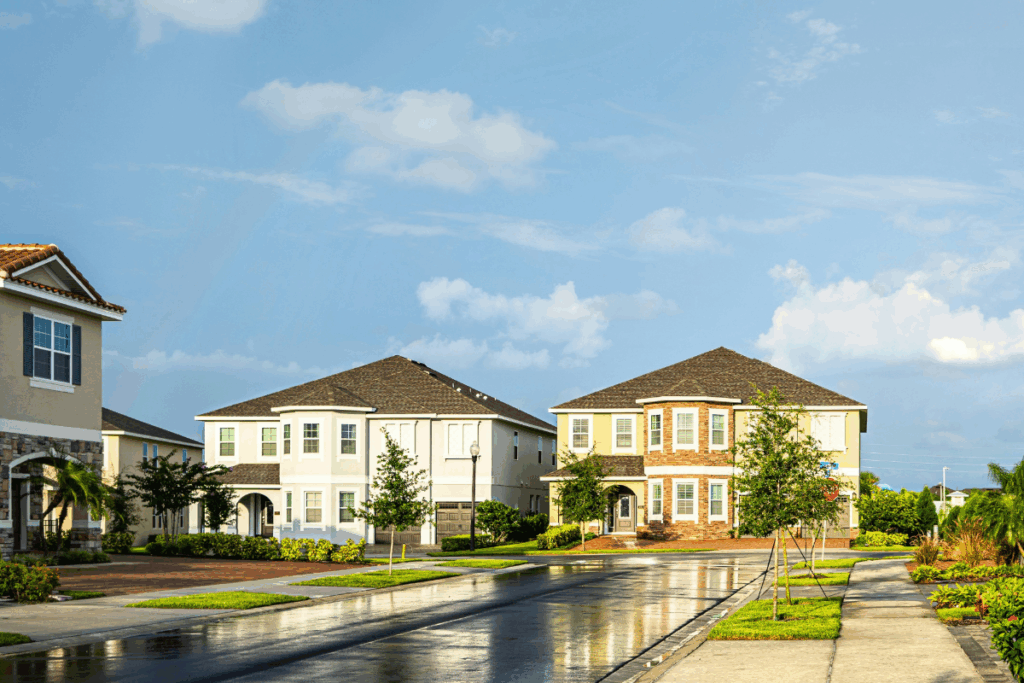
Orlando’s market shift is no surprise, as it has remained buyer-friendly since January/ Photo Unsplash

Miami: A City of Contrasts

Miami sits firmly at the top of the list, with inventory levels translating to a 9.7-month supply. This figure underscores a market where properties are taking longer to sell. 


In June, median listing prices fell to $510,000, about 4.7% lower than last year. 


By August, prices dipped again to $500,000, while homes lingered 16 days longer on the market compared to the same month in 2024.


Yet, Miami’s narrative is layered. While older condominiums under $500,000 present buyers with more leverage, luxury homes tell another story.


Affluent sellers often resist price reductions, sometimes pulling properties from the market to preserve exclusivity. 


This dynamic creates two different realities within the same metropolitan area, making Miami a unique case among the 3 Major Cities markets.

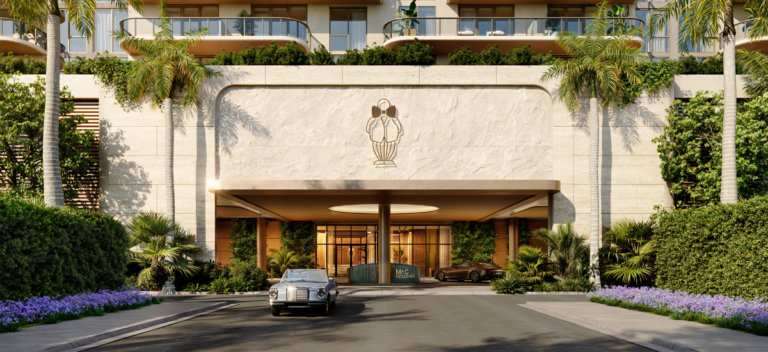
Miami sits firmly at the top of the list, with inventory levels translating to a 9.7-month supply. This figure underscores a market where properties are taking longer to sell / Photo Sothebys
Miami sits firmly at the top of the list, with inventory levels translating to a 9.7-month supply. This figure underscores a market where properties are taking longer to sell / Photo ONE Sothebys

Austin: The Pandemic Boomtown Adjusts

Austin, Texas, which once epitomized the pandemic-era real estate boom, now finds itself recalibrating. 


In June, the city’s supply reached 7.7 months, positioning it as the nation’s second-largest buyer’s market. 


About one-third of all active listings carried price reductions, while the median home price fell 4.5% to $524,950.


By August, median values dipped below $500,000, reflecting a 4.8% annual decline. 


Inventory in Austin surged nearly 70% compared to pre-pandemic levels, only behind Denver nationally. 


This steep increase in listings suggests a rebalancing after years of overwhelming demand, providing buyers with newfound leverage.

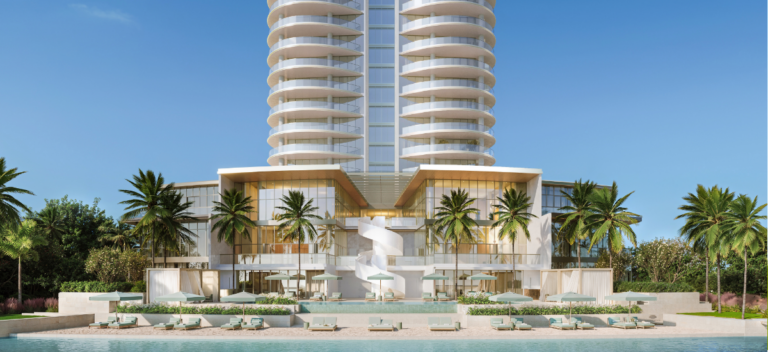
The soul of Miami Beach surrounds Villa 17, offering a vibrant tapestry of culture, dining, retail, and leisure. / Photo via https://villa-17.com
Villa 17 project in Miami Beach / Photo Villa 17

Orlando: Florida’s Other Buyer-Friendly Market

Orlando also joined the ranks of the 3 Major Cities markets by posting a 6.9-month supply in June. 


Once known for steady demand, the city’s housing market cooled significantly this summer. Prices fell 3.4% to $429,473 in June, with inventory up by nearly 34% year-over-year.


By August, the median home price dropped further to $422,694, while properties lingered 14 days longer than the previous year. 


For many analysts, Orlando’s market shift is no surprise, as it has remained buyer-friendly since January, when its supply exceeded the six-month threshold.

Orlando also joined the ranks of the 3 Major Cities markets by posting a 6.9-month supply in June / Photo Unsplash

Reading Beyond the Numbers

While these markets share similar trajectories, their internal dynamics remain nuanced. Miami’s dual nature, Austin’s rapid correction, and Orlando’s steady cooling reflect broader national patterns but also localized realities. 


Supply growth, slower sales, and consistent price reductions confirm a shift toward buyer influence, yet sellers still retain strategies to balance negotiations.


According to economist Jake Krimmel, these conditions will likely persist. 


With fall approaching, buyers who remain ac u tive may benefit from lingering inventory and reduced competition. 


In this environment, patience and strategic timing could become the keys to unlocking value.

Quick Questions

Receive the latest news

Subscribe To Our Magazine

Luster Magazine

Digital Magazine

Ingresa los siguientes datos y comienza a disfrutar de nuestra revista digital.