Design

Giorgio Armani: The Master of “Less is More”

Discover how Giorgio Armani redefined Italian luxury, countering 1980s excess with timeless austerity and shaping the minimalist elegance of the 1990s.

Por: Angela Leon Cervera
Giorgio Armani 2
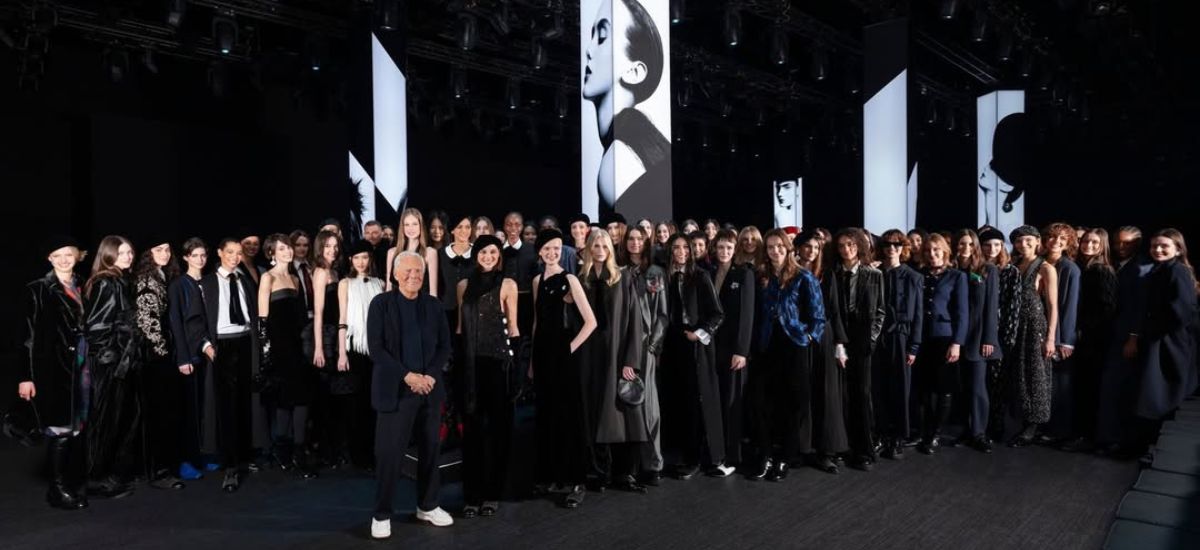
Emporio Armani Women’s Fall Winter 2025-26 Show. Photo: @emporioarmani

When the 1980s embraced bold colors, logos, and excess, Giorgio Armani turned fashion on its head. Instead of chasing logomania, Armani stripped away noise and embraced purity, making restraint the new definition of Italian luxury. His philosophy—rooted in clean tailoring and muted tones—challenged the flamboyant aesthetics of Gianni Versace and the era of conspicuous consumption.


By the 1990s, this vision crystallized into a global movement. Armani had become the undisputed master of minimalism, proving that true power in fashion did not shout; it whispered. His trajectory reveals how “less is more” became not only a design choice, but a cultural reset.
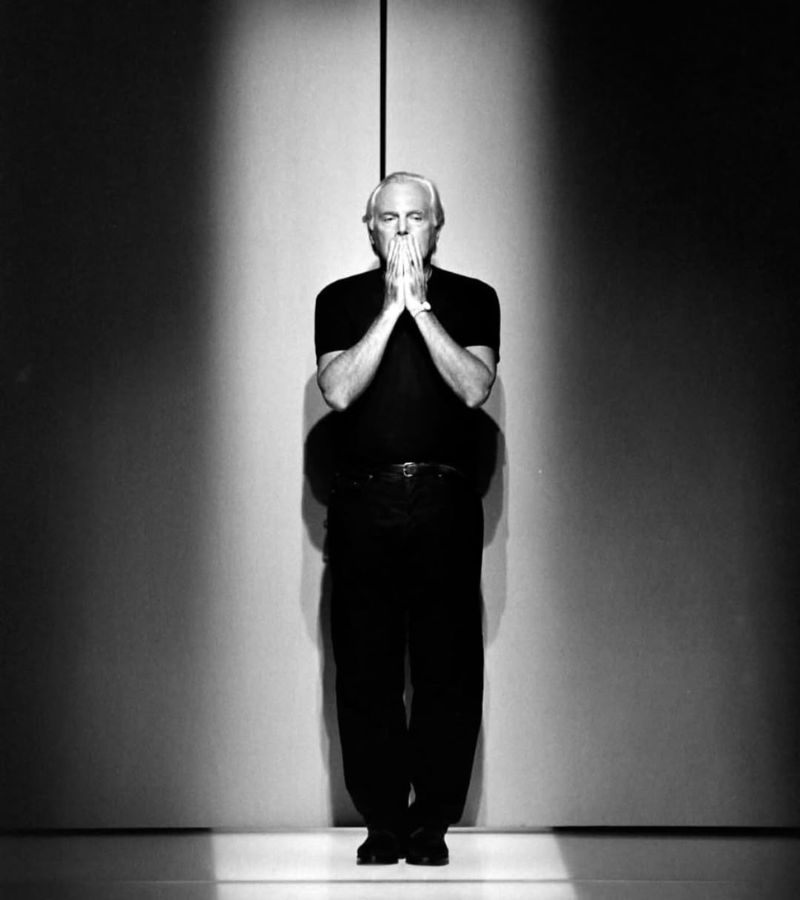
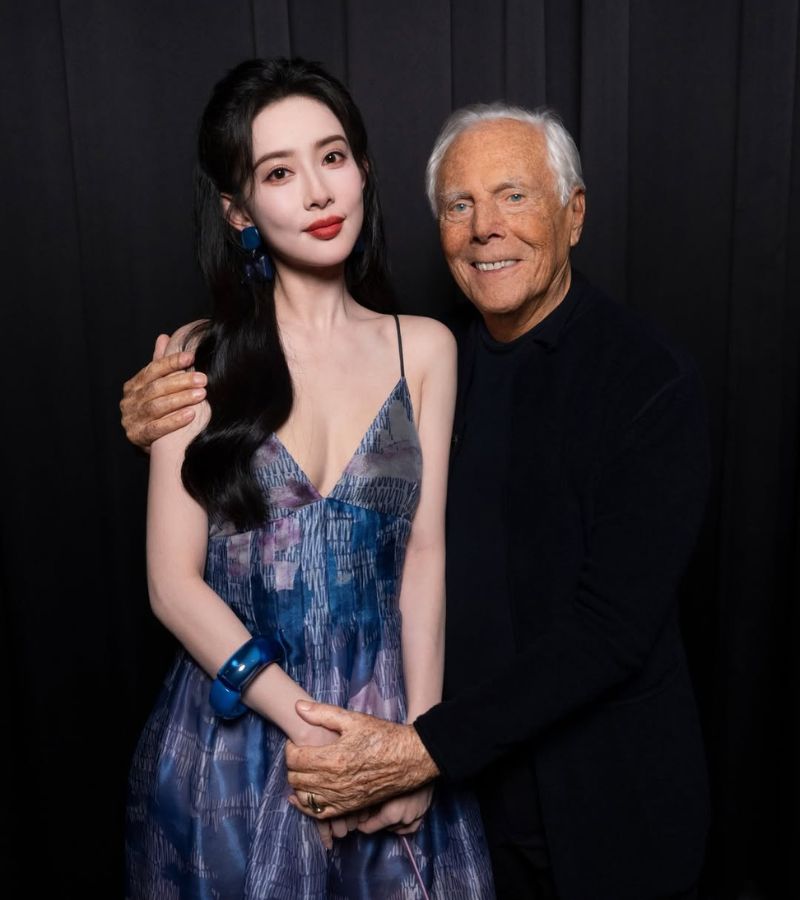
Giorgio Armani
Giorgio Armani. Photo: @emporioarmani

How Did Armani Redefine Luxury in the Age of Logomania?

The 1980s thrived on extravagance. From padded power suits to neon palettes, everything screamed for attention. At the center was logomania, where brands like Versace emblazoned logos as emblems of wealth and status. In contrast, Armani resisted the urge to shout.


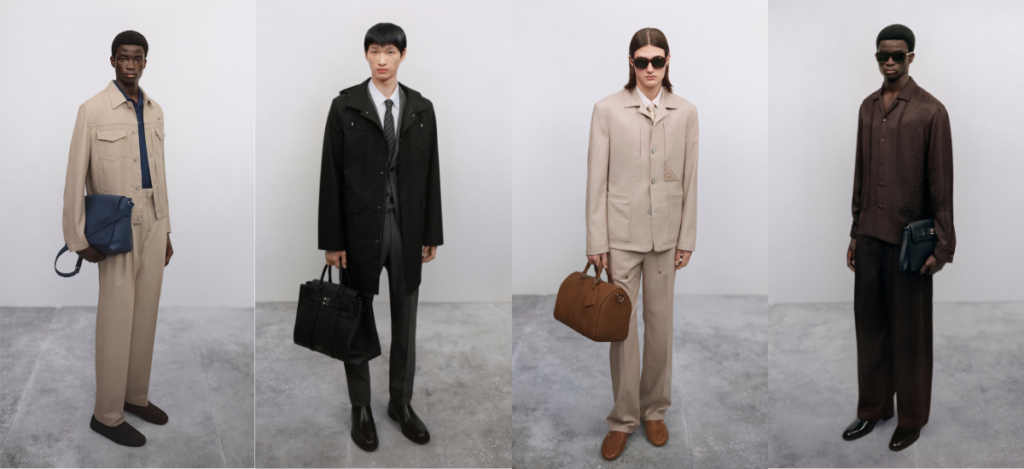
  • Deconstructed tailoring: Jackets lost their rigid padding, moving fluidly with the body.

  • Neutral palettes: Greys, beiges, and blues displaced neon excess.

  • Quiet confidence: Absence of logos—luxury was woven into the fabric itself.

His strategy was revolutionary precisely because it defied the zeitgeist. In a world obsessed with visibility, Armani’s discretion became a bold statement.

Giorgio Armani
Emporio Armani Women’s Fall Winter 2025-26 Show. Photo: @emporioarmani
Giorgio Armani
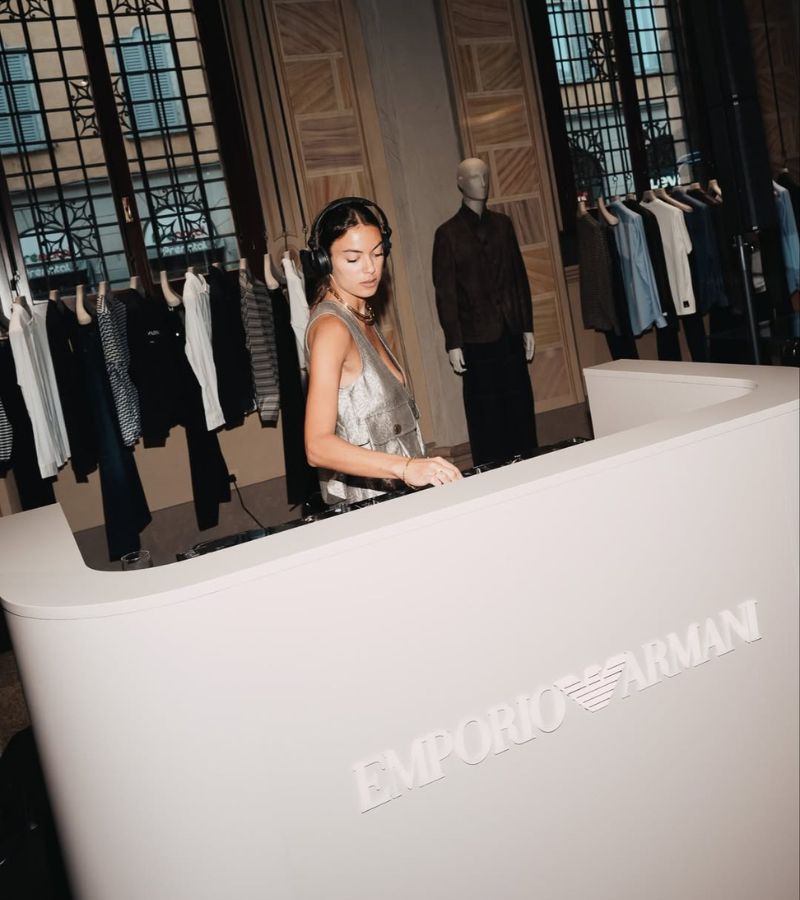
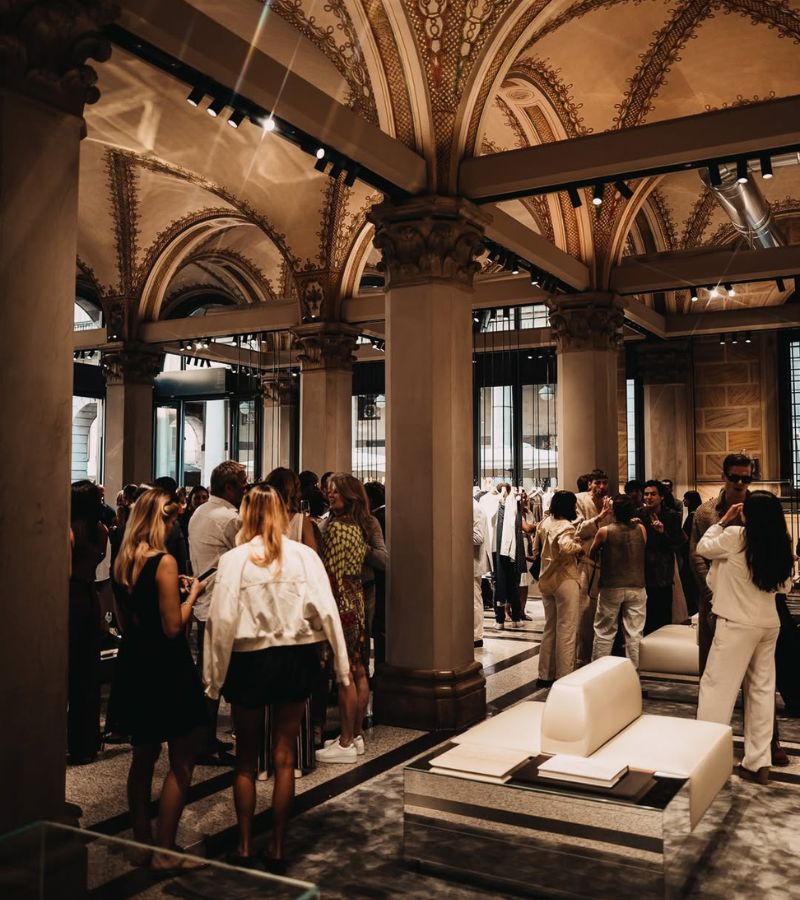
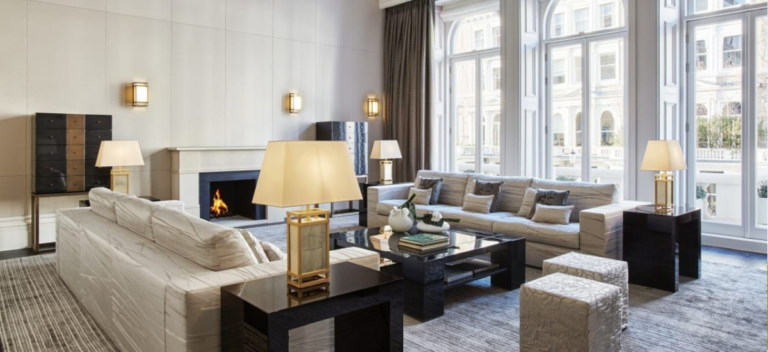
Emporio Armani store in Como. Photo: @emporioarmani

Why Did “Less is More” Define the 1990s?

The 1990s ushered in cultural fatigue with excess. Consumers craved authenticity, simplicity, and timelessness—values already embedded in Armani’s DNA. Unlike designers forced to reinvent themselves, Armani was simply waiting for the world to catch up.


Key moments cemented his dominance:


  1. American Gigolo (1980): Richard Gere’s Armani wardrobe turned minimal tailoring into cinematic sex appeal.

  2. Emporio Armani (1981): A younger, urban line made his aesthetic more accessible.

  3. Global expansion (1990s): Hotels, cosmetics, and home décor extended his silent luxury philosophy beyond clothing.

By the mid-90s, Armani’s minimalism wasn’t just fashion; it was the fashion.

How Did Armani’s Vision Differ from Versace’s?

Giorgio Armani and Gianni Versace represented two poles of Italian luxury in the 1980s and 90s, almost like philosophical rivals staging a dialogue through fabric. Versace thrived on maximalism—structured silhouettes with exaggerated shoulders, neon hues, bold prints, and logos splashed across every surface. His work was about glamour, spectacle, and an unapologetic embrace of overt sexuality.


Armani, by contrast, pursued a quieter path. His tailoring was fluid and deconstructed, favoring comfort over rigidity. Where Versace reached for neon, Armani leaned into neutrals—shades of grey, beige, navy, and black. While Versace broadcast his Medusa logo as a global symbol, Armani often omitted logos altogether, letting the cut and fabric do the talking.


The distinction was not just visual but philosophical. Versace spoke to those who craved visibility and impact, the thrill of being noticed in an instant. Armani appealed to those who valued discretion, timelessness, and power that did not need to be declared. As the era’s infamous quip suggested—“Versace dresses the mistress, Armani dresses the wife”—Armani’s vision embodied elegance that was already established, needing no flamboyant proof.

Giorgio Armani
Emporio Armani store in Como. Photo: @emporioarmani

Giorgio Armani’s triumph lies not in following trends, but in outlasting them. His minimalism anticipated cultural shifts, transforming restraint into the ultimate luxury. By redefining Italian elegance during an era of excess, he ensured that his vision would endure across decades.


Armani’s empire proves that timeless design and consistency are stronger than spectacle. His legacy is clear: true luxury isn’t loud—it lasts.

FAQ

Receive the latest news

Subscribe To Our Magazine

Luster Magazine

Digital Magazine

Ingresa los siguientes datos y comienza a disfrutar de nuestra revista digital.