Art

The Pauline Karpidas Effect: The future of the Art Market

Discover Pauline Karpidas’s London Collection, a landmark Sotheby’s sale on September 17–18, 2025, redefining global art market trends with surrealism, design, and visionary collecting.

Por: Angela Leon Cervera
Pauline Karpidas
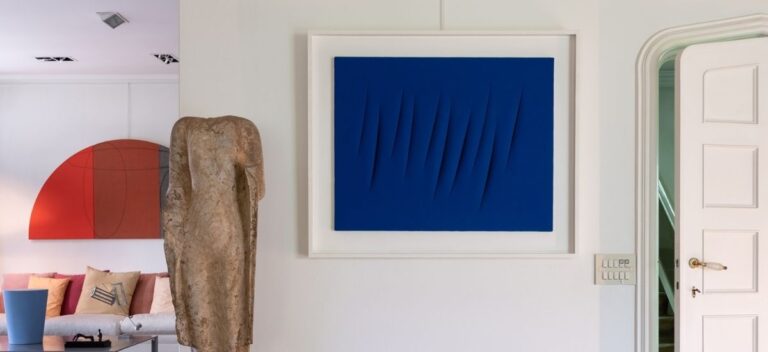
Pauline Karpidas’s London Collection. Courtesy of Sotheby's

When Pauline Karpidas decided to part with her London Collection, she wasn’t just selling art—she was scripting a new chapter in the global art market. Sotheby’s, with a valuation topping £60 million ($81 million), hailed it as Europe’s most valuable single-owner sale. Scheduled for September 17–18, 2025, the auction is more than a high-stakes transaction; it’s a litmus test for resilience in a cooling market.


Karpidas, often compared to Peggy Guggenheim, built her empire not from inheritance but from instinct, audacity, and an eye for narrative. Her London Collection crystallizes decades of choices that merge surrealism, design, and post-pop into a curatorial cosmos. It’s a collection that dares to ask: what happens when one woman’s taste becomes a market barometer?
Pauline Karpidas
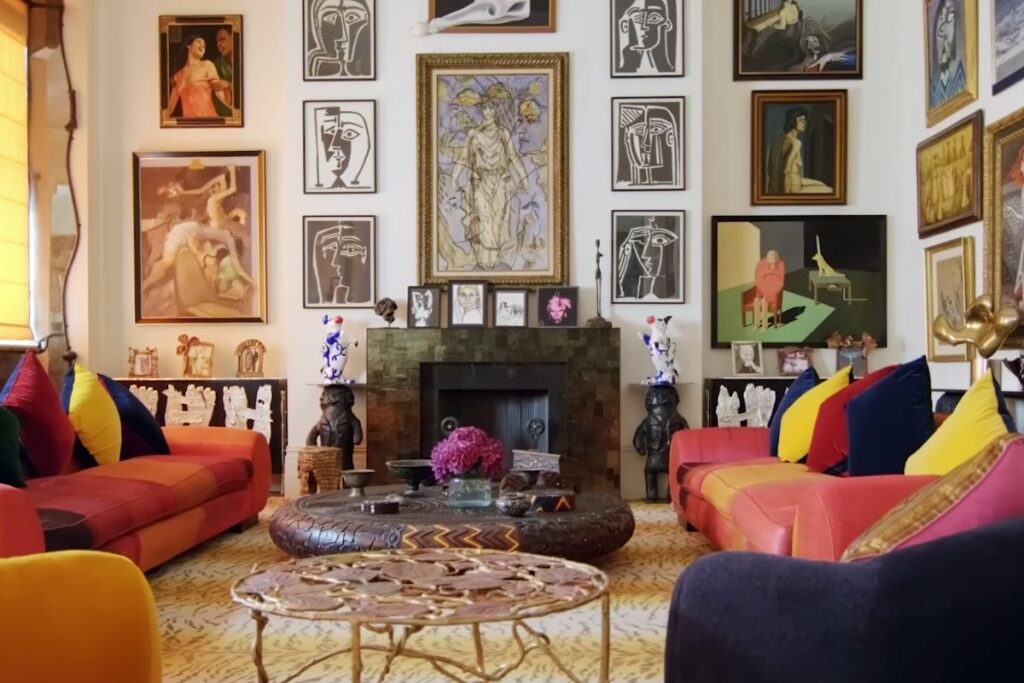
Pauline Karpidas’s London Collection. Courtesy of Sotheby's

Who is Pauline Karpidas, and How Did She Shape the Art World?

Born in Manchester in 1943, Pauline Karpidas’s journey was anything but predictable. From secretary to model to fashion entrepreneur in Athens, she reinvented herself at every turn. But the pivotal moment came in the 1970s, when she met Alexander Iolas, the visionary dealer who championed Warhol and the Surrealists.


Iolas became her mentor, teaching her not just to buy but to see. From him, she absorbed the Surrealist ethos of irony, play, and critique—a thread that runs throughout her collection. Later, with the Hydra Workshop, she nurtured Young British Artists like Damien Hirst and Tracey Emin, proving she was more than a buyer—she was a cultural ringleader.


  • Manchester roots: modest beginnings, sharp instincts.

  • Iolas mentorship: entry into surrealism’s visual grammar.

  • Hydra Workshop: platform for YBAs, a step ahead of the market.

Pauline Karpidas
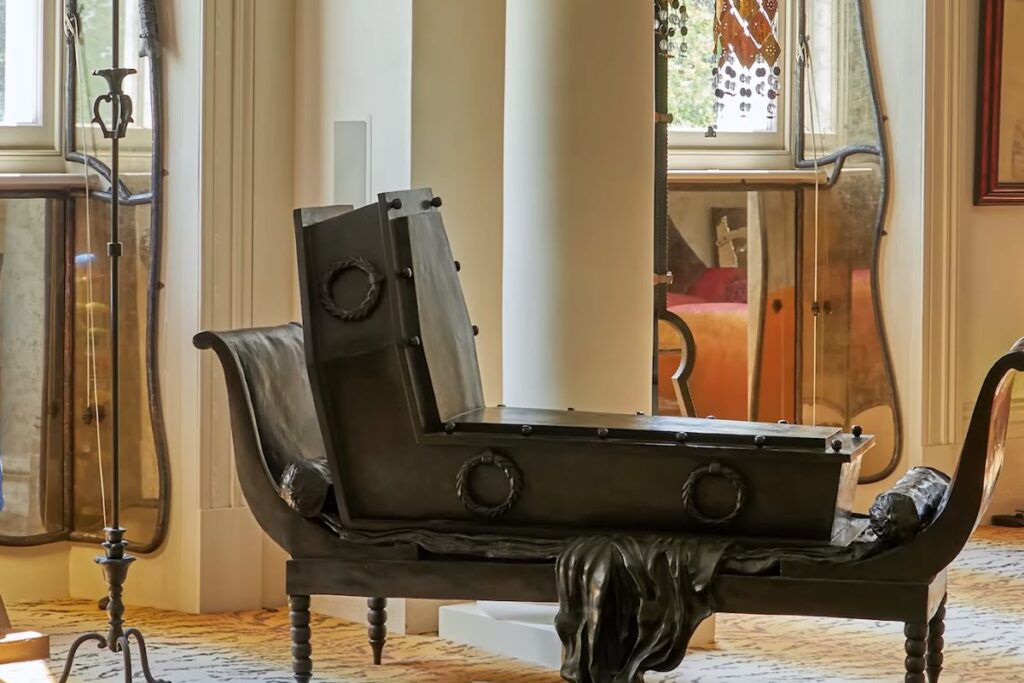
Pauline Karpidas’s London Collection. Courtesy of Sotheby's
Pauline Karpidas
Pauline Karpidas’s London Collection. Courtesy of Sotheby's

What Defines the London Collection?

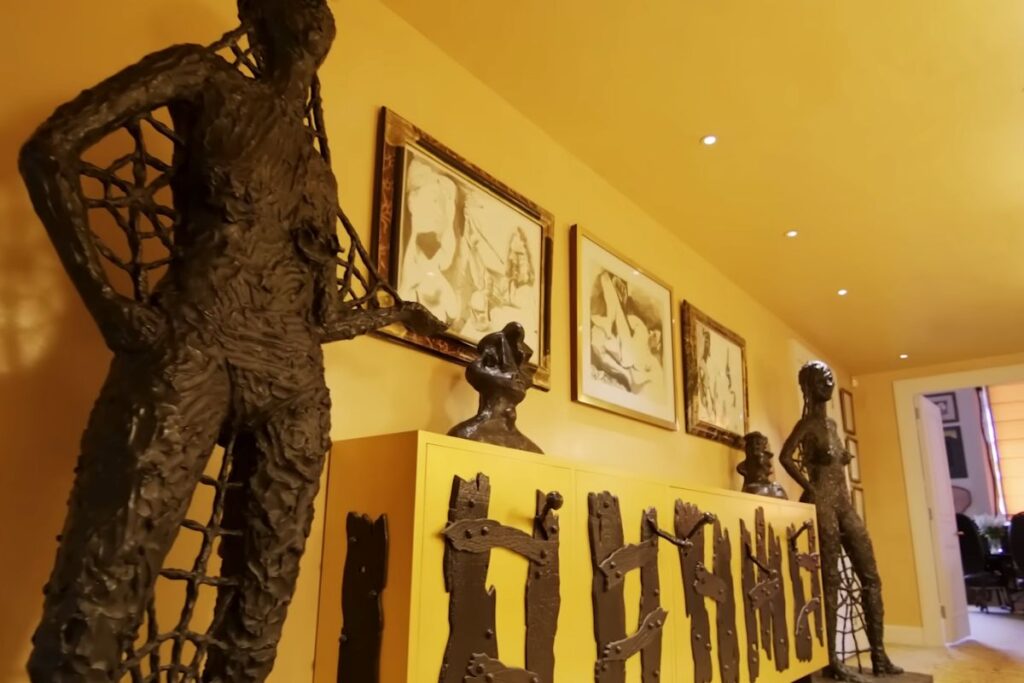
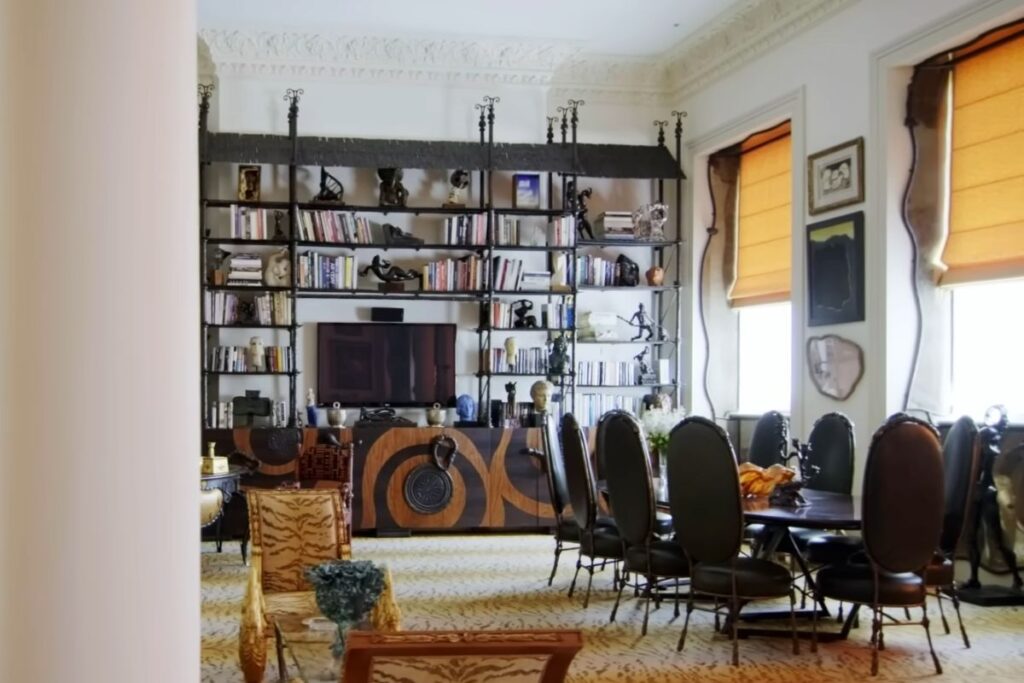
Unlike the Hydra trove of YBA daring, the London Collection is a dialogue between Surrealism, post-pop, and high design. Each room of Karpidas’s house became a stage, blending paintings, sculptures, and furniture into one immersive environment.


Key highlights include:


  • René Magritte’s La Statue volante (est. £9–12m): a surrealist jewel with Iolas provenance.

  • Warhol’s After Munch series: The Scream and Madonna and Self-Portrait with Skeleton’s Arm, reinterpreting angst through pop brilliance.

  • Les Lalanne designs like Choupatte and Table aux Serpents: whimsical functional objects elevated into fine art.

Karpidas collaborated with designers Jacques Grange and Francis Sultana, ensuring that her interiors mirrored her art—eclectic, provocative, alive.

Why Does This Auction Matter for the Global Art Market?

Context is everything: global auction sales for contemporary art fell 27% in 2024, marking the fourth year of decline. Against this backdrop, the Karpidas sale acts as both beacon and test. High-quality works with impeccable provenance remain resilient, attracting seasoned buyers even in downturns.

Strategically, Sotheby’s segmented the sale into three formats—Evening Auction on September 17, 2025, Day Auction on September 18, 2025, and an Online Auction—broadening accessibility and maximizing results. It positions the collection alongside historic single-owner sales, yet its personality makes it unique. Unlike François Pinault’s institutional holdings or Elton John’s photographic archive, Karpidas’s universe is intensely personal—a study of curiosity turned legacy.

  • Market decline: –27% in 2024.

  • Record valuation: £60m surpasses previous European benchmarks.

  • Strategic sale formats: evening stars, day breadth, online inclusivity.

Pauline Karpidas
Pauline Karpidas’s London Collection. Courtesy of Sotheby's

What Is Pauline Karpidas’s Legacy Beyond the Auction Room?

Karpidas’s influence transcends hammer prices. She donated 90 works to The Whitworth in Manchester, ensuring her hometown shares her vision, and she funded educational initiatives at New York’s New Museum. For peers like Sadie Coles, she wasn’t just a collector—she was the grande dame who kicked off her shoes and joined the dance.


Her story proves that audacity and instinct can rival inherited dynasties in shaping art history. By dismantling her London home and dispersing its contents, Karpidas ensures her vision won’t end—it will ripple outward, reshaping taste, scholarship, and collecting practices for decades.

The sale of Pauline Karpidas’s London Collection, taking place on September 17–18, 2025, is more than a market event—it’s the codification of a collector’s ethos. Surrealism, post-pop, design, and philanthropy converge into one narrative of curiosity and conviction. In the end, buyers won’t just acquire objects; they’ll inherit fragments of a life lived through art.

FAQ

Receive the latest news

Subscribe To Our Magazine

Luster Magazine

Digital Magazine

Ingresa los siguientes datos y comienza a disfrutar de nuestra revista digital.