Culture

Guillermo del Toro’s Auction: A Legacy in Transition

Guillermo del Toro’s legendary Bleak House collection enters the auction market, dispersing his creative sanctum into the hands of new custodians.

Por: Angela Leon Cervera
Guillermo del Toro Auction
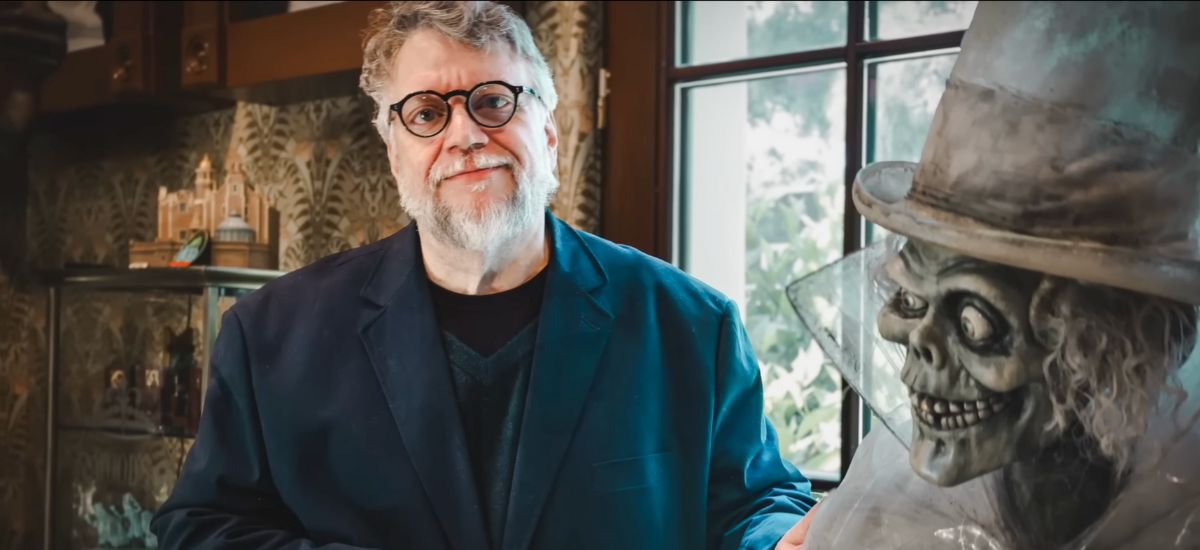
Guillermo del Toro’s Bleak House. Courtesy of Heritage Auctions

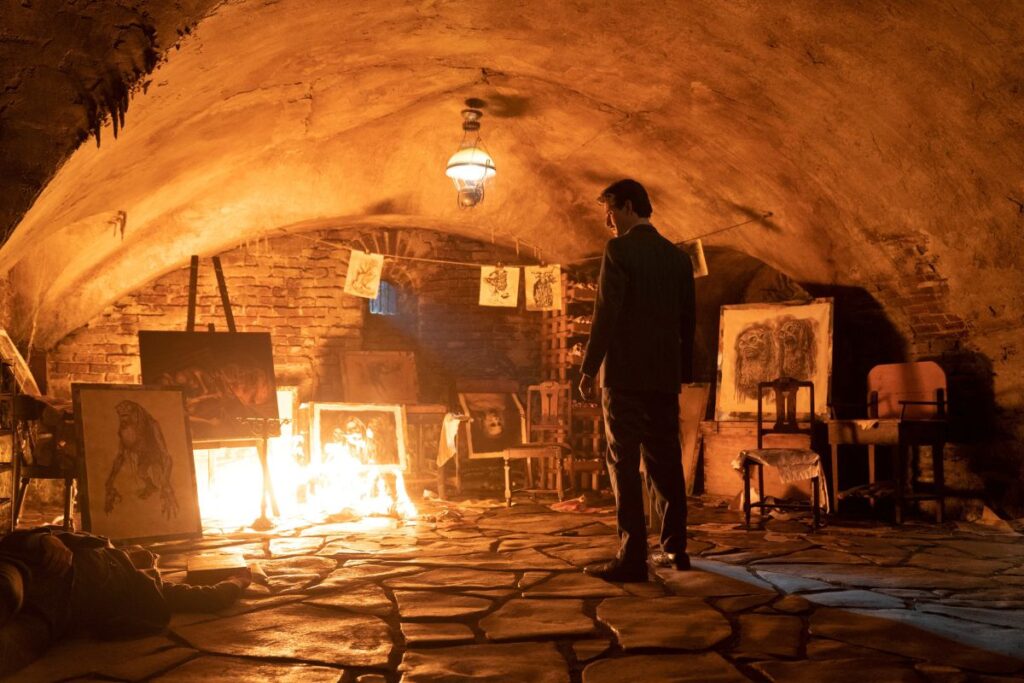
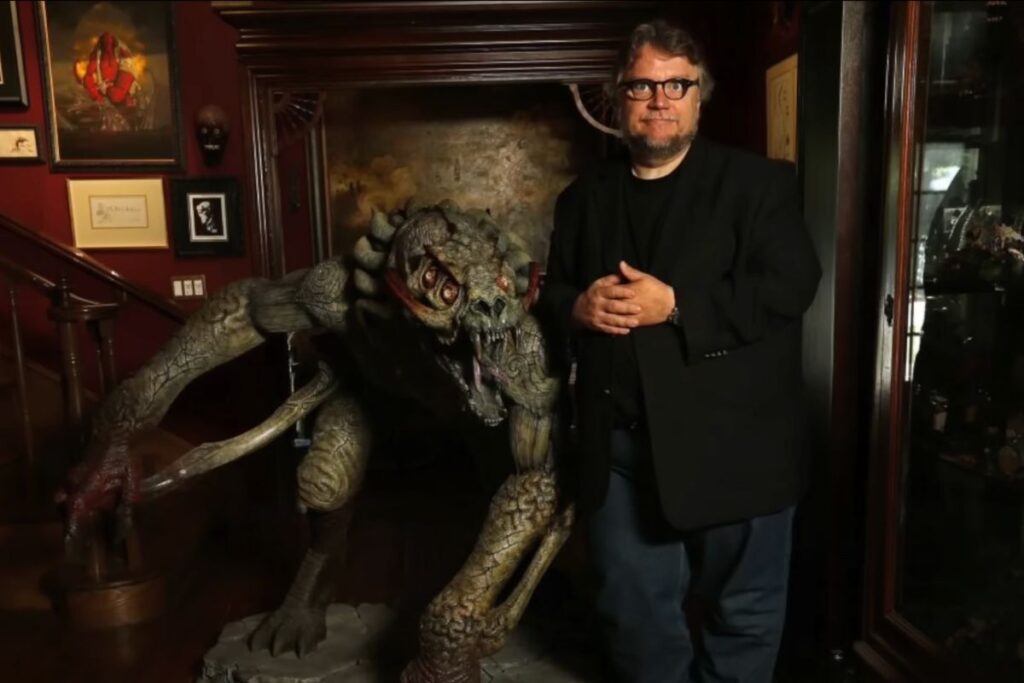
To call Guillermo del Toro’s Bleak House a residence would be a disservice. It is a labyrinth of imagination—two and a half houses in Santa Monica, bursting with over 5,000 objects that echo the filmmaker’s psyche. Figures loom life-size, sketchbooks whisper creative secrets, and thirteen thematic libraries spiral into what del Toro once described as an extension of his brain.


This September, Heritage Auctions will disperse part of this shrine through Bleak House Part 1. For many, it feels like watching a cathedral dismantled. Yet for del Toro, this auction is not a farewell, but a deliberate handover of cultural stewardship. His talismans, as he calls them, are not mere collectibles—they are fragments of memory and meaning destined to inspire beyond his walls.
Guillermo del Toro Auction
Guillermo del Toro’s Bleak House. Courtesy of Heritage Auctions

What Drives Guillermo del Toro to Let Go?

Del Toro has always viewed collecting as sacred duty rather than indulgence. In his words, objects are not his; he is their temporary guardian. Yet the weight of that duty grew unbearable. Maintaining climate, dust, and order across thousands of delicate artifacts felt, in his words, “like driving a bus with 160 unruly children.”


The true catalyst, however, was fire. California wildfires licked dangerously close to Bleak House three times. In one evacuation, del Toro could save only 120 pieces—less than 3% of his archive. The risk of losing not money but history—the art of Bernie Wrightson, the sketches of Mike Mignola, the stories locked in each relic—was too high. The auction, then, is less a retreat than an insurance policy for cultural continuity.

Guillermo del Toro Auction
Guillermo del Toro’s Bleak House. Courtesy of Heritage Auctions
Guillermo del Toro Auction
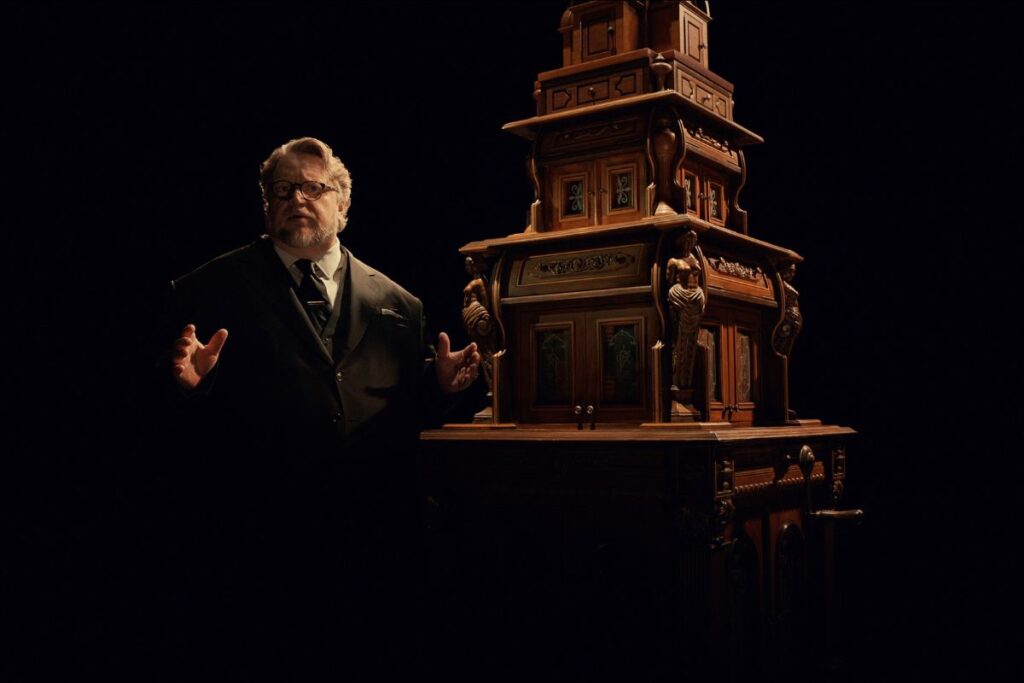
Cabinet of Curiosities. Photo: IMDB

Which Treasures Define the Guillermo del Toro Auction?

The catalog is a living diary of influences, revealing the DNA of a visionary director:


  • Bernie Wrightson’s Frankenstein Illustrations – lauded as his magnum opus and a touchstone for del Toro’s own Frankenstein ambitions. (Estimate: $200,000)

  • Mike Mignola’s Hellraiser #2 Cover – precursor to Hellboy, hidden in Bleak House for decades. (Estimate: $40,000)

  • “Big Baby” Shotgun Prop from Hellboy II – a piece of cinematic lore, equal parts myth and metal. (Estimate: $50,000)

  • Amphibian Man Maquette from The Shape of Water – a prototype of the Oscar-winning creature.

  • Faun’s Mill Concept Sketch by Raúl Monge – showing del Toro’s sprawling vision before it was distilled to screen. (Estimate: $6,000)

  • Personal Notebooks from Cabinet of Curiosities – intimate sketches and reflections, valued less for price than for raw creative essence.

Each lot invites buyers not just to acquire, but to reconstruct a miniature Bleak House of their own.


How Does This Auction Reshape the Cultural Market?

Del Toro’s auction arrives during a golden moment for Hollywood memorabilia. The recent sale of David Lynch’s personal archive proved that provenance can transform a coffee machine into a relic. Del Toro, with his encyclopedic curatorial rigor, raises the stakes: these are not props alone, but artifacts that map the evolution of fantasy and horror into mainstream culture.


By moving his treasures into the care of global collectors, del Toro elevates them into art history’s bloodstream. What once sat in the liminal space between “fan collection” and “fine art” now commands recognition as cultural patrimony. This shift suggests the Guillermo del Toro Auction will not merely meet expectations, but redefine them.

Guillermo del Toro Auction
Cabinet of Curiosities. Photo: IMDB

What del Toro disperses is not a collection but a constellation. Each artifact, once a star in his private firmament, will now orbit new galaxies of meaning in homes, galleries, and archives worldwide.


“This hurts,” he admits. “Next time, I’ll be bleeding.” Yet the pain is matched by vision. By letting go, del Toro ensures that his guardianship continues in chorus, not solitude. The Bleak House may fragment, but its spirit will ripple outward—its stories still whispering, its talismans still alive, inspiring future dreamers to imagine, collect, and create.

FAQ

Receive the latest news

Subscribe To Our Magazine

Luster Magazine

Digital Magazine

Ingresa los siguientes datos y comienza a disfrutar de nuestra revista digital.