Architecture

Nature Rocks: Changing Jialeshui’s Coastline with Architecture

The last MVRDV project in Asia blends architecture with geology to enhance tourism in a sustainable way.

Por: Rubén Carrillo
The dramatic sandstone formations, sculpted over centuries, resemble rabbits, toads, and seals. / Photo Nature Rocks

On Taiwan’s southern edge, Jialeshui stands as a geological jewel shaped by wind and water. 


The dramatic sandstone formations, sculpted over centuries, resemble rabbits, toads, and seals. 


Yet, despite its popularity, this natural stage has long struggled with limited facilities, weather-damaged kiosks, and a road that splits forest from sea.


The Pingtung County Government has selected a bold proposal by MVRDV and HWC Architects titled Nature Rocks. 


The plan aims to transform Jialeshui into a sustainable tourism hub by integrating architecture with the landscape instead of forcing nature to conform.
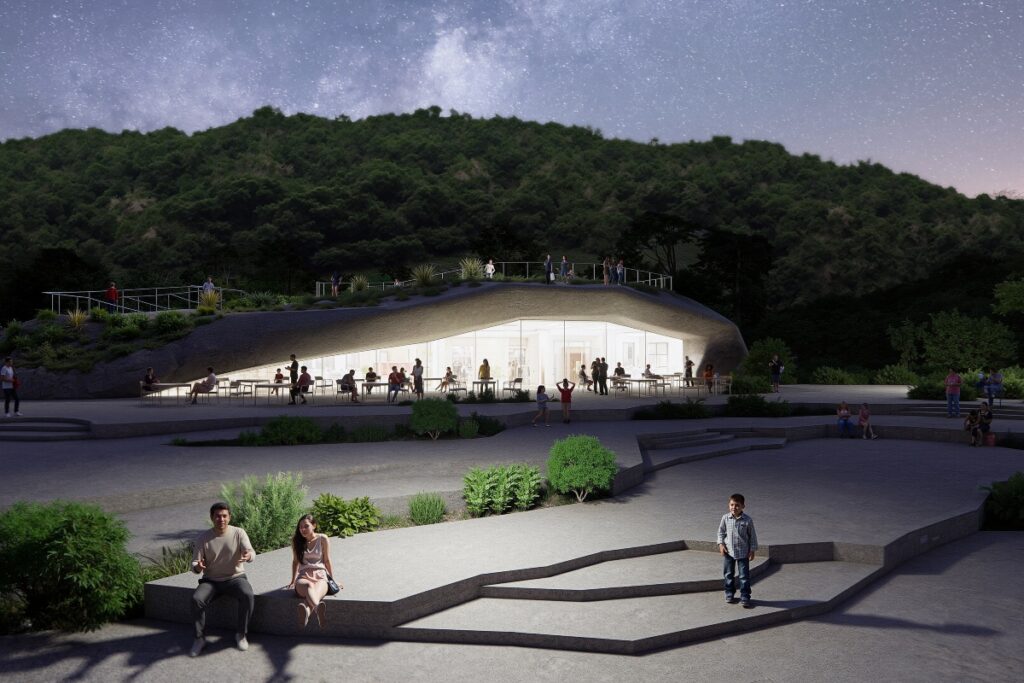
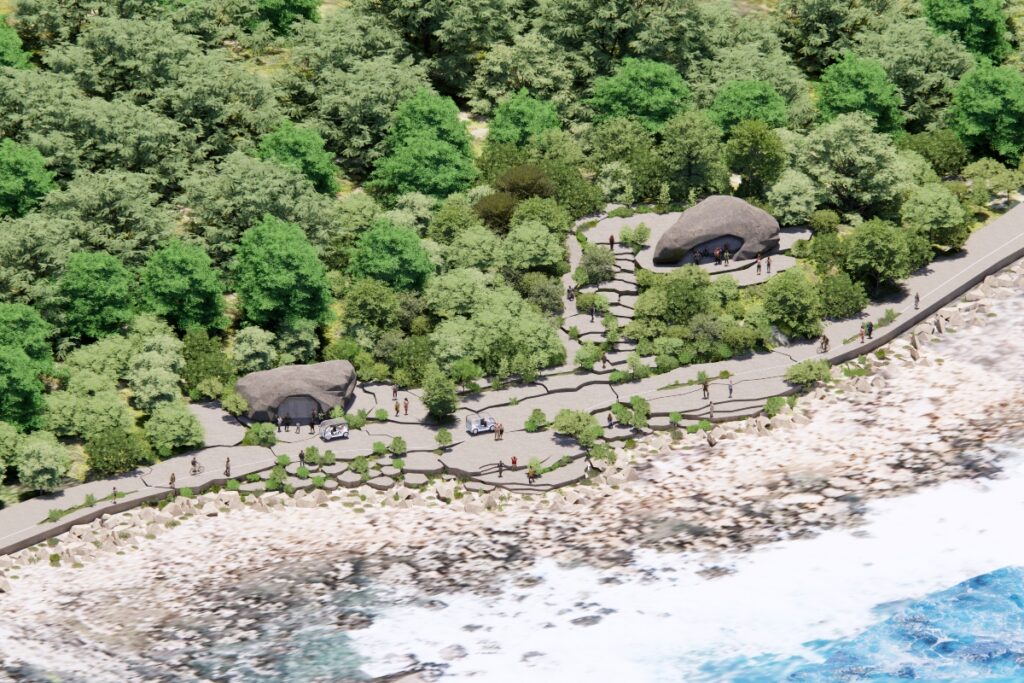
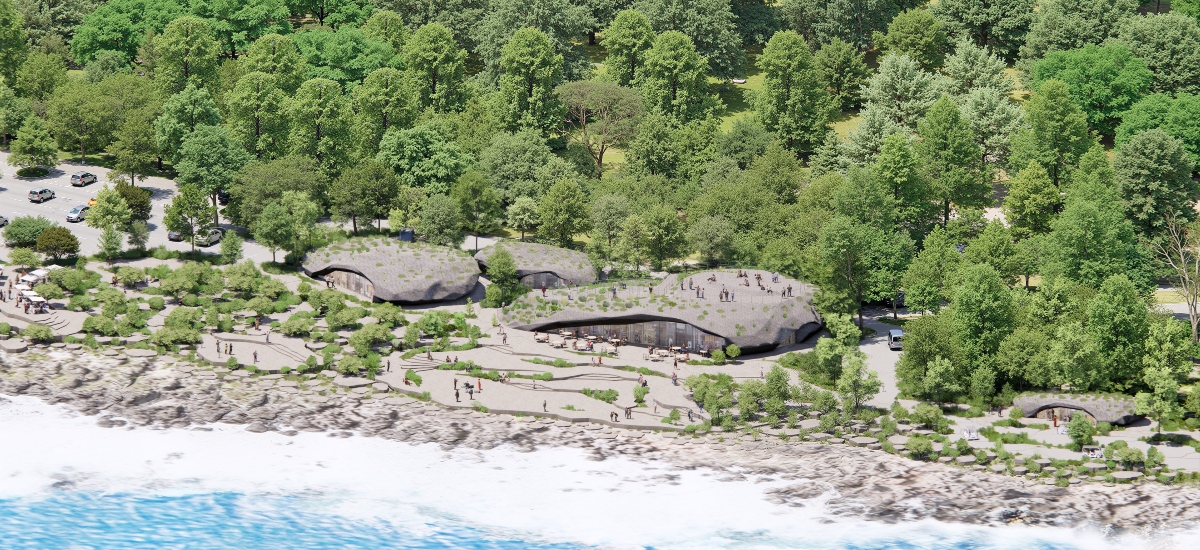
The Pingtung County Government has selected a bold proposal by MVRDV and HWC Architects titled Nature Rocks / Photo Nature Rocks

Rock-like design that celebrates geology

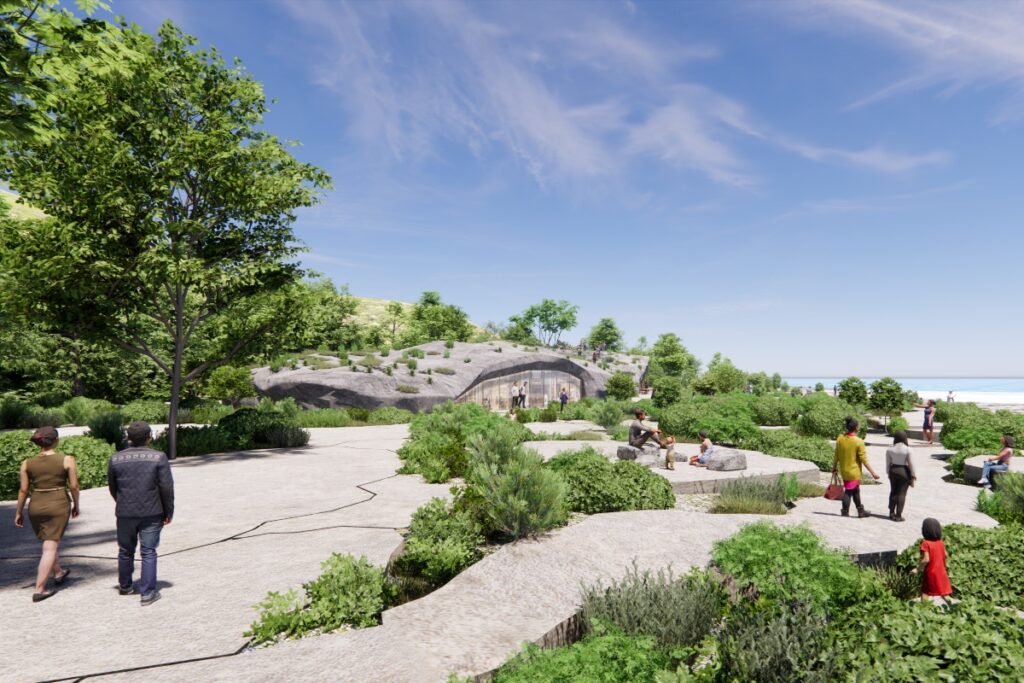
The masterplan reimagines infrastructure through forms inspired by Jialeshui’s layered coastline. 


Straight roads are replaced by fractured, organic pathways echoing the texture of local rocks. 


These “cracks” create zones for circulation, leisure, and even stormwater management. By mirroring the region’s geology, the architecture becomes part of the scenery.


Concrete structures shaped like boulders rise subtly within existing footprints. These volumes house a visitor center, exhibition areas, and essential amenities. 


The goal is not to dominate the land but to let built form emerge naturally from it. In every sense, Nature Rocks.

The masterplan reimagines infrastructure through forms inspired by Jialeshui’s layered coastline. / Photo Nature Rocks

Resilience woven into the design

Jialeshui’s coastline faces recurring typhoons and floods. To address this, the design introduces cracks in the pavement as passive drainage channels, simultaneously functioning as habitats for greenery and small animals. 


Native vegetation is arranged in gradients—dense forest species gradually shifting to salt-resistant flora nearer the shoreline. 


Over time, even the concrete façades will host moss and plants, creating living buildings.


A new arrival experience

Visitors will be welcomed by three sculptural buildings resembling massive rocks. 


The largest contains a café, a souvenir shop, and a multipurpose visitor center. Another holds exhibition halls for environmental storytelling, while the third offers restrooms. 


Roof terraces provide panoramic views and stargazing opportunities, turning architecture into both function and spectacle.


Around these structures, terraced plazas allow gatherings, local markets, or simple moments of contemplation. 


The design fosters community interaction while remaining true to its geological inspiration.

Native vegetation is arranged in gradients—dense forest species gradually shifting to salt-resistant flora nearer the shoreline. / Photo Nature Rocks

Pathways that reconnect forest and coast

The former road, once a rigid line dividing the ecosystem, is now envisioned as a fluid route prioritizing people. 


Pedestrians, cyclists, and shuttles will share the space in harmony. Along the way, improved viewing decks, kiosks, and rest areas replace outdated facilities. 


Each stop frames a different aspect of Jialeshui’s beauty—its sea cliffs, waterfalls, or iconic rock formations.


The plan does not overwhelm with heavy construction. Instead, it respects the area’s existing rhythm, positioning Jialeshui as one of Taiwan’s premier geological parks without erasing its fragile identity.

A global message

With Nature Rocks, MVRDV demonstrates how architecture can enhance natural heritage responsibly. 


It is a blueprint for future coastal developments worldwide, proving that progress does not mean compromising landscapes. Instead, design can act as an ally to nature.


Jialeshui’s transformation is more than an upgrade of facilities—it is a cultural gesture. It acknowledges the dialogue between people, the environment, and time.

Quick Questions & Answers

Receive the latest news

Subscribe To Our Magazine

Luster Magazine

Digital Magazine

Ingresa los siguientes datos y comienza a disfrutar de nuestra revista digital.