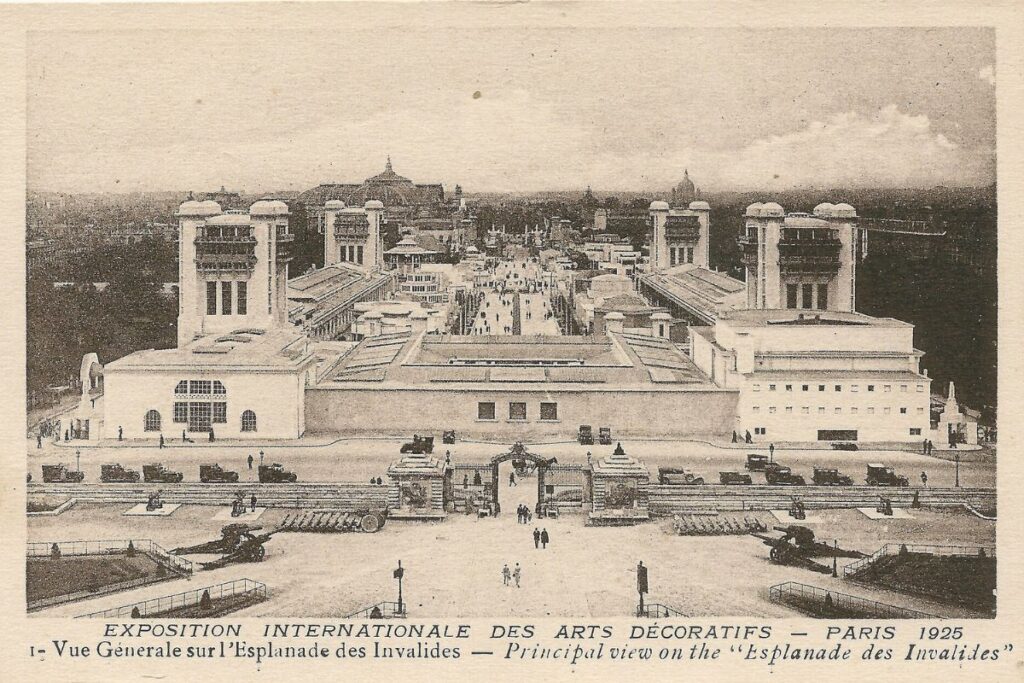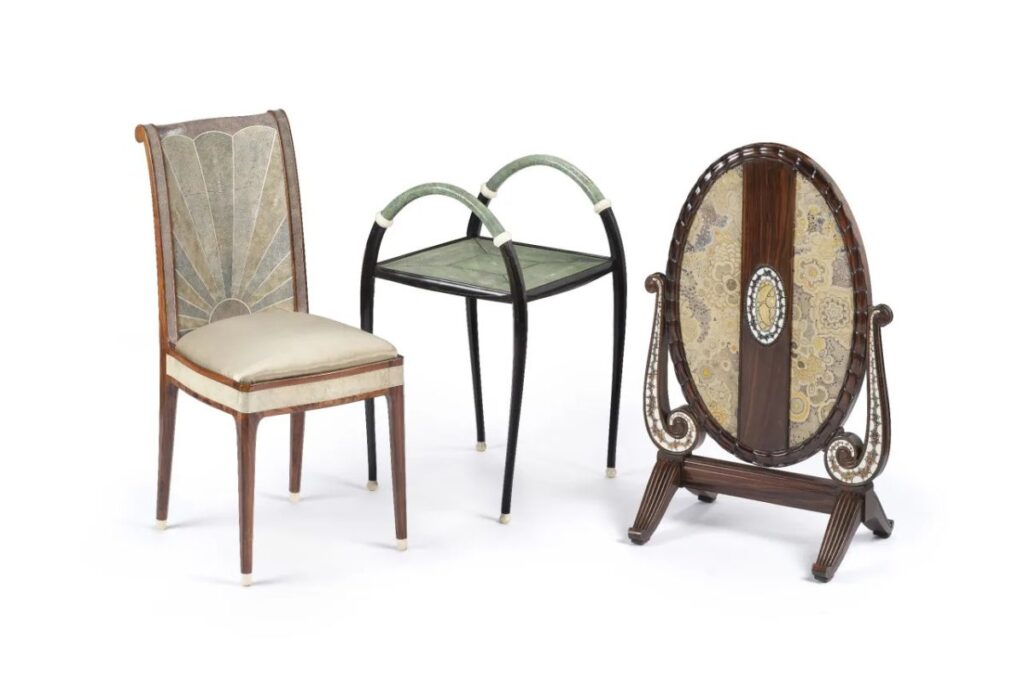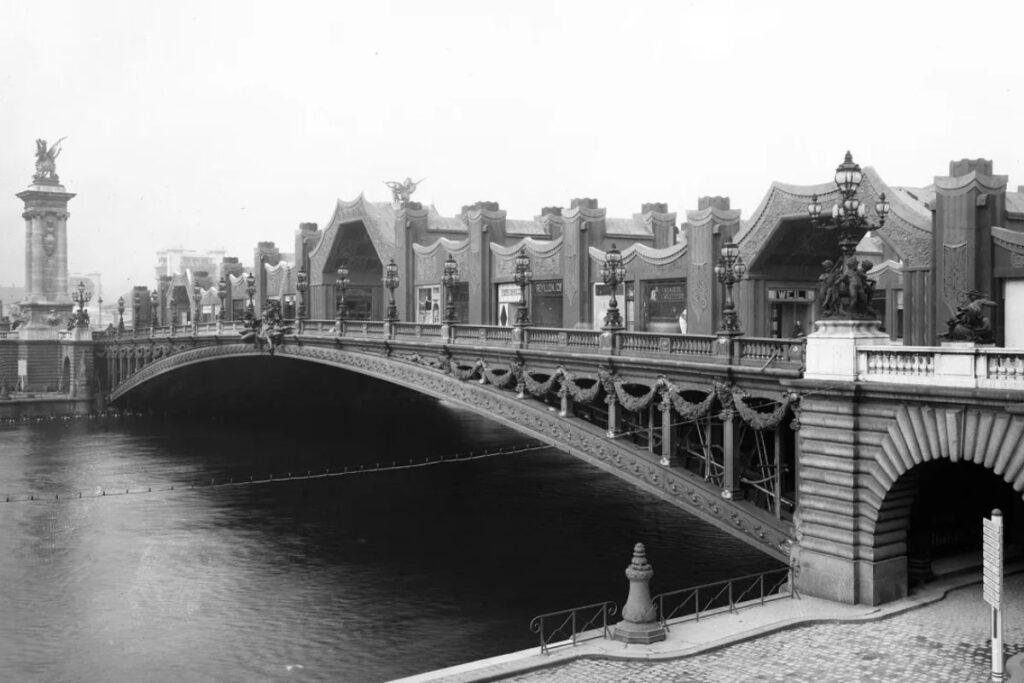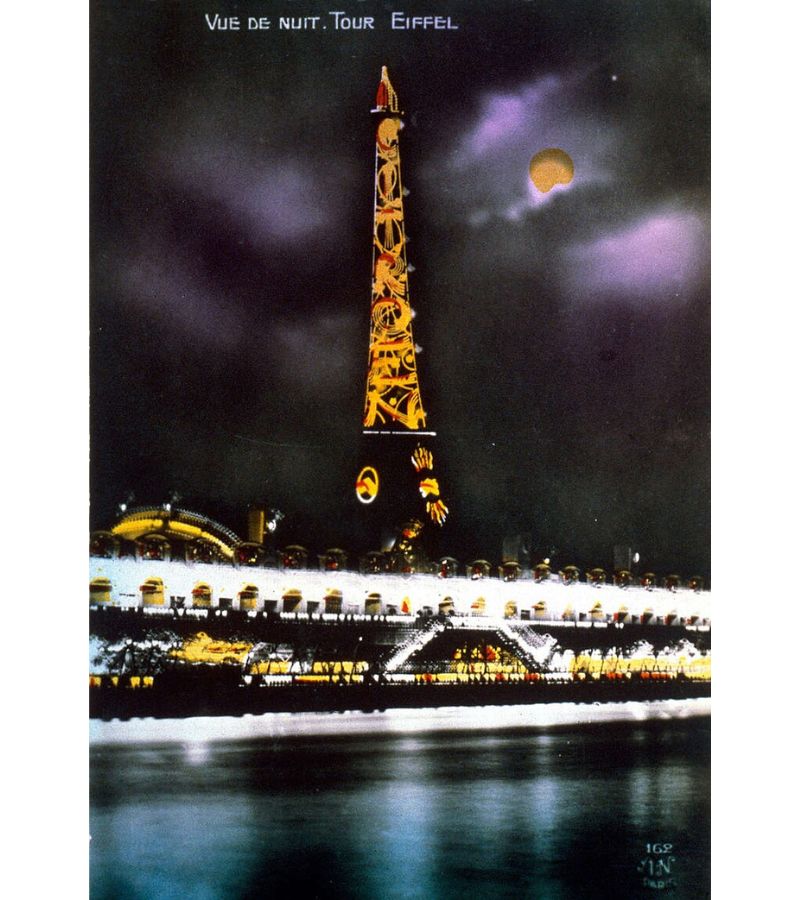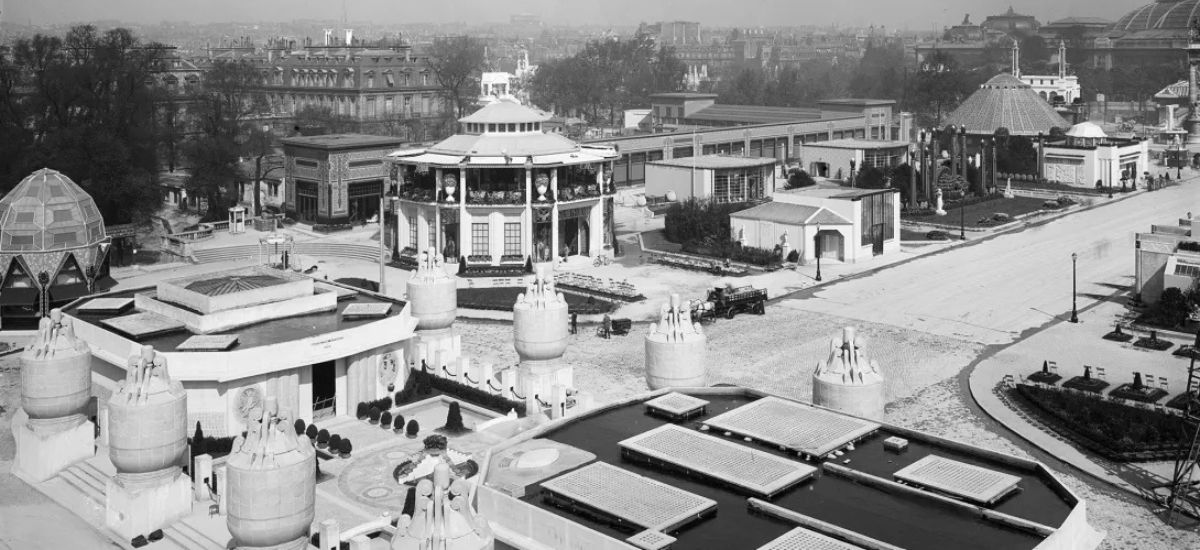
Paris in 1925 was not just staging another exhibition—it was declaring a manifesto. The Exposition Internationale des Arts Décoratifs et Industriels Modernes did more than showcase decorative arts; it crystallized Art Deco as a global style, shimmering with optimism after the First World War. For six months, more than 16 million visitors wandered through pavilions where luxury, innovation, and ideology collided.
The fair demanded originality—explicitly rejecting historicist revivals—and in doing so, it propelled a fully matured aesthetic onto the world stage. The irony? What began as a delayed idea from 1915 became, by 1925, the perfect showcase of a style already ripe, luxurious, and ready to conquer the globe.