Art

Art in the 21st Century: Four Movements Shaping Our Time

Discover how street art, new media, hyperrealism, and eco-art define 21st-century art, blending technology, activism, and aesthetics into a new cultural landscape.

Por: Angela Leon Cervera
Art in the 21st Century
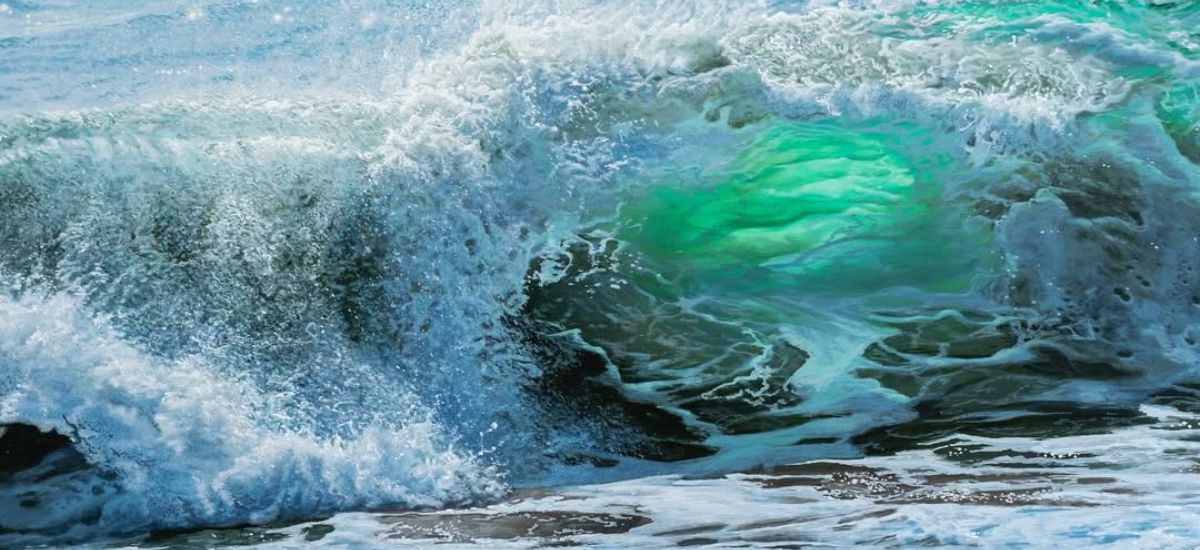
Javier Torices. Photo: @javiertorices

Art in the 21st Century is less a tidy gallery of styles and more a sprawling playground of possibilities. It resists single definitions, favoring mash-ups, contradictions, and hybrid forms. Boundaries are porous: graffiti sits alongside gallery work, digital art is auctioned at Christie’s, and environmental pieces grow—or decay—in real time.


The postmodern inheritance is unmistakable: no grand narratives, no stylistic purity, only a gleeful promiscuity of forms. But this isn’t chaos—it’s a dialogue between society, technology, and aesthetics. From political protest walls to blockchain-backed JPEGs, the art of our time both mirrors and critiques the systems we inhabit. Four movements—street art, new media art, hyperrealism, and eco-art—serve as revealing case studies.
Art in the 21st Century
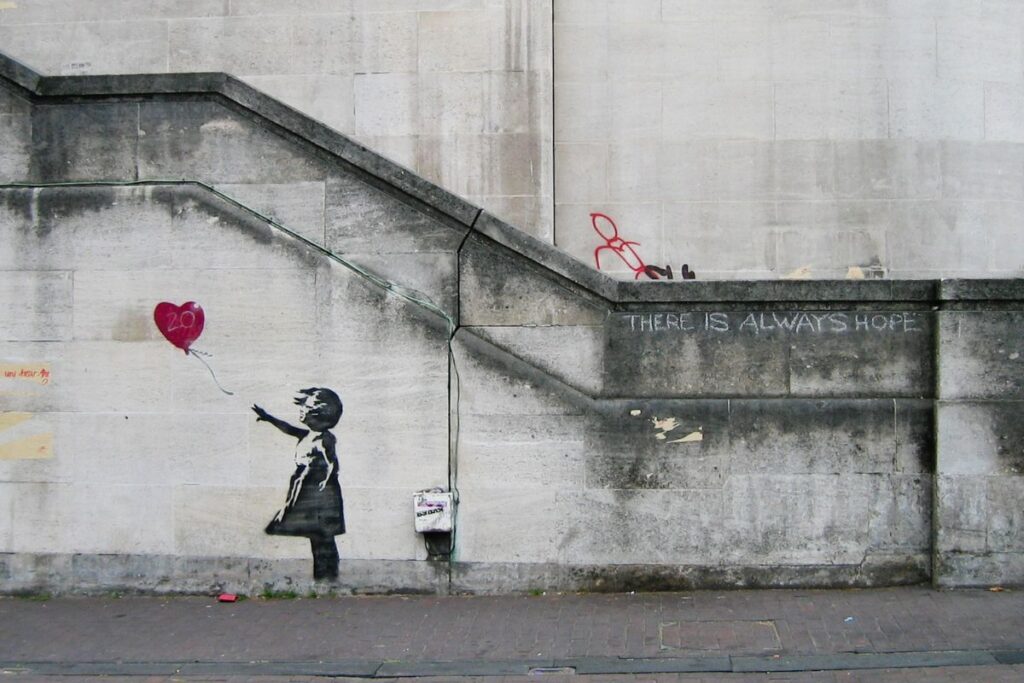
Banksy’s Girl with Balloon (2002)

How Did Street Art Leap from Illicit Walls to Global Fame?

Once dismissed as vandalism, street art has traveled a remarkable arc—from spray-painted subway cars to sanctioned murals that lure tourists. Early graffiti writers like Cornbread and Lady Pink tagged cities in anonymity. By the 2000s, however, names like Banksy and Shepard Fairey transformed street corners into stages for global conversation.


  • Banksy’s Girl with Balloon (2002) became an icon of fleeting hope.

  • Fairey’s HOPE poster (2008) blurred activism and design, influencing politics itself.

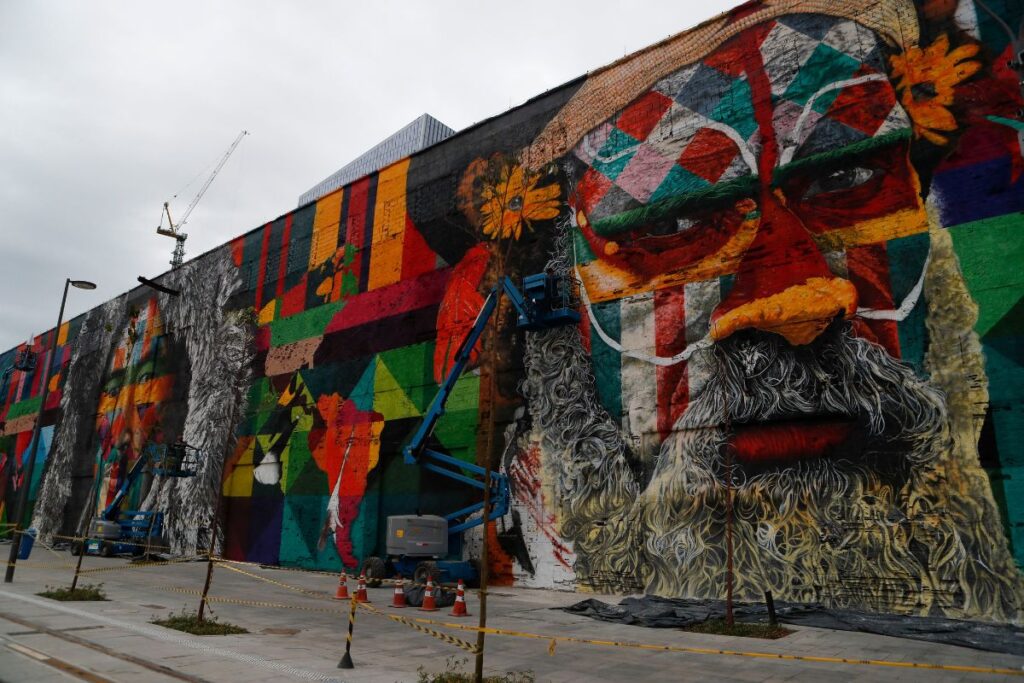
  • Eduardo Kobra’s Etnias (2016) in São Paulo turned city walls into Olympic-scaled storytelling.

The irony? A form born in rebellion is now embraced by real estate developers as a tool of “placemaking.” Street art democratizes access yet risks being co-opted by gentrification. Its core tension—between authenticity and commercialization—remains unresolved, making the movement as urgent as its spray-painted origins.

Art in the 21st Century
Eduardo Kobra’s Etnias (2016)
Art in the 21st Century
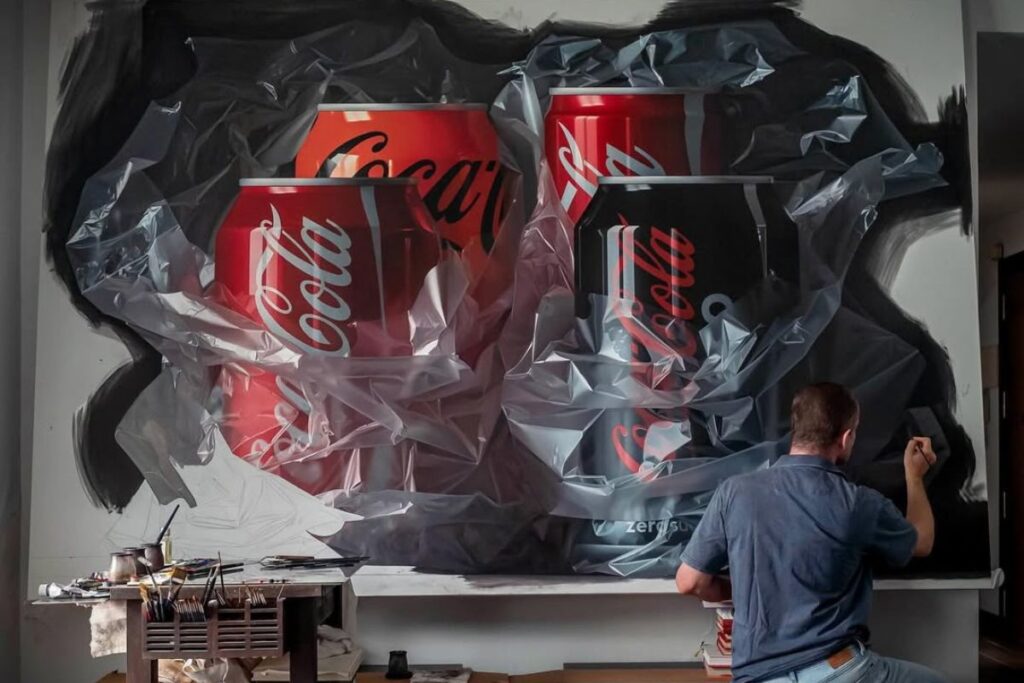
Pedro Campos. Photo: @pedrocampos_art

What Defines New Media Art in the Age of NFTs?

If street art colonized public walls, new media art colonized the web. This movement thrives on interactivity, remix, and immersive digital tools: animation, robotics, VR, and, most explosively, blockchain.


  • Beeple’s Everydays: The First 5000 Days (2021) fetched $69.3 million at Christie’s, a watershed for NFTs.

  • CryptoPunks by Larva Labs turned pixelated avatars into multi-million-dollar collectibles.

But is this democratization or speculation in disguise? Digital art can be copied infinitely, yet NFTs reintroduce artificial scarcity. The paradox is stark: a movement meant to expand access is being reabsorbed into elite art markets. New media art thus stages a philosophical tug-of-war between experience and ownership, play and profit.


Why Does Hyperrealism Captivate—and Trouble—Viewers?

Hyperrealism stuns with its ability to replicate life at an almost unnerving level. But unlike 1960s photorealism, today’s hyperrealists inject narrative and emotion.


  • Eloy Morales’s massive self-portraits confront identity and process.

  • Pedro Campos turns Coke cans and glass shards into meditations on everyday beauty.

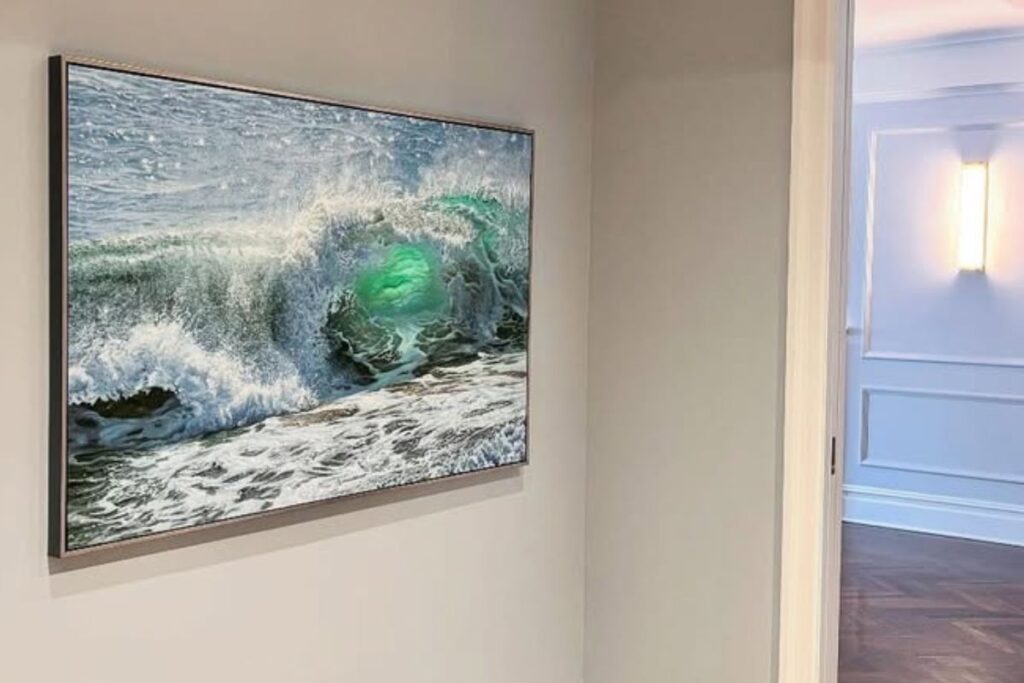
  • Javier Torices captures seascapes that oscillate between serenity and spectacle.

The technical mastery is awe-inspiring, yet critics argue it reflects a cultural stasis. If art only reproduces what exists, where is the space for imagining alternatives? As philosopher Mark Fisher warned, hyperrealism may embody a “capitalist realism”—a culture incapable of envisioning utopias. Still, the movement holds power: by making us question whether a painting or a photograph confronts us, it destabilizes what “real” even means.

How Does Eco-Art Balance Aesthetics and Activism?

Eco-art pivots from depicting nature to intervening in it. Its roots in 1970s Land Art—think Robert Smithson’s Spiral Jetty (1970)—faced criticism for ecological insensitivity. Today’s eco-artists embrace sustainability, often crafting works designed to decay, regenerate, or heal landscapes.


  • Andy Goldsworthy assembles ephemeral sculptures from leaves, ice, and stones.

  • Agnes Denes’s Living Pyramid (2022) interrogates pollution and regeneration.

  • Jimmy Pons’s Petrolart turns recycled oil into protest material.

Eco-art underscores art’s role as both mirror and catalyst. It doesn’t just represent the climate crisis; it actively participates in conversations about ecological responsibility. Where early Land Art bulldozed, eco-art now regenerates.

Art in the 21st Century
Javier Torices. Photo: @javiertorices

Art in the 21st Century is unruly, hybrid, and deeply entangled with the currents of society. It navigates a paradoxical terrain: democratization intertwined with commodification, activism coexisting with spectacle, technology serving both as tool and trap.


As AI and the metaverse expand the toolkit, and as climate urgency accelerates, these movements will continue to mutate. What unites them is not style but spirit: a restless questioning of value, reality, and responsibility. In this sense, art is not just reflecting our age—it is actively scripting its contradictions.

FAQ

Receive the latest news

Subscribe To Our Magazine

Luster Magazine

Digital Magazine

Ingresa los siguientes datos y comienza a disfrutar de nuestra revista digital.