Culture

Venice Film Festival 2025: History, Legacy & Anticipated Films

Explore the history, global significance, iconic winners, and most anticipated films of the Venice Film Festival 2025—cinema’s most prestigious stage.

Por: Angela Leon Cervera
Venice Film Festival
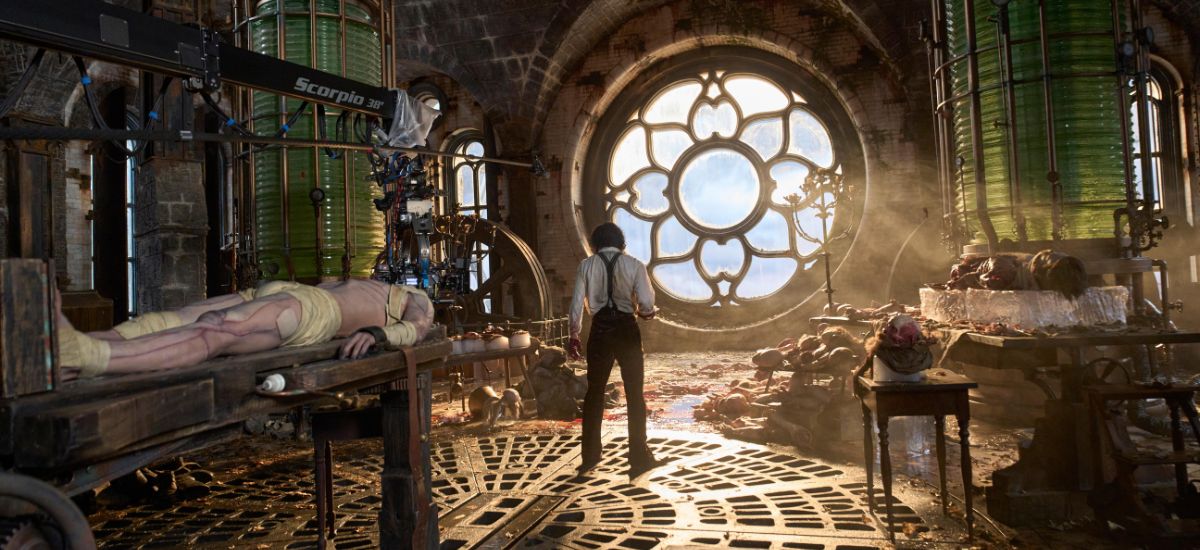
Guillermo del Toro’s Frankenstein. PHOTO: IMDB

The Venice Film Festival, affectionately called La Mostra, is more than a glamorous red carpet by the lagoon—it is cinema’s oldest and most revered laboratory of ideas. Established in 1932, it remains the compass by which global film culture orients itself. As it opens its 82nd edition on the Lido from August 27 to September 6, 2025, it carries a legacy nearly a century in the making.


Venice has always been where artistry collides with politics, and where bold visions find their first audience. From Kurosawa to Lanthimos, the festival has nurtured pioneers, while also shaping Oscar campaigns. This duality—avant-garde discovery and Hollywood launchpad—is precisely why the Venice Film Festival holds such unmatched prestige.
Venice Film Festival
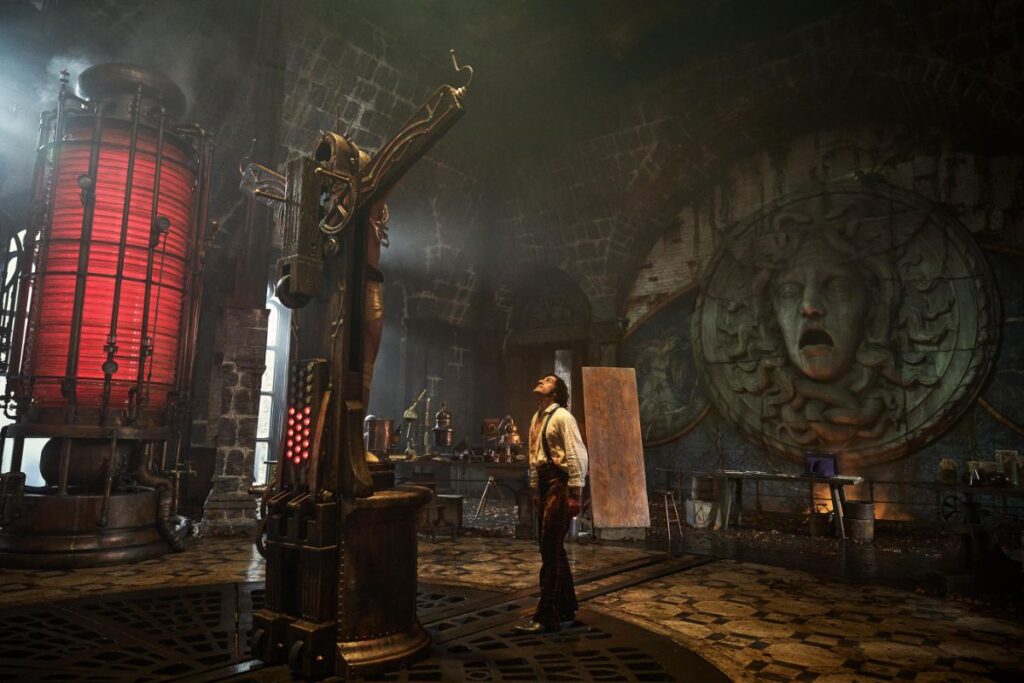
Guillermo del Toro’s Frankenstein. PHOTO: IMDB

What Is the History of the Venice Film Festival?

Born as the Exhibition of Cinematographic Art in 1932, Venice was the first film festival of its kind. Early screenings took place outdoors at the Hotel Excelsior, with awards decided by audience referendum. Yet its origins were entangled with politics: Giuseppe Volpi, a fascist minister, played a pivotal role in its creation, and by 1938, propaganda films like Leni Riefenstahl’s Olympia won top honors.


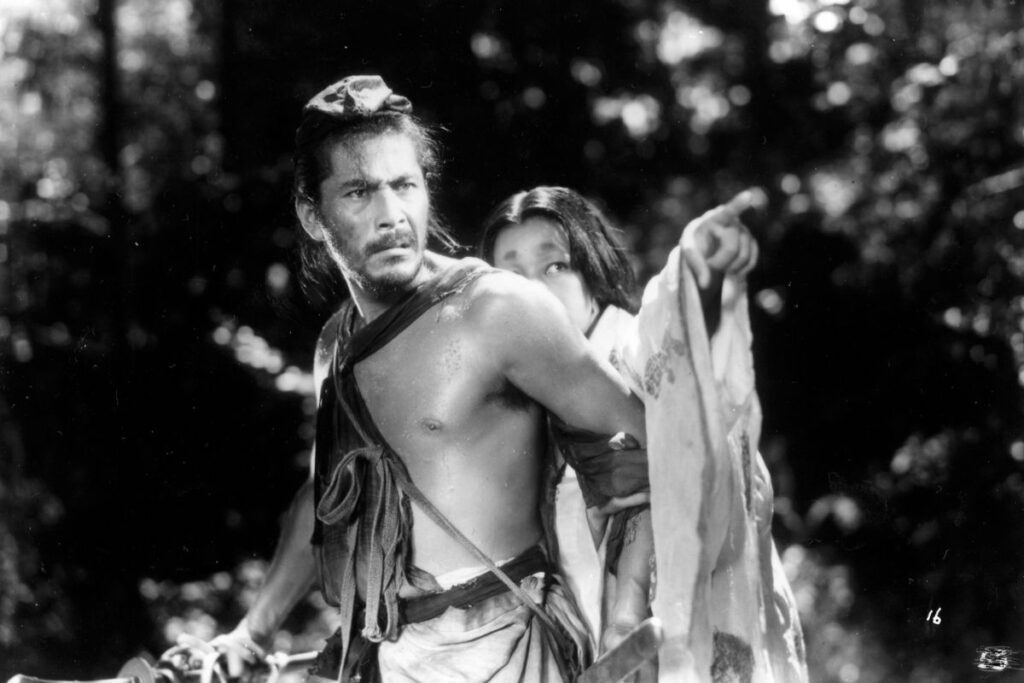
This manipulation spurred the birth of Cannes as a counter-festival, embedding Venice in a historical rivalry shaped by values of freedom and control. Post-WWII, Venice rebuilt itself on independence and credibility. In the 1950s, it crowned Kurosawa’s Rashomon, introducing Japanese cinema to the world. The festival experimented with non-competitive formats in the 1970s, honored Chaplin, and returned to its modern competitive structure in the 1980s.


Under current director Alberto Barbera, Venice balances auteur cinema with high-profile premieres. Today, it embodies both the purity of artistic discovery and the glamour of global industry.

Venice Film Festival
Rashomon (1951) by Akira Kurosawa. Photo: IMDB
Venice Film Festival
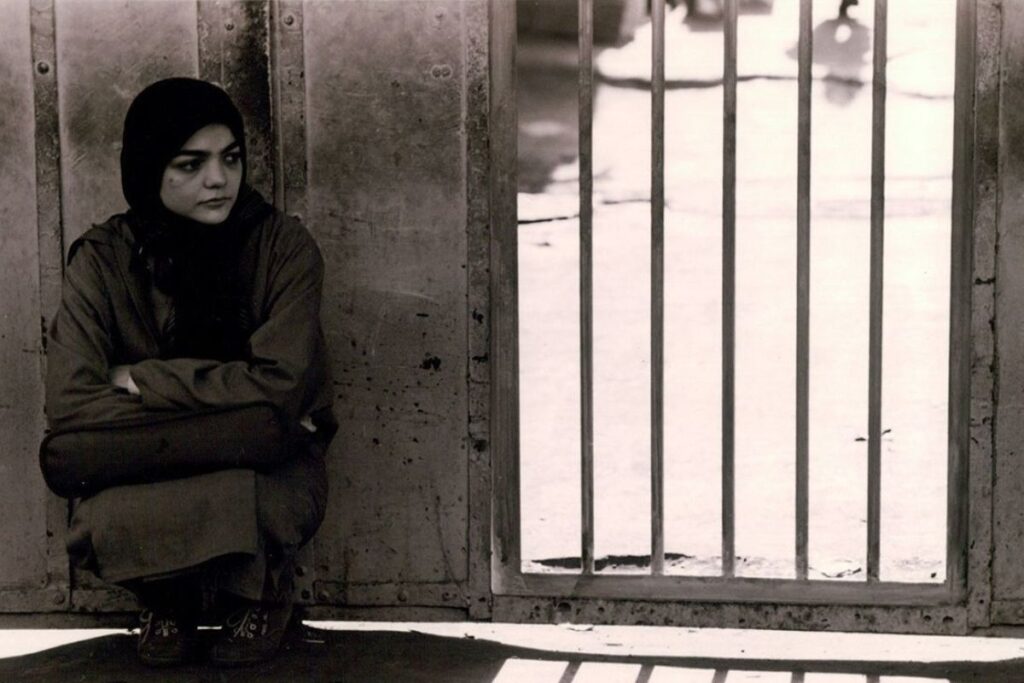
The Circle (2000) by Jafar Panahi. Photo: IMDB

Why Is the Venice Film Festival One of the World’s Most Important?

Three reasons define its supremacy:


  1. Freedom and Auteur Cinema – Venice provides space for politically charged, socially conscious works, from Fatih Akin’s The Cut to Walter Salles’ explorations of dictatorship. Its sections—Competition, Out of Competition, Orizzonti, and Giornate degli Autori—allow both experimental and commercial works to thrive.

  2. Oscars’ Gateway – The Mostra has become a launchpad for Academy Award winners. Recent examples include:

    • The Shape of Water (2017) – Best Picture & Best Director.

    • Roma (2018) – Best Director & Cinematography.

    • Joker (2019) – Best Actor & Best Score.

    • Nomadland (2020) – Best Picture & Best Director.

    • Poor Things (2023) – Emma Stone’s Oscar triumph.

  3. Cultural Dialogue – Venice is where streaming giants like Netflix proved their artistic legitimacy, and where debates on the future of cinema—art house vs. blockbuster, theatrical vs. digital—are staged with elegance and authority.

Venice Film Festival
The Shape of Water (2017) by Guillermo del Toro. Photo: IMDB

Which Films Have Made History at Venice?

The Golden Lion, the festival’s top prize, has honored films that redefined cinema:


  • Rashomon (1951) by Akira Kurosawa opened Western eyes to Japanese film.

  • The Circle (2000) by Jafar Panahi gave a voice to Iranian women.

  • The Shape of Water (2017) by Guillermo del Toro blended fantasy and politics into a modern fable.

  • Roma (2018) by Alfonso Cuarón legitimized Netflix as a force in world cinema.

  • Joker (2019) transformed the superhero genre into auteur cinema.

  • Nomadland (2020) by Chloé Zhao brought documentary realism to mainstream Oscars.

  • The Room Next Door (2024) by Pedro Almodóvar reaffirmed the festival’s devotion to auteur intimacy.

These winners are not just trophies—they are turning points in the cultural dialogue of cinema.

What Are the Most Anticipated Films of Venice 2025?

This year’s Official Competition lineup is dazzling, positioning Venice as both a cinephile’s dream and Hollywood’s launchpad:


  • Guillermo del Toro’s Frankenstein – A long-cherished passion project with Oscar Isaac and Jacob Elordi. Expect Gothic grandeur and awards-season buzz.

  • Yorgos Lanthimos’ Bugonia – A dark sci-fi comedy, reuniting Lanthimos with Emma Stone and adding Jesse Plemons. Another Golden Lion contender.

  • Noah Baumbach’s Jay Kelly – With George Clooney and Adam Sandler, Baumbach leans into comedic introspection.

  • Park Chan-wook’s No Other Choice – A violent spiral inspired by Donald Westlake’s The Ax, following his Decision to Leave.

  • Kathryn Bigelow’s A House of Dynamite – High-octane and politically charged, marking her bold return.

  • Jim Jarmusch’s Father Mother Sister Brother and Benny Safdie’s The Smashing Machine round out the competition with distinct auteur voices.

Beyond the competition:


  • Paolo Sorrentino’s La Grazia opens the festival with poetic flair.

  • Homenages abound: Werner Herzog receives the Golden Lion for Lifetime Achievement, Gus Van Sant is honored with the Campari Passion for Film, and Julian Schnabel premieres In the Hand of Dante.

With documentaries by Lucrecia Martel and Herzog, and daring newcomers in Orizzonti, Venice 2025 promises to be as layered as its lagoon setting.

Venice Film Festival
Guillermo del Toro’s Frankenstein. PHOTO: IMDB

The Venice Film Festival is both history and prophecy. It emerged from political shadows, reinvented itself as a bastion of artistic freedom, and evolved into the launchpad for global cinema’s biggest successes. Its winners shape culture; its premieres dictate awards seasons.


The 82nd edition in 2025 encapsulates everything the Mostra has become: a mirror of global cinema, a battleground of ideas, and a stage for beauty and disruption alike. As the lights dim on the Lido, the world’s eyes turn to Venice—knowing that what premieres here will echo across the industry.

FAQ

Receive the latest news

Subscribe To Our Magazine

Luster Magazine

Digital Magazine

Ingresa los siguientes datos y comienza a disfrutar de nuestra revista digital.