Design

Hotel ME Madrid Furniture Liquidation: A Strategic Shift

The Hotel ME Madrid Reina Victoria launches a bold furniture liquidation, blending design, history, and circular economy. Discover how strategy and sustainability align.

Por: Angela Leon Cervera
HOTEL ME MADRID
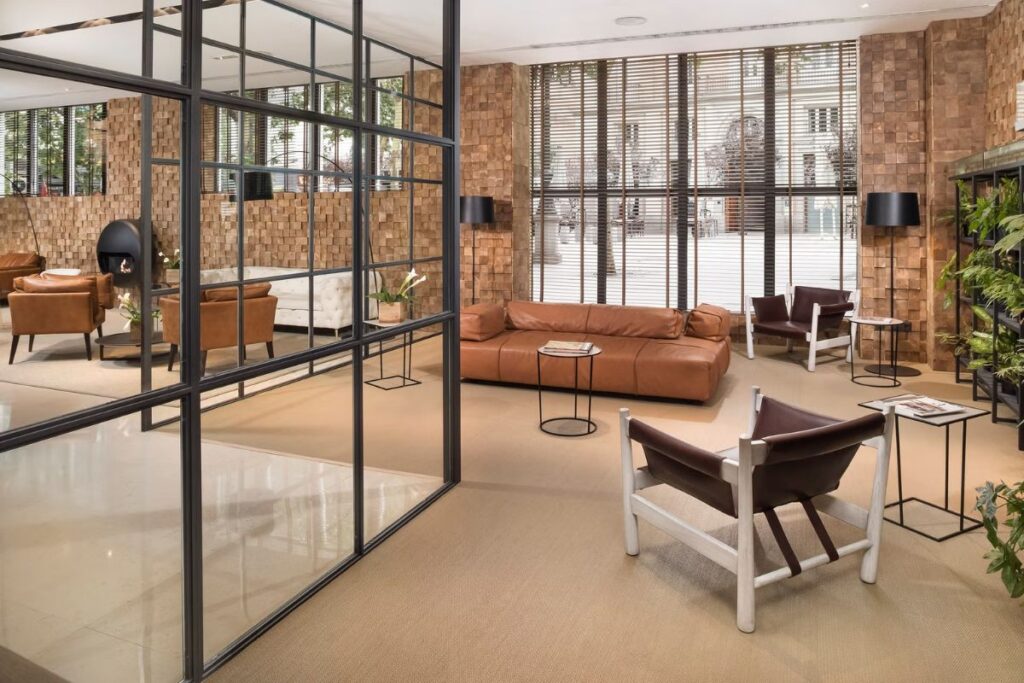
ME Madrid Reina Victoria. Courtesy of ME Madrid

The Hotel ME Madrid Reina Victoria, a jewel of Plaza de Santa Ana, is entering a new chapter—starting with the liquidation of more than 10,000 pieces of design furniture. Far from being a mere clearance, this operation is a calculated move that merges strategy, history, and sustainability into one cultural moment.


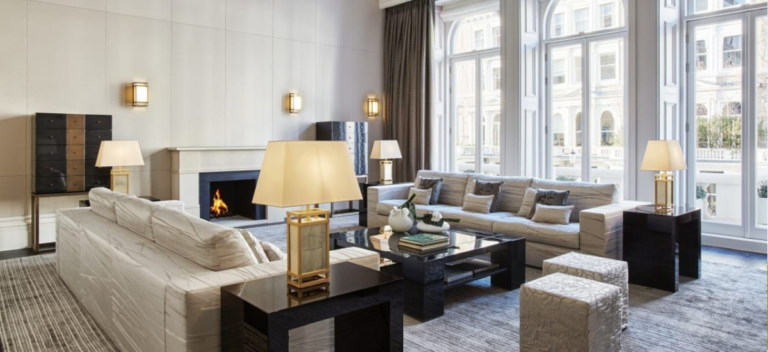
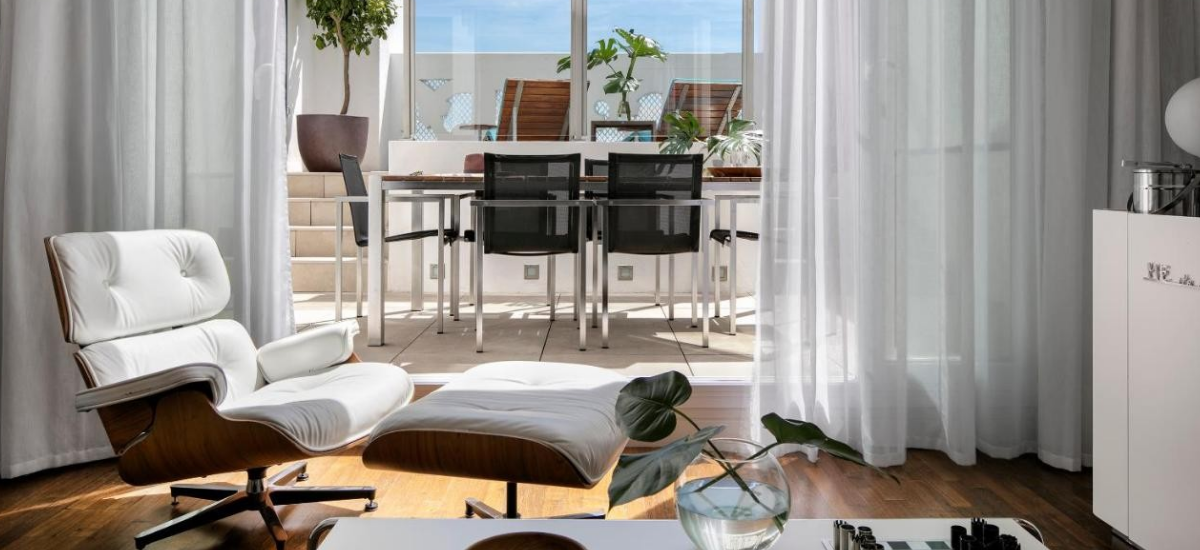
From September 5 to 7, the public will be able to purchase everything from Eames-inspired armchairs to designer headboards once priced at €11,000—now available for a fraction. Managed by sustainability startup ECO-ONE, this event reframes liquidation as a case study in the circular economy while giving everyday buyers the chance to take home a piece of Madrid’s luxury heritage.
Hotel ME Madrid
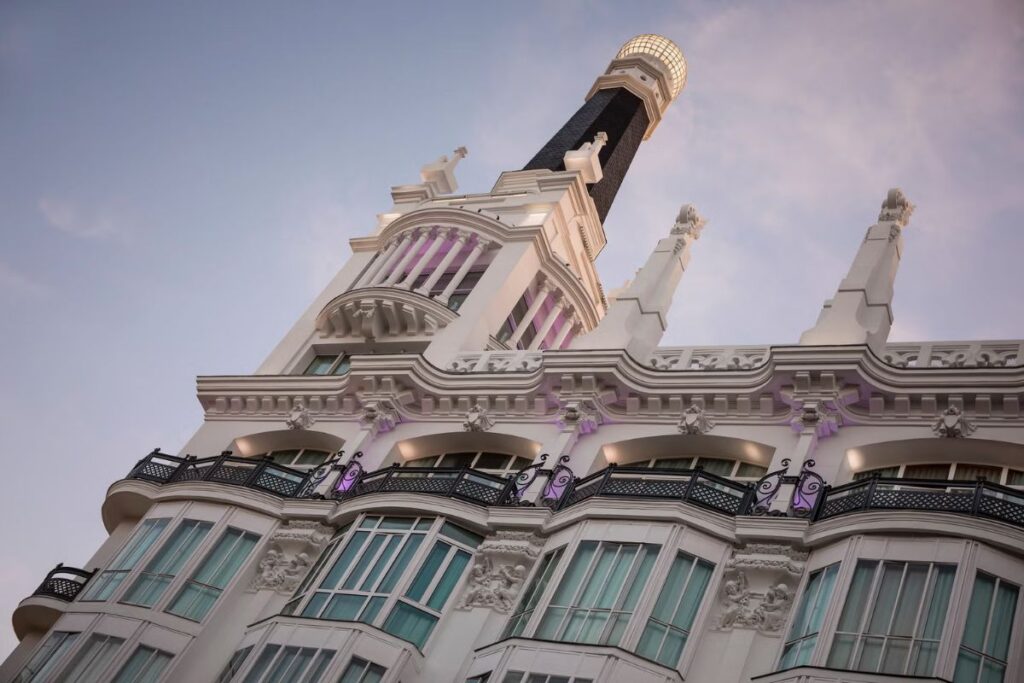
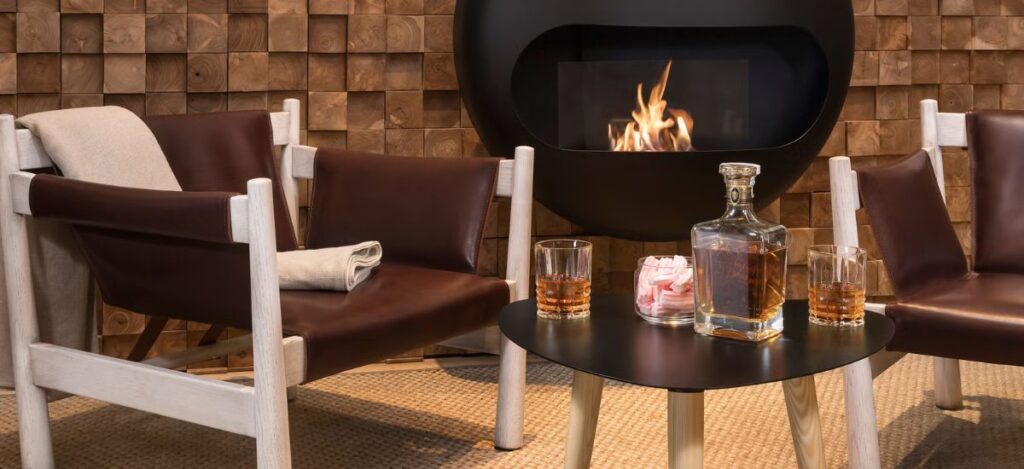
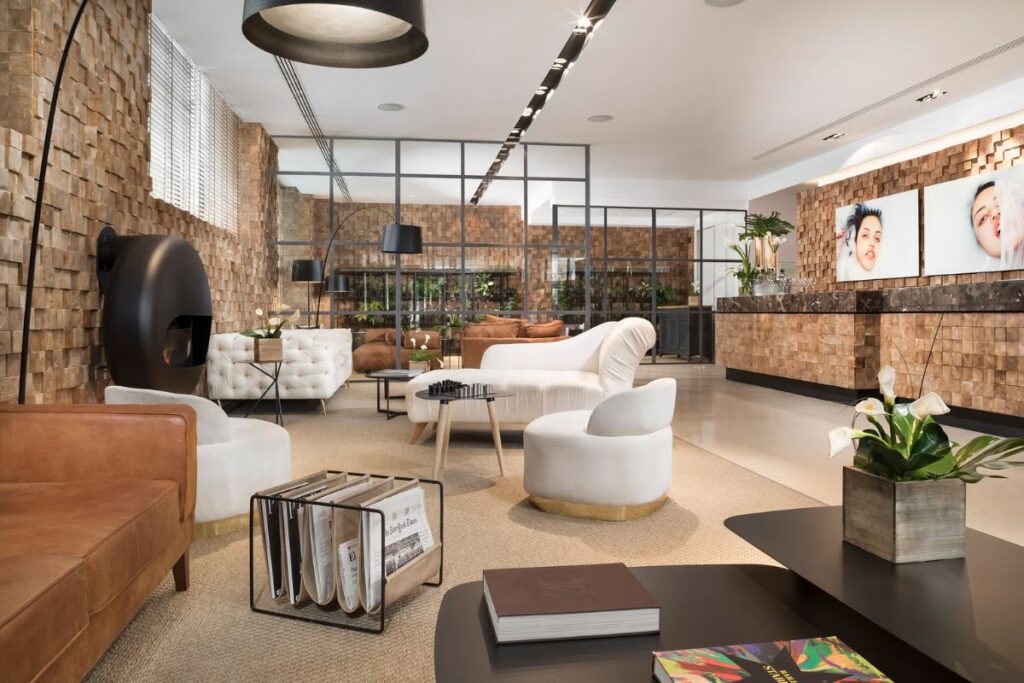
ME Madrid Reina Victoria. Courtesy of ME Madrid

Why Does the Hotel ME Madrid Furniture Liquidation Matter Historically?

The Reina Victoria is no ordinary building. Nicknamed the “hotel de los toreros” in the 20th century, it once hosted bullfighters preparing for Las Ventas. In 2006, it became the flagship of Meliá’s ME brand, redesigned by Keith Hobbs of United Designers into a space where curated music, contemporary art, and bold interiors fused into a lifestyle experience.


The current sale signals the end of Meliá’s management but not a retreat. With ADIA and Accor now in charge after a €600 million acquisition, the property is closing for a full renovation. Meanwhile, Meliá continues to expand ME globally with new openings in Malta and Lisbon, and promises a return to Madrid. This liquidation is thus less a goodbye than a transition into the next strategic cycle.

Hotel ME Madrid
ME Madrid Reina Victoria. Courtesy of ME Madrid
Hotel ME Madrid
ME Madrid Reina Victoria. Courtesy of ME Madrid

How Is the Hotel ME Madrid Furniture Liquidation Organized?

The event transforms a clearance into an experience:


  • Dates & Times:

    • Friday, Sept. 5: 16:00–21:00

    • Saturday & Sunday, Sept. 6–7: 10:00–20:30

  • Access: Free, no reservations. Entry by order of arrival.

  • Pick-up:

    • Small items immediately.

    • Larger furniture collected Sept. 9–10 or via home delivery in Madrid.

  • Showroom Format: ECO-ONE stages “mini-rooms” to let buyers imagine how each piece might fit their own homes—an IKEA-style walkthrough inside an iconic hotel.

This curated approach elevates the experience, turning what could be a dusty sale into a design fair that democratizes luxury.

What Can Buyers Expect from the Furniture on Sale?

The inventory reads like a catalog of modern design at deeply reduced prices:


  • Cushions and décor starting at €3

  • Globe lamps for €7.5

  • Wicker chairs at €20

  • Eames-style loungers for €60

  • 43-inch TVs for €70

  • Full beds with mattresses and frames for €150

Each item is a fragment of Hobbs’ 2006 vision, where minimal palettes, avant-garde art, and exclusive design redefined Madrid’s luxury hospitality. Today, these elements are accessible to students, families, and collectors alike, creating an unusual collision between exclusivity and affordability.


Why Is the Hotel ME Madrid Furniture Liquidation a Sustainability Milestone?

Behind the scenes is ECO-ONE, a Spanish startup pioneering circular solutions for hotels. By reinserting furniture into new cycles of use, they cut waste and carbon emissions: more than 2,500 tons of CO2 already avoided through past projects.


For ADIA and Accor, this is a reputational win: a visible, positive narrative about sustainability, rather than the silent disposal of assets. For the industry, it’s a model—proof that renovations and environmental responsibility can coexist profitably.

Hotel ME Madrid
ME Madrid Reina Victoria. Courtesy of ME Madrid

The Hotel ME Madrid Reina Victoria liquidation is more than a sale. It is a symbolic handover between eras, a bold experiment in circular economy, and a democratization of design. For buyers, it’s the chance to walk away with not just a lamp or a chaise longue, but a fragment of Madrid’s cultural memory. For the hospitality sector, it sets a precedent—where renewal, sustainability, and storytelling align in one powerful gesture.

FAQ

Receive the latest news

Subscribe To Our Magazine

Luster Magazine

Digital Magazine

Ingresa los siguientes datos y comienza a disfrutar de nuestra revista digital.