Design

Design Miami: Where Luxury Redefines Art and Design

Discover how Design Miami reshapes 21st-century luxury, uniting art and collectible design into a cultural and economic powerhouse.

Por: Angela Leon Cervera
Design Miami
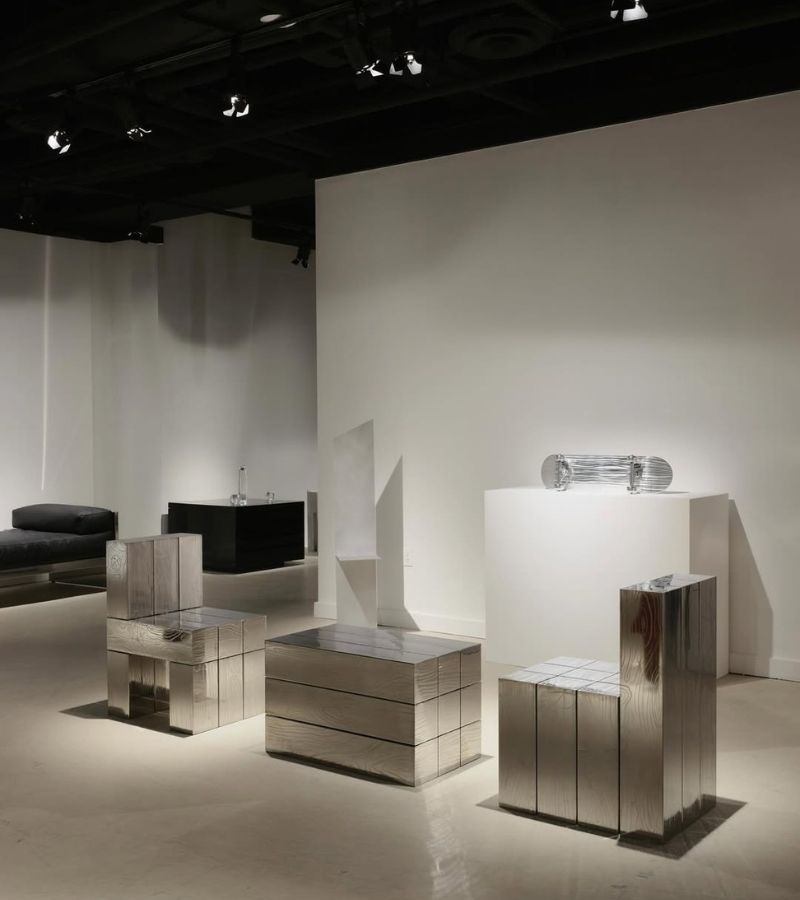
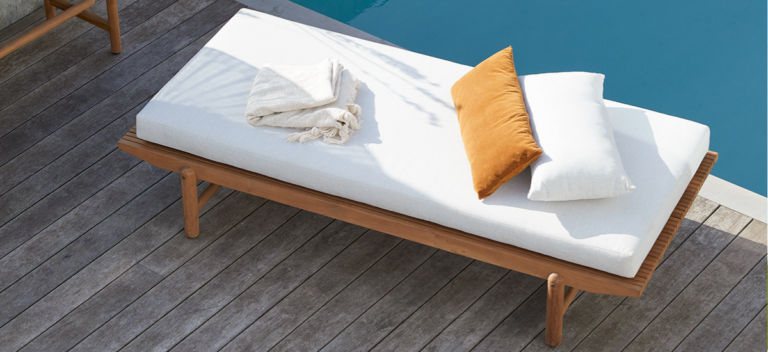
Design.Space. Pacific Design Center in Los Angeles. Courtesy of Design Miami and Elizabeth Carrabas

Luxury in the 21st century is no longer about gilded excess. Instead, it has become a language of authenticity, narrative depth, and emotional resonance. Beyond logos and prestige, true luxury now lies in limited-edition objects that tell stories and reframe spaces: collectible design. Nowhere is this evolution more evident than at Design Miami, the global epicenter where art and design converge.


More than a fair, Design Miami operates as a manifesto. It is a space where furniture, lighting, and objects transcend function to become cultural symbols—sculptural, performative, and profoundly original. Here, the new definition of luxury takes root: not mass-produced, but authored, exclusive, and alive with meaning.

Design Miami
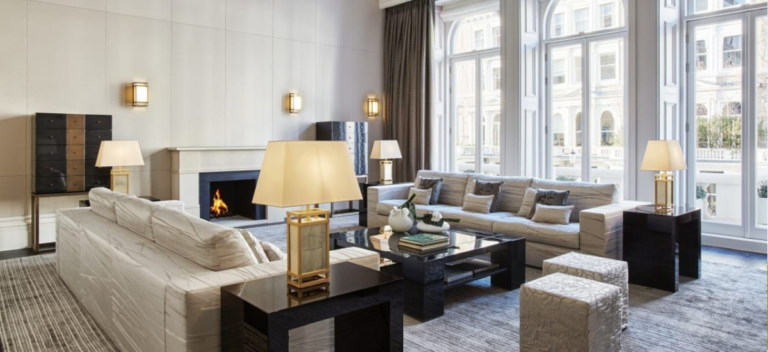
Design.Space. Pacific Design Center in Los Angeles. Courtesy of Design Miami and Elizabeth Carrabas

What Makes Design Miami Central to Collectible Design?

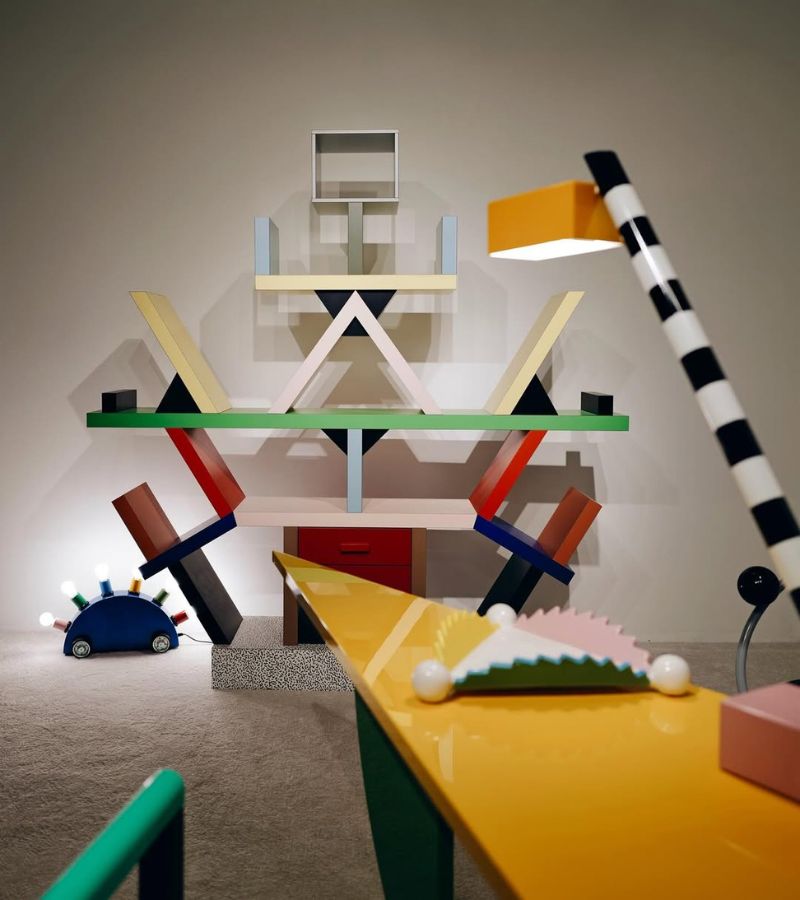
Historically, art and design were distant cousins—art, pure expression; design, utilitarian beauty. Yet, moments like Philippe Starck’s Juicy Salif juicer blurred those lines, hinting at a future where form could eclipse function. Collectible design has since taken this hybrid further: benches that are totems, lamps that are performance, wood and marble that carry their own poetic weight.


At Design Miami, such pieces are not simply shown—they are curated into narratives. The fair elevates designers to the status of authors, their works validated not for industrial viability but for artistry, craftsmanship, and emotional impact. Once exhibited, a piece gains provenance and secondary-market power, transforming into both an artwork and an investment.

Design Miami
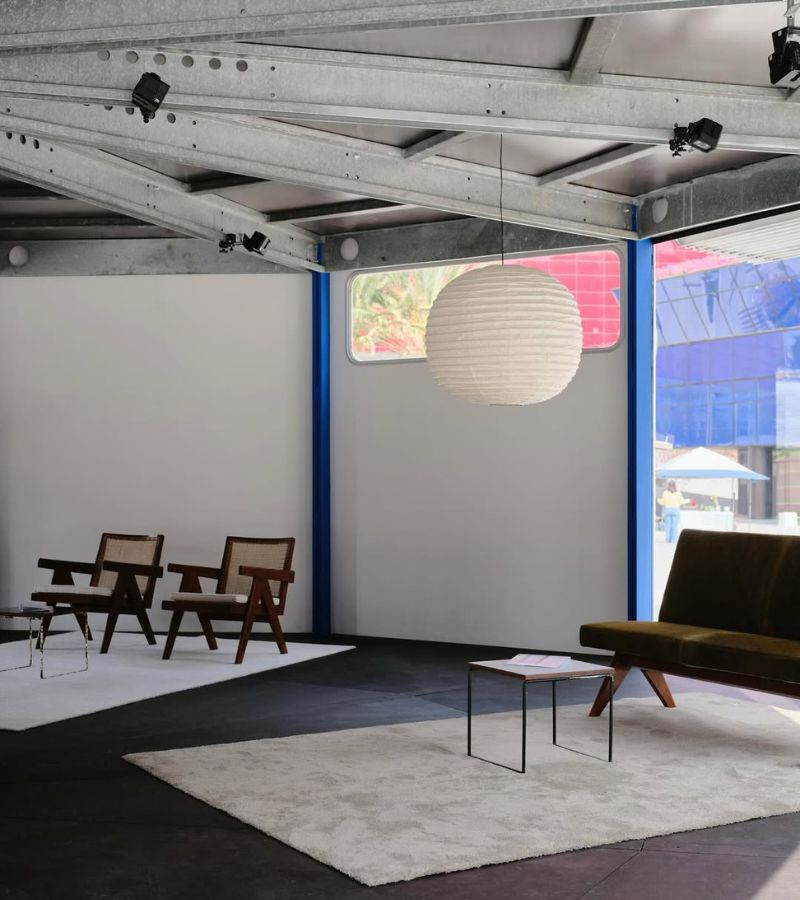
Design.Space. Pacific Design Center in Los Angeles. Courtesy of Design Miami and Elizabeth Carrabas
Design Miami
Design.Space. Pacific Design Center in Los Angeles. Courtesy of Design Miami and Elizabeth Carrabas

How Did the Miami Design District Spark This Global Shift?

The rise of Design Miami cannot be separated from the vision of Craig Robins and the rebirth of the Miami Design District. In the 1990s, this neighborhood was largely forgotten. Robins, a collector and developer, imagined something radical: a community where art, design, and architecture weren’t afterthoughts but the very DNA of urban renewal.


He curated the cityscape itself—installing Zaha Hadid’s Elastika and Buckminster Fuller’s Fly’s Eye Dome—before welcoming Dior, Louis Vuitton, and Hermès. By 2005, Robins co-founded Design Miami alongside Ambra Medda, synchronizing it with Art Basel. This synergy transformed Miami into a global creative capital, where luxury wasn’t just consumed but lived in architectural, cultural, and social form.

Who Is the New Collector of Design Miami?

The profile of luxury buyers has shifted dramatically. While dynastic wealth still anchors the market, millennials and Gen Z are increasingly visible—architects, creatives, and entrepreneurs drawn to pieces that define their spaces and their identities. For them, collectible design is both lifestyle and safe-haven investment.


Market trends back this up. In 2025, the design and decorative arts sector grew by 20.4%, with Lalanne’s whimsical creatures, Judy Kensley McKie’s animal benches, and Jean-Michel Frank’s minimalist cabinets fetching six- and seven-figure sums. A bench becomes a statement; a chair, a legacy.


This generation also demands sustainability. Unlike fast fashion, collectible design champions durability, artisanal techniques, and editions that stand against disposability. What might seem elitist is reframed as conscious luxury—objects bought not just for display, but for permanence and purpose.


Why Does Design Miami Matter for the Future of Luxury?

As the fair celebrates its 20th anniversary under the theme Make. Believe., it cements its status as more than a marketplace. It is a laboratory of cultural ideas—curation as validation, collaboration as experimentation, and sustainability as the new prestige.


The luxury of tomorrow lies not in opulence for its own sake, but in objects that embody authorship, memory, and intent. Design Miami has shown that design can be art, and art can be lived—not framed on a wall but embedded in daily rituals.

Design Miami
Design.Space. Pacific Design Center in Los Angeles. Courtesy of Design Miami and Elizabeth Carrabas

Design Miami is not just a stage for collectible design—it is the conductor of an entire cultural symphony. It bridges art and design, transforms neighborhoods into creative ecosystems, and redefines what luxury means in our time. By uniting narrative, craft, and exclusivity, the fair has shifted luxury from spectacle to substance.


As the movement evolves, Design Miami remains its compass—proving that true luxury is not about ownership, but about legacy, intention, and living surrounded by meaning.

FAQ

Receive the latest news

Subscribe To Our Magazine

Luster Magazine

Digital Magazine

Ingresa los siguientes datos y comienza a disfrutar de nuestra revista digital.