Design

Design Capitals: How Global Fairs Shape Interior Futures

Explore how Milan, Paris, Copenhagen, and Miami redefine interior design through iconic fairs, blending lifestyle, art, and innovation into global trends.

Por: Angela Leon Cervera
Design Capitals
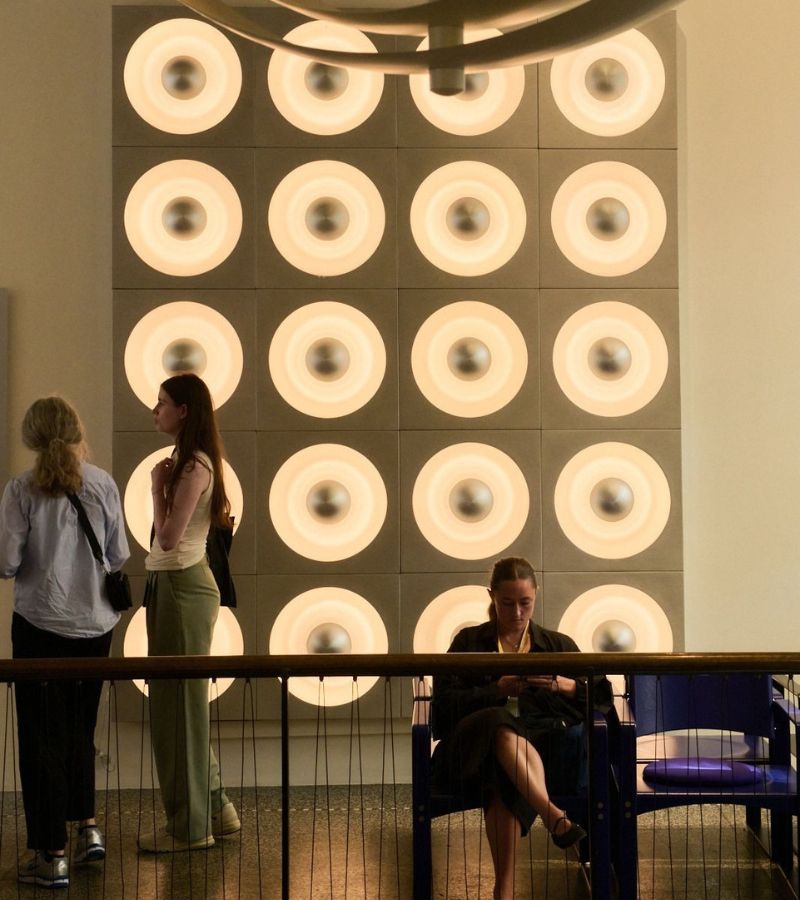
Paris Design Week. Photo: @parisdesignweek

In the twenty-first century, Design Capitals are no longer just cities with concentrated showrooms. They are dynamic cultural engines where fairs act as laboratories, pushing boundaries and dictating the rhythm of the interior design industry.


Milan, Paris, Copenhagen, and Miami form a network of distinct yet interconnected nodes. Each city has sculpted its flagship event around its own heritage—Milan fuses architecture with conceptual daring, Paris curates the “art de vivre,” Copenhagen champions humanist functionality, and Miami transforms design into an art market asset. Together, they orchestrate a dialogue that is shaping the future of interiors as both lifestyle and investment.

Design Capitals
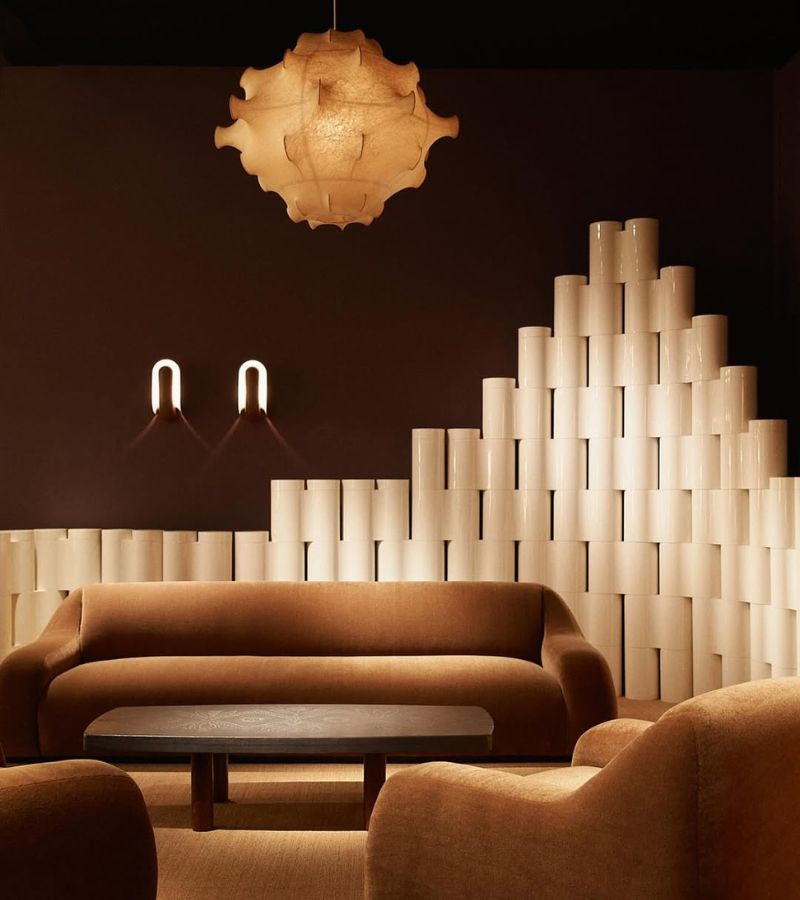
Salone Satellite. Photo: @isaloniofficial

Why is Milan Still the Beating Heart of Design Capitals?

Milan remains the epicenter thanks to its powerful dual format: Salone del Mobile and Fuorisalone. The former is a global marketplace of nearly two thousand exhibitors, while the latter transforms the city into an open-air festival of installations, exhibitions, and immersive encounters.


  • Philosophy: design as total immersion, blurring the line with architecture.

  • Trends: technology as poetry (e.g., Euroluce’s emotional lighting), regenerative design showcased at Alcova, and a celebration of imperfection through artisanal processes.

  • Impact: Milan has forced other fairs to reconsider their formats, proving that commerce can thrive alongside cultural experimentation.


How Does Paris Curate the “Art of Living”?

Paris leverages Maison & Objet and Paris Design Week to create a holistic lifestyle narrative. Unlike Milan’s conceptual rigor, Paris thrives on hedonism, detail, and storytelling.


  • Maison & Objet: biannual trade show spanning furniture, fragrances, textiles, and tableware—positioning interiors as lifestyle ecosystems.

  • Paris Design Week: turns the city into a creative canvas, elevating emerging talents and global voices, from Nordic minimalism to Ukrainian boldness.

  • Philosophy: wellness through pleasure, humor, and maximalist joy—design as an emotional release in uncertain times.

Here, products are not just purchased but adopted as philosophies of life, making Paris the curator of design as lifestyle expression.

Design Capitals
Paris Design Week. Photo: @parisdesignweek
Design Capitals
3daysofdesign2025. Photo: @3daysofdesign

Why Is Copenhagen’s 3daysofdesign Redefining Accessibility?

Copenhagen’s 3daysofdesign offers a radically different model: decentralized, human-scaled, and open to all. The entire city becomes an exhibition space, with brands inviting visitors into studios and showrooms.


  • Philosophy: authenticity, functionality, and the warmth of Scandinavian hygge.

  • Trends: natural materials, neutral palettes, and furniture that elevates quality of life.

  • Impact: by integrating design with urban life—bike rides between venues included—the festival proves influence can be achieved through authenticity rather than sheer scale.

This model positions Copenhagen as a champion of design at eye level, a festival that is as much about community as it is about products.


How Has Miami Elevated Design into a Collectible Market?

Unlike the other capitals, Miami thrives through Design Miami/, an elite fair staged in parallel with Art Basel. Here, design is presented not as functional décor but as collectible art with museum-grade value.


  • Philosophy: legitimizing design as a financial and cultural asset.

  • Impact: with over $500 million in economic activity tied to Art Basel week, Miami anchors design firmly in the luxury investment ecosystem.

  • Trends: rare pieces, experimental curatorial dialogues (via programs like Design at Large), and themes that frame design as both avant-garde and timeless.

Miami’s role is less about mass exposure and more about validation—defining what the global elite and galleries will deem future-worthy.

What Does the Global Dialogue Between Design Capitals Reveal?

Far from competing, these four Design Capitals operate as interdependent nodes in a creative ecosystem.


  • Shared currents: sustainability, artisanal revival, and cross-pollination with fashion and art.

  • Circulating talent: a designer might debut at Paris Design Week, be elevated conceptually in Milan, validated as collectible in Miami, and embraced as human-scaled authenticity in Copenhagen.

This cycle creates a virtuous loop of influence that ensures interior design remains dynamic, relevant, and globally resonant.

Design Capitals
Paris Design Week. Photo: @parisdesignweek

Milan, Paris, Copenhagen, and Miami demonstrate that the future of interiors is forged through dialogue, not dominance. Their fairs don’t just showcase objects—they script philosophies, forge communities, and legitimize design across cultural and economic spheres.


As sustainability, technology, and well-being become non-negotiable, the true power of these Design Capitals lies in their ability to merge heritage with innovation. Interior design has thus evolved into a global cultural phenomenon: immersive, emotional, and deeply purposeful.

FAQ

Receive the latest news

Subscribe To Our Magazine

Luster Magazine

Digital Magazine

Ingresa los siguientes datos y comienza a disfrutar de nuestra revista digital.