Art

Wellness Collections: The Healing Power of Contemporary Art

Discover how contemporary art fosters emotional healing, from immersive installations to therapeutic museum programs that redefine wellness.

Por: Angela Leon Cervera
Contemporary Art
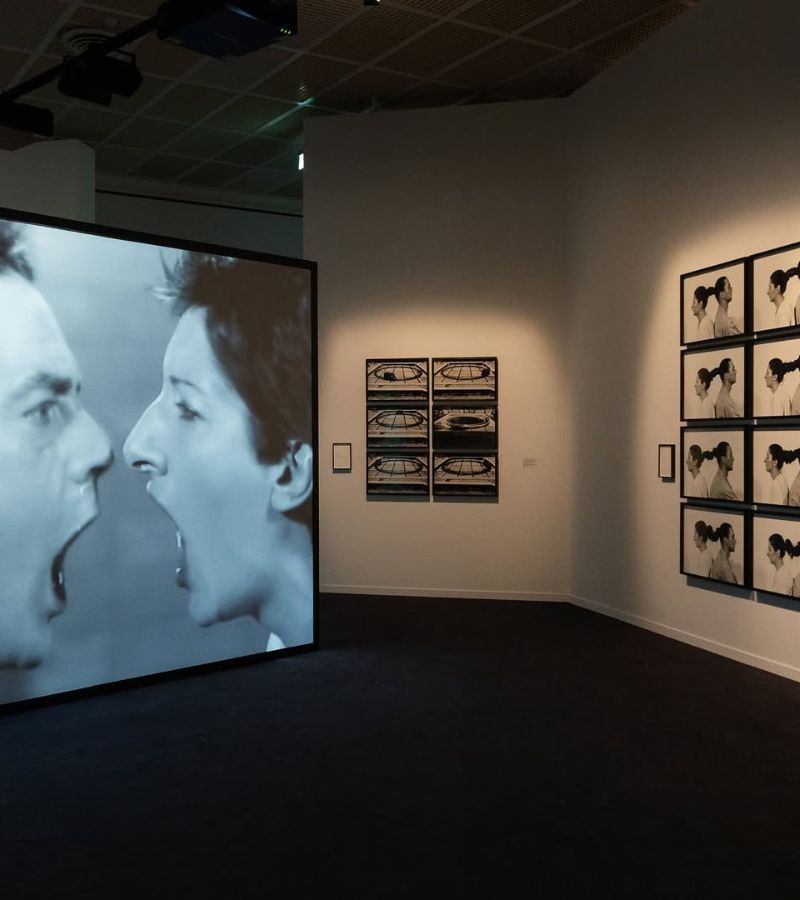
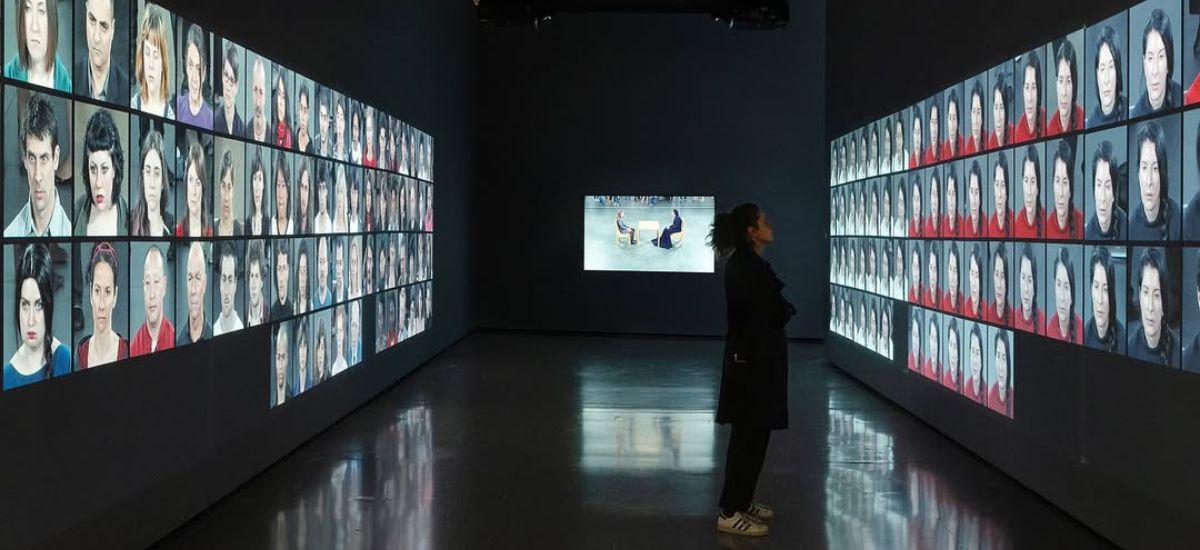
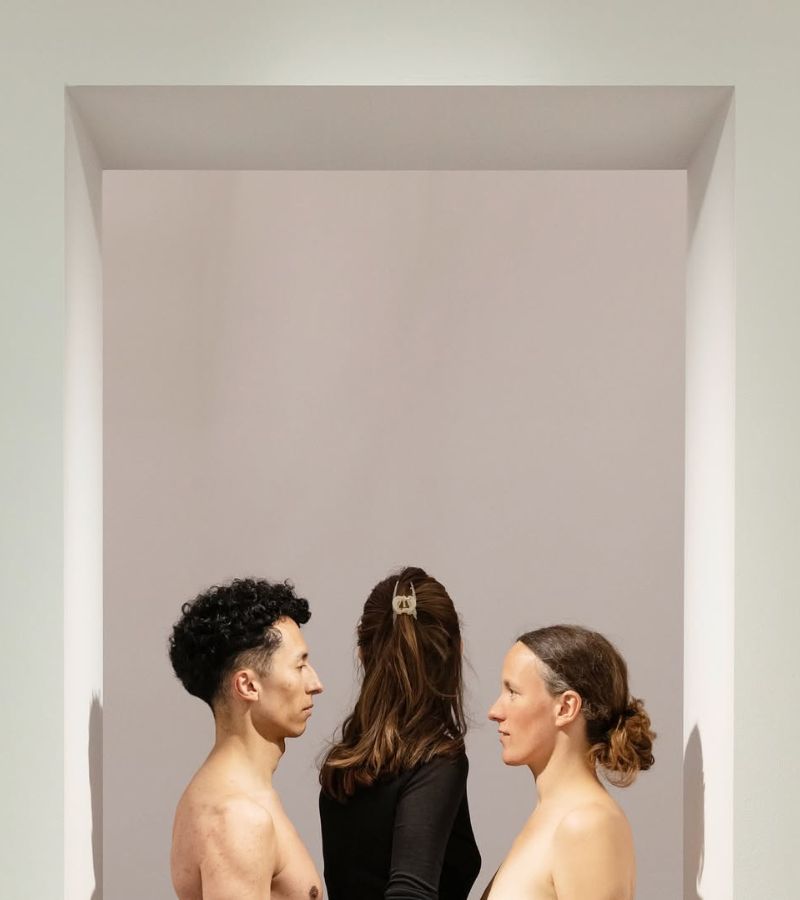
Marina Abramović’s first comprehensive retrospective in Switzerland. The Kunsthaus Zürich. Photo: @abramovicinstitute

Contemporary art is not just a mirror of our times—it is an active participant in how we process, reflect, and heal. Defined by its immediacy and refusal to adhere to tradition, contemporary art embraces multiplicity: of media, of identity, of purpose. It offers both confrontation and comfort, challenging perceptions while also holding space for emotional introspection.


More than ever, the “now” matters. Unlike classical art, which might soothe through timeless beauty, contemporary works often dive headfirst into the rawness of modern life—into mental health, trauma, and healing. As a result, art transforms from passive object to active catalyst, inviting its audience to co-create meaning and emerge renewed.
Contemporary Art
Marina Abramović’s first comprehensive retrospective in Switzerland. The Kunsthaus Zürich. Photo: @abramovicinstitute

How Do Contemporary Artists Explore the Link Between Body, Emotion, and Healing?

Marina Abramović: Radical Presence as Ritual

  • Rhythm 0, Thomas Lips, and The Artist is Present redefine what it means to be vulnerable.

  • Abramović’s practice uses sensory deprivation, silence, and stillness to confront psychological pain.

  • Her Abramović Method centers on extreme mindfulness, pushing audiences to reconnect with their inner selves through meditative performance.

  • Her work with minerals and installations like Shoes for Departure and Generator extend her practice into the spiritual realm.

Insight: For Abramović, true healing may arise not from comfort, but from radical exposure and surrender.

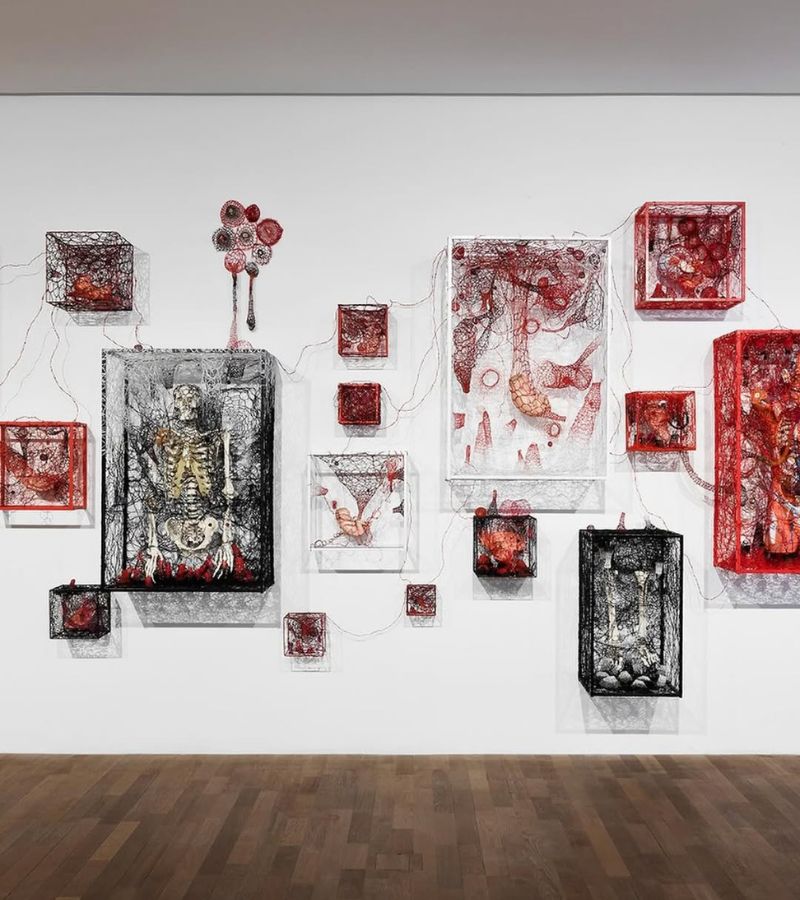
Chiharu Shiota: Webs of Memory and Quiet Resilience

  • Shiota’s installations use thread to symbolize absence, memory, and identity.

  • Works like Trauma/Alltag and her intervention at Fundació Tàpies surround viewers with tactile metaphors for loss and connection.

  • Her art deals with themes of illness and mortality through a distinctly Eastern, meditative lens.

Insight: Healing, for Shiota, lies in acknowledging how even absence leaves its mark—and how fragile threads, when woven together, can hold us.

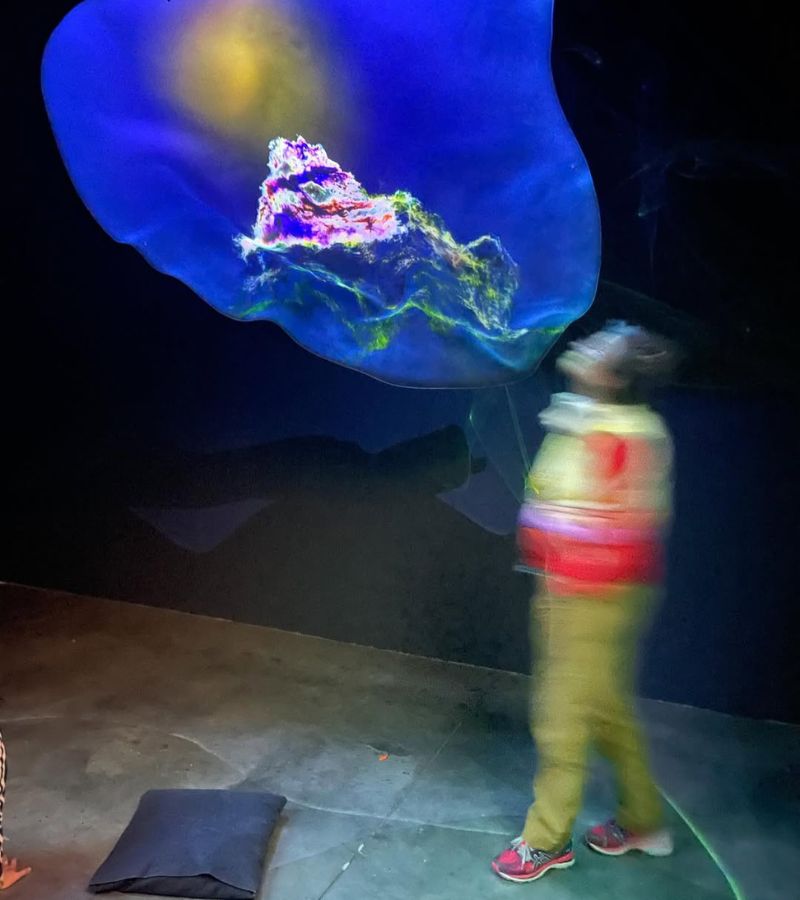
Pipilotti Rist: Sensory Pleasure as Feminist Self-Care

  • With works like Homo sapiens sapiens 5 alas and I’m Not the Girl Who Misses Much, Rist celebrates the body, sensuality, and imperfection.

  • Her colorful, immersive installations create sanctuaries for joyful self-acceptance.

  • Rist’s aesthetic—high femme, playful, irreverent—transforms vulnerability into radical delight.

Insight: Wellness can be luminous and lush. In Rist’s hands, pleasure becomes a form of protest and a pathway to self-love.

Contemporary Art
Return to Earth. Chiharu Shiota. Photo: Courtesy Gana Art Seoul
Contemporary Art
Pipilotti Rist. Photo: @pipilotti_rist_studio

What Are Institutions Doing to Bridge Art and Public Mental Health?

Museums as Healing Spaces

  • The Phillips Collection pioneered art-for-wellness programs as early as 1921. Today, it offers creative aging, meditation, and veteran-focused art therapy.

  • Whitney Museum of American Art collaborates with NYU Langone and NYC Health + Hospitals to train empathy and support care workers through curated experiences.

Exhibitions with Therapeutic Intent

  • The 2023 Thyssen-Bornemisza exhibit, Arte y Salud Mental, digitally altered Old Masterworks to reflect disorders like depression and eating disorders, sparking vital public conversations.

  • Fundación ONCE’s IX Biennial, titled Caminos de Resiliencia, presents works by disabled artists exploring trauma, stigma, and recovery.

Insight: These initiatives are not art “about” health—they are art for health, weaving healing into the very experience of viewing.

How Is Art Therapy Becoming a Legitimate Wellness Modality?

From Studio to Clinic

  • Programs like Art & Creativity for Healing (ACFH) use the certified Art4Healing® method for guided emotional release.

  • The Instituto Arte de la Sanidad trains professionals in integrated healing techniques, recognized by national education authorities.

  • The National Center for Creative Aging promotes community wellness through artistic engagement.

Key Therapeutic Outcomes

  • Stress reduction

  • Emotional expression

  • Community building

  • Self-awareness and empowerment

Insight: The intersection of clinical science and creative expression is not a fringe movement—it’s becoming central to how we define holistic care.

Contemporary Art
Marina Abramović’s first comprehensive retrospective in Switzerland. The Kunsthaus Zürich. Photo: @abramovicinstitute

Contemporary art invites us not just to see, but to feel. Artists like Abramović, Shiota, and Rist show us that the body is not just a subject—it’s a site of transformation. Institutions and art therapy practitioners confirm that healing is no longer confined to clinics; it is woven into installations, galleries, and guided creative acts.


In an age defined by overstimulation and disconnection, contemporary art becomes the wounded healer—flawed, vulnerable, deeply human, and immensely powerful. It doesn’t offer escape. It offers engagement. And in that engagement, we may find exactly what we didn’t know we needed.


Explore the wellness collections. Enter the artwork. Exit transformed.

Key information

Receive the latest news

Subscribe To Our Magazine

Luster Magazine

Digital Magazine

Ingresa los siguientes datos y comienza a disfrutar de nuestra revista digital.