Art

Portrait of Dr. Gachet: Art, Record, and Mystery

Vincent van Gogh’s Portrait of Dr. Gachet made history at a 1990 auction—and then vanished. Explore its artistic weight, record sale, and baffling disappearance.

Por: Angela Leon Cervera
Portrait of Dr. Gachet
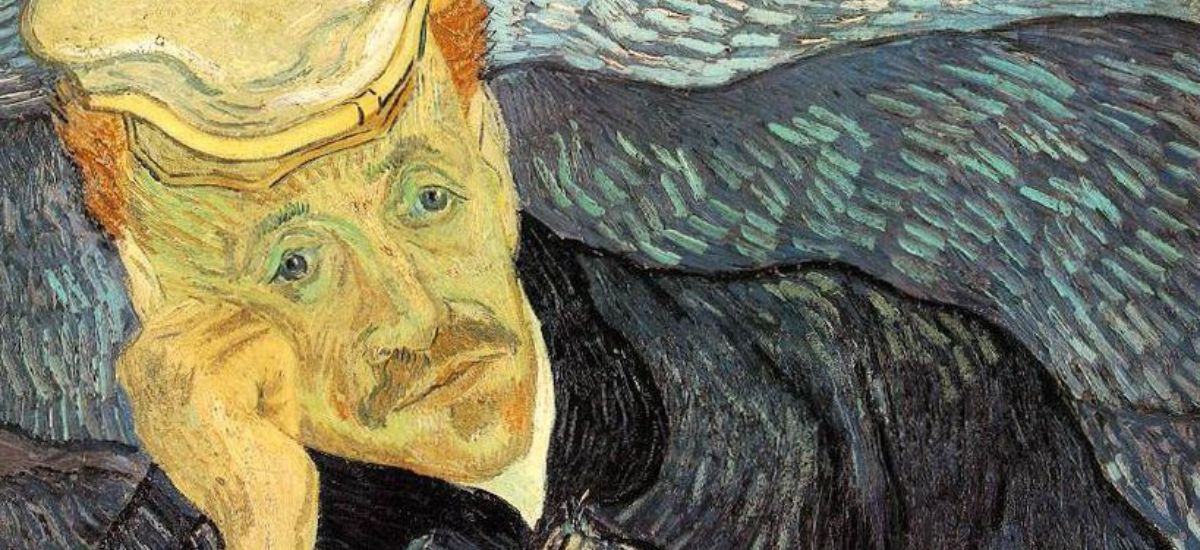
This painting is the first version of this motif Portrait of Dr. Gachet was painted in June 1890 at Auvers-sur-Oise, during the last months of van Gogh's life.

Few canvases capture genius and gloom like Vincent van Gogh’s Portrait of Dr. Gachet. Painted in June 1890, the work distills the artist’s final, feverish weeks and his bond with the melancholic physician Paul Gachet.


Within a century, that intimacy became an economic lightning rod: the portrait shattered auction records in 1990—only to slip into the shadows, sparking decades of speculation over its fate.
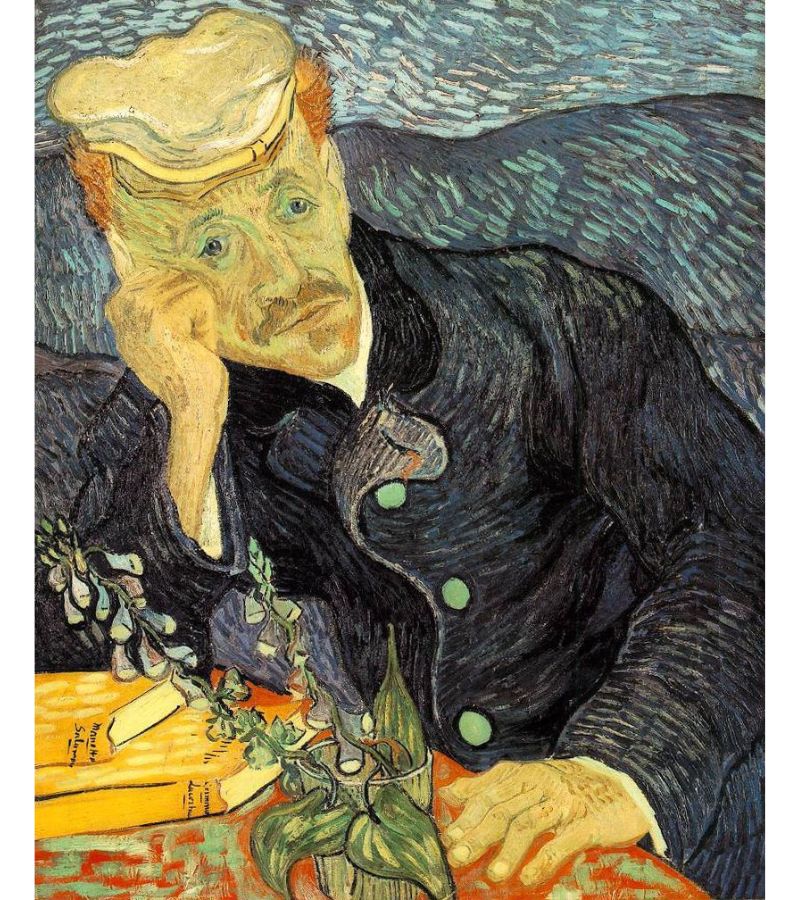
Portrait of Dr. Gachet
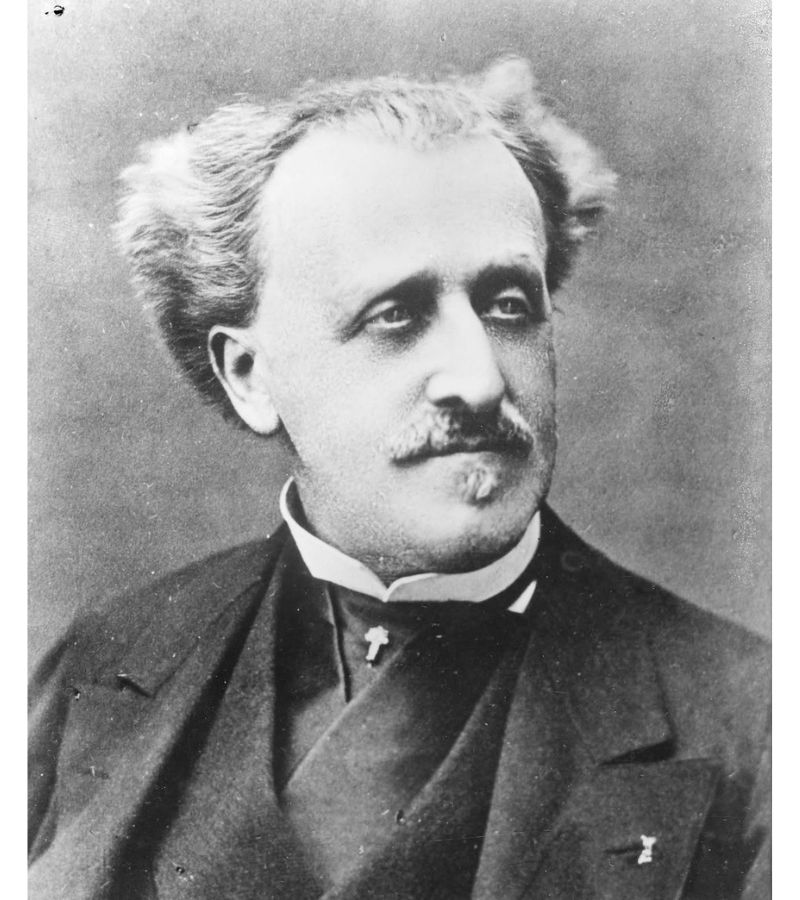
Dr. Paul Gachet

Why Is the Portrait of Dr. Gachet Historically Crucial?

  • Snapshot of Van Gogh’s psyche. Swirling brushstrokes and muted blues mirror the artist’s mental turmoil during his last months in Auvers-sur-Oise.

  • Symbolic props. The foxglove sprig (source of digitalis) nods to Gachet’s medical practice—and Van Gogh’s fragile health.

  • Dual melancholy. Van Gogh initially wrote Gachet was “sicker than I,” yet soon called him “another brother,” embedding shared vulnerability in the sitter’s weary gaze

  • Cultural barometer. Declared “degenerate” by the Nazis, confiscated, sold, and reclaimed, the painting charts twentieth-century upheavals in politics, taste, and restitution debates.

Portrait of Dr. Gachet
Van Gogh. Portrait of Dr. Gachet
Portrait of Dr. Gachet
Portrait of Dr. Gachet (second version). Is currently on display at the Musée d'Orsay in Paris, France

How Did the Portrait of Dr. Gachet Break Auction Records in 1990?

On 15 May 1990, Christie’s New York expected $40–50 million. Bidders blasted past that in three minutes; the hammer fell at $82.5 million, the highest price ever paid for a painting at the time.


Key flashpoints

  1. Global market fever – Late-1980s Japanese investment poured into blue-chip art, inflating prices.

  2. The buyer’s bravado – Paper magnate Ryoei Saito famously joked about being cremated with the painting, fanning media frenzy.

  3. Record ripple effect – The sale realigned valuations for Impressionist and Post-Impressionist works, ushering in an era of eight-figure benchmarks.

Where Has the Portrait of Dr. Gachet Gone—And Who Owns It Now?

The painting left the public eye after Saito’s death in 1996. Since then, its trail resembles a noir subplot:


  • 1998 (approx.) – Sold privately to Austrian hedge-fund manager Wolfgang Flöttl.

  • Early 2000s – Flöttl’s financial woes trigger another discreet sale.

  • 2010s-Present – Art-market insiders trace it to an Italian collector living in Lugano, nicknamed “The Lugano Man,” whose heirs reportedly keep the work in Switzerland amid potential Nazi-era restitution claims.

Why the cloak-and-dagger?

  • Heirs face hefty inheritance taxes and may prefer quiet asset management.

  • Pending provenance challenges from the Koenigs family deter public loans.

  • High-value collectors often shun publicity for security and privacy.

The Städel Museum, once the painting’s proud guardian, displayed its empty frame in 2019—an eloquent reminder of how cultural treasures can vanish into private vaults.

Portrait of Dr. Gachet
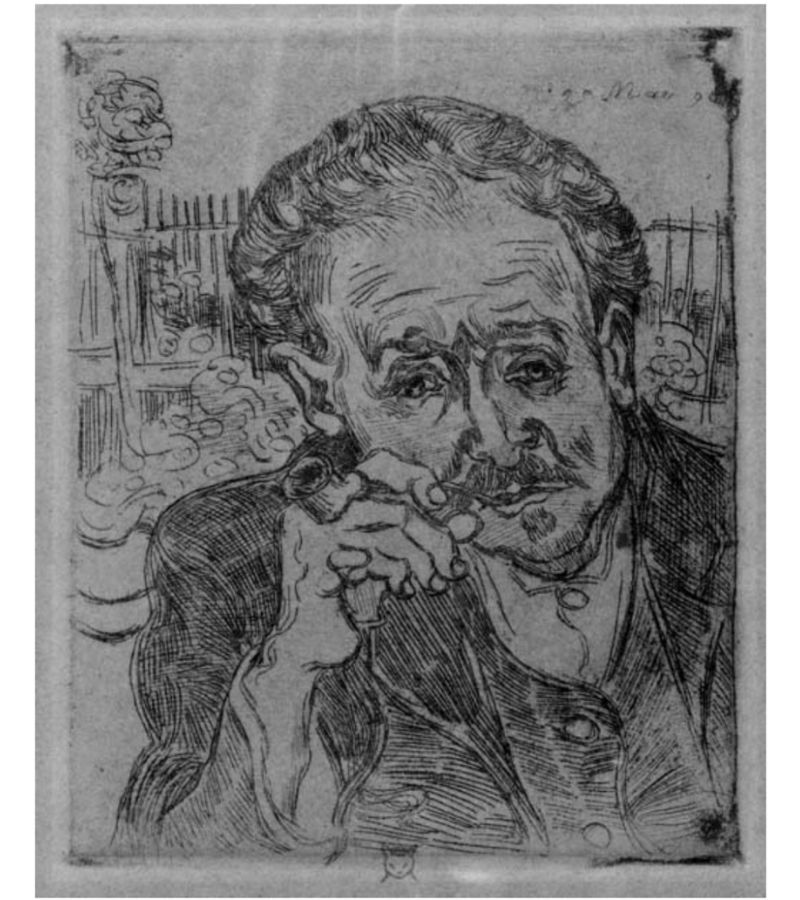
Vincent Van Gogh. L'Homme à la pipe: Portrait of Dr. Gachet. Auctioned by Christie’s in November 2000 for $65.8 thousand. Courtesy of Christie's

Portrait of Dr. Gachet embodies art’s paradox: intensely personal yet globally coveted, priceless yet tradable, celebrated yet unseen. Its brushstrokes whisper Van Gogh’s last hopes, while its modern saga exposes the tensions between private ownership and public heritage. Until the canvas emerges again, the legend only grows—proof that absence can amplify allure.

FAQ

Receive the latest news

Subscribe To Our Magazine

Luster Magazine

Digital Magazine

Ingresa los siguientes datos y comienza a disfrutar de nuestra revista digital.