Art

Louvre Nouvelle Renaissance: Reimagining a 21st-Century Icon

Inside the Louvre Nouvelle Renaissance, a ten-year, $946 million overhaul poised to ease overcrowding, move the Mona Lisa, and future-proof the world’s busiest museum.

Por: Angela Leon Cervera
Louvre Nouvelle Renaissance
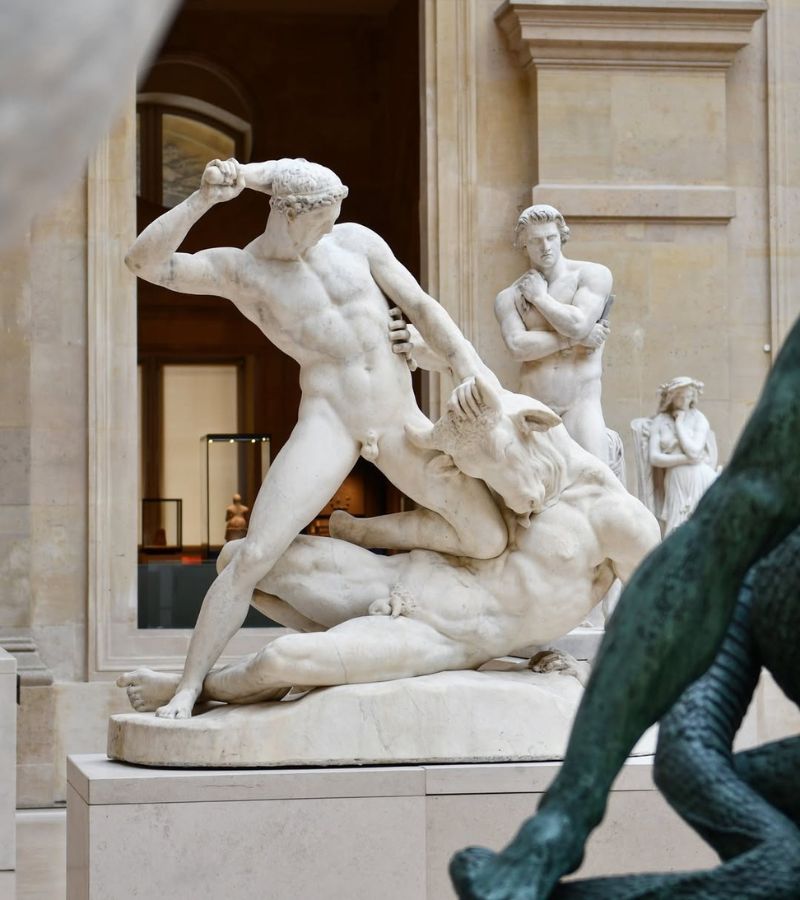
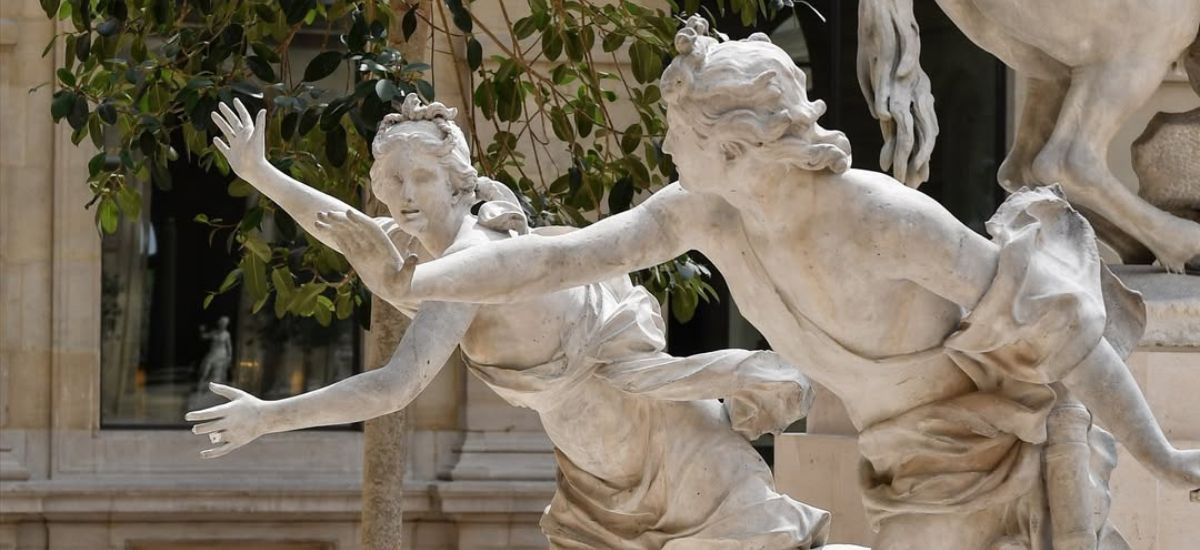
The Cour Marly. Musée du Louvre. Photo: © Musée du Louvre / Nicolas Bousser

The Louvre Nouvelle Renaissance is more than a facelift—it is a full-scale reinvention of a palace already bursting at the seams. Announced by President Emmanuel Macron and director Laurence des Cars, the decade-long plan targets the museum’s greatest paradox: its global popularity is slowly suffocating it.


Eight-point-seven million guests thronged the galleries last year, queuing under I. M. Pei’s glass pyramid built for half that crowd. Visitors describe the pilgrimage as a “physical ordeal,” while staff staged walkouts over heat, leaks, and relentless throngs.
Louvre Nouvelle Renaissance
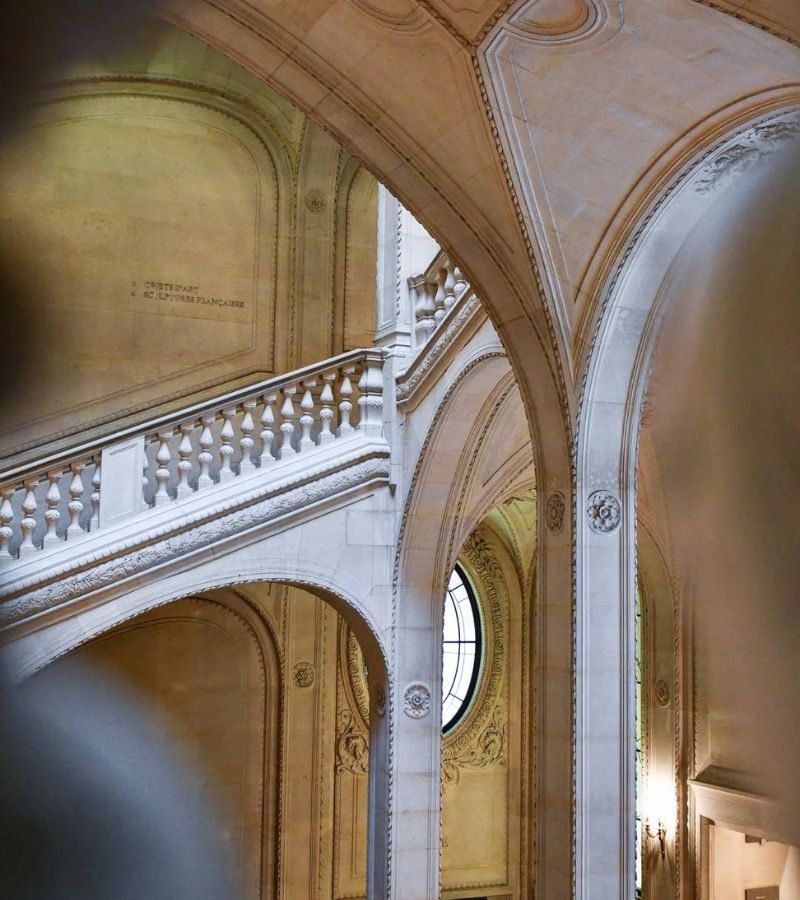
Lefuel staircase. Photo: © Musée du Louvre / Nicolas Bousser

Why Does the Louvre Need a Nouvelle Renaissance Now?

  • Overcrowding: A single entrance funnels 30 000 people daily, creating bottlenecks and frayed nerves.

  • Aging fabric: Parts of the nine-century complex are no longer watertight; temperature swings threaten masterpieces.

  • Staff fatigue: Chronic understaffing and heat led to a one-day closure in June 2025.

Short answer: the building—and the people inside—can’t wait another decade.

Louvre Nouvelle Renaissance
The Sully Wing. Musée du Louvre. Photo: © Musée du Louvre / Nicolas Bousser
Louvre Nouvelle Renaissance
The Cour Puget. Musée du Louvre. Photo: © Musée du Louvre / Nicolas Bousser

How Will the Mona Lisa’s New Gallery Change the Game?

Moving the planet’s most-photographed painting underground sounds drastic, yet it solves three problems at once:


  1. Crowd control: A stand-alone, timed-entry gallery under the Cour Carrée decouples Mona-mania from general traffic.

  2. Revenue boost: The separate ticket adds a new income stream to fund further upgrades.

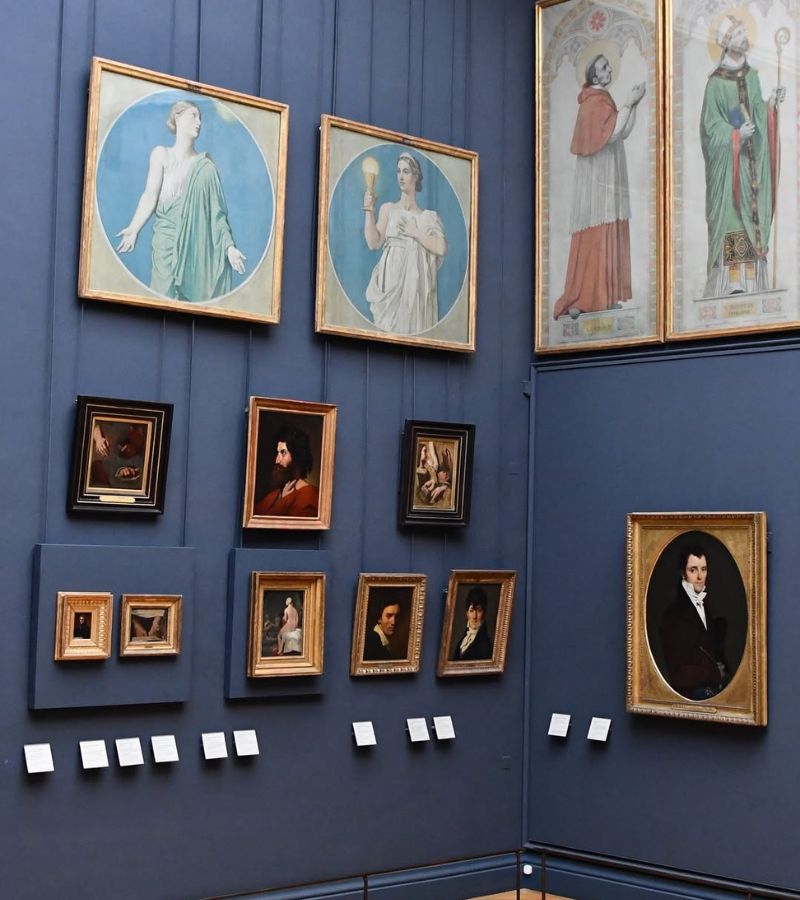
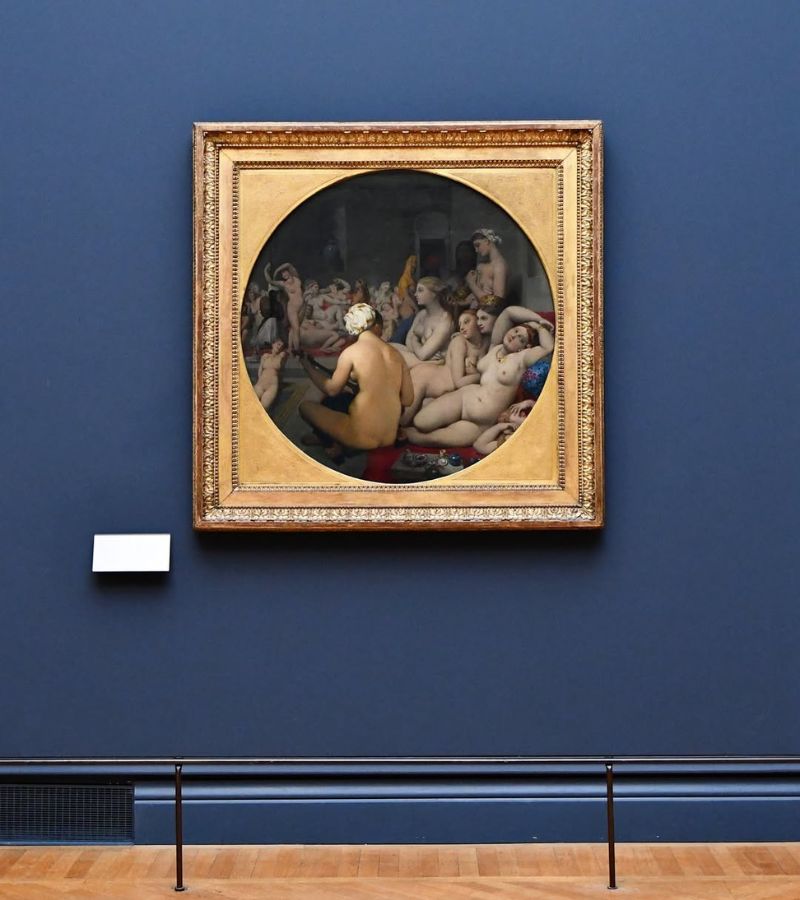
  3. Art focus: Freeing the Salle des États grants forgotten giants—think Poussin and Ingres—the breathing room they deserve.

Expect the new chamber—and its Instagram-ready hush—to open by 2032.

What Will Visitors Actually Notice First?

  • A second main entrance: The 17th-century Perrault Colonnade becomes a grand, shaded gateway by 2031.

  • Clearer way-finding: New subterranean corridors create intuitive east-west routes, slashing detours. 

  • Creature comforts: More seating, twice the restrooms, and refreshed cafés turn sprints into strolls.

  • Ticket tiers: From January 2026, EU visitors pay €24; non-EU guests pay €30—mirroring New York’s Met.

In total, the project aims to welcome 12 million annual visitors without the elbow-jousting.

Louvre Nouvelle Renaissance
The Sully Wing. Musée du Louvre. Photo: © Musée du Louvre / Nicolas Bousser

The Louvre’s outgoing pyramid once symbolised the future; three decades later, it symbolises a queue. With the Louvre Nouvelle Renaissance, Paris bets on agile architecture, smarter pricing, and human-scaled hospitality to keep history vibrant. Watch this space—then book your timed slot before the cicadas know you were there.

FAQ

Receive the latest news

Subscribe To Our Magazine

Luster Magazine

Digital Magazine

Ingresa los siguientes datos y comienza a disfrutar de nuestra revista digital.