Art

Galileo’s First Book Fetches £1.1 M: Why It Matters

Galileo’s First Book just sold for £1.1 million at Christie’s. Explore the 1605 supernova treatise, its extreme rarity, and the record-setting auction triumph.

Por: Angela Leon Cervera
Galileo's First Book
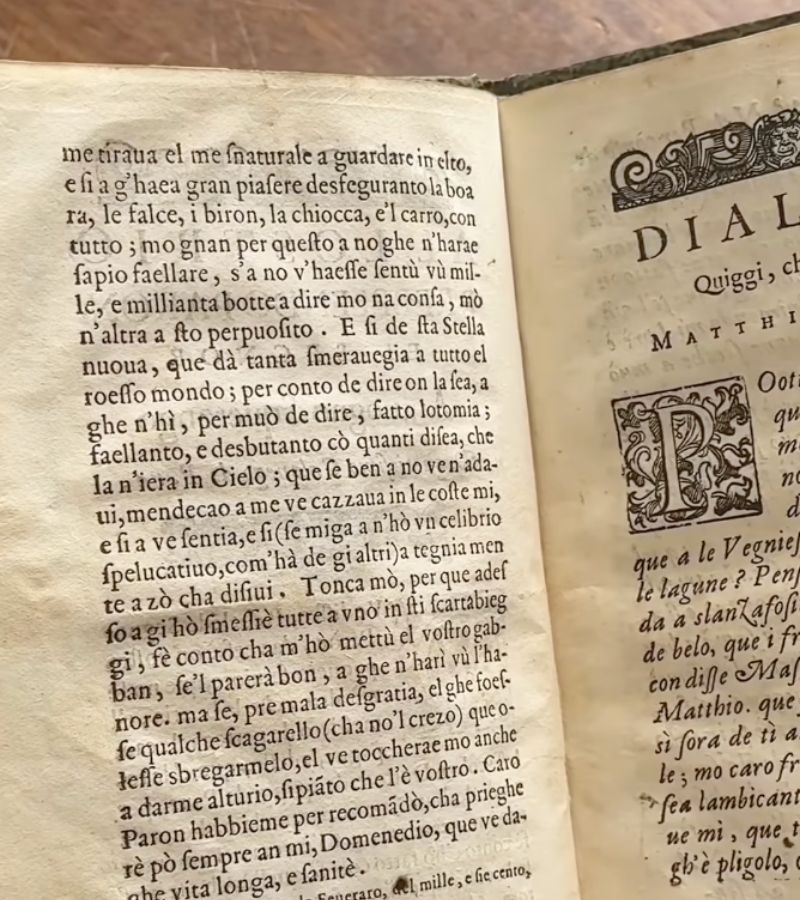
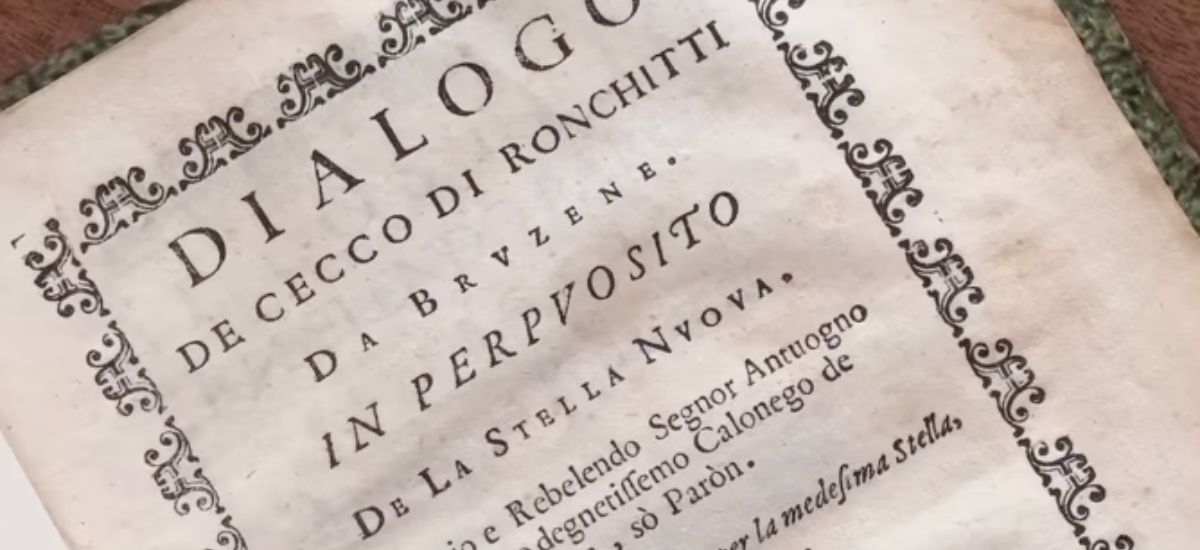
‘Dialogo de Cecco di Ronchitti’, Galileo’s earliest known publication. Photo: @christiesinc

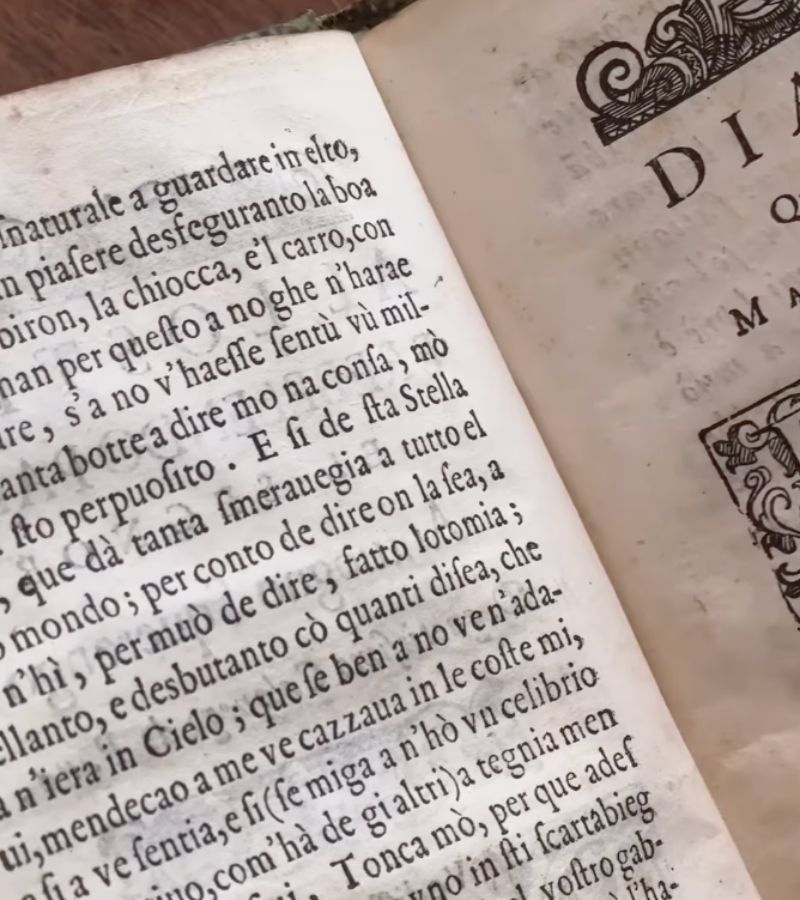
Galileo’s First Book has just rocketed into the spotlight—literally. On 9 July 2025, a newly rediscovered first edition of Dialogo de Cecco di Ronchitti da Bruzene smashed pre-sale estimates at Christie’s London, realising £1.1 million ($1.5 million) and setting an auction record for the Italian master. 


Yet the price tag tells only half the story. Published in 1605 under a rustic pseudonym, this slim quarto captures Galileo at the instant he turned empirical observation against Aristotelian dogma—years before telescopes transformed his gaze. Understanding the book’s genesis—and its hair-raising rarity—reveals why bidders reached for the stars.
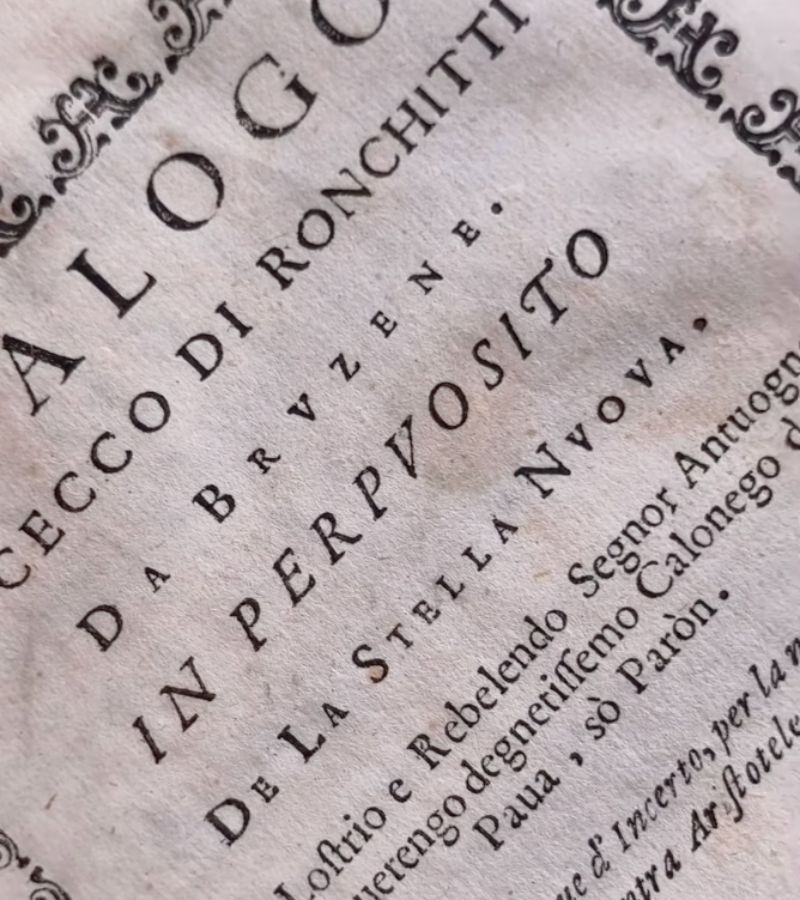
Galileo's First Book
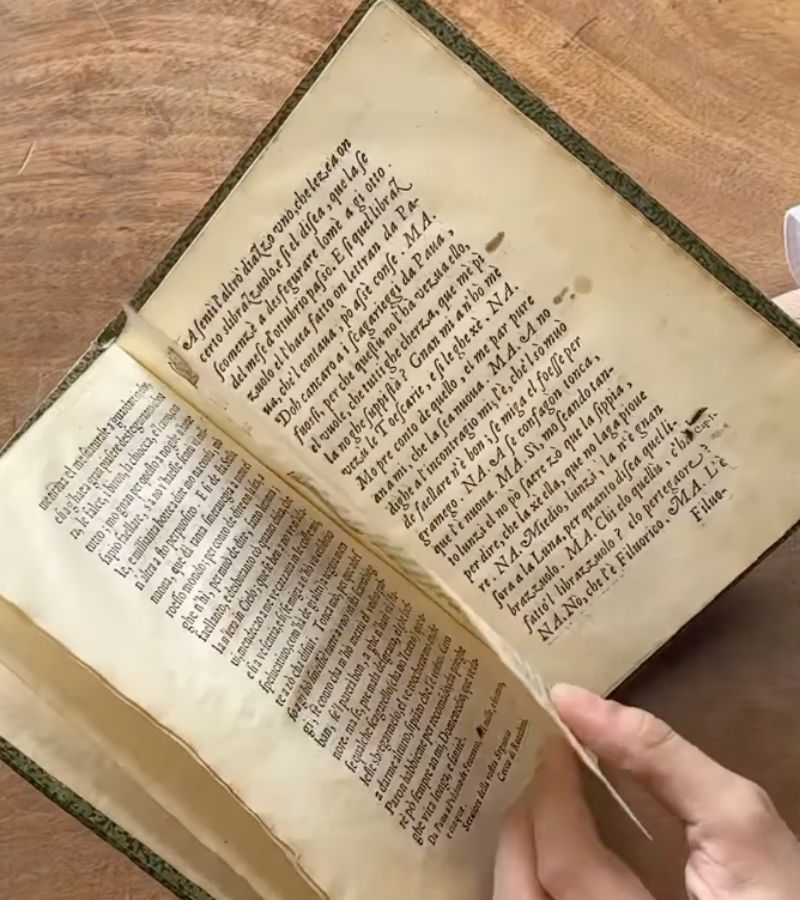
‘Dialogo de Cecco di Ronchitti’, Galileo’s earliest known publication. Photo: @christiesinc

What Sparked Galileo’s First Book—and Why Does It Still Matter?

  • A cosmic catalyst. In October 1604, a supernova blazed brighter than Jupiter, shaking Europe’s fixed-star worldview.

  • A swift rebuttal. Within months, Galileo (with student Girolamo Spinelli) drafted a dialogue between two Paduan farmers, mocking scholars who claimed the “new star” was atmospheric.

  • Plain speech, radical ideas. Written in dialect, not Latin, the pamphlet championed measurement over metaphysics, prefiguring Galileo’s later, larger polemics.

  • A disguised author. The pseudonym “Cecco di Ronchitti” shielded the young professor from backlash, teaching him how to debate from the wings—a tactic refined in his 1632 Dialogue on the Two Chief World Systems.

By weaving humor with geometry, the 1605 treatise plants the seed of the scientific method, making it a cornerstone of the coming revolution.

Galileo's First Book
‘Dialogo de Cecco di Ronchitti’, Galileo’s earliest known publication. Photo: @christiesinc
Galileo's First Book
‘Dialogo de Cecco di Ronchitti’, Galileo’s earliest known publication. Photo: @christiesinc

How Many Copies Survive—and What Makes This One a Unicorn?

  • Survival count: just 11 institutional copies worldwide, and only seven are complete. None sit in private hands.

  • First on the market in >100 years. The newly unearthed copy emerged from a European collection, ending a century-long drought of public offerings.

  • Textual integrity. Unlike several institutional exemplars missing leaves, this volume preserves its full A-D⁴ E² collation, title woodcut, and type-ornament border.

  • Provenance pedigree. Previous owners include bibliophile‐politician Giacomo Manzoni and the notorious Guglielmo Libri, intertwining scholarship and intrigue.

Such flawless completeness, paired with near-mythic scarcity, transforms the book from intellectual milestone into collecting grail.

Did Galileo’s Debut Outshine Expectations at Christie’s?

Absolutely. Pre-sale whispers hovered at £500k–£700k. Fierce bidding lifted the hammer to £1.1 million, more than doubling estimates and underscoring demand for breakthrough scientific texts.


Mark Wiltshire, Christie’s manuscripts specialist, called the sale “an extraordinary opportunity to acquire the first published work by the man Albert Einstein dubbed ‘the father of modern science.’


Beyond its headline figure, the sale confirms a broader market shift: early empirical science now commands the aura once reserved for illuminated incunabula or modern-art masterpieces. Collectors chase items that changed not just art history, but the human worldview.

Galileo's First Book
‘Dialogo de Cecco di Ronchitti’, Galileo’s earliest known publication. Photo: @christiesinc

The 1605 Dialogo proves that paradigm shifts can germinate in modest pamphlets spoken in farmers’ voices. Galileo’s First Book fused vernacular wit with star-measured logic, cracking the heavens’ supposed perfection and lighting the fuse of modern science. Its rediscovery—and record £1.1 million price—remind us that rarity, bold thought, and cosmic wonder never lose their pull.

Star-Powered Curiosities: FAQ

Receive the latest news

Subscribe To Our Magazine

Luster Magazine

Digital Magazine

Ingresa los siguientes datos y comienza a disfrutar de nuestra revista digital.