Art

Raphael Vatican Discovery: History Rewritten

The Raphael Vatican Discovery reveals his final brushstrokes in the Hall of Constantine, redefining Renaissance genius and Vatican art. Explore how science and art converge.

Por: Angela Leon Cervera
Hall of Constantine
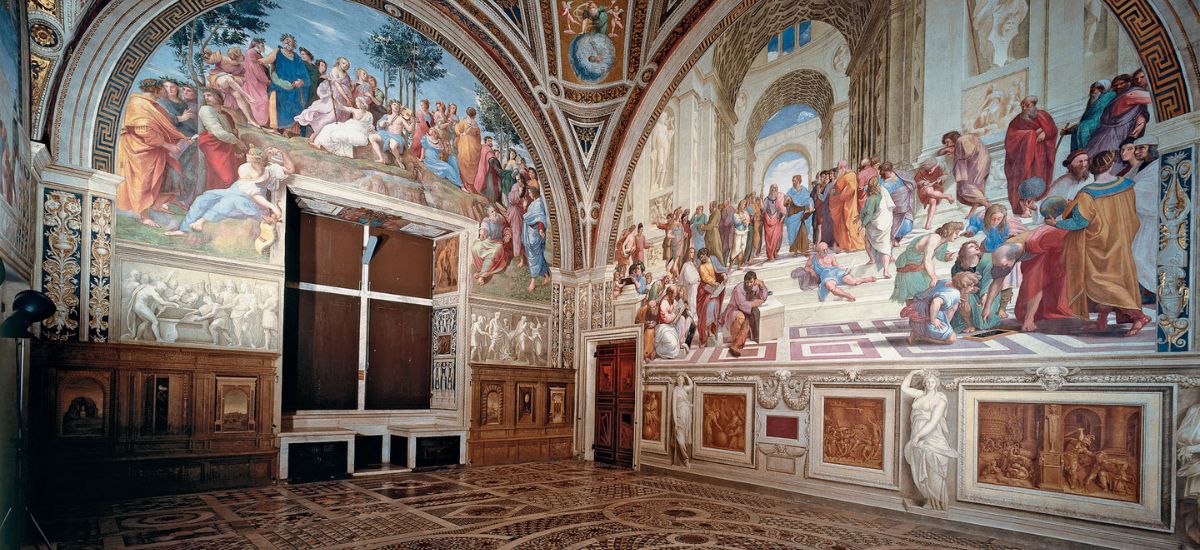
The Stanza della Segnatura

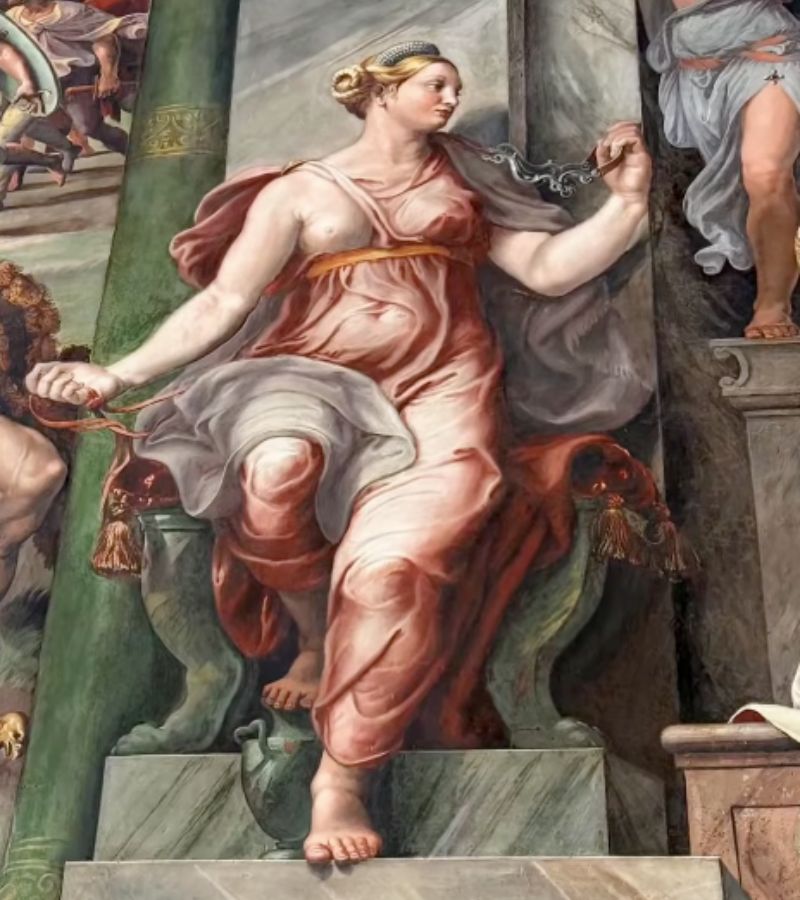
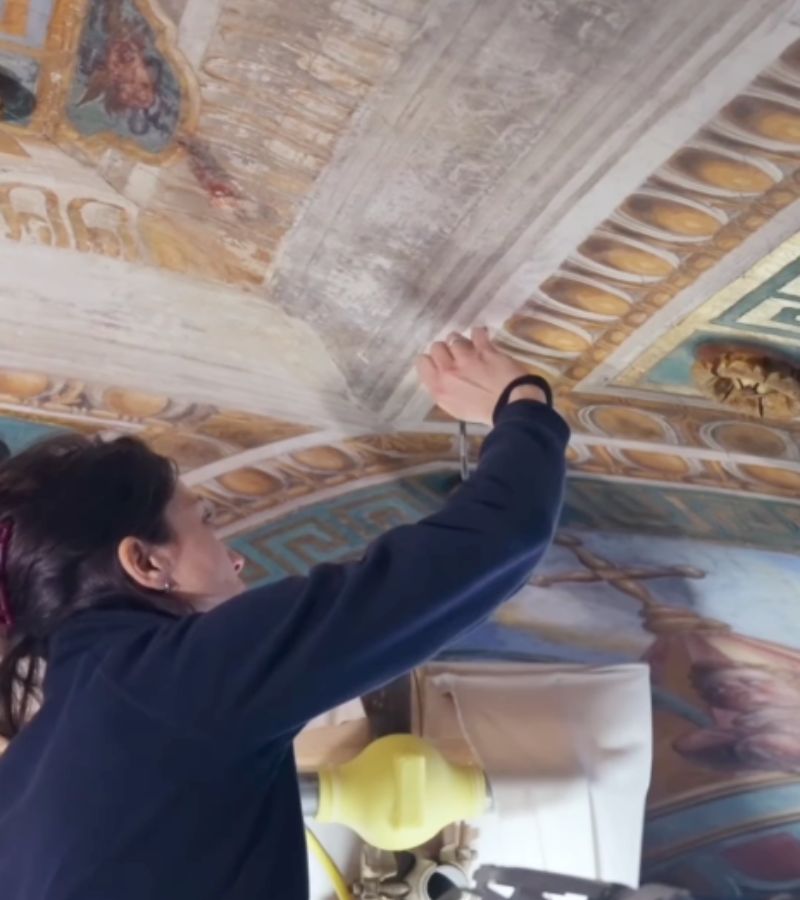
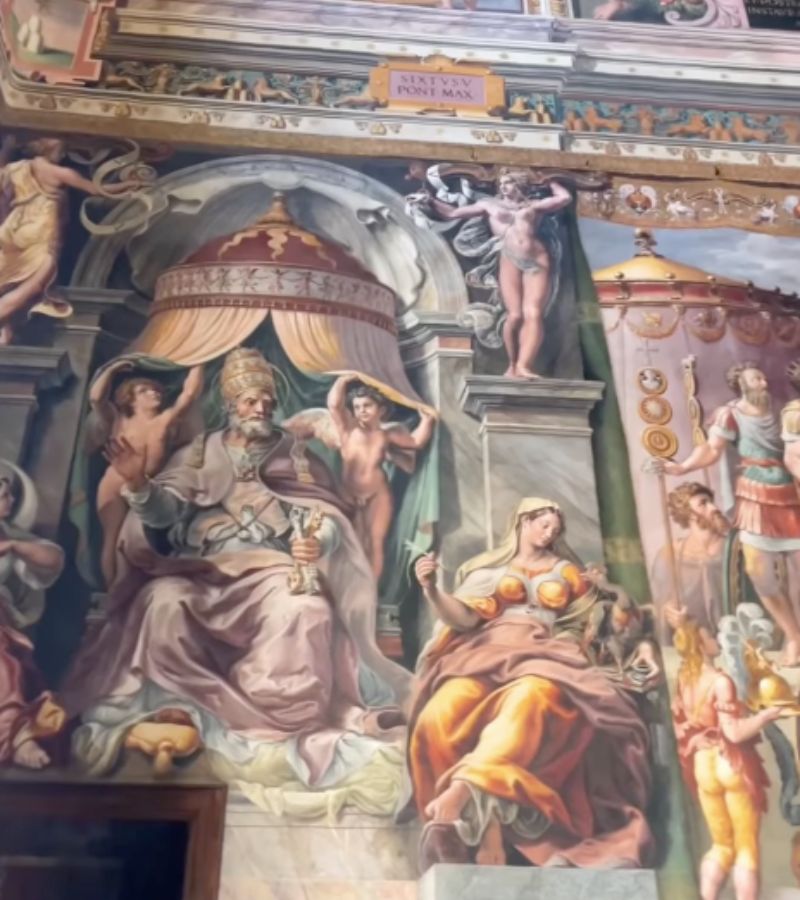
Raphael Vatican Discovery electrifies the art world. During a decade-long restoration of the Hall of Constantine, experts uncovered two luminous allegories—Justice and Courtesy—painted by Raphael himself. “With this restoration, we rewrite a part of the history of art,” proclaimed Vatican Museums director Barbara Jatta.


The find resolves a 500-year riddle. Scholars long wondered whether Raphael had touched the room before his sudden death in 1520. Scientific tests now confirm his hand and his daring oil-on-wall experiment, completed just months before he died, transforming our view of his late genius.
La Sala di Costantino. Photo: @vaticanmuseums

How Does the Raphael Vatican Discovery Transform Our View of His Late Style?

  • Last brushstrokes confirmed: Justice (Iustitia) and Courtesy (Comitas) expand Raphael’s authenticated output for the first time in decades. 

  • Dramatic palette shift: The glowing lapis, flesh tones, and velvety shadows show a bolder, Venetian-inspired colorism that previous works only hinted at.

  • Narrative power: Placed beside Constantine’s triumphs, the virtues frame papal authority with moral grace, revealing Raphael’s political acumen.

  • Emotional charge: Short, confident strokes and softened sfumato give both figures a living serenity rare in mural art.

Together, these traits redefine the “late Raphael” period as restless and experimental rather than polished and complacent

La Sala di Costantino. Photo: @vaticanmuseums

What Sets Iustitia and Comitas Apart in the Raphael Vatican Discovery?

  • Placement:

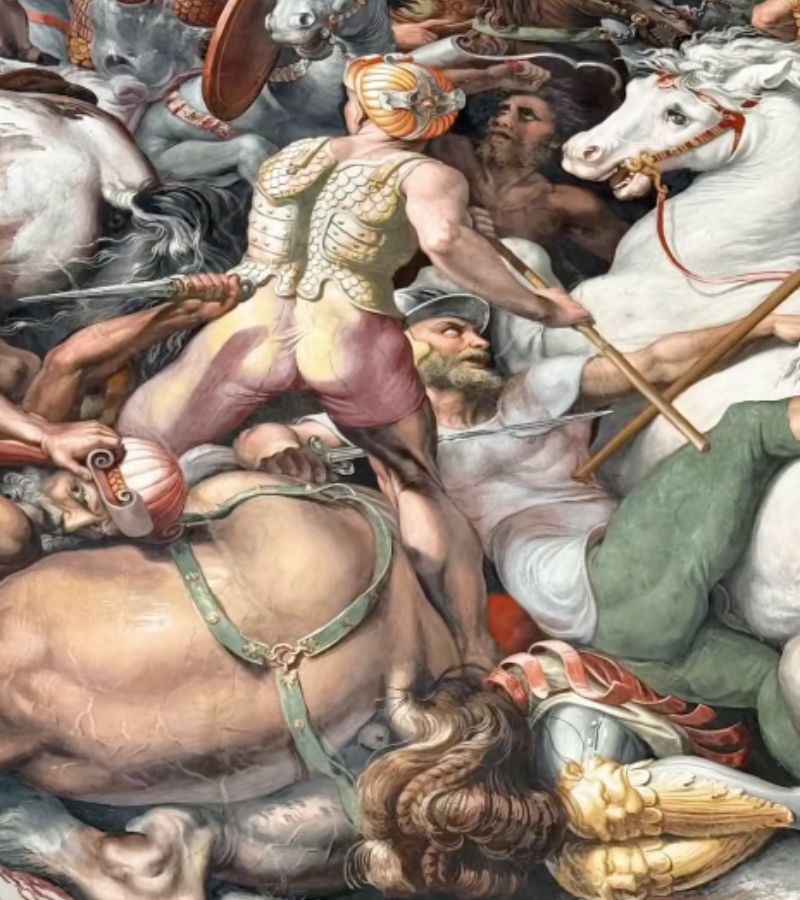
    • Iustitia sits to the right of the tumultuous Battle of the Milvian Bridge.

    • Comitas flanks the mystical Vision of the Cross.

  • Iconography:

    • Iustitia balances sword and scales—clear, measured authority.

    • Comitas radiates gentle diplomacy in azure drapery.

  • Stylistic fingerprints:

    • Softer light modelling, tighter contours, richer pigments.

    • Anatomical ease absent in the workshop’s later fresco passages.

  • Historical echoes: Giorgio Vasari hinted at two oil test figures; modern microscopy matches his note to these very images.

These bullet-point hallmarks let visitors spot Raphael’s exact touch amid the surrounding workshop frescoes.

Why Is Raphael’s Oil-on-Wall Experiment a Game-Changer for Conservation?

  • Radical method: Restoration teams found an iron-nail lattice, pine-resin barrier, gesso skin, then oil paint—an unheard-of sandwich in 1520. 

  • Success, not failure: Unlike Leonardo’s flaking Last Supper, Raphael’s technique survived five centuries under grime, proving its structural soundness.

  • Workshop retreat: After his death, pupils Giulio Romano and Giovan Francesco Penni abandoned the experiment, reverting to safe buon fresco. The contrast maps a dramatic hand-over between master and heirs.

  • Future protocols: Conservators now model new stabilization adhesives on Raphael’s resin layer, turning a Renaissance gamble into a 21st-century best practice.

This technical triumph elevates Raphael from graceful stylist to fearless materials scientist.

La Sala di Costantino. Photo: @vaticanmuseums

The Hall of Constantine now glows with reborn color and fresh context. Visitors gaze into Justice and Courtesy and meet Raphael’s final, fearless vision—oil shimmering on church walls, innovation fused with theology. Step into the Vatican Museums and witness how a single brushstroke can rewrite half a millennium of art history.

Brushstroke FAQs

Receive the latest news

Subscribe To Our Magazine

Luster Magazine

Digital Magazine

Ingresa los siguientes datos y comienza a disfrutar de nuestra revista digital.