Culture

Disneylandization and Tourism’s Next Stage

Disneylandization is turning Venice, Barcelona, and select Tokyo-Kyoto districts into themed playgrounds, subtly steering architecture, art, and travel’s future.

Por: Angela Leon Cervera
Disneylandization
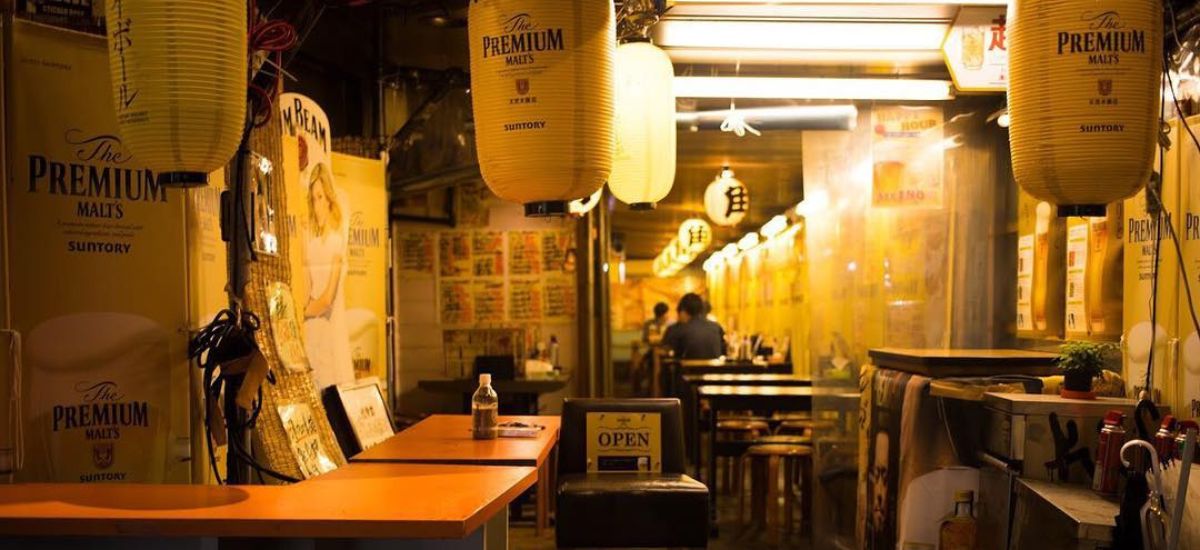
Izakaya in Shinjuku. Photo: @tokyo

Disneylandization turns real places into themed spectacles. Visitors now hop among Venice, Barcelona, and Tokyo as if roaming one vast park.


This playful trend delights marketers yet tests heritage and identity. The three case studies below reveal quirks that could reshape art, design, and visitor behavior for decades.
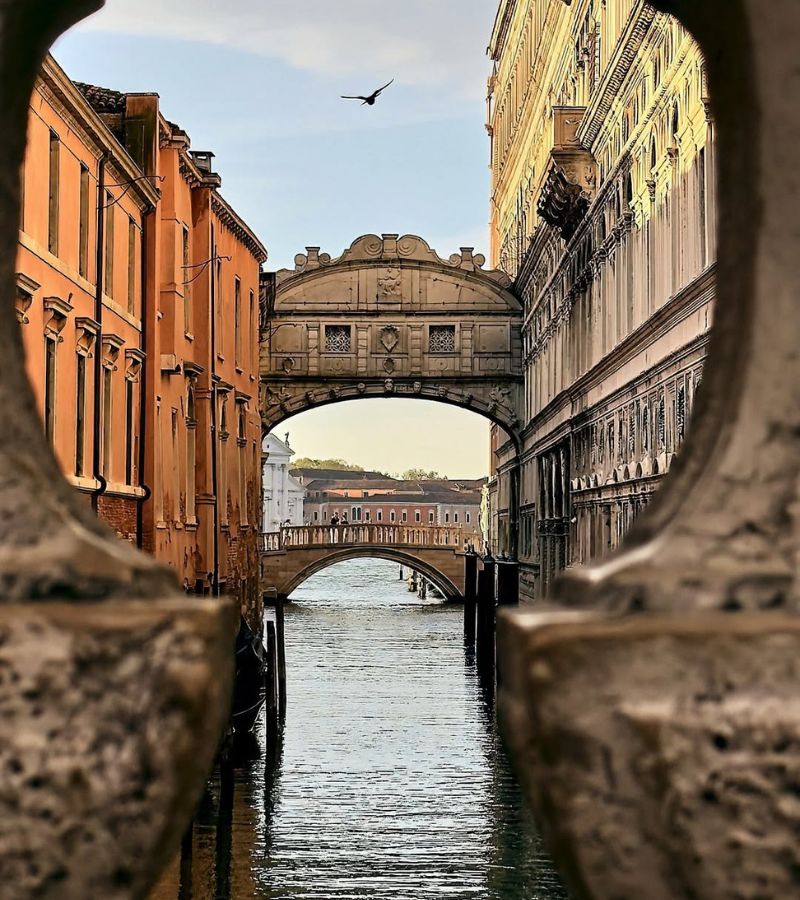
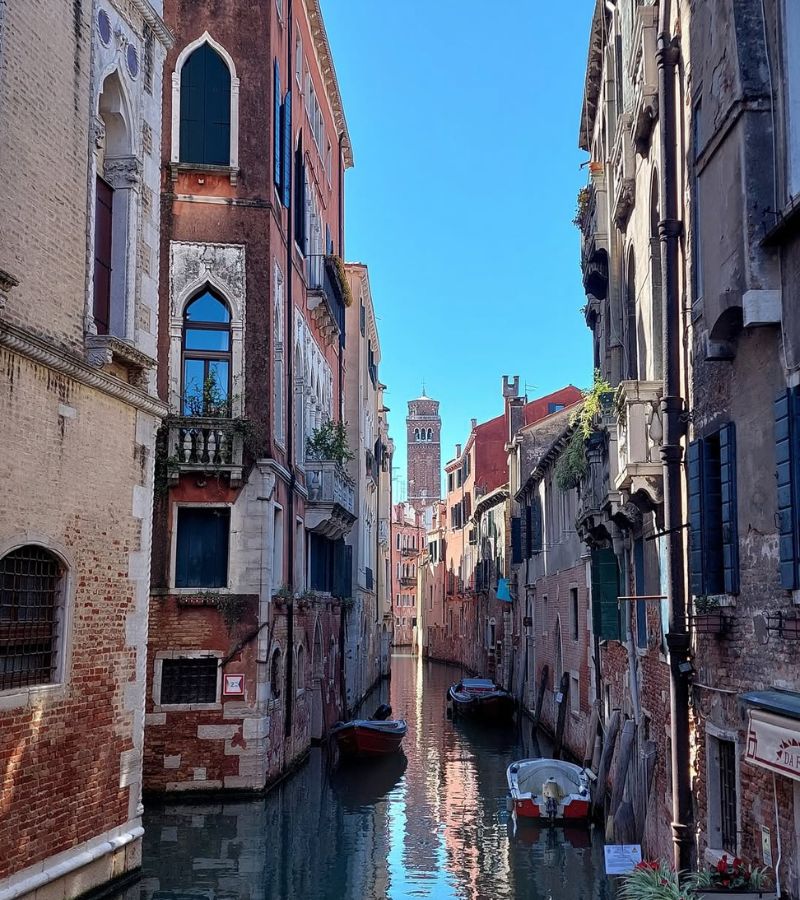
Venezia. Photo: @comunevenezia

How Is Disneylandization Reshaping Venice’s Living Heritage?

Venice offers the clearest stage-set experience today. Crowds often outnumber citizens, pushing everyday life into the background.


  • Resident Exodus. Apartment conversions raise rents and empty neighborhoods of locals.

  • Cruise-Ship Ban. Since 2021, large liners stay outside the lagoon, easing wake damage. 

  • €5 Day-Tripper Ticket. A revival of the entry fee nudges visitors toward longer stays. 

These fixes show how swiftly a historic fabric becomes negotiable once a city turns product. Architects now weigh preservation against performance: restore houses for residents or polish façades for spectators?


If the balance tips too far, Venice could freeze into a beautiful diorama—safe for postcards yet sterile for daily creativity.

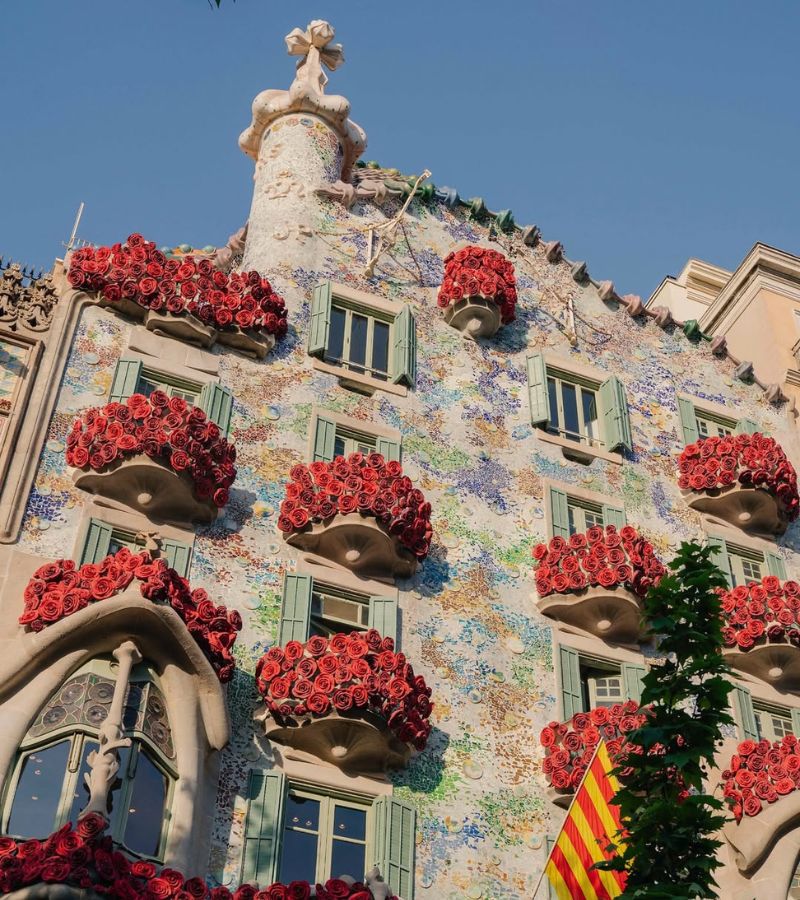
Casa Batló, Barcelona. Photo: @casabatlo
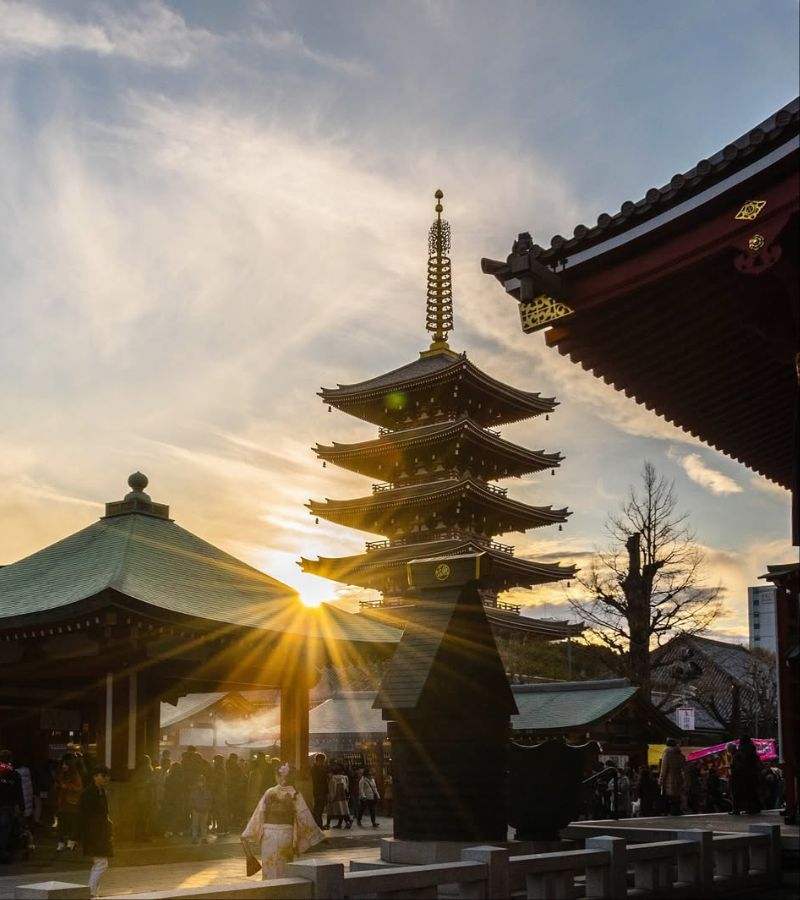
The Senso-Ji Temple located in Asakusa, Tokyo. Photo: @tokyo

Can Barcelona Defuse Disneylandization Without Dimming Its Allure?

Barcelona frames the issue as a civic design problem rather than a quiet retreat. District protests coined “turismofobia,” yet city hall responds with policy.


  • 10 101 Tourist Flats to Go. Licenses will disappear by November 2028, releasing homes for locals. 

  • Urbanalización. Global chains along Portal de l’Àngel clone shopping streets worldwide, washing out Catalan quirks.

  • Protest Art. Graffiti on tour buses warns that the city is “not a souvenir.”

These actions aim to let cafés, galleries, and workshops breathe again, keeping creativity at street level. Designers watch closely: can targeted regulation restore neighborhood character while sustaining tourism revenue?


If Barcelona succeeds, it may offer a handbook for world capitals caught between economic gain and cultural grain.

What Does Disneylandization Look Like in Tokyo and Kyoto?

Tokyo parcels its personality by neighborhood, each with a ready-made theme for swift consumption.


  • Harajuku: rainbow sweets and kawaii streetwear invite playful selfies. 

  • Akihabara: neon arcades sell an otaku dream world.

  • Shibuya Scramble: the crossroads markets frenetic modernity.

  • Asakusa & Ginza: tradition and luxury packaged into distinct stops.

Kyoto reveals the limits of packaging authenticity. Photography bans in Gion’s alleys protect geiko from paparazzi crowds and carry fines up to ¥10 000.


Local leaders now test timed tickets, etiquette signs, and alley closures. The lesson: culture can be curated, but only within boundaries locals help draw.


When branding deep heritage, planners must keep rituals intact—morning shrine walks, hidden teahouses—so that visitors still glimpse lived tradition beneath the polished veneer.

Venezia. Photo: @comunevenezia

Disneylandization sprinkles wonder yet risks flattening living cities into open-air dioramas. Venice manages footfall, Barcelona rewrites housing law, and Japan calibrates manners.


Their experiments will guide architects, curators, and travelers as tourism’s next stage unfolds. Watch these urban laboratories—your future itinerary may depend on their outcomes.

Q&A's

Receive the latest news

Subscribe To Our Magazine

Luster Magazine

Digital Magazine

Ingresa los siguientes datos y comienza a disfrutar de nuestra revista digital.