Art

Selfie Mishaps That Cost Millions: Art vs. Phone Culture

Selfie Mishaps endanger global museums. Discover jaw-dropping cases, why they happen, and how institutions—and visitors—can protect priceless art.

Por: Angela Leon Cervera
Selfie Mishaps
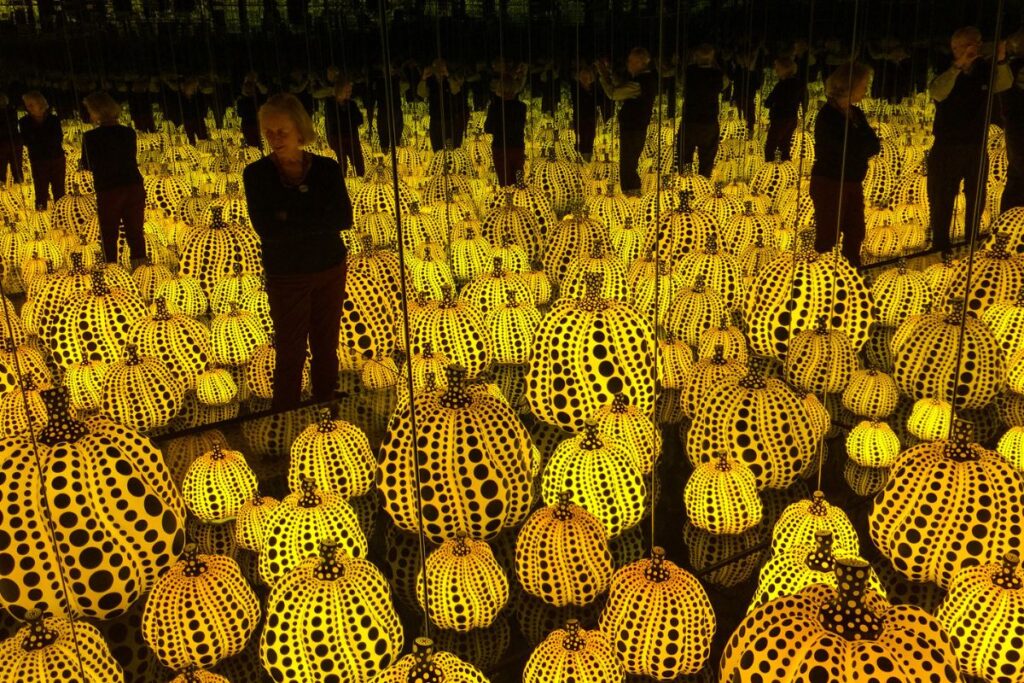
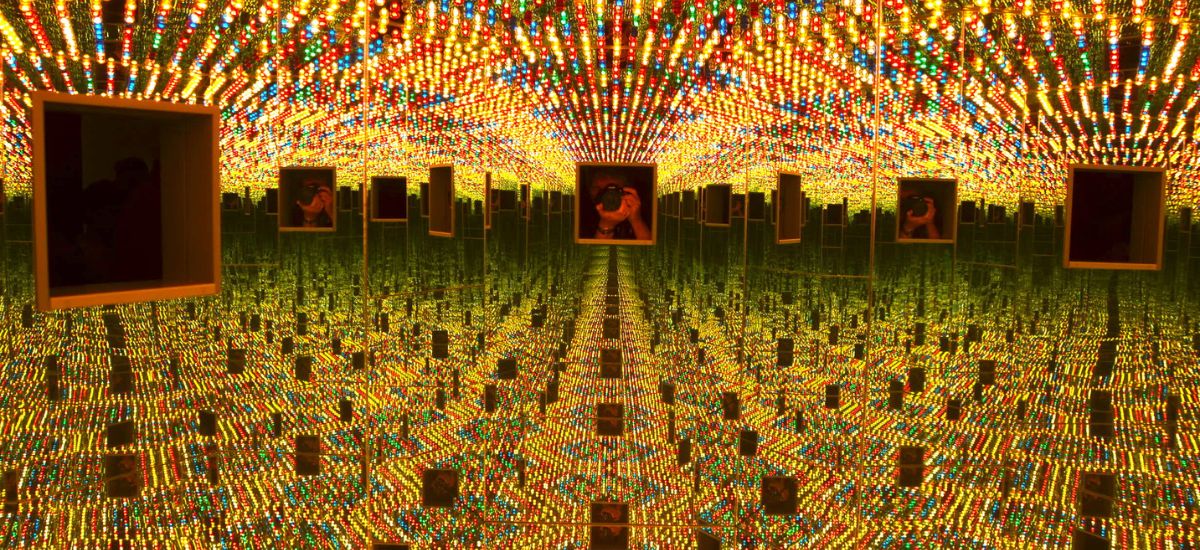
Yayoi Kusama "Infinity Mirrors". Photo: Adam Fagen

The era of Selfie Mishaps has museum guards clenching their radios. Screens dominate sightlines, turning visitors into unwitting hazards. One careless crouch can topple centuries of craftsmanship.


From Los Angeles to Lisbon, virality now walks hand-in-hand with liability. Below, we explore how three headline‐grabbing crashes rewrote conservation budgets—and what they reveal about our phone-centric gaze.
Selfie Mishaps
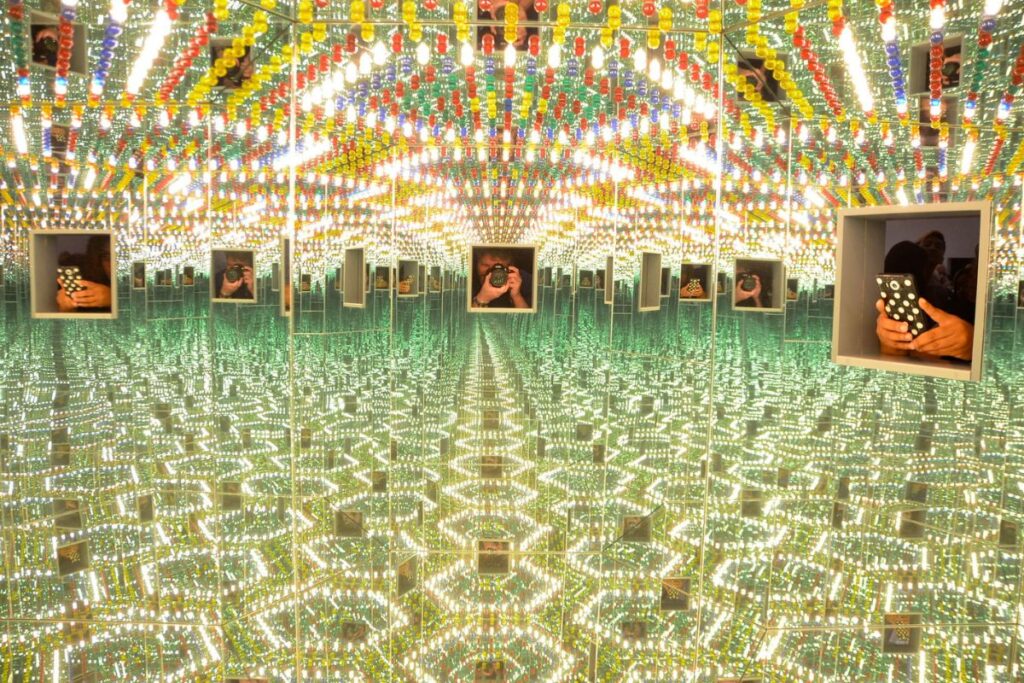
Yayoi Kusama "Infinity Mirrors". Photo: Adam Fagen

How Did a Selfie Trigger a $200 K Domino Collapse in L.A.?

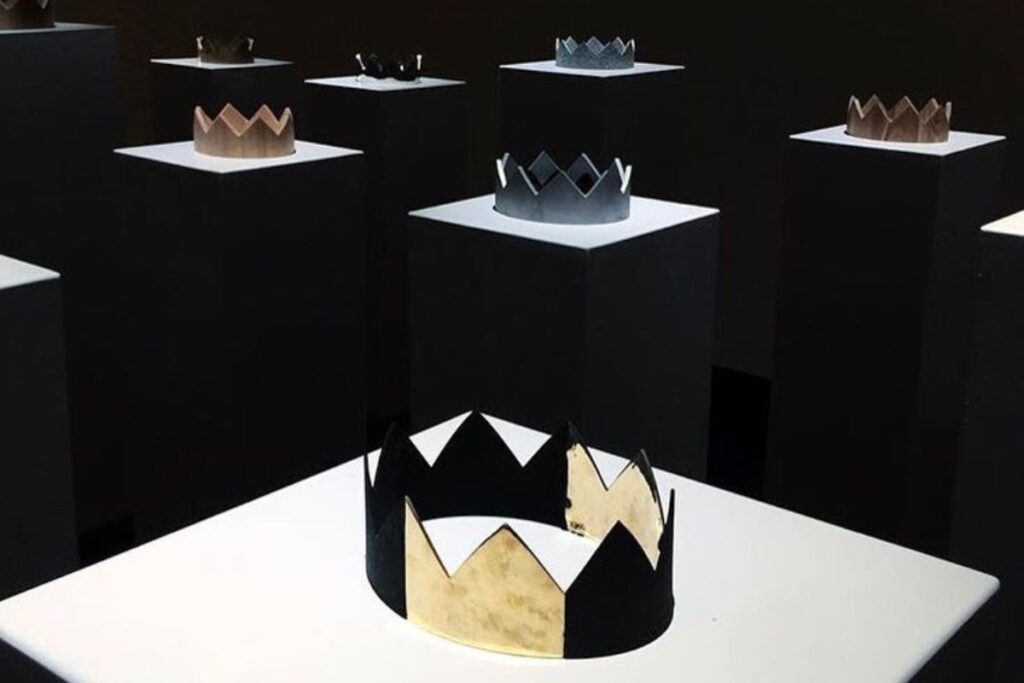
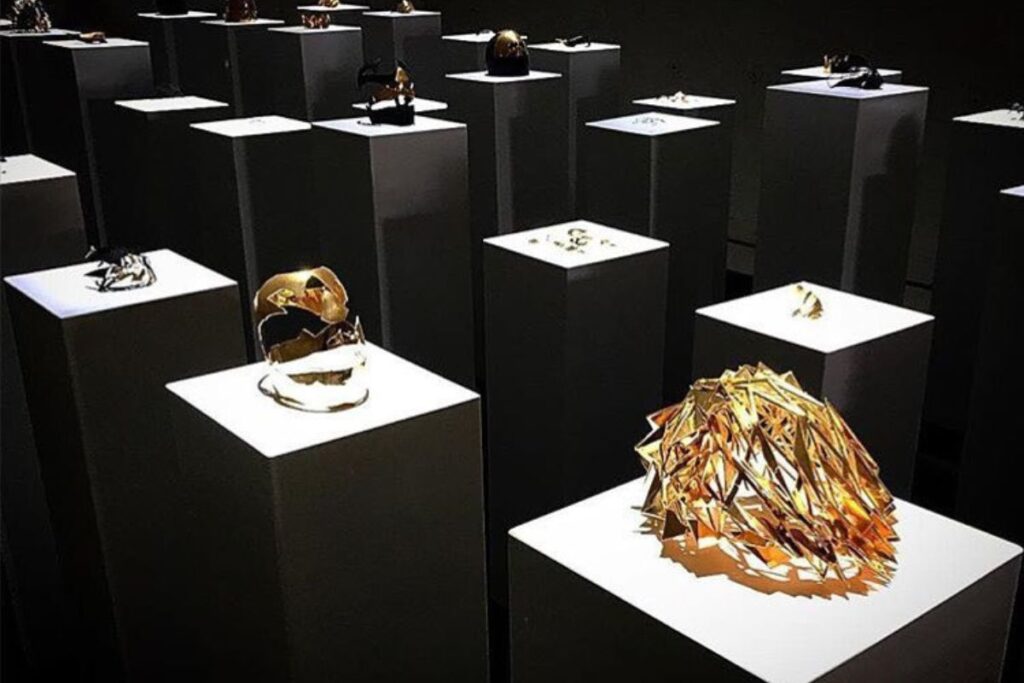
What happened? In 2017, The 14th Factory’s “Hypercaine” showcased a shimmering avenue of sculptures. A visitor squatted for the ultimate phone angle, wobbled, and nudged the first pedestal. Ten toppled in sequence like crystal bowling pins.


Why did it go viral?

  • Security footage leaked within hours.

  • Media framed it as the “ultimate selfie fail.”

  • Three works destroyed, $200,000 lost—easy headline math.

Lessons learned

  1. Pedestals need lateral bracing or discreet anchoring.

  2. “Photo-friendly” marketing demands real-time staff monitoring.

  3. Viral fame fades; repair invoices linger.
Selfie Mishaps
'Hypercaine' by DJ Fresh. Photo: @the14thfactory
Selfie Mishaps
Yayoi Kusama "Infinity Mirrors". Photo: Ron Cogswell

Why Did Lisbon Lose Its Beloved Dom Sebastião Statue to a Tourist Snap?

Scene: Rossio Railway Station, 2016. A limestone king had ruled his niche for 126 years. Enter the modern traveler seeking insta-immortality.


Sequence of errors

  1. Tourist climbs pedestal—no signage, no guard in sight.

  2. Balance falters; the statue plummets six meters.

  3. Limestone shatters; heritage agencies weep.

Aftermath

  • The man was arrested mid-escape.

  • Restoration deemed impossible; fragments stored inside the station.

  • Lisbon’s mayor tightened fines and sped up a city-wide audit of vulnerable monuments.

Takeaway: Even robust outdoor works need deterrents—raised plinths, sensor lighting, visible penalties—to survive selfie-motivated acrobatics.

Can Kusama’s Pumpkins Survive Their Own Popularity?

Exhibit: Yayoi Kusama’s “Infinity Mirrors,” Washington D.C., 2017—arguably the most Instagrammed art room on earth.


Incident in a nutshell

  • Mirror maze + dim light = spatial confusion.

  • Visitor backs up for a selfie, trips, crushes a glass pumpkin.

  • Comparable gourds fetch $800 K at auction; the room closes for 48 hours.

Museum counter-moves

  • Timed tickets with 20-second photo limits.

  • Floor guides reminding guests: “Eyes first, phone second.”

  • Replacement pumpkin flown in; crowd interest actually rose.

Big picture: Accessibility boosts attendance but also multiplies risk; dynamic visitor-flow algorithms now underpin exhibition design.

Selfie Mishaps
'Hypercaine' by DJ Fresh. Photo: @the14thfactory

Selfie Mishaps aren’t random bloopers; they are predictable by-products of attention economics. When every trip becomes a public performance, fragile objects become stage props. Museums must pivot from passive caretakers to behavioral strategists—installing smart barriers, enforcing timed entries, and yes, saying “no” when tech trumps respect.


Visitors hold equal power. Pocket the phone for one quiet minute. Feel the marble chill, the oil-paint glow, the centuries of human skill. Some experiences deserve presence, not pixels.

Snap Judgment: Five Burning Questions About Selfie Mishaps

Receive the latest news

Subscribe To Our Magazine

Luster Magazine

Digital Magazine

Ingresa los siguientes datos y comienza a disfrutar de nuestra revista digital.