Art

Selfie Culture Damages Medici Portrait at Uffizi

A tourist damages a priceless Medici portrait while taking a selfie at the Uffizi. What does this incident reveal about museums in the age of digital distraction?

Por: Angela Leon Cervera
Medici Portrait
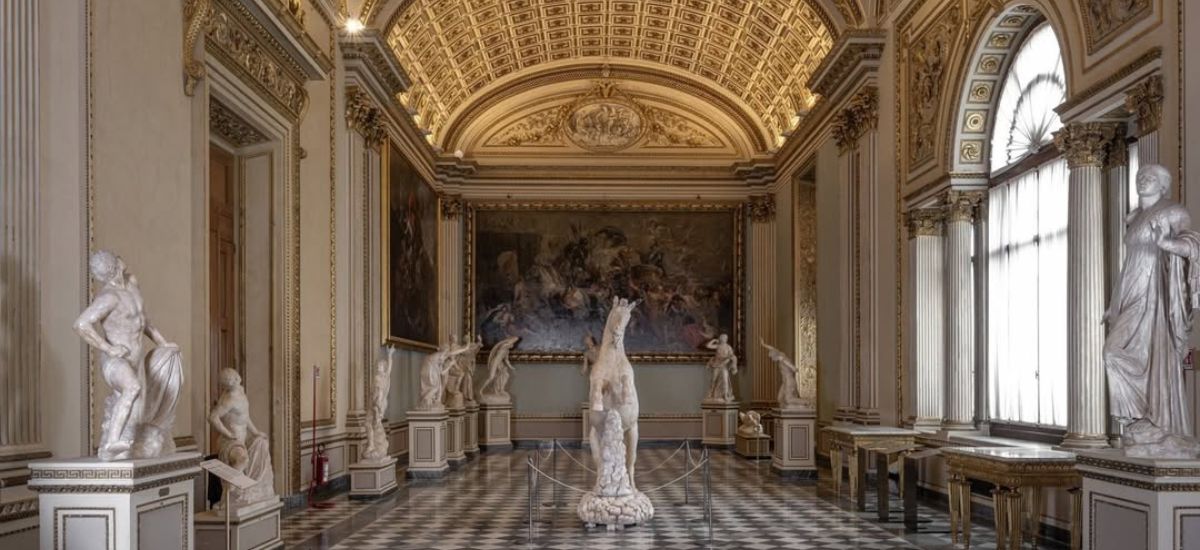
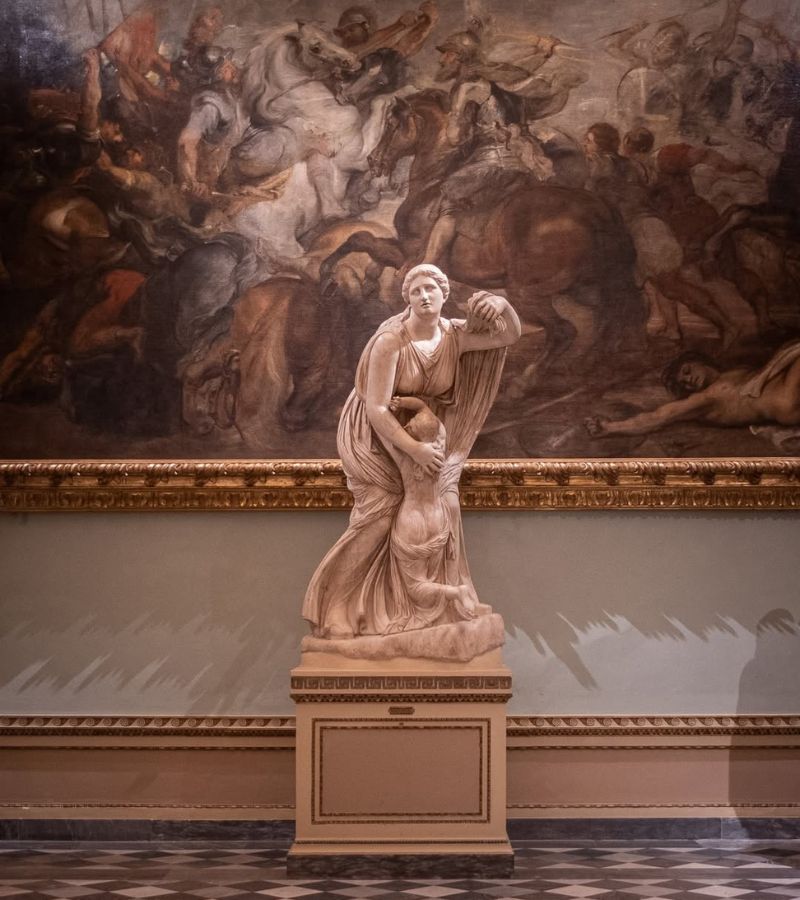
Sala della Niobe⁠. Uffizi Galleries. Photo: @uffizigalleries

It happened in a split second — a tourist backed into a security barrier while striking a pose, lost balance, and reached out to stop his fall.


But his hand landed not on a wall or railing, but on an 18th-century masterpiece: Portrait of Ferdinando de’ Medici by Anton Domenico Gabbiani. The damage? A torn canvas and a ripple of outrage that echoed far beyond the ornate halls of Florence’s Uffizi Gallery.


This incident, though described as “minor” in terms of restoration, is anything but insignificant. It exposes a deeper tension in our digital-first world: the collision between fleeting online moments and the enduring weight of cultural heritage.


In the heart of one of Europe’s most treasured museums, a careless gesture laid bare a growing global problem — one that demands a collective reckoning.
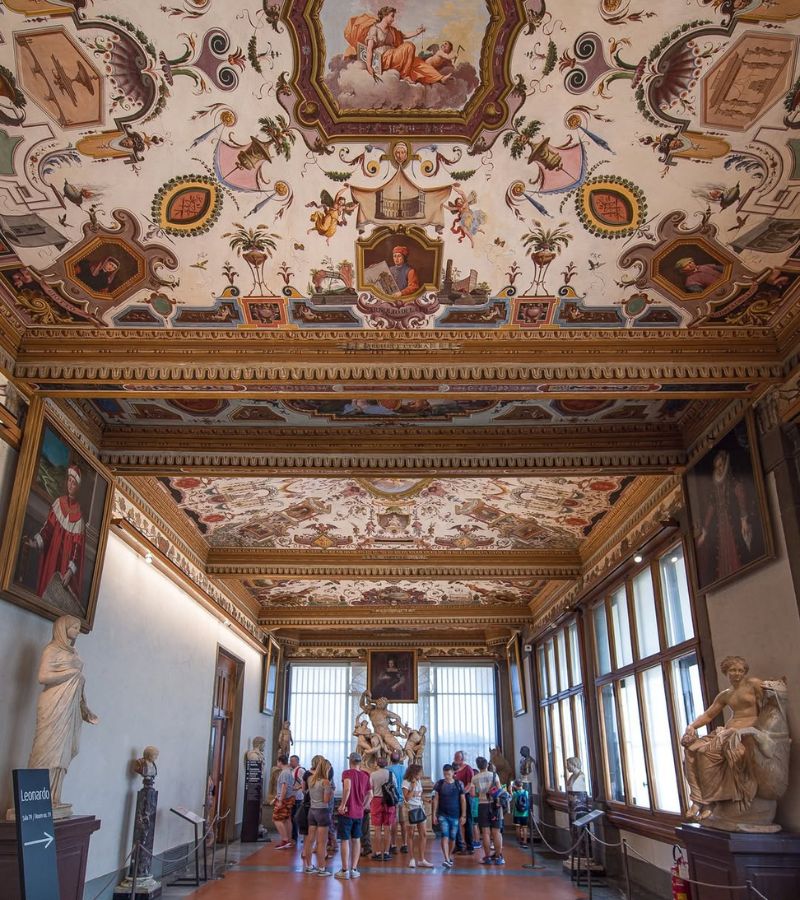
Medici Portrait
Uffizi Galleries. Photo: @uffizigalleries

What is the Medici Portrait and Why Does It Matter?

Portrait of Ferdinando de’ Medici, Grand Prince of Tuscany was painted in 1712 by Anton Domenico Gabbiani, one of the court’s favorite artists. It depicts Ferdinando de’ Medici (1663–1713), heir to the Grand Duchy and one of the most significant patrons of the arts in Baroque Italy.


  • Ferdinando was a visionary collector: his holdings included nearly a thousand paintings, ornate furnishings, sculptures, and musical instruments (he played cello himself).

  • He transformed Florence into a beacon for musicians, painters, and sculptors from across Europe.

  • Gabbiani, the artist behind the damaged painting, also frescoed the Palazzo Pitti at Ferdinando’s request.

This painting isn’t just another portrait. It is a window into the golden age of Medici patronage — a symbol of a man whose life was dedicated to elevating the arts.


Its presence in the Uffizi’s Florence and Europe: 18th-Century Arts exhibition contextualizes an era of cultural expansion. To damage this canvas, even accidentally, is to sever a thread in the tapestry of Florence’s artistic history.

Medici Portrait
Sala della Niobe⁠. Uffizi Galleries. Photo: @uffizigalleries
Medici Portrait
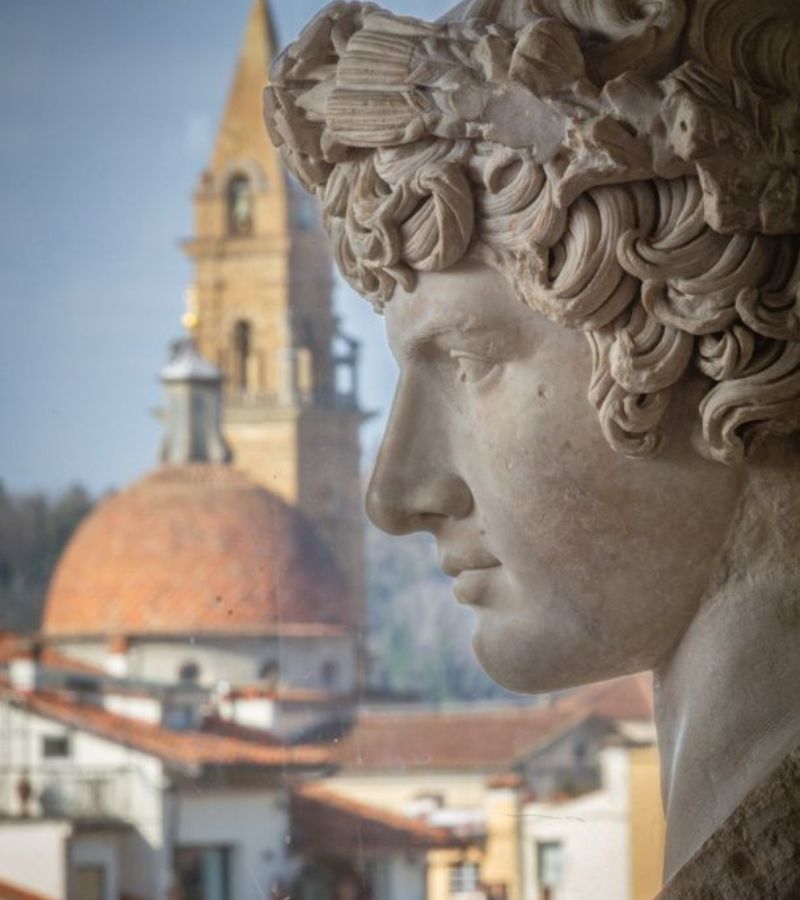
Ritratto di Antinoo come Genius Frugiferus. Uffizi Galleries. Photo: @uffizigalleries

How Did the Incident Occur — and How Serious Was the Damage?

On June 21, 2025, a visitor attempted to mimic Ferdinando’s pose for a selfie-style photo. In doing so, he tripped on a protective platform meant to keep viewers at a safe distance. To break his fall, he instinctively placed his hand on the painting — tearing the lower right corner near Ferdinando’s boot.


  • Surveillance footage caught the entire sequence.

  • Museum staff immediately intervened and identified the tourist.

  • The damage, while significant, was assessed as “light” and “easily reparable.”

The painting was swiftly removed from display and restoration began immediately. However, the exhibition was forced to close temporarily until July 2, cutting short the experience for other visitors. It is expected to resume until its scheduled end on November 28.


Despite the limited physical impact, the symbolic damage was profound. The incident underscored the vulnerability of heritage in the age of distraction — where security measures are no match for digital tunnel vision.

How Did the Uffizi Gallery Respond to the Damage?

The Uffizi moved quickly on several fronts:


  1. Legal Action: The tourist will face criminal charges for damaging cultural property. He may also be held financially responsible for restoration costs.

  2. Exhibition Closure: The gallery suspended its 18th-century arts show until the painting is repaired.

  3. Institutional Statement: Director Simone Verde called selfie-related behavior “rampant,” vowing to implement “precise limits” to protect artworks from disrespectful visitors.

Verde’s language reflects more than frustration — it signals a shift from passive warnings to active regulation. In future, this may include designated no-photo zones, increased supervision, or stricter enforcement of museum etiquette. The Uffizi’s decisive stance serves as both a warning and a precedent.

Medici Portrait
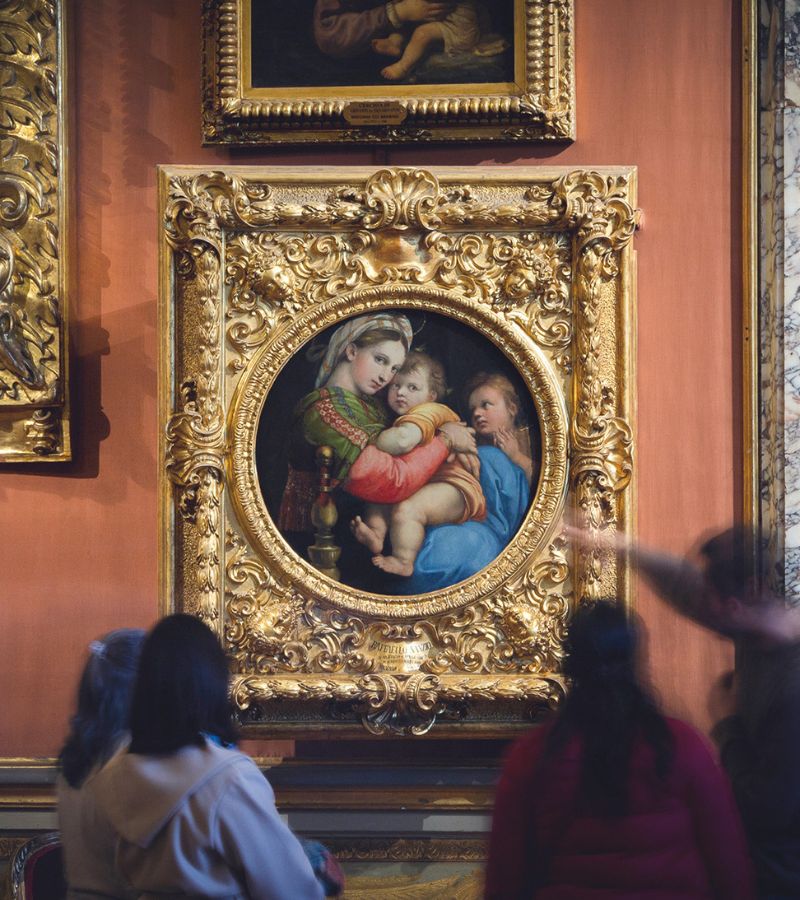
Raffaello, Madonna della Seggiola. Galleria Palatina, Palazzo Pitti. Photo: @uffizigalleries

What happened at the Uffizi is not merely about one man, one painting, or one careless moment. It’s about how we, as a society, interact with cultural legacy in a world increasingly ruled by screens and social media.


Museums are more than scenic backdrops for selfies. They are living repositories of shared memory, guardians of irreplaceable beauty. Yet in our rush to capture and share, we risk damaging the very objects we seek to admire.


The Uffizi incident is a call to reconsider how we behave in sacred spaces of culture. It invites us to shift from consumers of spectacle to stewards of history. The responsibility of preservation cannot rest solely on the shoulders of curators and conservators — it belongs to every visitor who steps into a museum.

Custodianship in the Selfie Era: Quick FAQ

Receive the latest news

Subscribe To Our Magazine

Luster Magazine

Digital Magazine

Ingresa los siguientes datos y comienza a disfrutar de nuestra revista digital.