Active

Formula 1 2026: A New Era of Speed, Style, and Sustainability

The 2026 Formula 1 season kicks off this weekend in Australia with radical new cars, liveries, and eco-friendly power units, reshaping racing and team rivalries.

Por: Karla Sofía Espinoza
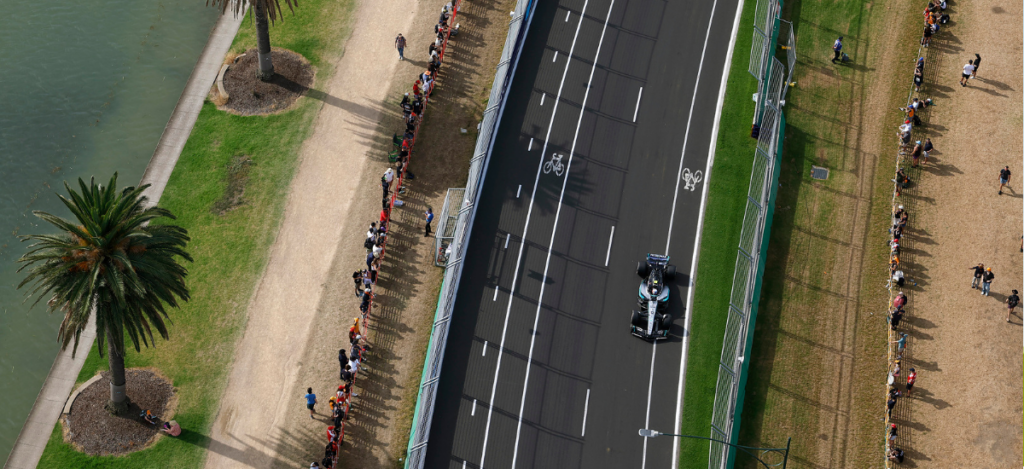
GRAND PRIX AUSTRALIA 2026
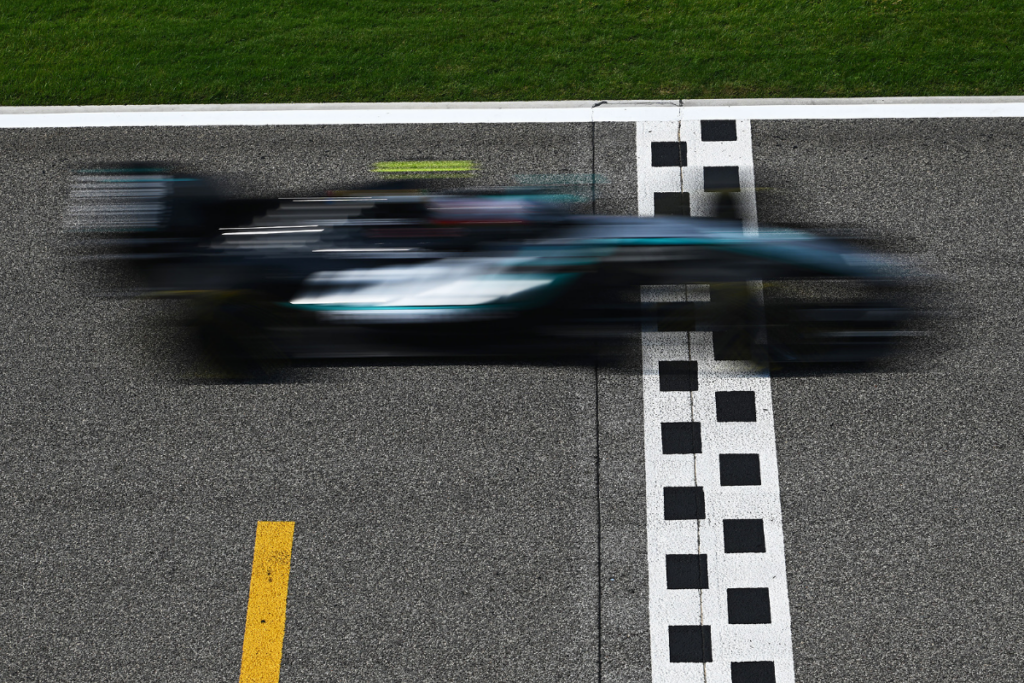
Mercedes’ W17 E PERFORMANCE retains the iconic Silver Arrows aesthetic but with a modern twist / Photo Mercedes AMG / LAT

The 2026 Formula 1 season is not just another chapter in motorsport history—it’s a revolution. As the lights go out in Melbourne for the Australian Grand Prix (6-8 March), fans and teams alike are bracing for the most significant technical overhaul in decades.

New power units, sustainable fuels, active aerodynamics, and bold liveries are set to redefine what it means to race in F1. This season promises not only faster, more agile cars but also a greener, more competitive grid, with new manufacturers and a reshuffled calendar adding to the excitement.
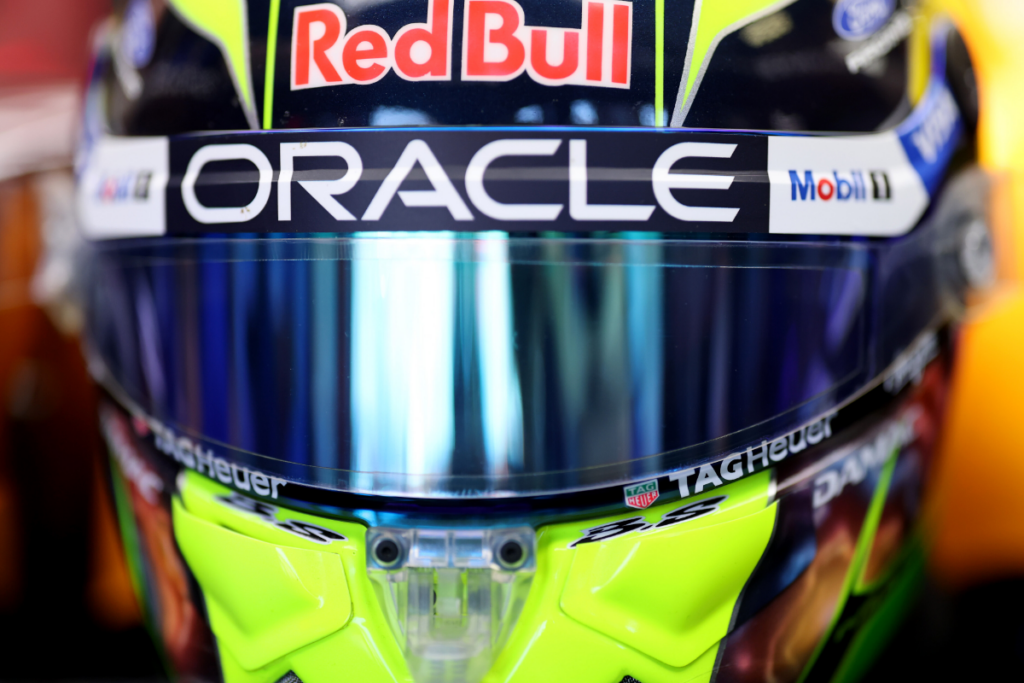
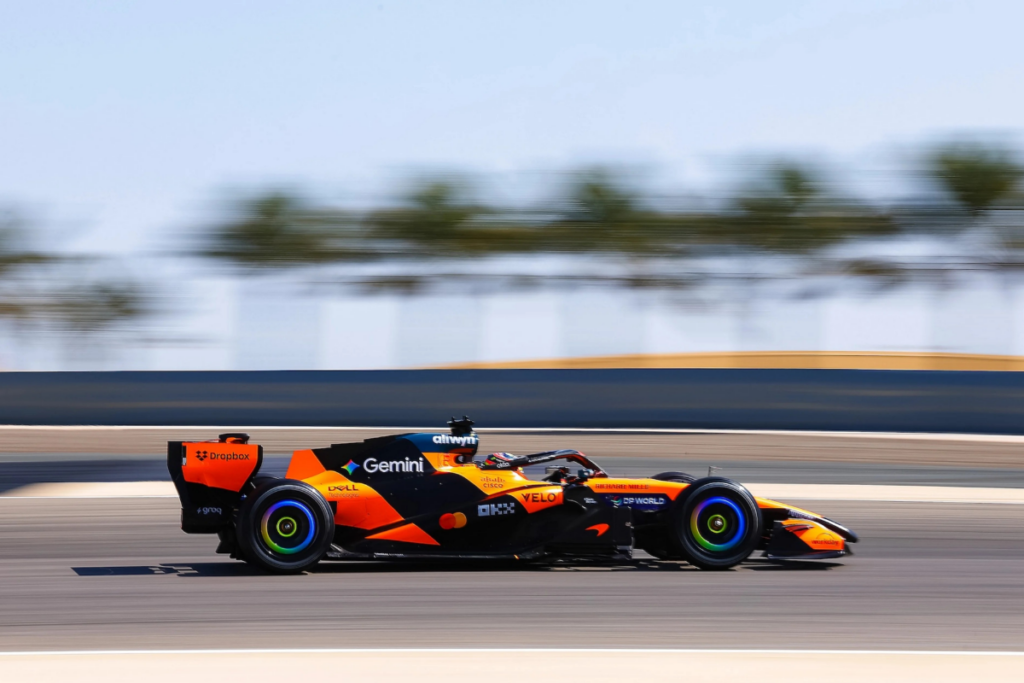
Photo: Getty Images / Red Bull Content Pool

The Technical Revolution: Lighter, Faster, Greener

The heart of the 2026 F1 car is its power unit. Gone is the complex MGU-H, replaced by a simplified hybrid system where the electric motor (MGU-K) now delivers a staggering 350kW—nearly three times the previous output. This shift means a near 50/50 split between internal combustion and electric power, with total output still exceeding 1,000 horsepower.

The real game-changer? Advanced Sustainable Fuels, made from carbon capture, municipal waste, and non-food biomass, ensuring F1 leads the charge toward a net-zero future by 2030.

The 2026 cars are smaller, lighter, and more responsive. The wheelbase is reduced by 200mm, and the minimum weight drops to 770kg. Active aerodynamics replace the old DRS, with “X-mode” for low drag and “Z-mode” for high downforce, plus a manual override for overtaking bursts. These changes aim to make racing closer and more unpredictable, rewarding driver skill and strategic brilliance.

Photo McLaren website

Team Liveries and Design: A Visual Feast

  • Red Bull and Ford: A Heritage Revival

Red Bull’s RB22 livery is a nod to the past, featuring a glossy “heritage white” base with blue accents celebrating its new partnership with Ford. The team’s in-house power unit, developed with Ford, marks a bold step into the new era.

  • Mercedes and McLaren: Evolution and Innovation

Mercedes’ W17 E PERFORMANCE retains the iconic Silver Arrows aesthetic but with a modern twist, while McLaren’s MCL40 showcases a striking papaya orange, reflecting its commitment to innovation and performance.

  • Audi and Cadillac: New Players, New Looks

Audi’s debut livery, unveiled in Berlin, blends German precision with racing flair, while Cadillac’s bold blue-and-white design makes a statement as F1’s newest team.

The 2026 Calendar: New Tracks and Strategic Shifts

The 2026 calendar features 24 races, with a new street circuit in Madrid replacing Barcelona.

The season starts in Australia (March 6–8) and ends in Abu Dhabi (December 4–6), with a consolidated European leg and six sprint events adding extra spice.

The 2026 Formula 1 season is a landmark year, blending cutting-edge technology, sustainability, and breathtaking design. As teams adapt to new rules and fans marvel at the fresh liveries and faster cars, one thing is certain: this is F1 as you’ve never seen it before.

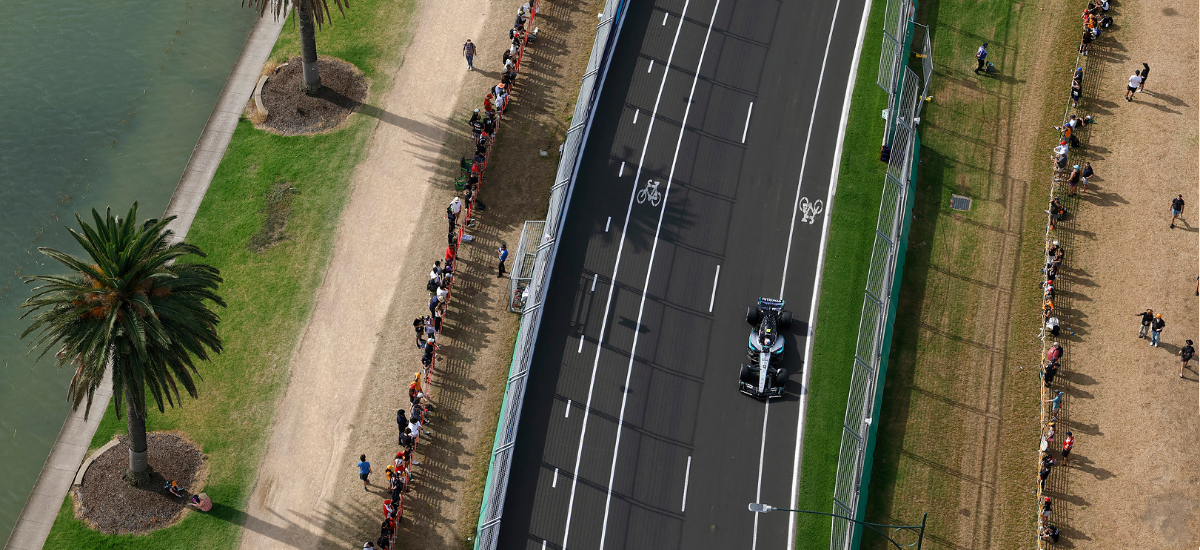
Mercedes Petronas / Photo Getty Images/Mercedes F1 website

Q&A: Your 2026 F1 Questions Answered

RELATED POSTS

Receive the latest news

Subscribe To Our Magazine

Luster Magazine

Digital Magazine

Ingresa los siguientes datos y comienza a disfrutar de nuestra revista digital.