Design

The Discipline of Simplicity

Minimalism redefined luxury through precision, honesty, and intention—celebrating timeless design over fleeting trends and excess.
Por: José Hernández
SIMPLICITY ARMANI
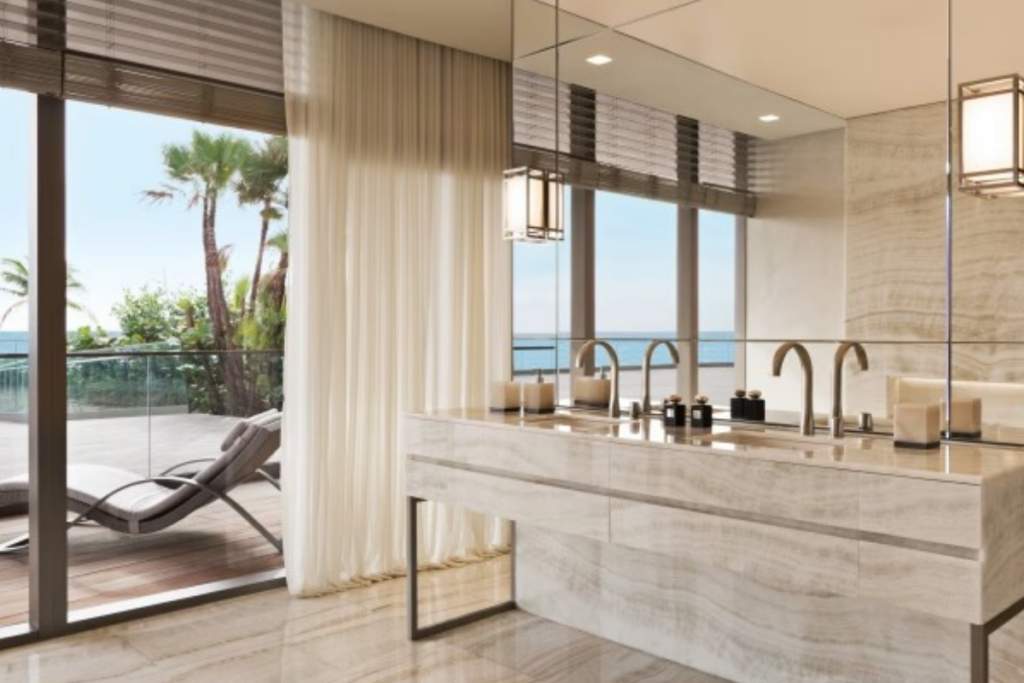
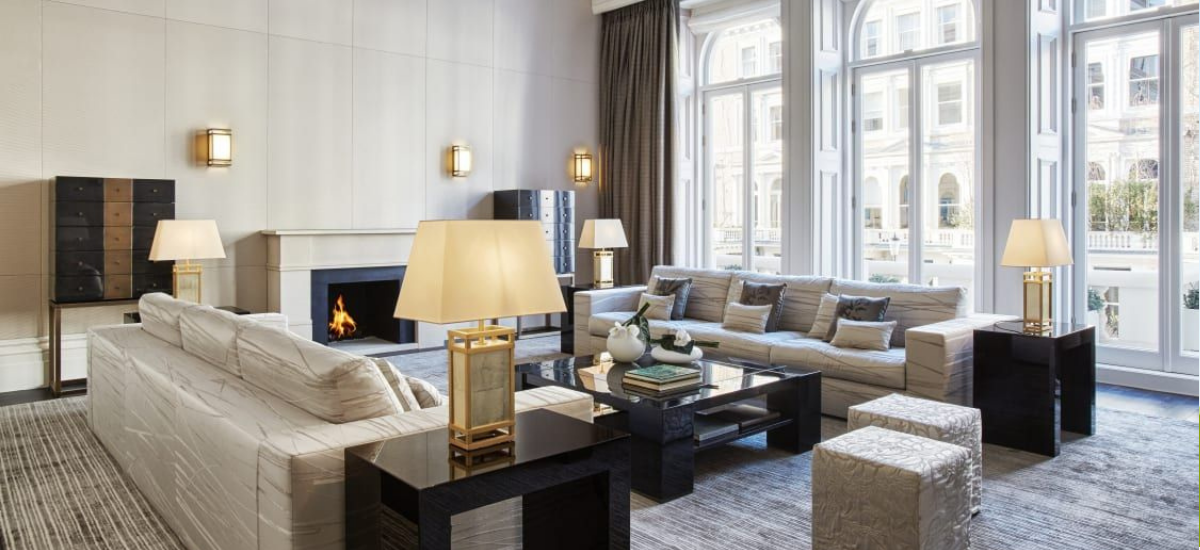
Photo Armani Casa

There is a quiet quality to things that are well made. They don’t seek attention. They don’t need explanation. They stand on their own precision—pure lines, honest materials, exact proportions. No noise.

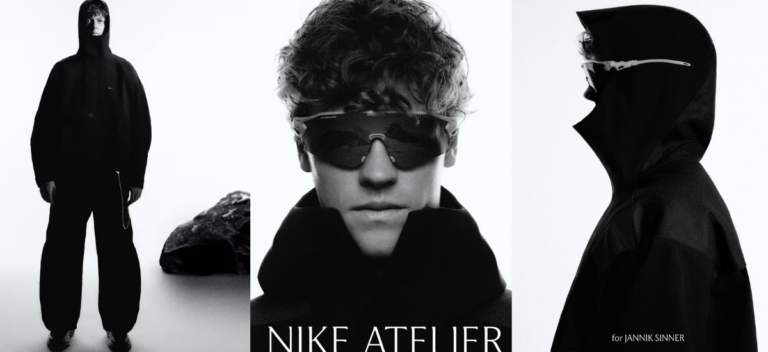
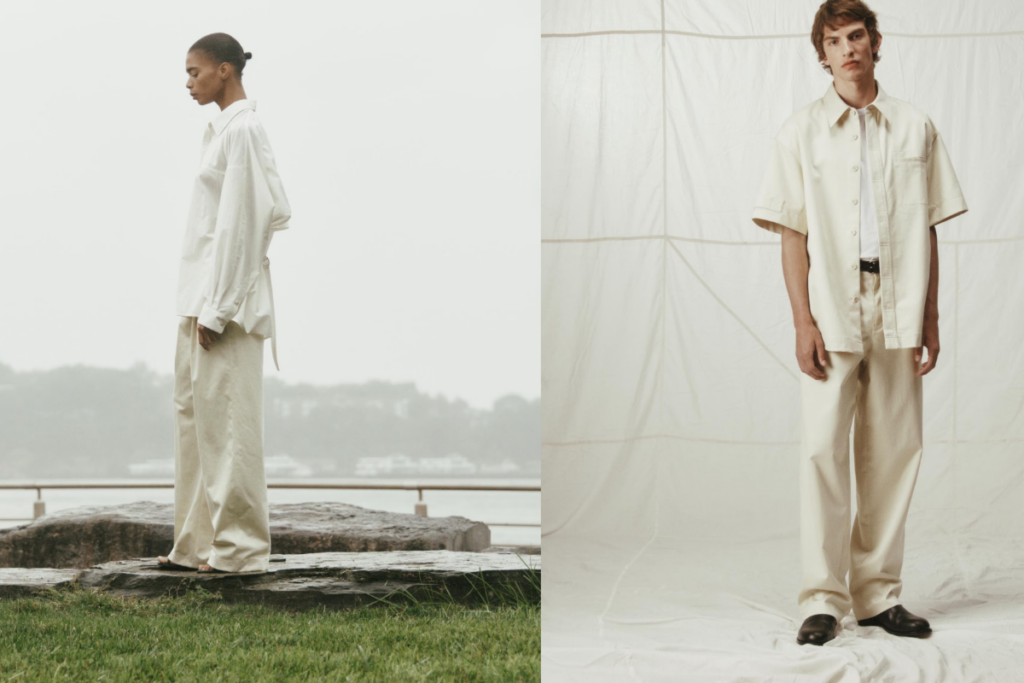
SS Collection 2026 / Photo Helmut Lang

Minimalism: A Cultural Correction, Not a Trend

Minimalism, in its most honest form, was never a trend. It was a correction. It emerged as a cultural response to excess, a search for clarity amid saturation. Where there was once ornamentation, there is now structure. Where there was once display, there is now intention.

In the 1990s, this sensibility redefined luxury. Visionary designers—Calvin Klein, Jil Sander, Helmut Lang, and Giorgio Armani—eliminated the unnecessary, focusing on the essential. Luxury ceased to be visible; it became perceptible, a higher form of precision rather than renunciation.

Designers such as Jil Sander eliminated the unnecessary and brought the focus back to the essential / Photo Jil Sander

Minimalism Today: A Discipline in a World of Excess

Today, in a world defined by speed, constant novelty, and visual excess, simplicity takes on new meaning—not as an aesthetic, but as a discipline. The ability to choose less, but better, is the ultimate act of refinement.

At Luster, this philosophy has defined our vision from the beginning. We don’t follow trends. We observe what remains. We don’t seek visibility. We build permanence. We don’t believe in excess. We believe in precision. True refinement doesn’t need to be advertised. It exists in silence. And it remains.

Photo Armani Casa

Q&A: Minimalism and Iconic Brands

RELATED POSTS

Receive the latest news

Subscribe To Our Magazine

Luster Magazine

Digital Magazine

Ingresa los siguientes datos y comienza a disfrutar de nuestra revista digital.