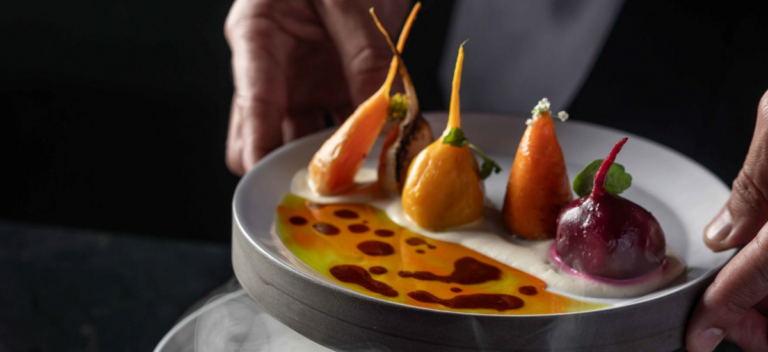
New York’s fine dining scene is undergoing a radical transformation. According to a groundbreaking report by Culinary Architect Studio, the era of heavy cream, foie gras, and opulent excess is fading. In its place, a new philosophy—Functional Fine Dining—is taking center stage, where the biological impact of food and the purity of ingredients now define luxury.
Neuro-Gastronomy: Exploring the New Dining Experience
Neuro-gastronomy and ingredient purity redefine luxury dining, prioritizing brain health, authenticity, and sustainability over old-world opulence in 2026.
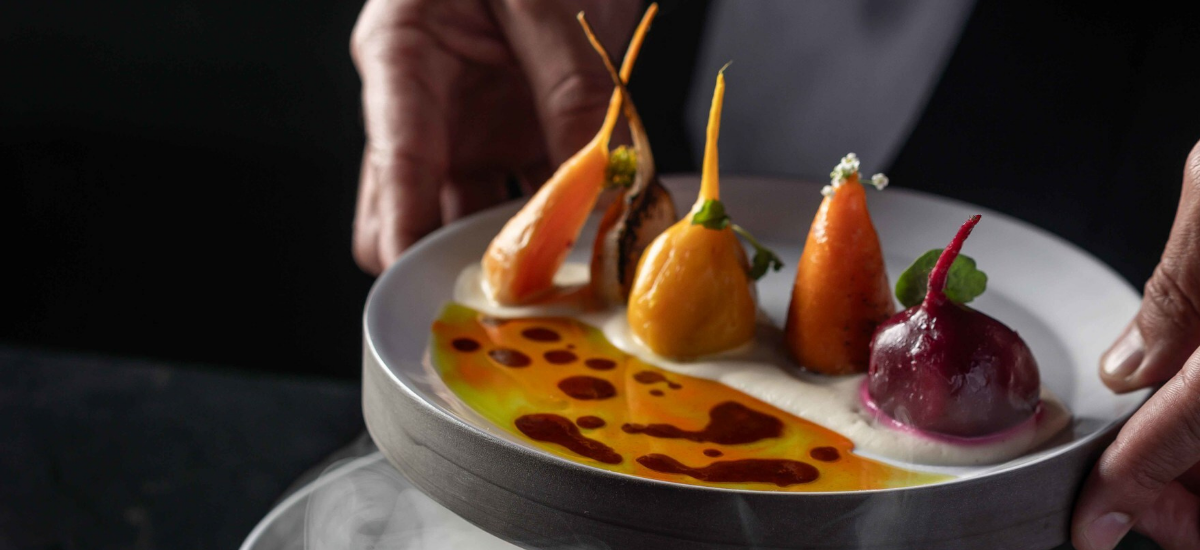
Por: Karla Sofía Espinoza
The report, titled “The Functional Palate,” analyzed over 50 tasting menus and consumer sentiment data in the Tri-State area. Its findings are clear: affluent diners in 2026 are not just eating for pleasure; they are eating for performance, longevity, and authenticity.
Neuro-Gastronomy: Food as Fuel for the Brain
One of the most striking trends identified is the rise of Neuro-Gastronomy—a movement where meals are designed to optimize cognitive function and mood. The post-2025 diner is no longer satisfied with dishes that leave them sluggish. Instead, they seek nootropic ingredients, high-absorption lipids, and gut-brain axis support to enhance mental clarity and energy.
“It’s not about counting calories anymore; it’s about how food affects your brain,” the report states. Chefs are now incorporating ingredients like lion’s mane mushrooms, adaptogenic herbs, and omega-3-rich oils to create dishes that deliver intensity without the crash often caused by processed foods.
This shift is particularly evident in the decline of traditional French and steakhouse dining, which are being replaced by menus engineered for energy optimization and vitality.
Hyper-Authenticity: The Death of Fake Substitutes
Another key finding is the rejection of engineered substitutes. Diners—whether vegan, kosher, or flexitarian—are demanding real, unadulterated ingredients. The report highlights the adoption of Oleic Architecture, a method developed by Chef Eitan Eliraz that structures plant-based fats to outperform dairy without synthetic stabilizers.
“If a menu item isn’t butter, it shouldn’t try to be a fake version of it,” says Eliraz. “It should be an elevated expression of single-origin olive oil.” Authenticity is the only currency that matters in 2026.
This philosophy extends beyond plant-based dining. High-end consumers are scrutinizing ingredient lists, rejecting ultra-processed bases, and demanding total transparency from restaurants.
Circular Gastronomy: Sustainability as a Culinary Standard
Sustainability has evolved from a moral obligation to a technical flex. The report predicts that Root-to-Fruit utilization—using every part of an ingredient—will become the new standard for chef mastery. In 2026, waste is not just an environmental error; it’s a culinary failure.
High-end diners now view sustainability as a mark of culinary excellence, not just ethical responsibility. Restaurants that fail to adopt circular practices risk losing market share among Gen Z and Millennial high-earners.
The Future of Fine Dining: What Diners Really Want
So, what are today’s affluent diners looking for?
Brain-boosting meals that enhance focus and energy.
Hyper-authentic ingredients with no artificial substitutes.
Transparent sourcing and sustainable practices.
An immersive dining experience that values time and mindfulness.
The report concludes that the future of fine dining is not about extravagance, but about intention. Restaurants that prioritize neuro-gastronomy, ingredient purity, and circular gastronomy will lead the next decade of hospitality.
Q&A’s About Neuro-Gastronomy and Ingredient Purity
- What is Neuro-Gastronomy? Neuro-Gastronomy is the science of designing meals to boost brain function, mood, and energy using nootropic ingredients and gut-brain axis support.
- Why are diners rejecting fake substitutes? Modern diners value authenticity over imitation, preferring elevated natural ingredients to processed or synthetic alternatives.
- How does Circular Gastronomy work? Circular Gastronomy maximizes ingredient use, eliminating waste by utilizing every part of a plant or animal in creative ways.
- What are nootropic ingredients? Nootropics are brain-boosting foods like lion’s mane mushrooms, adaptogens, and omega-3s that enhance cognitive performance.
- Why is sustainability now a luxury standard? High-end diners see sustainable practices as a mark of culinary mastery, not just ethical responsibility, making it essential for fine dining.