Art

The Savonnerie Carpets of Louis XIV Return in 2026

The lost Savonnerie carpets of Louis XIV resurface in 2026. Discover their political origins, invisible labor, and rare public display in Paris and New York.

Por: Angela Leon Cervera
Savonnerie carpets
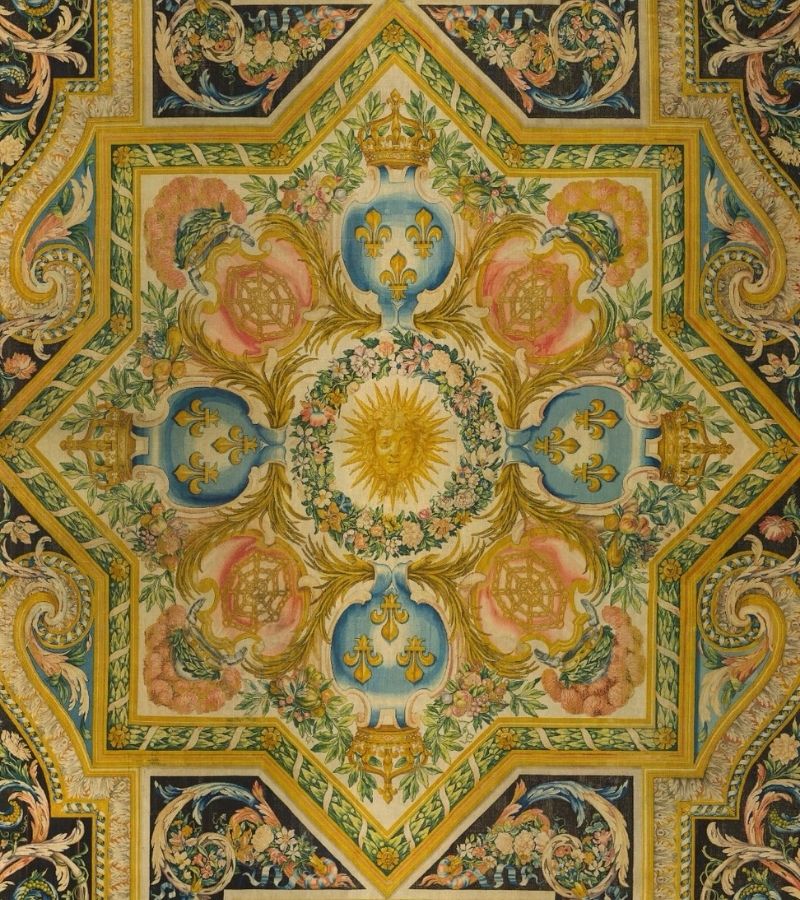
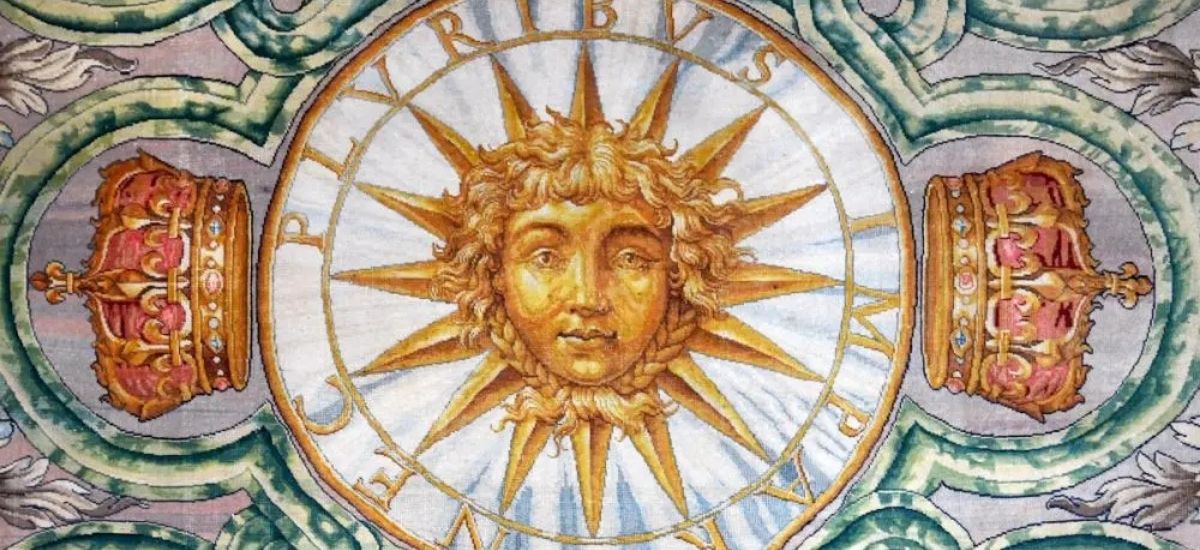
Le Trésor retrouvé du Roi-Soleil. Photo: @le_grand_palais

In seventeenth century France, decorative arts became instruments of power. Few projects embody this ambition like the Savonnerie carpets commissioned by Louis XIV for the Grande Galerie of the Louvre. Designed to crown the monarchy’s visual authority, they were never used as intended.


In 2026, history bends back on itself. For the first time, a significant group of these carpets will be displayed together, allowing the public to experience a vision conceived over three centuries ago.
Savonnerie carpets
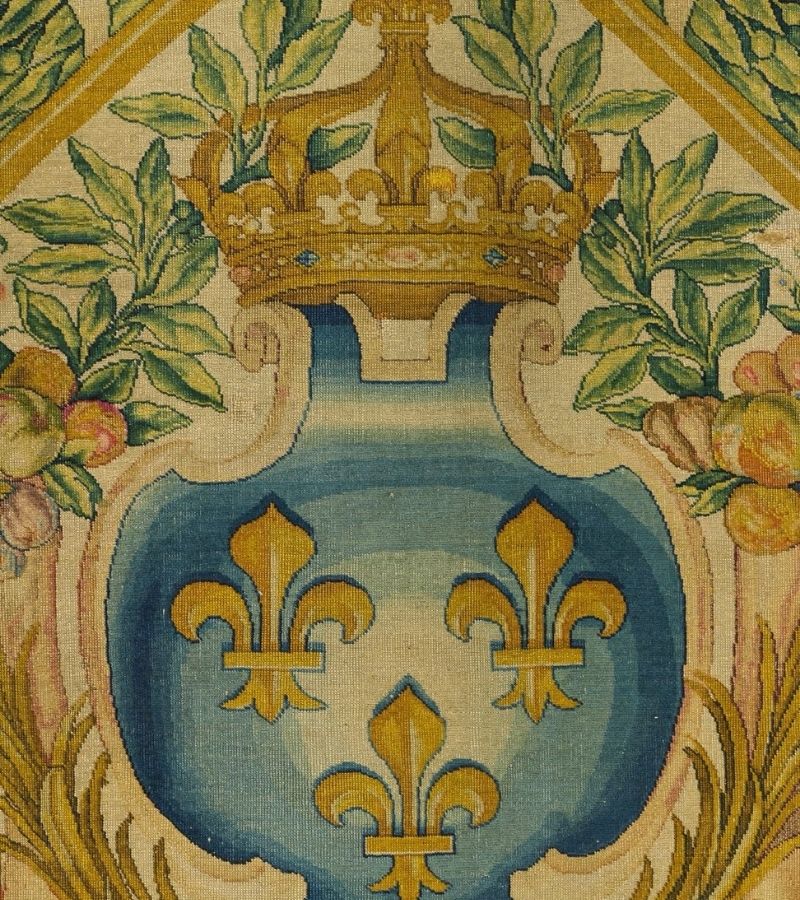
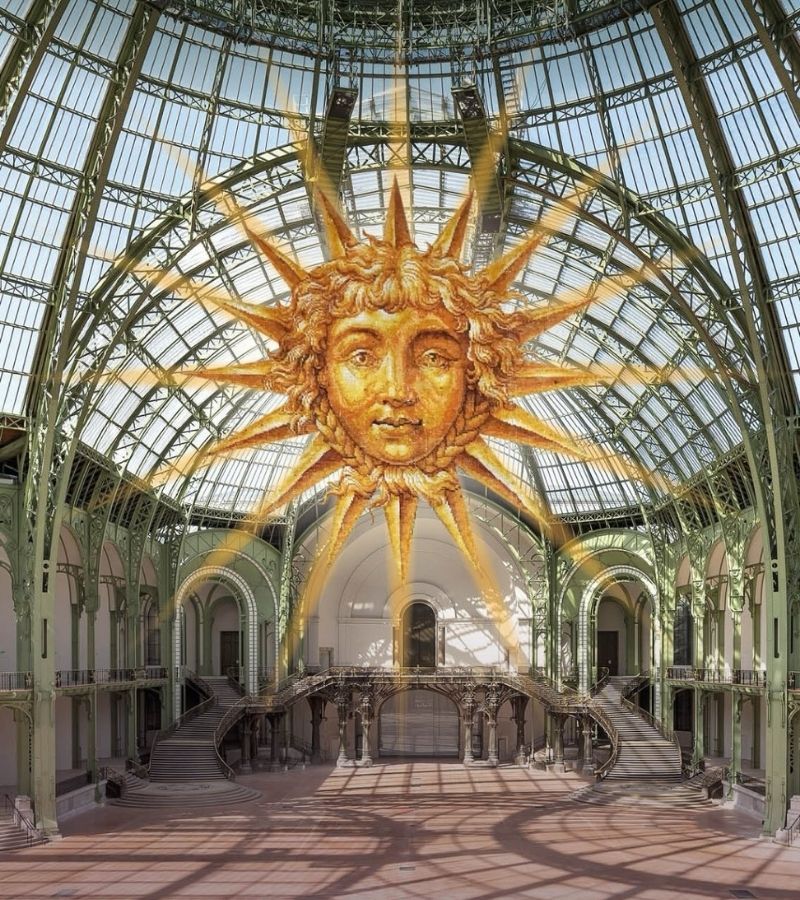
Le Trésor retrouvé du Roi-Soleil. Photo: @le_grand_palais

Why Were the Savonnerie Carpets Created

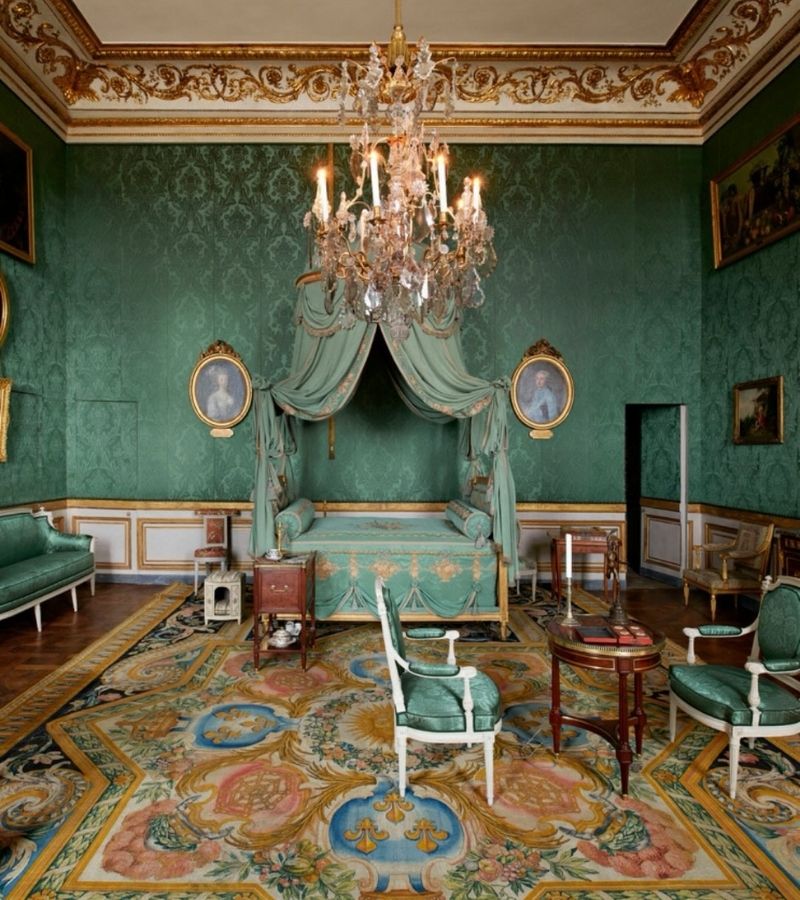
Under the guidance of Jean-Baptiste Colbert, Louis XIV transformed luxury into state policy. The Savonnerie manufactory produced knotted pile carpets meant to rival Ottoman and Persian imports. These works were exclusive royal property and tightly controlled.


Artistic direction fell to Charles Le Brun, who unified architecture, painting, and textile design. Each carpet followed a strict visual program. Dark grounds, acanthus scrolls, central medallions, and allegories of royal virtue formed a coherent political language.

Savonnerie carpets
Le Trésor retrouvé du Roi-Soleil. Photo: @le_grand_palais

The Invisible Labor Behind Royal Luxury

The Savonnerie technique relied on symmetrical knots tied on high-warp looms. This allowed unmatched color depth and precision. Production was slow. A single carpet could take years.


Much of the labor came from orphans and adolescents trained for their dexterity and eyesight. Their contribution rarely appears in official records. These carpets are masterpieces, but also documents of hidden labor embedded in absolutist grandeur.

From Storage to Rediscovery

As Louis XIV shifted his court to Versailles, the Louvre project lost priority. Completed carpets were stored by the Crown rather than installed. This decision preserved them.


After the French Revolution, many were damaged, sold, or dispersed across Europe and the United States. Today, fragments survive in institutions such as the Metropolitan Museum of Art.


In February 2026, around thirty original carpets will be displayed under the glass nave of the Grand Palais. The scale finally matches the ambition.

Le Trésor retrouvé du Roi-Soleil. Photo: @le_grand_palais

The Savonnerie carpets were designed to be walked upon, yet survived because they were not. Their return is not nostalgic. It is corrective. In 2026, visitors will encounter not just royal luxury, but the full weight of art, labor, and political imagination woven into wool.

FAQ. Seeing the Savonnerie Carpets Today

Receive the latest news

Subscribe To Our Magazine

Luster Magazine

Digital Magazine

Ingresa los siguientes datos y comienza a disfrutar de nuestra revista digital.