Art

Art Basel Qatar 2026 and the Future of Cultural Exchange

Art Basel Qatar 2026 redefines the art fair model through curatorial depth, regional focus, and global ambition, positioning Doha as a new cultural capital.

Por: Angela Leon Cervera
Art Basel Qatar 2026
Doha Courtesy of Art Basel.

The launch of Art Basel Qatar 2026 marks a decisive shift in how global art fairs operate. Scheduled for February 5 to 7, 2026 in Doha, this fifth Art Basel edition joins Basel, Miami Beach, Hong Kong, and Paris while proposing a radically different model. Developed with Qatar Sports Investments and QC+, the fair reflects two decades of sustained cultural investment by Qatar.


Rather than replicating a commercial template, Art Basel Qatar introduces a format shaped by curatorial intent and regional specificity. The goal is clear: reposition Doha within the global art conversation while challenging how art is encountered, not just sold.
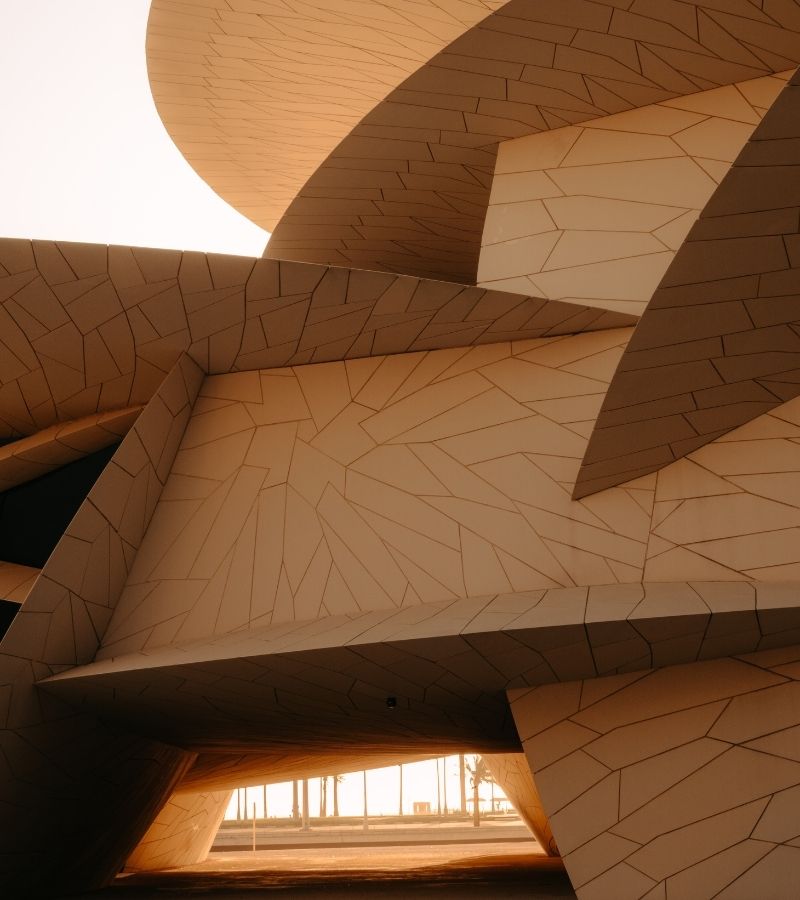
Art Basel Qatar 2026
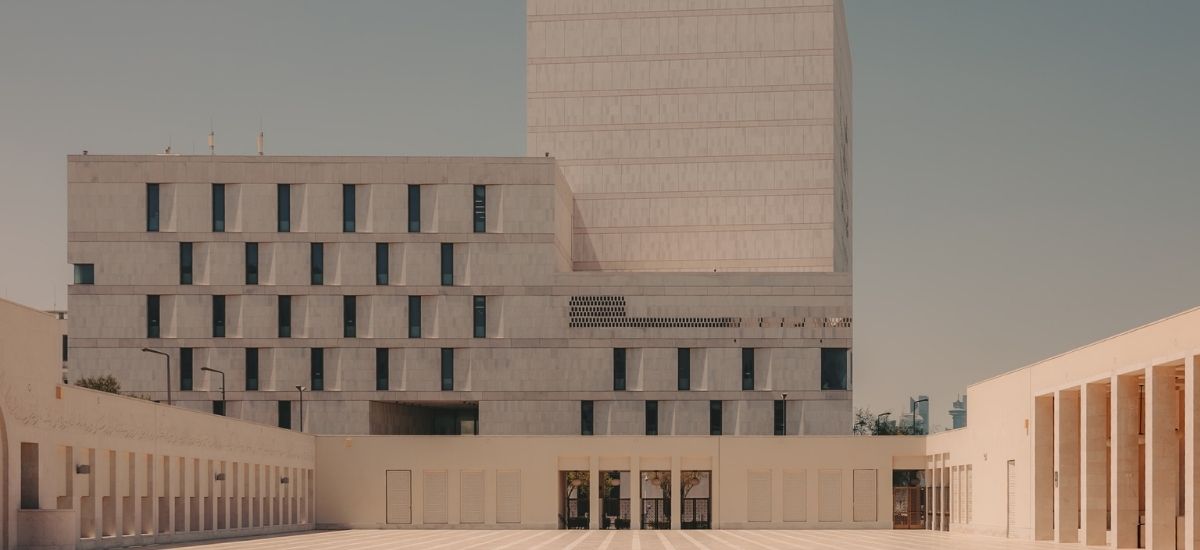
National Museum of Qatar Courtesy of Art Basel

How Does Art Basel Qatar 2026 Redefine the Art Fair Model?

For the first time in Art Basel history, an artist serves as artistic director. Wael Shawky leads the fair with an open exhibition layout that replaces traditional booths. The design encourages slower viewing and deeper engagement.


Eighty-seven galleries from thirty-one countries present primarily solo projects. Each presentation functions as a focused exhibition rather than a dense sales display. This approach restores narrative context and curatorial coherence within a commercial environment.

Art Basel Qatar 2026
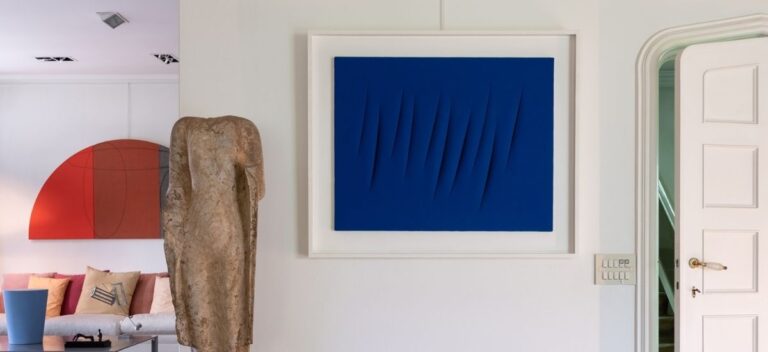
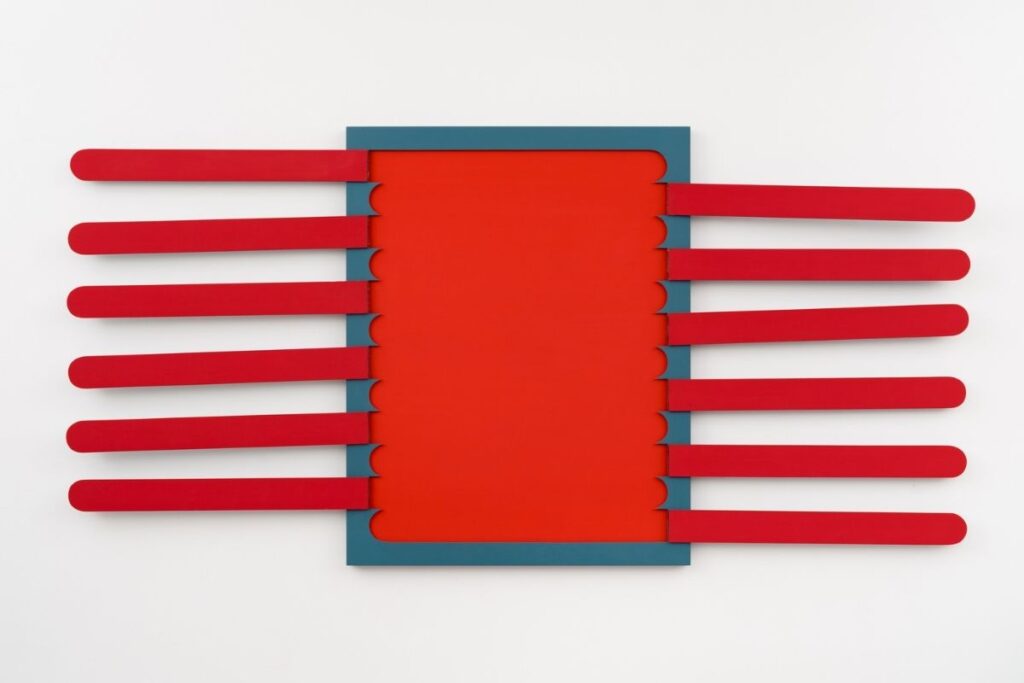
Luxembourg + Co. Katsumi Nakai, Hiraku, c. 1982. Courtesy of Luxembourg + Co. Photograph by Damian Griffiths.
Art Basel Qatar 2026
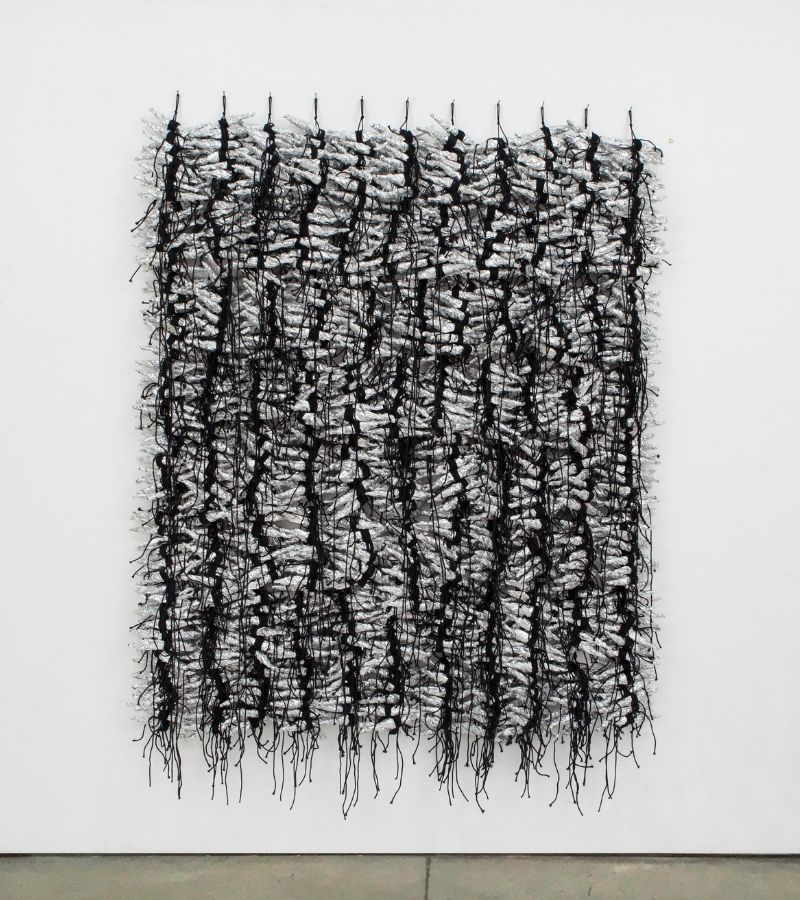
Gallery Isabelle Hassan Sharif, Aluminium Container, 2016. Courtesy of the Estate of Hassan Sharif and Gallery Isabelle, Dubai

Why Is Msheireb Downtown Doha Central to Art Basel Qatar 2026?

The fair unfolds across Msheireb Downtown Doha, a landmark sustainable urban regeneration project. Key venues include M7 and the Doha Design District, both integrated into the daily rhythm of the city.


This decentralized layout transforms the fair into a lived experience. Art extends into public spaces, aligning with Msheireb’s LEED-certified architecture and Qatar’s emphasis on cultural sustainability.

What Role Does the MENASA Region Play in Art Basel Qatar 2026?

More than half of the artists represented come from the Middle East, North Africa, and South Asia. Regional galleries debut alongside established international names, creating dialogue rather than hierarchy.


Special projects activate the city through large-scale installations and performances. The Conversations program, co-presented with Qatar Creates Talks, addresses patronage, legacy, and artistic sustainability, reinforcing Doha’s role as a producer of cultural discourse.

Art Basel Qatar 2026
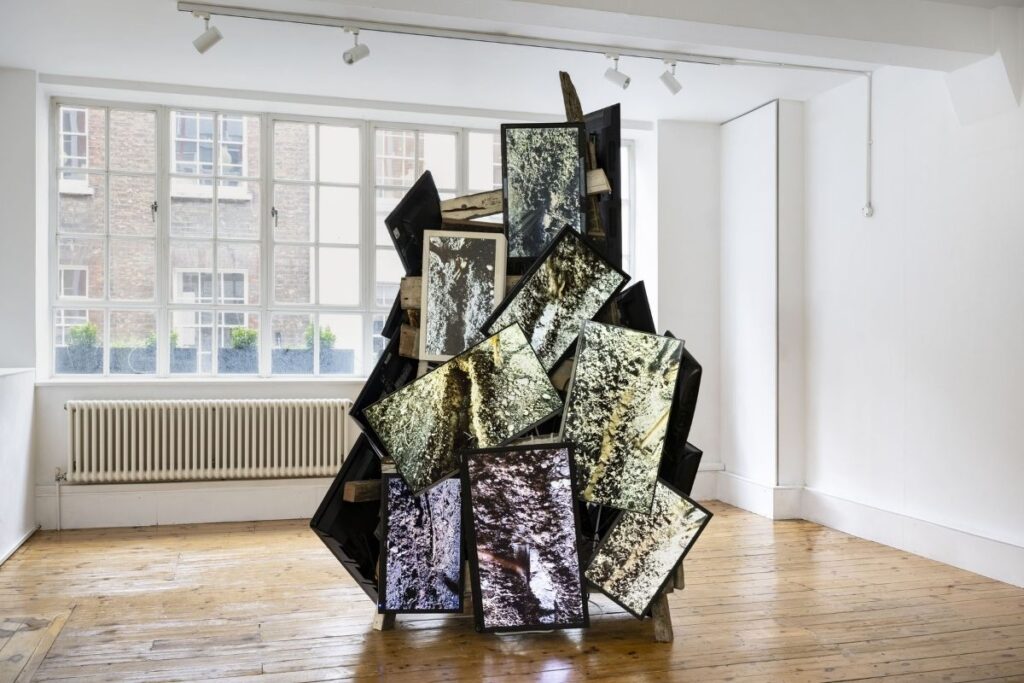
Niru Ratnam Kutluğ Ataman, Mesopotamian Dramaturgies / The Stream. Courtesy of the artist and Niru Ratnam, London. Photograph by Damian Griffiths.

Art Basel Qatar 2026 is not an expansion by scale but by intent. By centering curatorial integrity, regional voices, and urban integration, it proposes a future where art fairs function as cultural platforms. Doha is not positioning itself as a marketplace alone. It is asserting itself as a cultural capital shaped by long-term vision.

FAQ: What You Should Know About Art Basel Qatar 2026

Receive the latest news

Subscribe To Our Magazine

Luster Magazine

Digital Magazine

Ingresa los siguientes datos y comienza a disfrutar de nuestra revista digital.