Art

Antonello da Messina Ecce Homo at Sotheby’s 2026

Antonello da Messina Ecce Homo leads Sotheby’s Master Paintings 2026, redefining Old Masters as cultural and financial anchors in a recalibrated global art market.

Por: Angela Leon Cervera
Antonello da Messina Ecce Homo
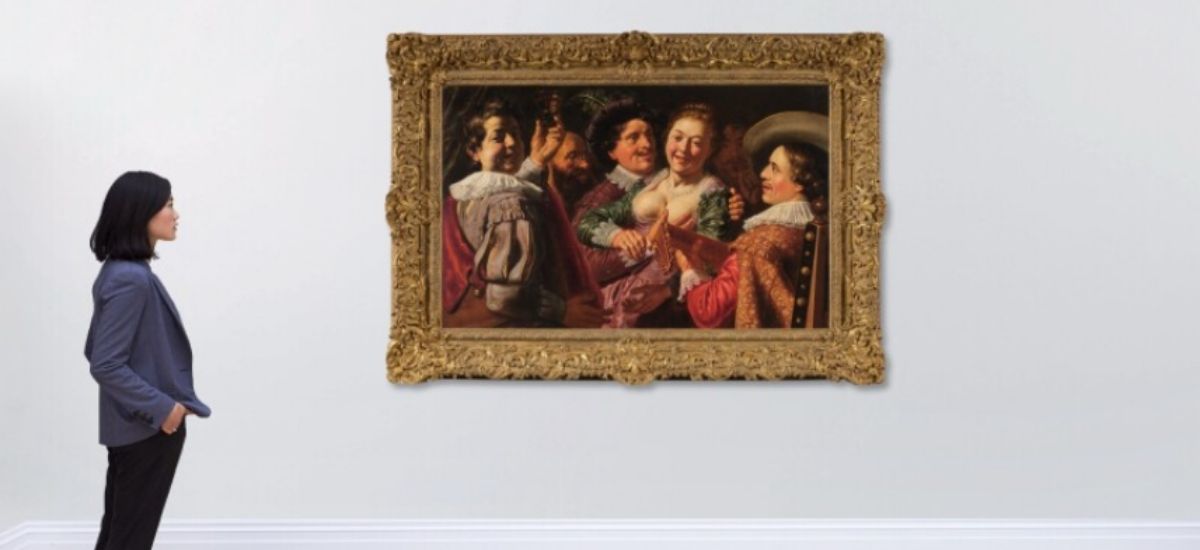
Jan Lievens Allegory of the Five Senses. Courtesy of Sotheby's

In February 2026, Sotheby’s New York presents Master Paintings and Sculpture Part I, a sale that reflects a decisive return to historical depth and material certainty. The auction reframes Old Masters as cultural anchors in a recalibrated global market.


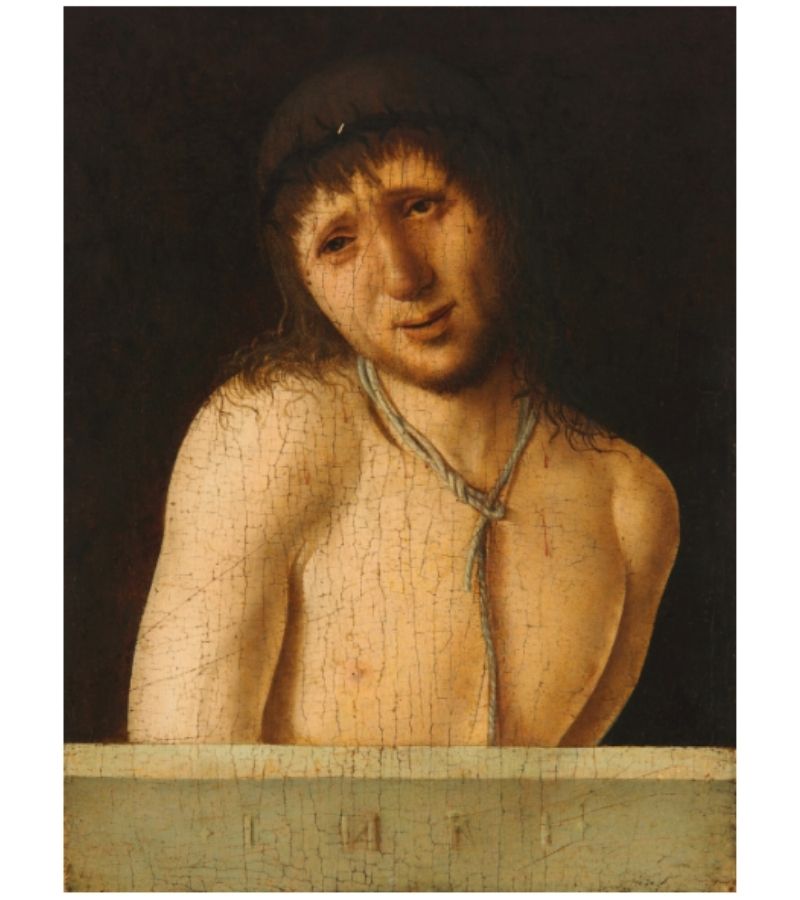
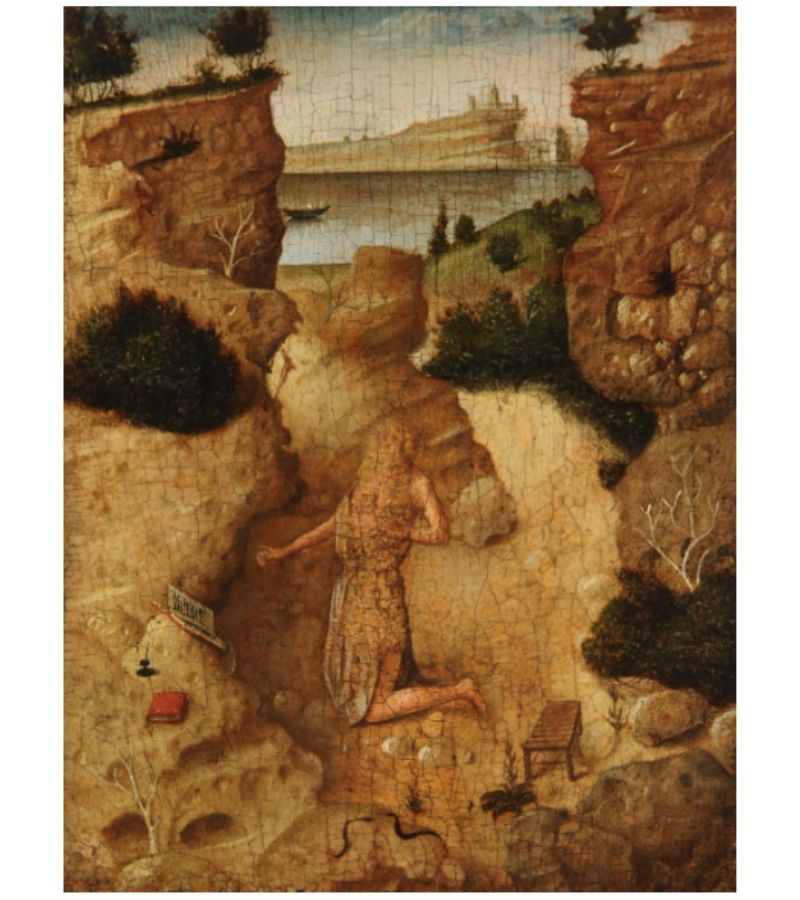
At its core stands a single work that concentrates this shift with rare clarity. Antonello da Messina’s double sided panel Ecce Homo and Saint Jerome in Penitence emerges as the intellectual and economic axis of the sale.
Antonello da Messina Ecce Homo
Antonello da Messina Ecce Homo; Saint Jerome in Penitence. Courtesy of Sotheby's

Why Antonello da Messina Defines Sotheby’s 2026

Antonello da Messina occupies a singular position in European art. Active in the mid fifteenth century, he fused Netherlandish oil technique with Italian spatial clarity. The Sotheby’s panel, dated circa 1460 to 1465, exemplifies this synthesis.


Estimated at 10 to 15 million dollars, it is the only known Ecce Homo by Antonello still in private hands. Its rarity alone positions it as a generational market event.

Antonello da Messina Ecce Homo
Antonello da Messina Ecce Homo; Saint Jerome in Penitence. Courtesy of Sotheby's
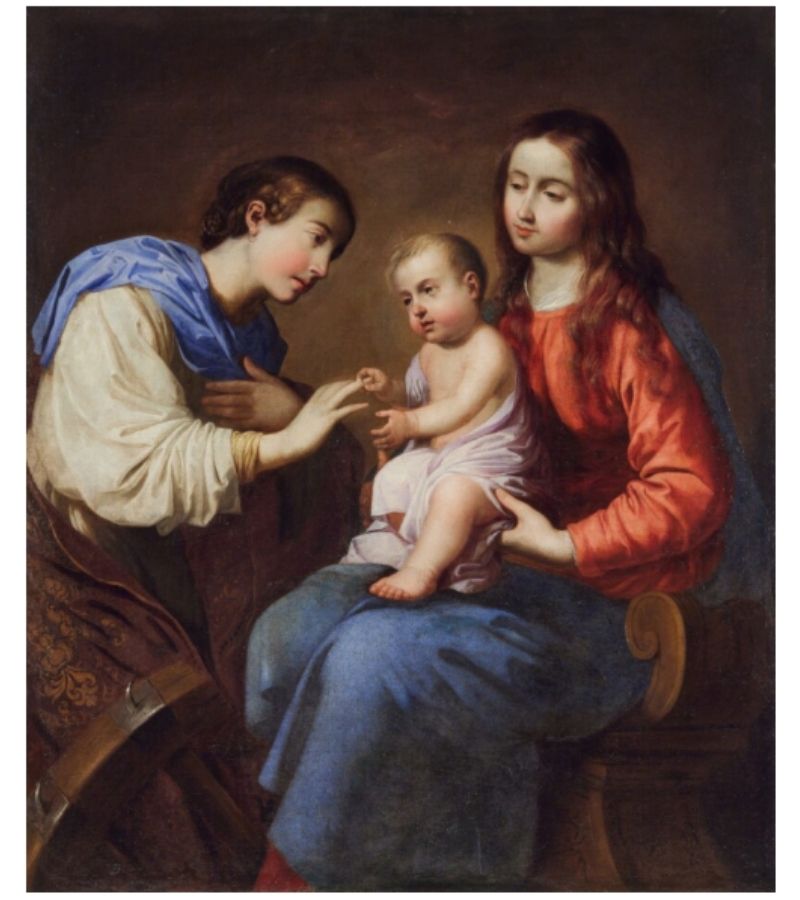
Francisco de Zurbarán Mystic Marriage of Saint Catherine of Alexandria. Courtesy of Sotheby's

Ecce Homo and the Psychology of Oil Painting

The Ecce Homo side confronts the viewer with an unprecedented psychological immediacy. Oil allows Antonello to modulate flesh, light, and suffering with microscopic precision. The gaze of Christ is restrained yet devastating, shaped by tonal transitions rather than dramatic gesture.


This refinement marks a turning point in devotional imagery. The painting does not narrate pain. It invites sustained contemplation, anticipating the emotional realism that later defines Venetian painting.

Saint Jerome and the Evidence of Devotion

The reverse, Saint Jerome in Penitence, offers a quieter register. The figure inhabits a luminous, meditative landscape that balances the intensity of the Ecce Homo.


Notably, surface wear around the saint suggests tactile devotion. The panel functioned as a private object of prayer, handled and kissed over generations. This physical history strengthens its cultural value, not weakens it.

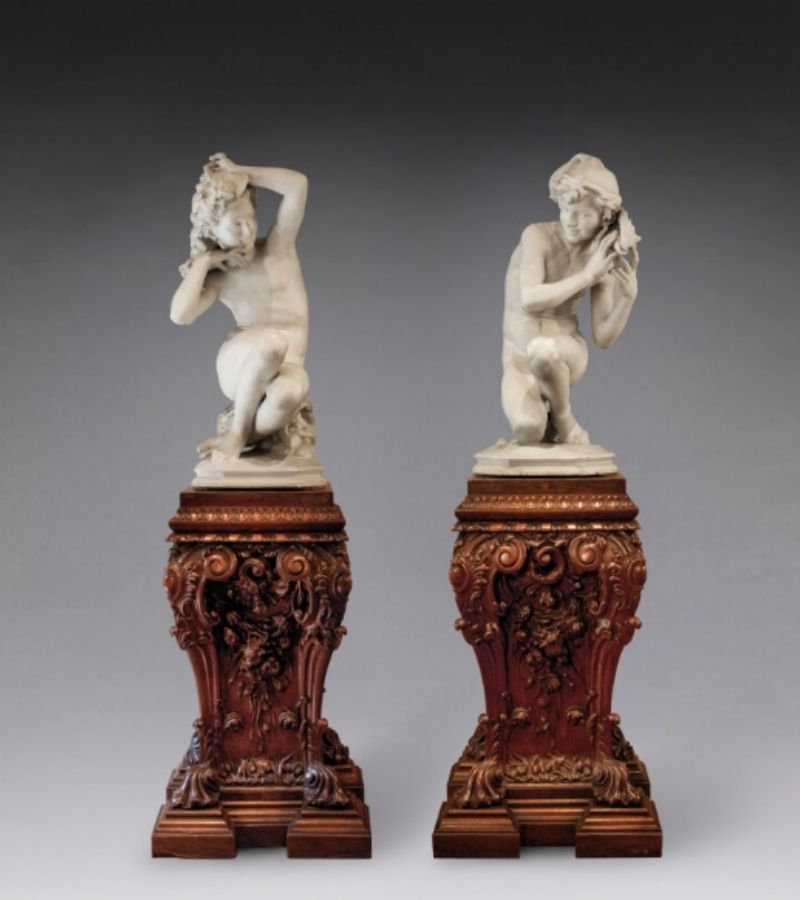
Jean-Baptiste Carpeaux Jeune Fille à la Coquille and Pêcheur à la Coquille. Courtesy of Sotheby's

Antonello da Messina’s Ecce Homo and Saint Jerome in Penitence is more than a highlight. It is a benchmark. At Sotheby’s 2026, it crystallizes why Old Masters remain central to both scholarship and collecting.


In a market shaped by volatility, this panel affirms that technical mastery, historical depth, and human presence still define the highest standard of art.

FAQ | Reading the Market Through a Masterpiece

Receive the latest news

Subscribe To Our Magazine

Luster Magazine

Digital Magazine

Ingresa los siguientes datos y comienza a disfrutar de nuestra revista digital.