Cuisine

The New Guard of Global Cocktail Culture 2026

Six new bars shaping global cocktail culture 2026 through narrative depth, sustainability, and regional identity across the Americas and Asia.

Por: Angela Leon Cervera
global cocktail culture 2025
EXÍMIA. Photo: @eximiabar

In 2026, the global bar scene is undergoing a quiet but decisive transformation. Recognition no longer revolves around spectacle or maximalist technique, but around meaning, restraint, and cultural specificity. New venues gaining international visibility reveal a shift away from the traditional power centers of cocktail culture toward a more decentralized and nuanced landscape.


Across the Americas and Asia, a new generation of bars is redefining what excellence looks like. Their success is not rooted in uniform luxury codes, but in deeply personal narratives, scientific rigor, and regional identity. The following six establishments exemplify this evolution, each translating local culture into a contemporary language of hospitality.
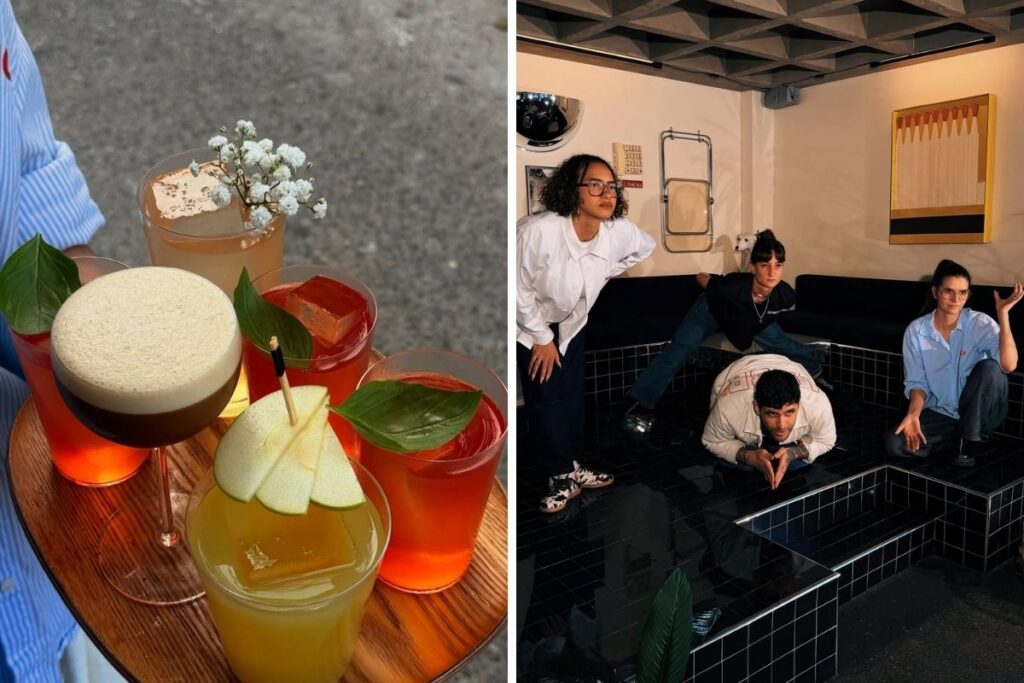
global cocktail culture 2025
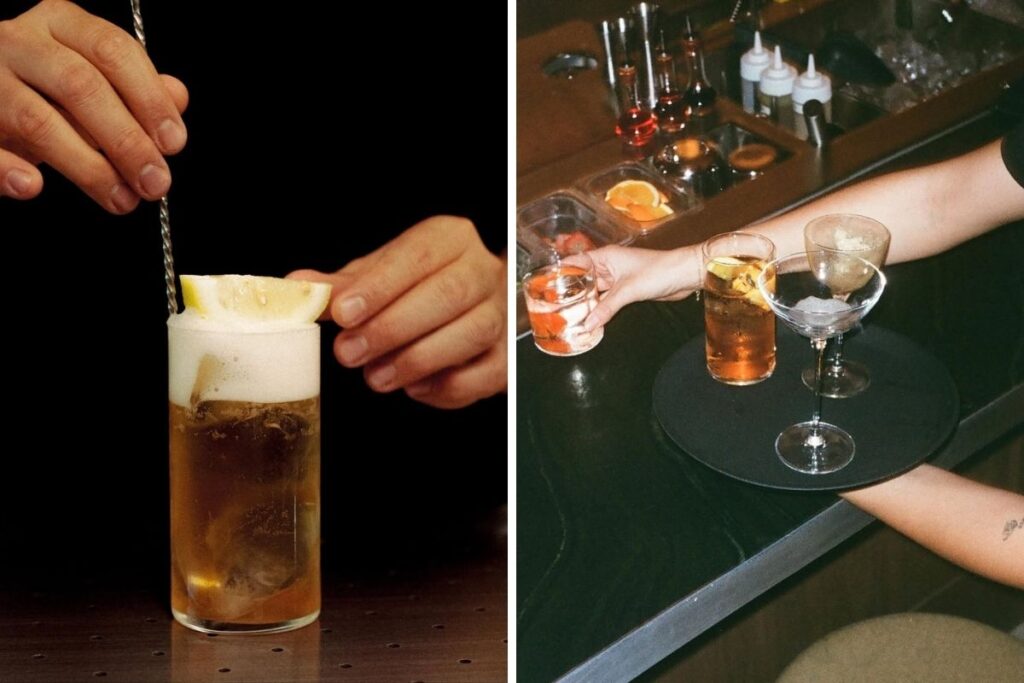
BAR MAURO. Photo: @barmauromx

Bar Mauro: Aperitivo as Cultural Memory

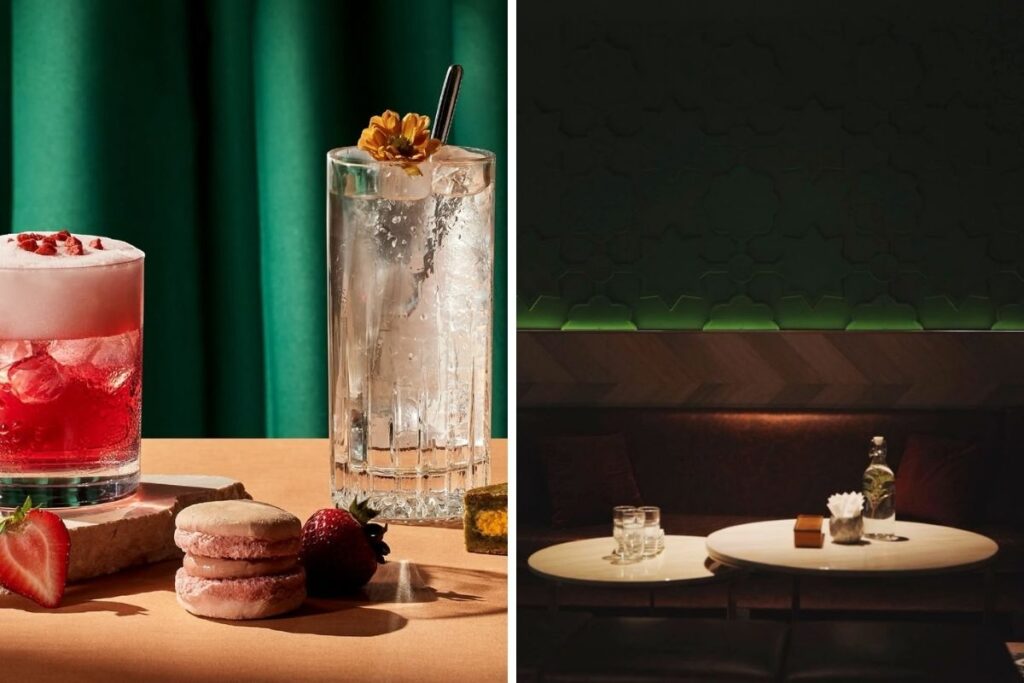
In Mexico City’s Roma Norte, Bar Mauro approaches mixology through remembrance rather than reinvention. Conceived as a tribute to the founders’ grandfather, the bar revives the ritual of aperitivo as an act of social intimacy. Low-alcohol cocktails, vermouths, and amaros encourage lingering rather than consumption-driven pacing.


The interior references 1970s Milan without nostalgia becoming pastiche. Instead, design elements and service rituals reinforce a domestic atmosphere, positioning the bar as an extension of a living room rather than a destination built for performance. Bar Mauro demonstrates how emotional authenticity can function as a contemporary luxury value.

global cocktail culture 2025
Schmuck. Photo: @schmuck.ny

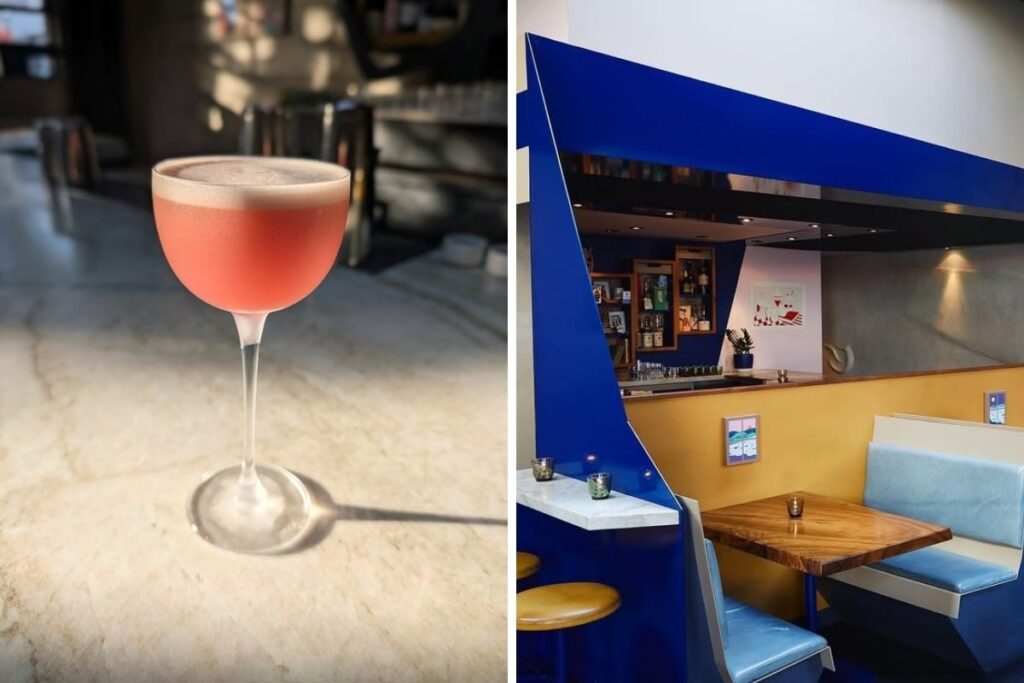
Schmuck: Irreverence as a Design Strategy

Schmuck’s arrival in New York challenges entrenched assumptions about sophistication. The bar’s intentionally informal aesthetic masks a highly disciplined technical approach rooted in culinary technique. Divided into two spaces, the venue plays with the social dynamics of private gatherings rather than formal service models.


Cocktails emphasize bold, legible flavors, despite complex preparation methods behind the scenes. This refusal to aestheticize effort is central to Schmuck’s appeal. By embracing humor, imperfection, and familiarity, the bar reframes luxury as comfort paired with precision.

World’s 50 Best Bars 2025
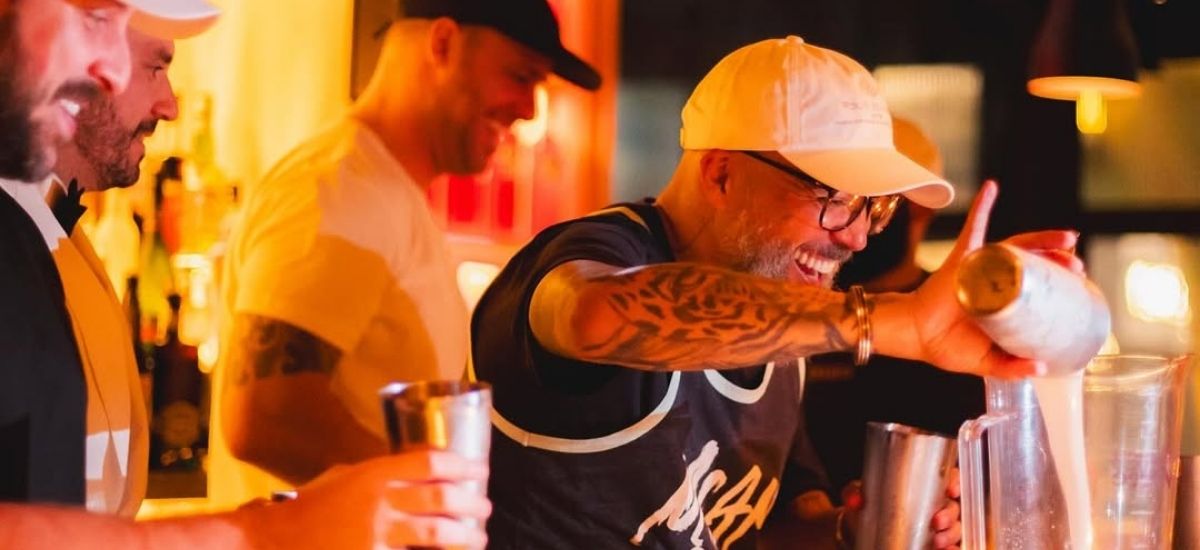
EXÍMIA. Photo: @eximiabar

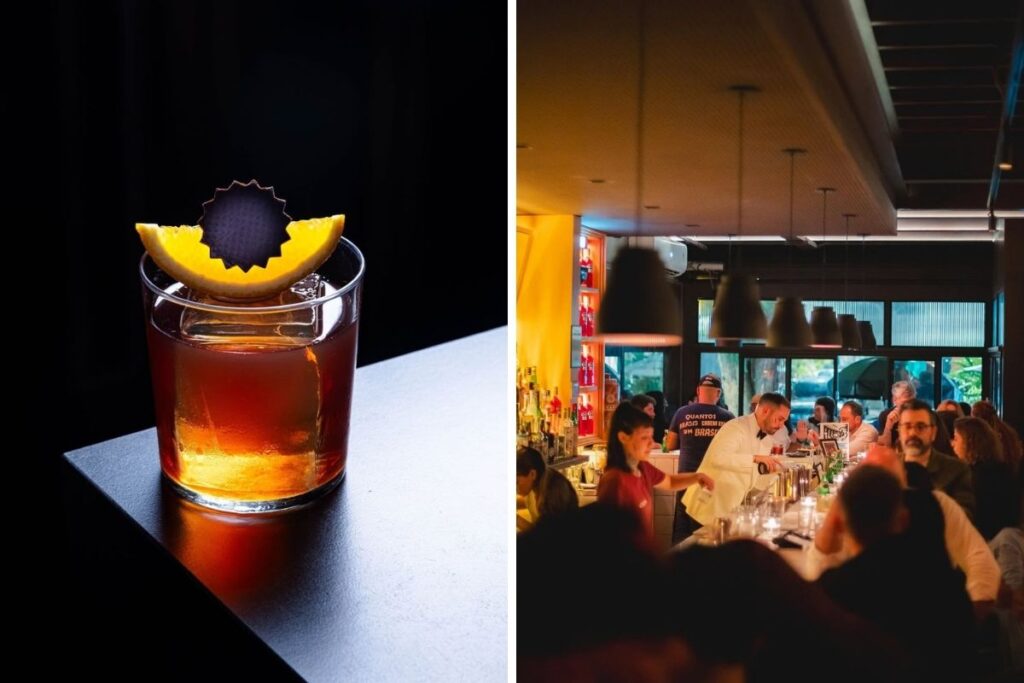
Exímia: Brazilian Identity Without Stereotype

Exímia positions itself as a study in Brazilian cultural anthropology. Rather than leaning on tropical shorthand, the bar explores regional diversity through ingredients, music, and culinary collaboration. Led by Márcio Silva, the concept embraces contradiction, sophistication, and street-level energy simultaneously.


The integration of chef Manu Buffara’s cuisine dissolves boundaries between bar and kitchen, allowing flavors to move fluidly between solid and liquid forms. Exímia’s strength lies in its refusal to simplify Brazil for international consumption, presenting complexity as a mark of refinement.

World’s Best Bars 2025
True Laurel. Photo: @truelaurelsf

True Laurel: Sustainability as Creative Engine

True Laurel represents a mature phase of sustainable hospitality. Here, environmental responsibility is not an ethical add-on but the core of creative decision-making. Zero-waste practices, fermentation, and botanical foraging are employed to expand flavor possibilities rather than restrict them.


The menu evolves constantly based on local availability, reinforcing a relationship with surrounding ecosystems. Transparency, clarity, and restraint define both the drinks and the space. True Laurel illustrates how sustainability, when taken seriously, can elevate technical and aesthetic standards simultaneously.

World’s Best Bars 2025
GOKAN. Photo: @gokan.hk

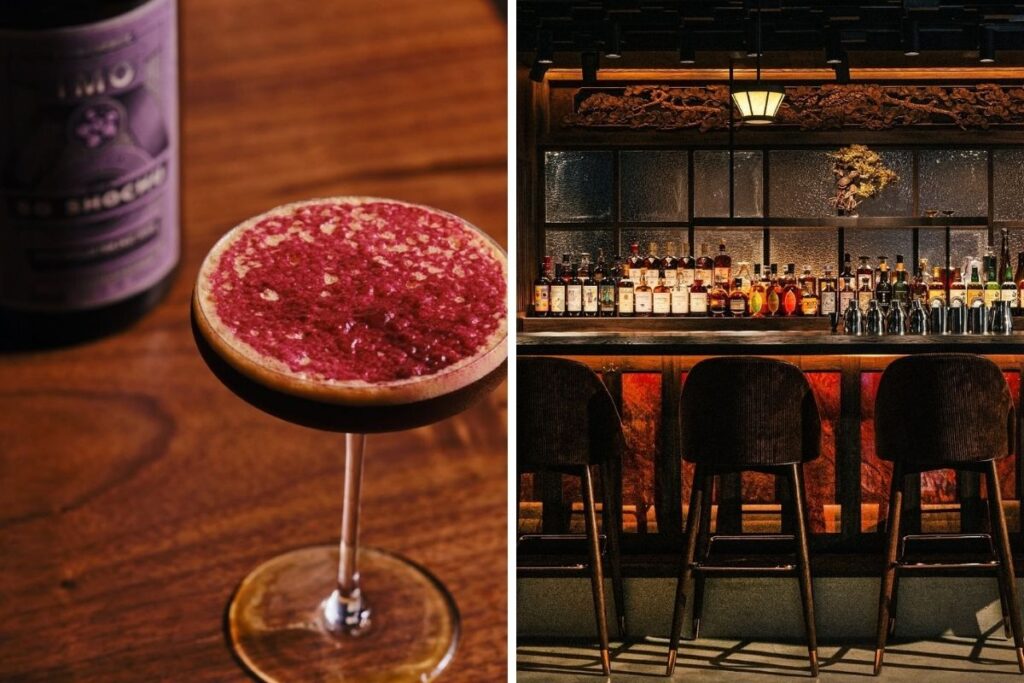
Gokan: Sensory Discipline and Japanese Philosophy

Gokan operates as a sensory framework rather than a conventional bar. Rooted in Japanese philosophy, its structure considers taste, color, technique, and timing as interdependent elements. Drinks and dishes are evaluated holistically, eliminating traditional distinctions between bar and restaurant.


Set within a carefully aged historic interior, the space evokes continuity rather than novelty. Precision governs every gesture, from ice carving to plating. Gokan reflects a broader Asian approach to luxury, where mastery and discipline outweigh spectacle.

World’s Best Bars 2025
Vender. Photo: @venderbar

Vender: Playfulness as Cultural Interface

Vender introduces gamification into high-end hospitality without sacrificing seriousness. Entry through a vending-machine façade establishes participation as ritual, while interactive menus engage the senses before ordering even begins.


Southeast Asian flavors are translated into cocktails and dishes that reference Singaporean street culture through a Taiwanese lens. The result is neither ironic nor nostalgic, but genuinely playful. Vender shows how joy and curiosity can coexist with technical rigor in contemporary bar culture.

Taken together, these six bars reveal a shared trajectory in global hospitality. Luxury is no longer measured by exclusivity or excess, but by relevance, responsibility, and emotional clarity. Each venue builds value through narrative coherence rather than brand alignment.


The emerging global guard favors depth over display, locality over uniformity, and human connection over performance. In doing so, it quietly reshapes the future of cocktail culture.

FAQ — Understanding the New Language of Bars

Receive the latest news

Subscribe To Our Magazine

Luster Magazine

Digital Magazine

Ingresa los siguientes datos y comienza a disfrutar de nuestra revista digital.