Architecture

Gallery-style Homes: Residences Designed to Exhibit, Not Just to Live

The idea of residential space is changing across global luxury markets. Homes are no longer neutral backdrops for art.

Por: Rubén Carrillo
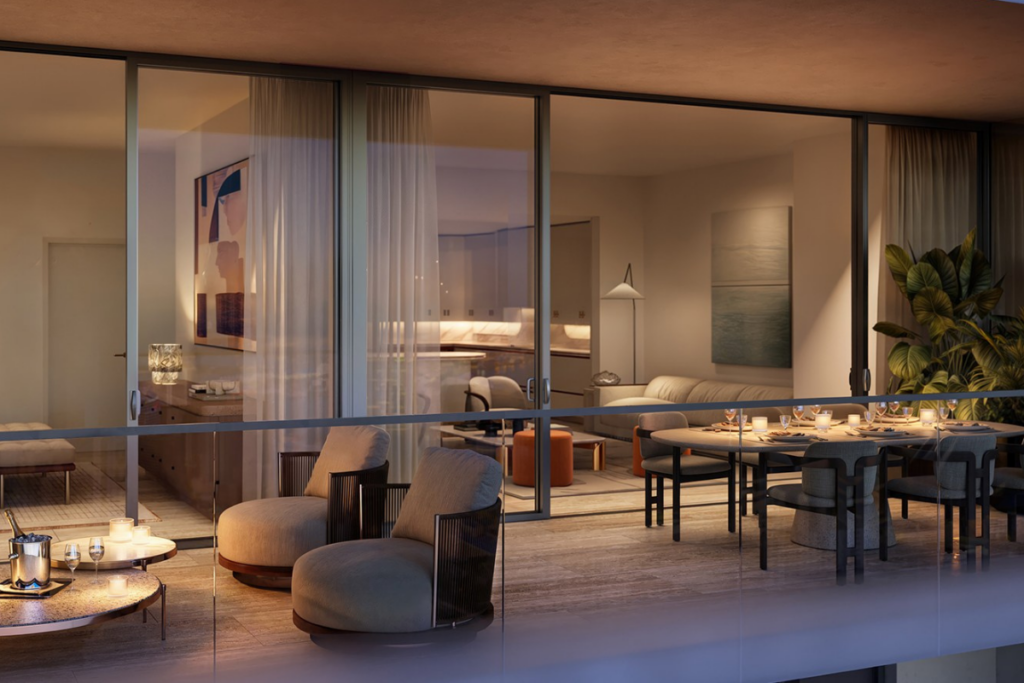
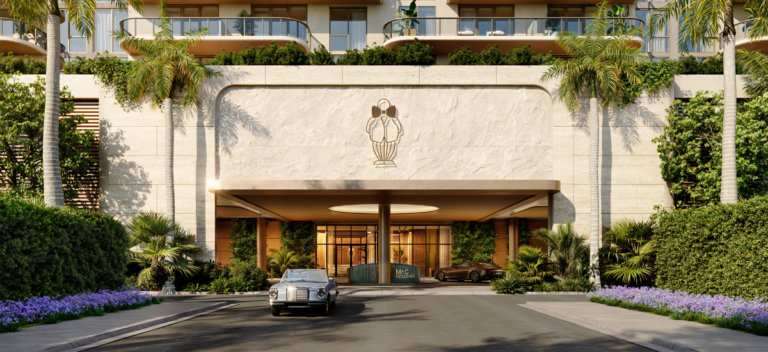
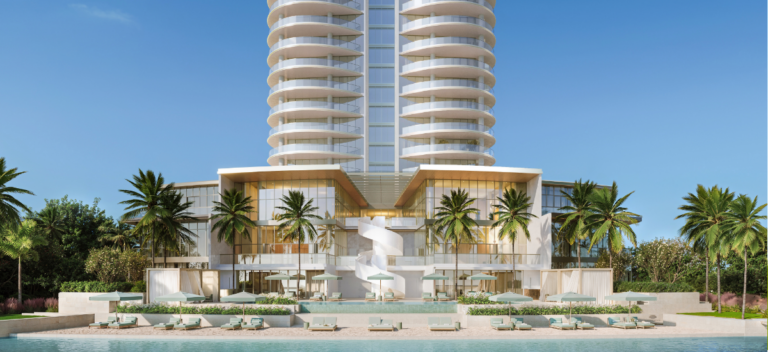
UNA Residences Brickell
Photo: UNA Residences website

Homes that live like galleries define a fast-maturing niche within high-end real estate.

These properties prioritize museum-level standards over decorative appeal. They are built to protect, display, and elevate serious art collections.

In South Florida, this evolution is accelerating rapidly.

What began as curated lobbies has expanded into entire towers and private residences.

These spaces function simultaneously as homes, exhibition venues, and cultural statements.

Unlike traditional luxury interiors, gallery-oriented homes focus on infrastructure first. Walls, ceilings, climate systems, and building rules are conceived with art as the central occupant.

Furniture becomes secondary. Art becomes the organizing principle.
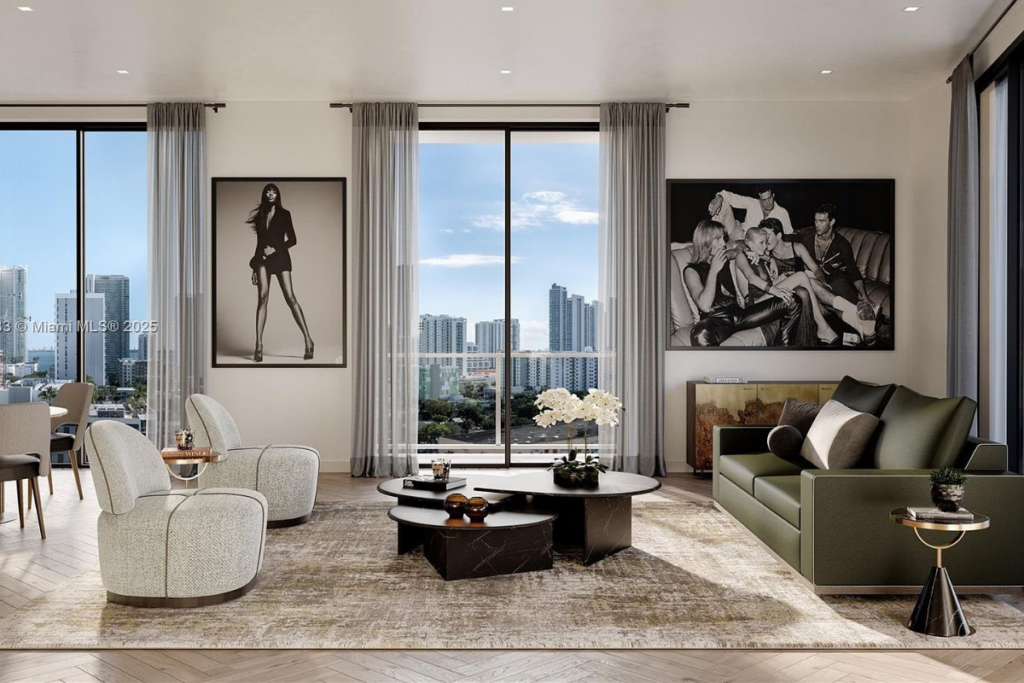
The Rider Residences / Photographs pictured copyright: © Sebastian Kim/August (left) Photographs pictured copyright: © Bill Bernstein/The Morrison Hotel Gallery (right) / Photo via Zillow

Why Gallery-Oriented Living Is Expanding

Several converging forces explain the rise of Homes – art galleries. The shift reflects changing collector behavior and global mobility patterns.

Collectors are bringing significant works out of storage. After years of vaulting art or lending to institutions, many now want proximity. Living with art has become part of daily wellness and intellectual engagement.

In cities like Miami, art integration now communicates credibility and discernment. A coherent curatorial strategy can elevate perception as much as architecture itself.

Buildings with integrated art programs photograph more consistently. They stage more cleanly. They often perform better in resale scenarios.

For internationally mobile buyers, gallery-caliber homes feel familiar. Many have lived in art-forward residences in New York or London. South Florida is now matching those expectations.

Policy and risk management also play a role. As artwork values increase, collectors scrutinize installation rules carefully. Climate stability, insurance protocols, and delivery access are no longer negotiable.

In this context, these Gallery-style homes represent an operational product type. They are less about style. They are about control and longevity.

Photo Faena Residences website

South Florida as a Natural Laboratory

South Florida offers ideal conditions for gallery-oriented living. The region combines global collectors, active development, and seasonal cultural gravity. Art Basel Miami Beach amplifies this dynamic every year.

Luxury towers in Brickell and Miami Beach increasingly use art as differentiation, such as Faena Residences, The Rider in Midtown Miami, and UNA Tower. The strategy extends beyond entrance statements. Art now defines circulation, corridors, and amenity spaces.

Some condo-hotel hybrids have assembled permanent collections. Large-scale installations anchor lobbies and pool decks. 

Private interiors are also evolving. Buyers are advised to evaluate wall planes and daylight exposure early. 

Freight elevator access matters. Loading protocols matter. Installation permissions matter.

These considerations are now standard during luxury transactions.

Miami Beach leans toward cultural resort living. Art softens leisure environments. Arrival becomes ritualized and intentional.

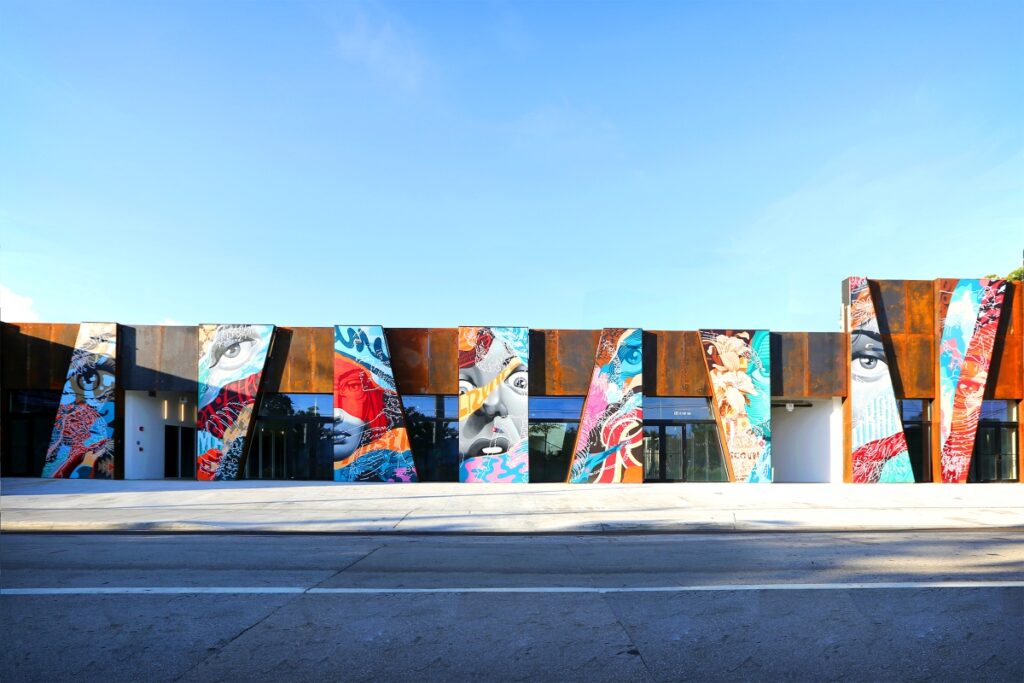
Wynwood’s influence encourages bolder contemporary expression. Conversation pieces feel more normalized. Residential spaces borrow from studio culture.

Miami Beach leans toward cultural resort living. Art softens leisure environments. Arrival becomes ritualized and intentional / Photo Wynwood Arcade

Gallery Living Beyond Towers

Single-family homes reveal the trend more explicitly. Renovations increasingly subordinate design to curatorial intent.

Open-plan, white-cube strategies dominate. Double-height rooms allow flexibility. Minimal finishes reduce visual noise.

Light wells and clerestory windows deliver controlled illumination. Homes feel residential yet institutional.

Architect-designed precedents reinforce this direction. Residential projects now operate as long-term exhibition infrastructure. Privacy and light control coexist deliberately.

In Palm Beach, gallery-style estates are marketed directly. Installation days are documented as part of the sales story. Gardens double as sculpture courts.

Art Deco and Mediterranean Revival already function as theatrical backdrops. Architecture and display have long coexisted here.

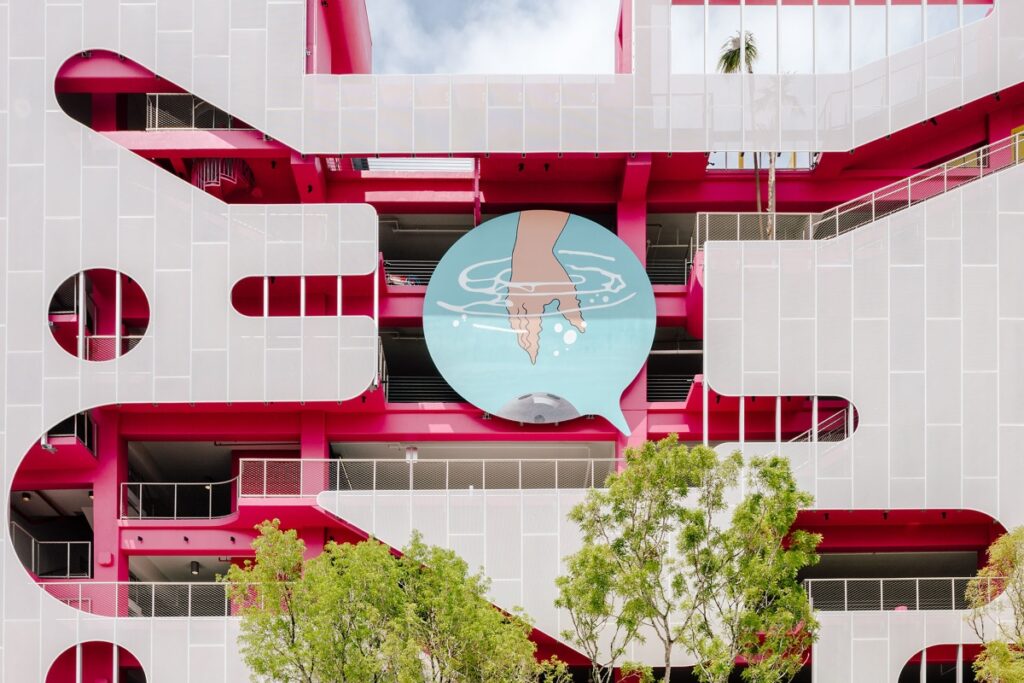
In Palm Beach, gallery-style estates are marketed directly. Installation days are documented as part of the sales story. Gardens double as sculpture courts / Photo Miami Museum Garage

Implications for Buyers and Developers

For developers, gallery homes require operational discipline. Art affects engineering, materials, and governance documents.

For buyers, due diligence expands. Art compatibility must be evaluated as carefully as views or floor plans.

As collectors increasingly organize homes around art, this typology will normalize.

Gallery-style homes are shifting from novelty to expectation. South Florida sits at the center of that transformation.

Questions and Brief Answers

RELATED POSTS

Receive the latest news

Subscribe To Our Magazine

Luster Magazine

Digital Magazine

Ingresa los siguientes datos y comienza a disfrutar de nuestra revista digital.