Wellness

Neuroaesthetics and Wellness: The Biology of Beauty

How neuroaesthetics reveals the biological impact of beauty on stress, emotion, and health, supported by clinical research and neuroscience.

Por: Angela Leon Cervera
Neuroaesthetics and Wellness
Photo: Estevab Sabtiago González

Beauty is no longer just a feeling. It is a biological event. Neuroaesthetics and Wellness now sit at the crossroads of art, neuroscience, and public health.


Over the last decade, science has shown that aesthetic experiences activate measurable processes in the brain and body. What we call beauty reshapes stress, emotion, and even inflammation.
Neuroaesthetics and Wellness
Photo: Rov Camato

How Does the Brain Respond to Beauty?

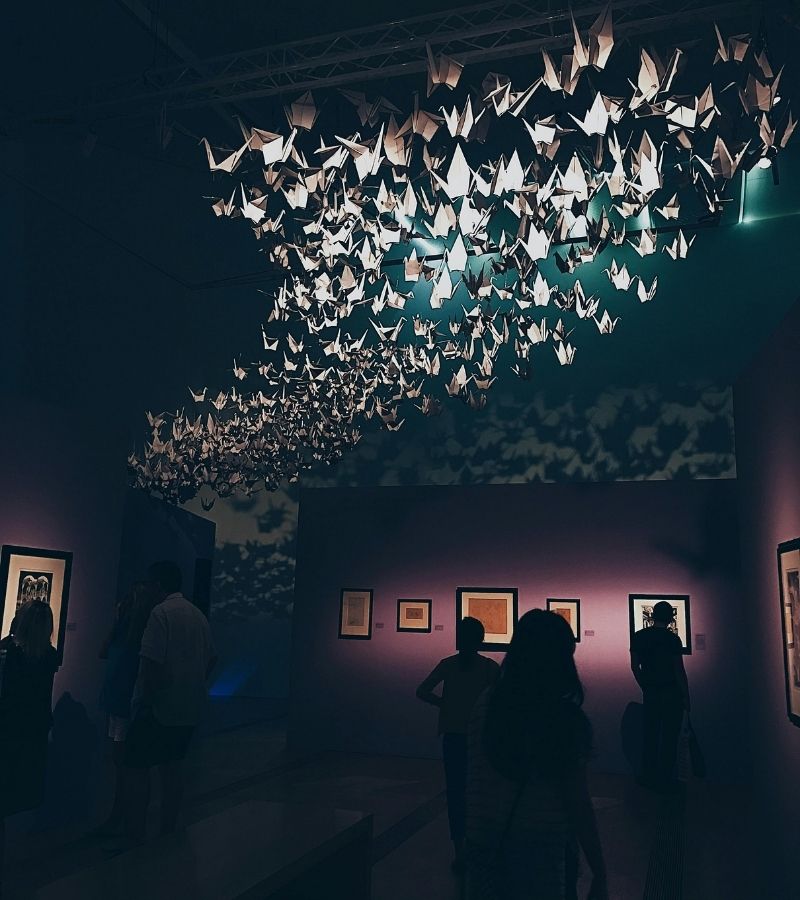
Neuroaesthetics studies what happens in the brain during aesthetic experiences. The findings are precise, not poetic.


When people view art they find beautiful, researchers observe:


  • Activation of the orbitofrontal cortex, linked to reward and pleasure

  • Dopamine, serotonin, and oxytocin release

  • Reduced amygdala activity, lowering threat perception

  • Engagement of mirror neurons, enabling emotional resonance

These responses are comparable to those triggered by food or social bonding. Beauty is processed as a meaningful stimulus, not decoration.

Neuroaesthetics and Wellness
Photo: Matheus Viana
Neuroaesthetics and Wellness
Photo: Darya Sannikova

Why Original Art Changes the Body

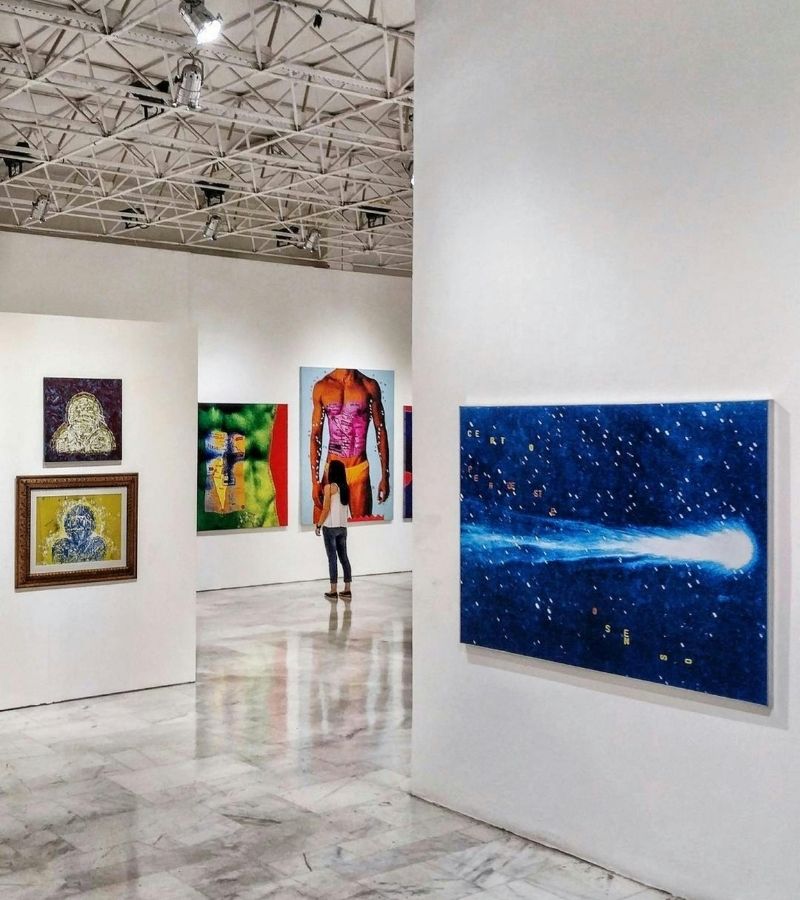
In 2025, researchers at King’s College London conducted a controlled study comparing original artworks with high quality reproductions.


The results were striking:


  • Cortisol levels dropped by 22 percent when viewing original art

  • Reproductions reduced cortisol by only 8 percent

  • Original art also activated immune and autonomic responses simultaneously

This suggests authenticity matters biologically. The brain detects originality and assigns it deeper personal relevance. Beauty becomes embodied, not observed.

From Museums to Medicine

Large scale epidemiological research supports these findings. Professor Daisy Fancourt has shown that regular cultural engagement correlates with lower depression risk, reduced chronic disease, and decreased premature mortality.


These outcomes persist after controlling for income, education, and lifestyle.


This evidence led the World Health Organization to recognize the arts as a legitimate tool in health promotion and disease prevention. Beauty is now part of clinical language.

Neuroaesthetics and Wellness
Photo: Riccardo

Neuroaesthetics and Wellness redefine beauty as a biological regulator. Art alters brain chemistry, stress hormones, and emotional balance.


What once felt intuitive is now measurable. Beauty does not decorate life. It sustains it.

FAQ | The Science Behind Beauty

Receive the latest news

Subscribe To Our Magazine

Luster Magazine

Digital Magazine

Ingresa los siguientes datos y comienza a disfrutar de nuestra revista digital.