Art

Palazzo Dario and Monet: Art, Property, and Value

How Palazzo Dario, painted by Claude Monet in 1908, connects ultra luxury real estate, Impressionist technique, and the modern art market.

Por: Angela Leon Cervera
Palazzo Dario
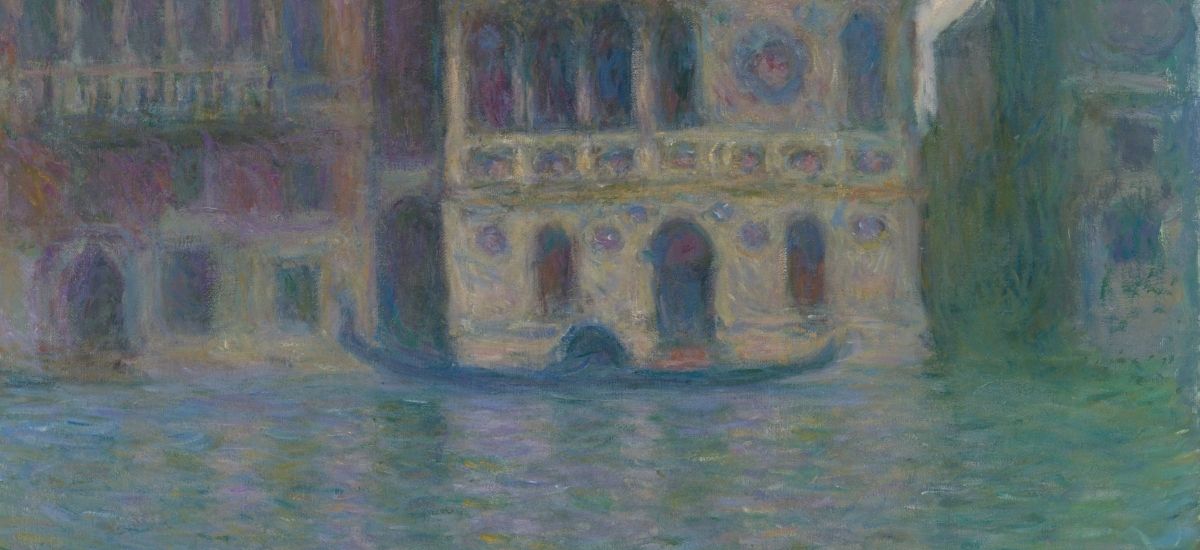
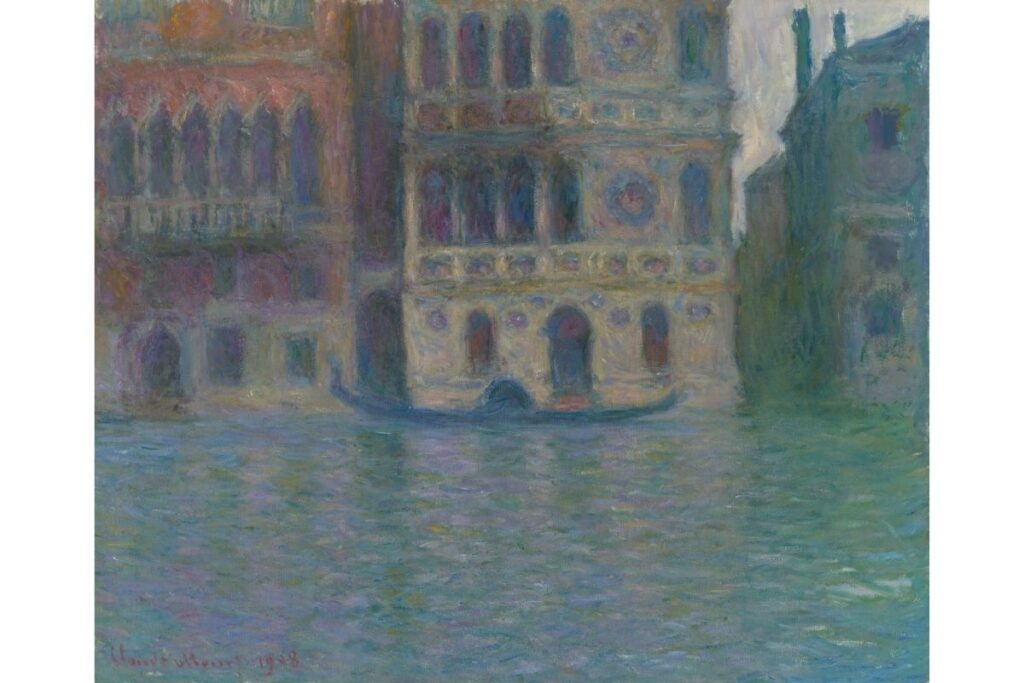
Claude Monet, Venice, Palazzo Dario, 1908. Courtesy Art Institute of Chicago

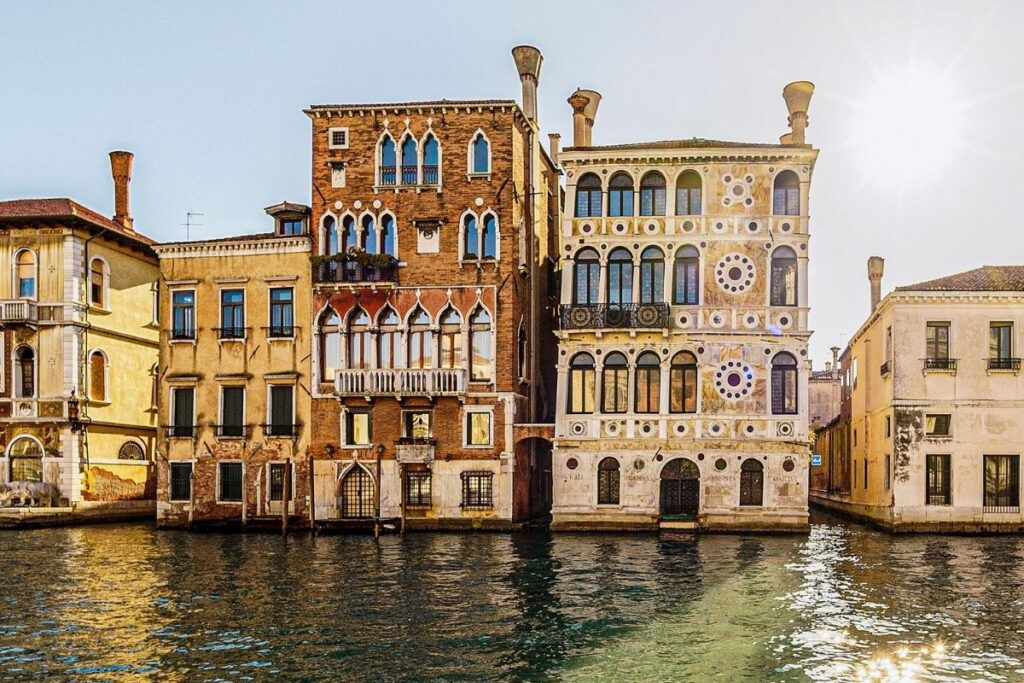
The sale of Palazzo Dario in early 2026 reframes Venice as more than a historic stage. It becomes an active asset. This fifteenth century palace on the Grand Canal carries architectural prestige, cultural mythology, and a direct link to Claude Monet’s late work.


Painted during Monet’s Venetian stay in 1908, Palazzo Dario sits at the crossroads of physical heritage and pictorial legacy. Its reappearance on the ultra luxury market arrives as Monet’s Venetian paintings continue to command sustained institutional and commercial attention.
Palazzo Dario
Claude Monet, Venice, Palazzo Dario, 1908. Courtesy Art Institute of Chicago

Why Palazzo Dario Captivated Monet

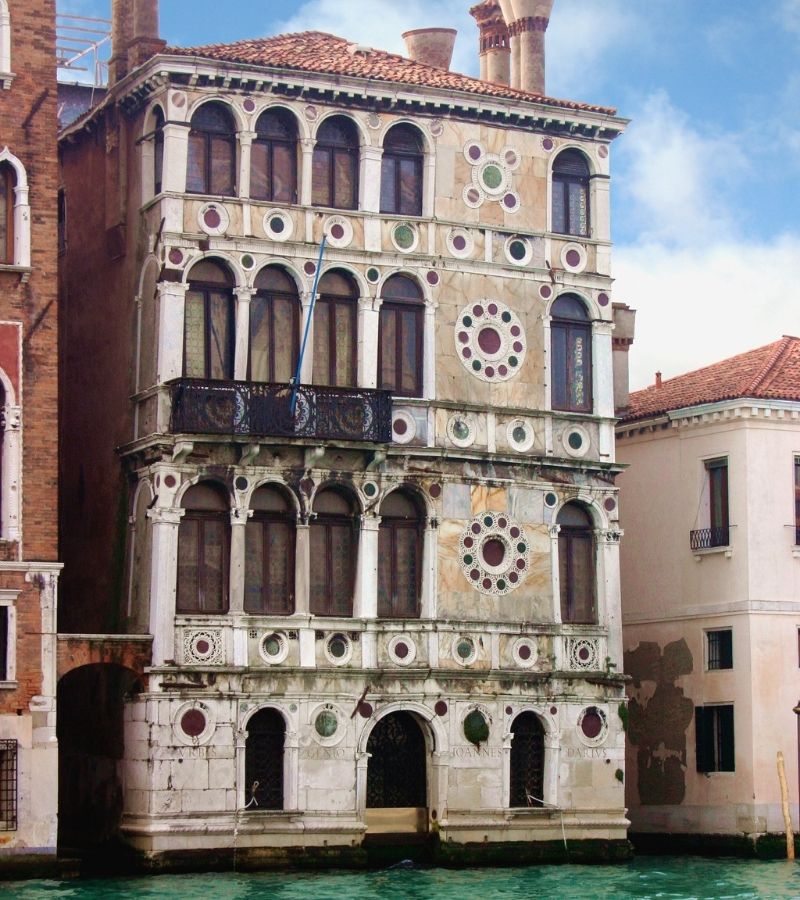
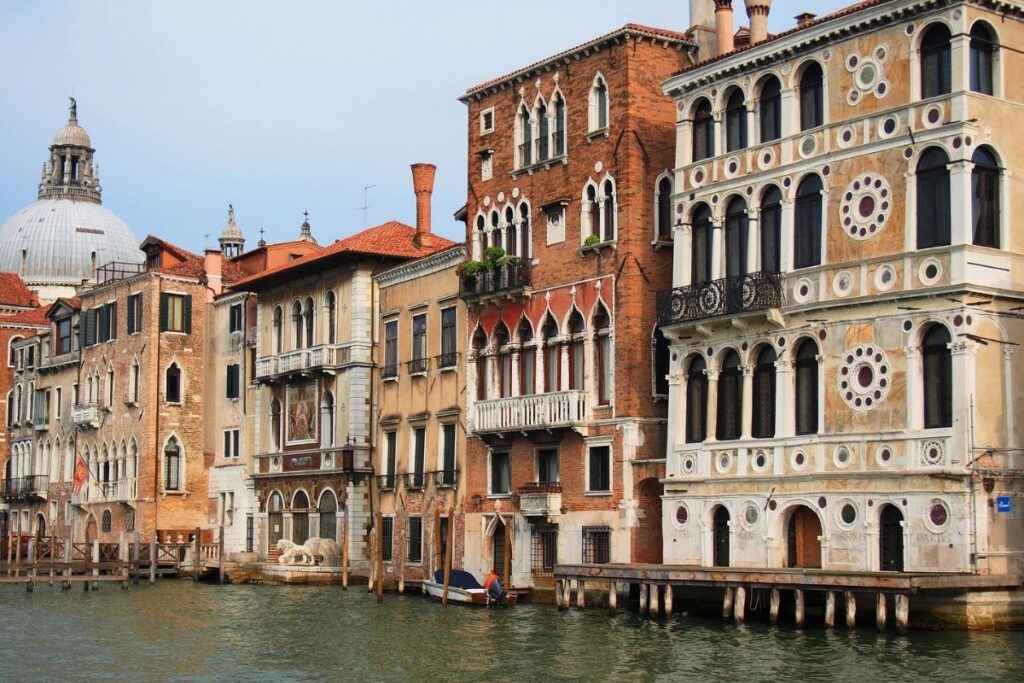
Monet arrived in Venice reluctant to paint it. He left transformed. Palazzo Dario drew him in through light, not narrative. Its marble facade, circular stone inlays, and slight structural tilt created a shifting surface that resisted fixed form.


Monet painted four versions of the palace. He framed it tightly, reduced the sky, and dissolved architecture into atmosphere. These works focus on enveloppe, the fusion of air, water, and structure. They mark a departure from topographic views toward near abstraction.


Technical studies confirm rapid wet on wet layering and a rich palette designed to catch Venetian luminosity rather than detail.

Palazzo Dario
Palazzo Dario. The Grand Canal in the Dorsaduro Sestiero of Venice. Photo: Tom Christensen
Palazzo Dario
The Grand Canal in the Dorsaduro Sestiero of Venice.

Market Strength and Provenance Discipline

Between 2020 and 2025, Monet remained one of the most resilient blue chip artists at auction. Venetian works consistently achieved eight figure results, reinforcing their status just below the late Nymphéas in market hierarchy.


At the same time, provenance scrutiny has intensified. Disputes surrounding works with gaps from the 1933 to 1945 period have reshaped buyer behavior. Today, narrative clarity and ownership transparency directly affect liquidity.


This dynamic strengthens the appeal of well documented series like Monet’s Venetian paintings.

Institutions and the Modern Reading of Monet

Recent museum exhibitions have repositioned Monet’s Venice works as precursors to lyrical abstraction. By eliminating figures and destabilizing horizons, Monet pushed architecture toward dissolution.


This institutional reframing expands Monet’s relevance beyond Impressionism. It attracts collectors aligned with modern and postwar aesthetics, reinforcing long term demand.

Palazzo Dario
The Grand Canal in the Dorsaduro Sestiero of Venice.

Palazzo Dario stands as both subject and symbol. Its sale in 2026 mirrors the enduring strength of Monet’s vision. Together, they show how architecture, art, and market value converge through history, technique, and trust.

FAQ – Collectors Always Ask

Receive the latest news

Subscribe To Our Magazine

Luster Magazine

Digital Magazine

Ingresa los siguientes datos y comienza a disfrutar de nuestra revista digital.