Art

Picasso 1925: The Painting That Changed Everything

How Studio with Plaster Head marks Picasso’s decisive shift toward psychological modernity and reshapes his artistic legacy in 1925.

Por: Angela Leon Cervera
Picasso 1925 painting
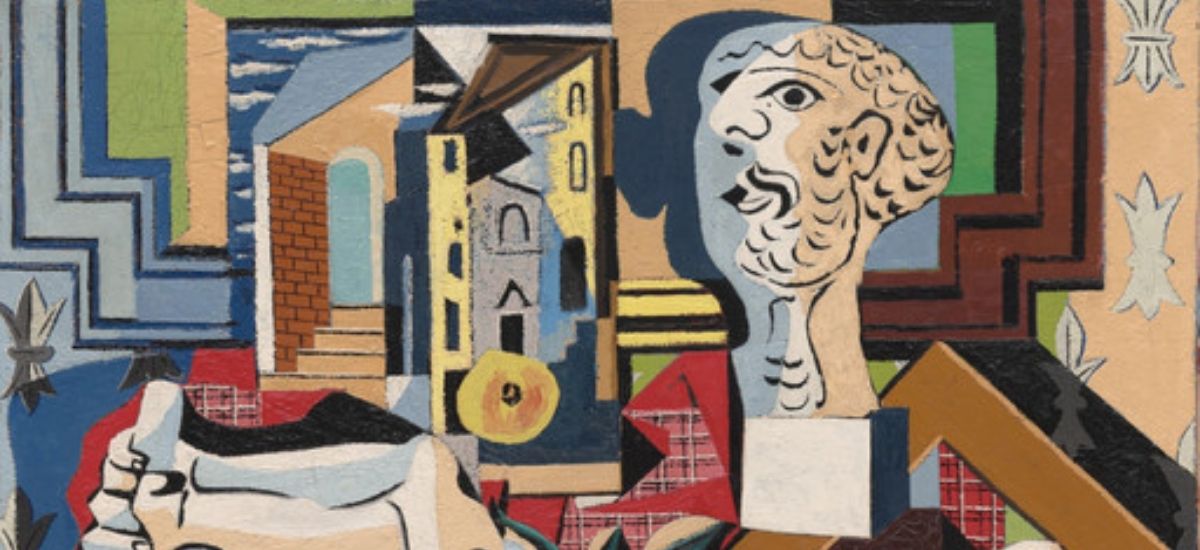
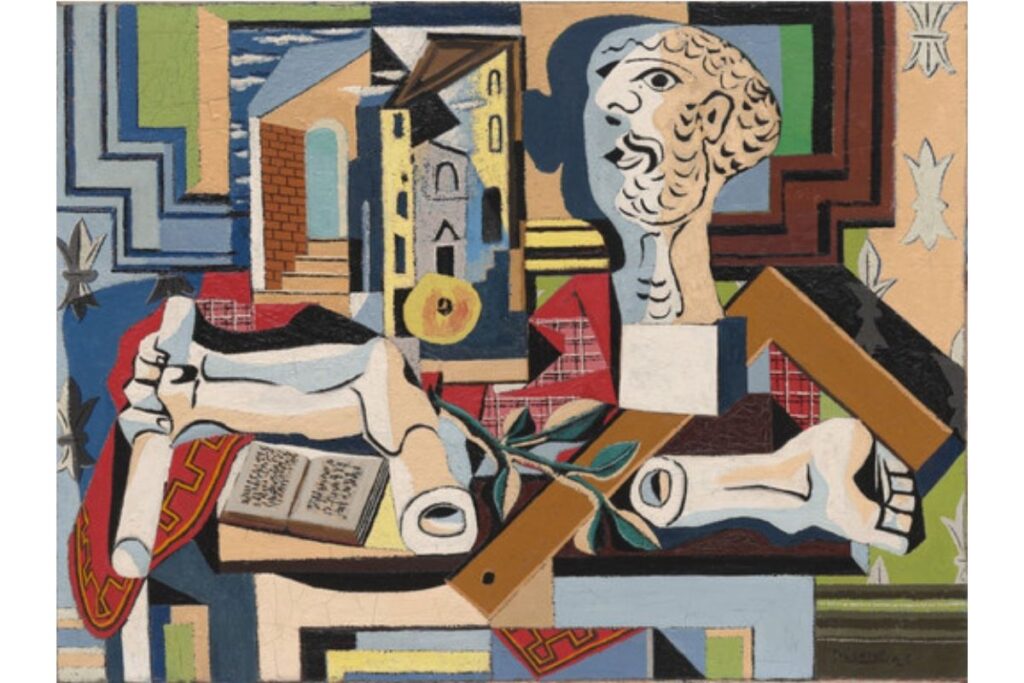
Pablo Picasso. Studio with Plaster Head. Photo: MoMA

In 1925, Pablo Picasso crossed a decisive threshold. His painting Studio with Plaster Head stands at the exact point where classical stability collapses into psychological tension.


Often overlooked in popular narratives, this Picasso 1925 painting captures a moment of internal rupture. It signals the artist’s move away from neoclassical calm toward a fractured modern subject shaped by memory and desire.
Art Transport Security
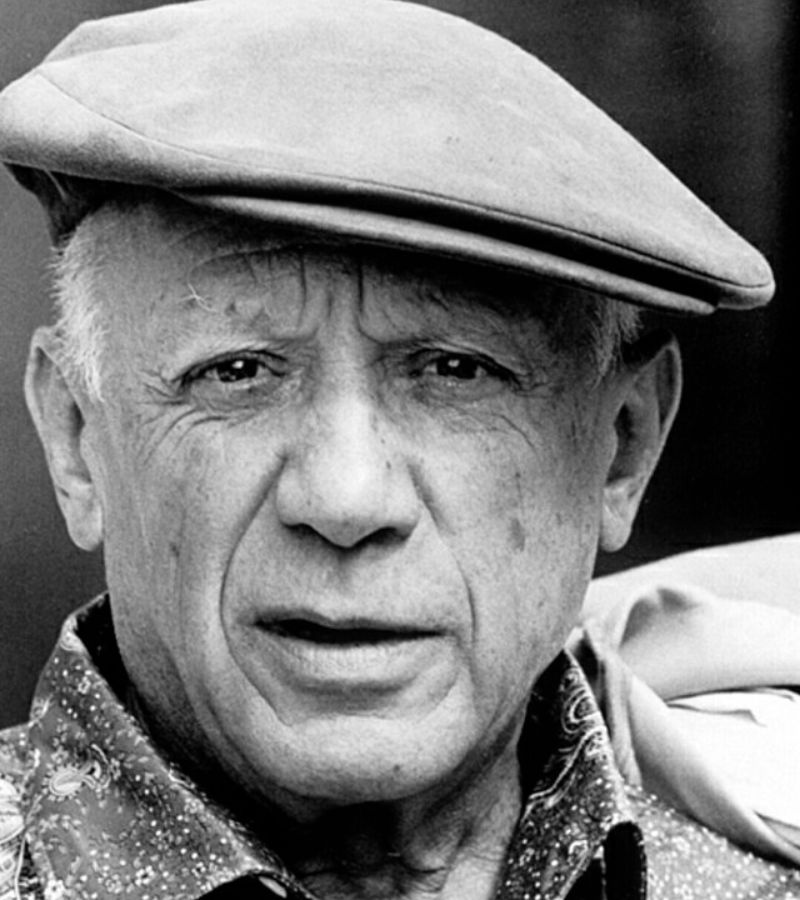
Pablo Picasso (1969)

Why Is 1925 a Turning Point in Picasso’s Career?

By the mid 1920s, Picasso sought renewal. Younger surrealists challenged his authority, even as they regarded him as unavoidable.


Painted in Juan les Pins, Studio with Plaster Head reflects this pressure. Despite personal stability, the work is restless, theatrical, and unresolved.


The still life becomes a mental stage. Objects no longer rest. They confront each other. This Picasso 1925 painting announces a mature phase where art questions itself.

Picasso 1925 painting
Pablo Picasso. Studio with Plaster Head. Photo: MoMA
Picasso 1925 painting
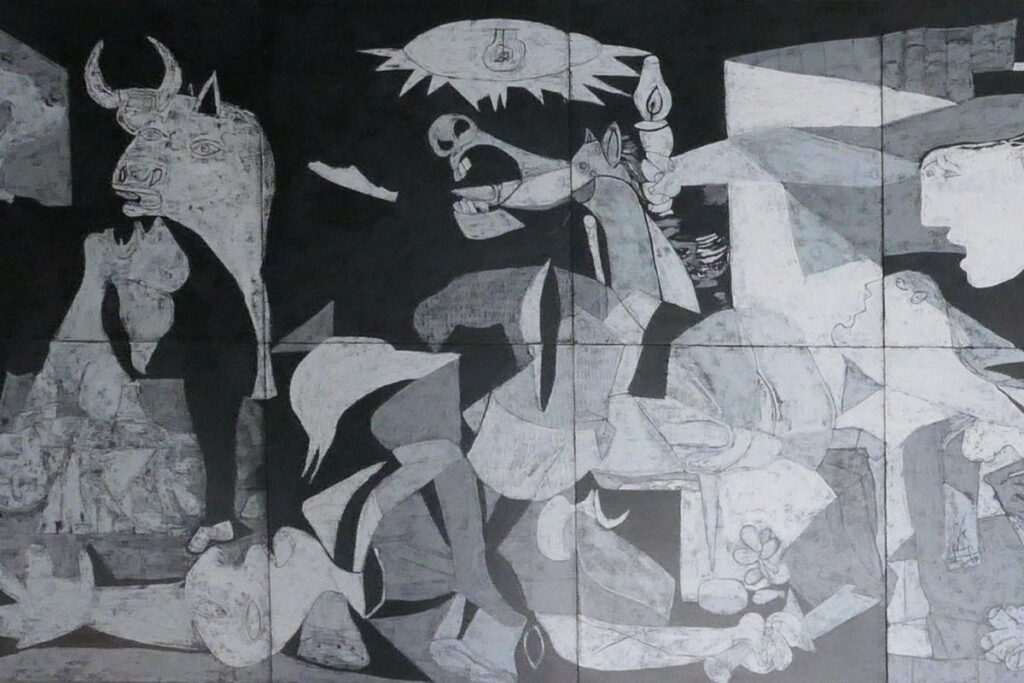
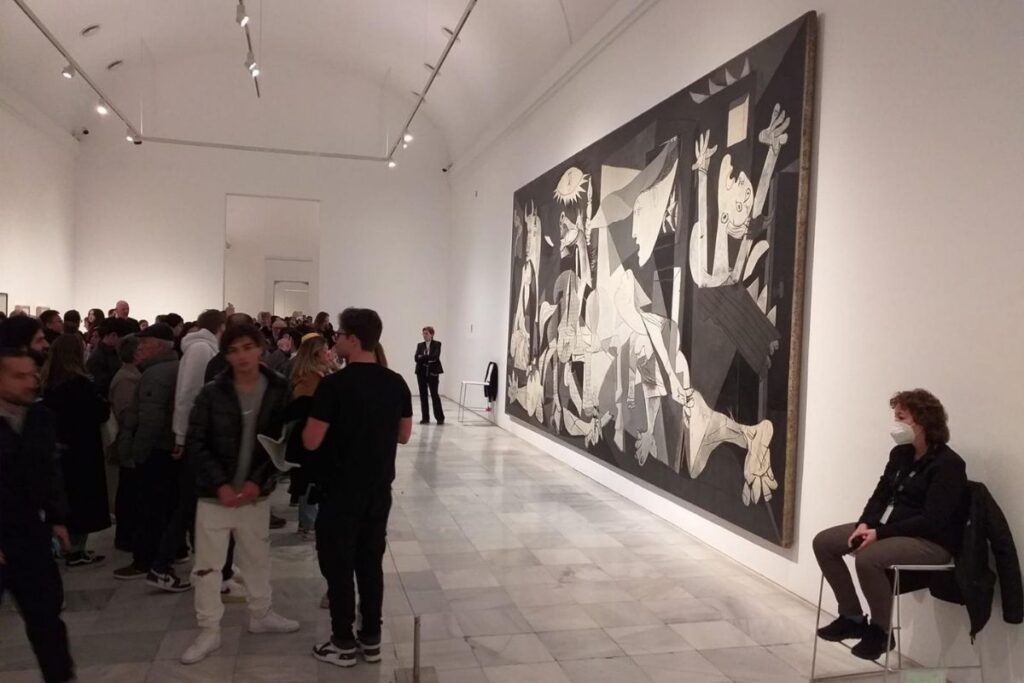
Pablo Picasso. Guernica

What Does the Plaster Head Really Represent?

The plaster bust evokes academic training and paternal authority. Scholars link it to Picasso’s father, José Ruiz Blasco.


The fragmented arms suggest creative action and inherited discipline. The carpenter’s square and open book reinforce rational knowledge.


Most unsettling is the shadow. It obeys no logical light source. That shadow represents the modern subject’s hidden side.
It transforms the still life into a psychological diagram.

How Does This Work Lead Toward Surrealism and Guernica?

The painting aligns with surrealist thinking without adopting pure automatism. Objects become charged symbols rather than formal exercises.


Its influence reached Salvador Dalí and Federico García Lorca, who explored similar fractured identities. This language later resurfaces in Guernica.


The severed arm motif already appears here, quietly rehearsed. Today, the work belongs to Museum of Modern Art, where its importance is fully recognized.

Picasso 1925 painting
Pablo Picasso. Guernica

Studio with Plaster Head is not a transition piece. It is a declaration. This Picasso 1925 painting redefines still life as psychological territory. It reveals how memory and desire collide at the heart of modern art.

FAQ | Decoding Picasso’s Most Underrated Turning Point

Receive the latest news

Subscribe To Our Magazine

Luster Magazine

Digital Magazine

Ingresa los siguientes datos y comienza a disfrutar de nuestra revista digital.