From spoken greetings to music, plants, and sweets, traditions and rituals define how Christmas is celebrated today.
Together, they form a rich mosaic of Christmas traditions that continue to evolve without losing their emotional core.
The Meaning Behind Saying “Merry Christmas”
The phrase “Merry Christmas” feels universal today, especially in the United States.
However, its journey into common language was far from simple. In nineteenth-century England, the word “merry” carried connotations of excess and informality.
Many British families preferred the more restrained “Happy Christmas.”
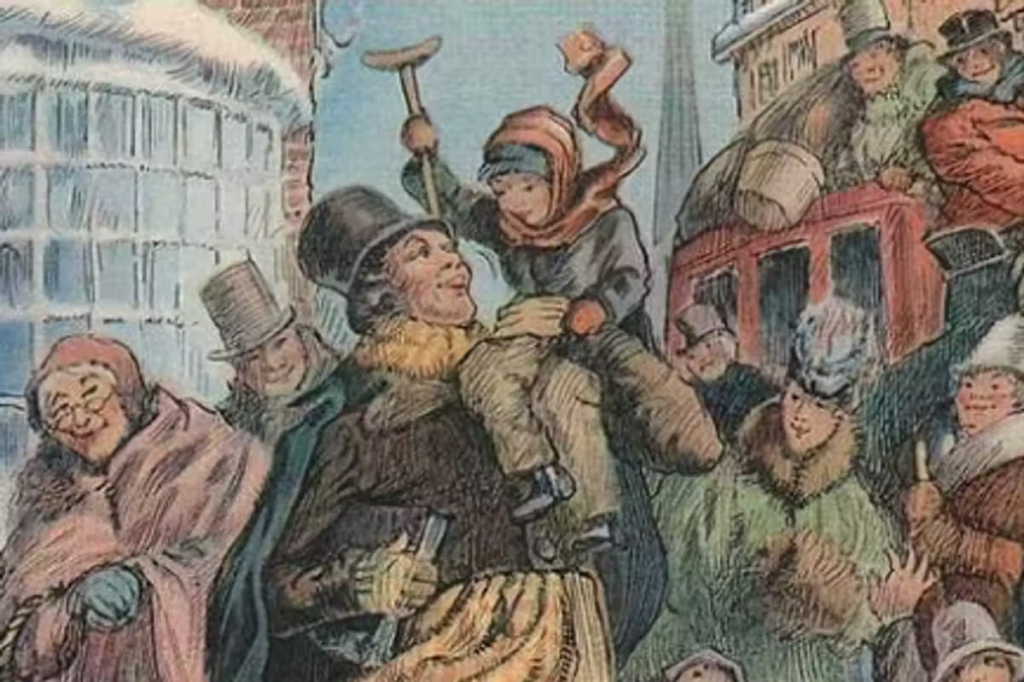
Everything changed when Charles Dickens published A Christmas Carol. His storytelling connected warmth, generosity, and moral reflection to the festive greeting.
American audiences embraced the phrase enthusiastically, turning it into a standard expression. Meanwhile, Britain gradually returned to its reserved phrasing.
This contrast shows how language itself becomes part of enduring Christmas traditions.
Collectors still seek rare Dickens editions that reflect this cultural moment. First printings, illustrated copies, and refined modern editions remain treasured worldwide.