Art

Guggenheim Bilbao 2026: Asawa, Johns, and American Depth

Guggenheim Bilbao’s 2026 program pairs Ruth Asawa and Jasper Johns in a rare curatorial dialogue on structure, memory, and postwar American art.

Por: Angela Leon Cervera
Guggenheim Bilbao 2026
Jasper Johns. Photo: @fairart_official

Guggenheim Bilbao 2026 marks a decisive curatorial moment. The museum positions itself as a transatlantic lens on postwar American art through two major retrospectives. Ruth Asawa and Jasper Johns appear not as isolated icons, but as contrasting ways of thinking through form, memory, and lived experience.


Rather than chronological surveys, the season proposes a dialogue. Transparency meets opacity. Structure confronts introspection. The result is a tightly argued institutional statement about how American modernism is being re read today.
Guggenheim Bilbao 2026
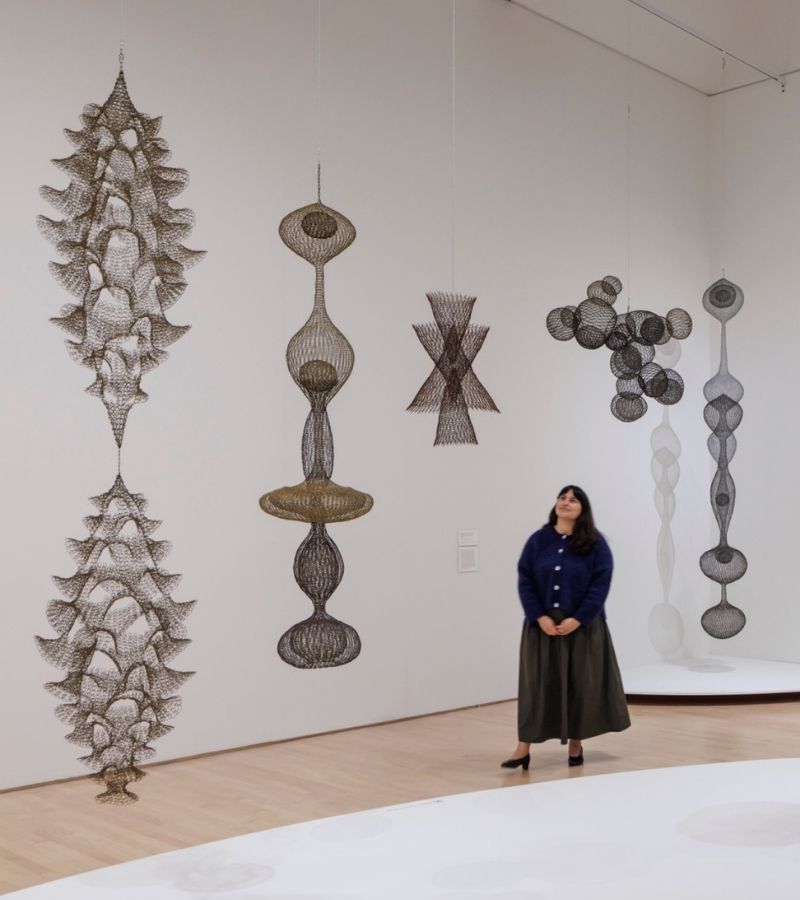
Ruth Asawa: Retrospective, SFMOMA, San Francisco, 2025. Photos by Don Ross and Henrik Kam

How does Ruth Asawa redefine structure and material intelligence?

Ruth Asawa A Retrospective presents over 300 works. It is her first full posthumous survey in Europe. The exhibition dismantles the long standing dismissal of her wire sculptures as craft.


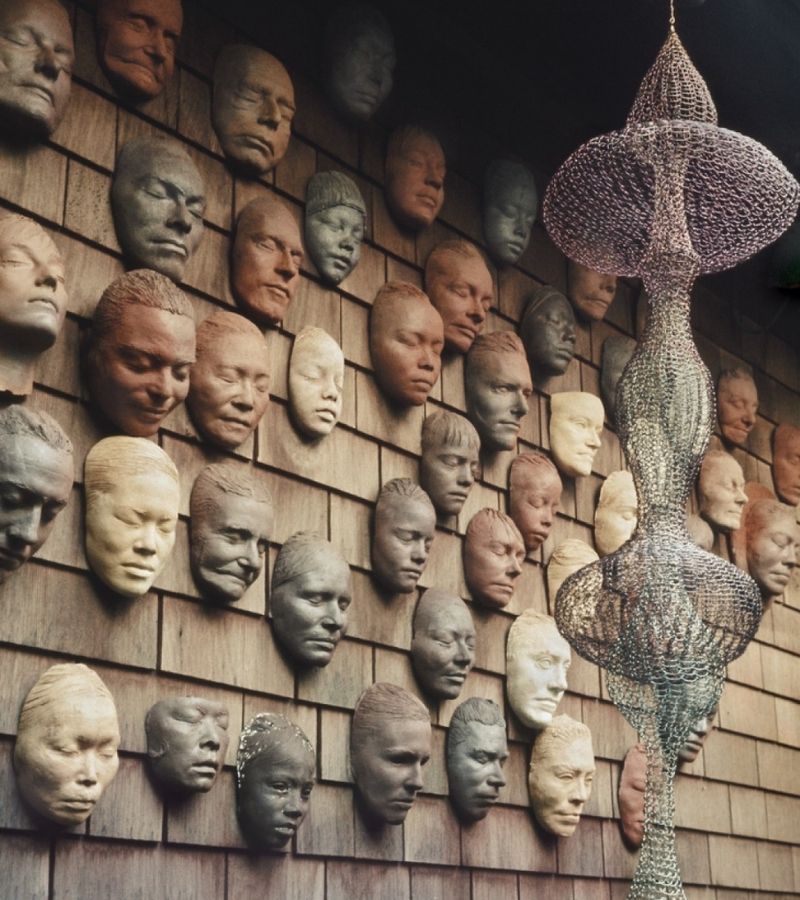
Asawa’s looped wire works draw from a single continuous line. They create volume without mass and form without enclosure. Light and shadow complete the work. Her approach emerges from lived experience, including wartime internment and the pedagogy of Black Mountain College. Structure becomes ethical as well as visual. The work insists that openness can be rigorous.

Guggenheim Bilbao 2026
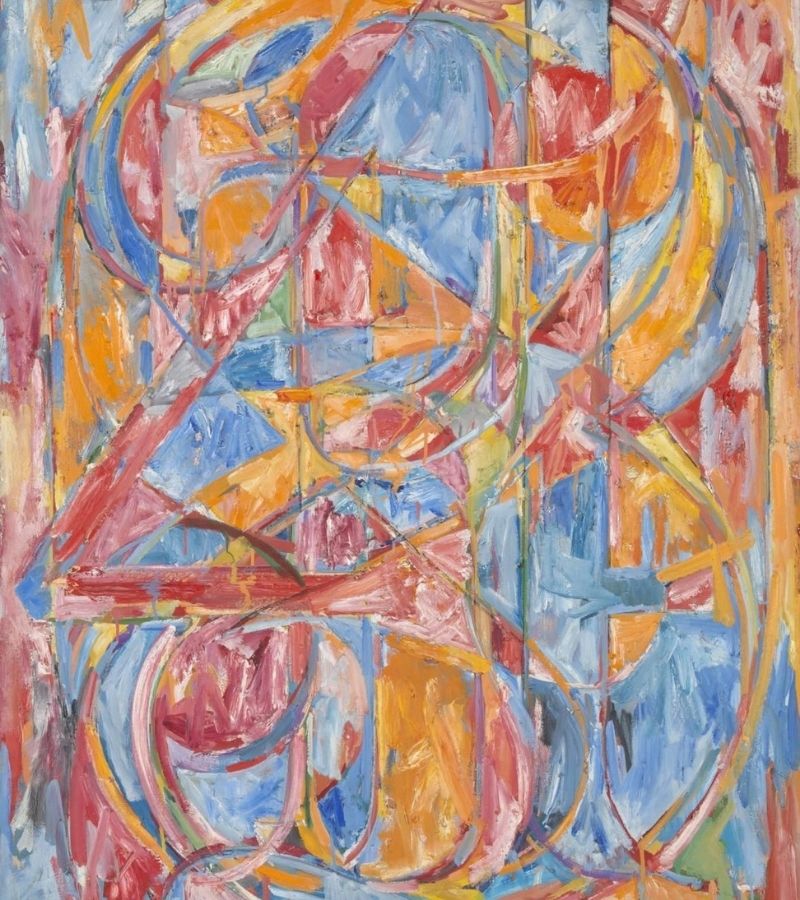
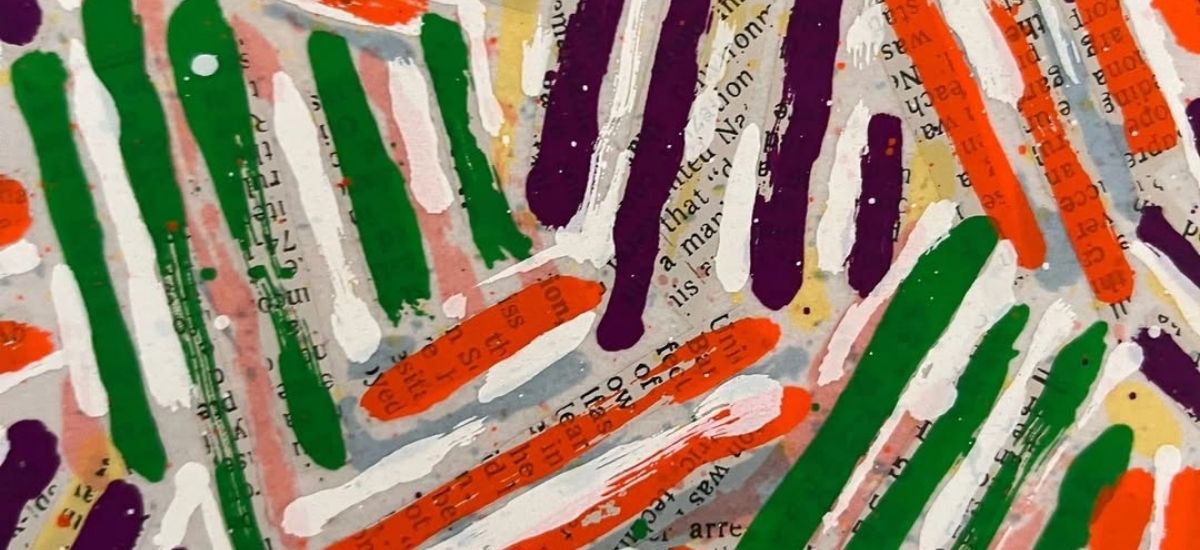
Jasper Johns. Photo: @fairart_official
Guggenheim Bilbao 2026
Ruth Asawa, Untitled (LC.012, Wall of Masks), c. 1966–2000 (detail), and Untitled (S.540), 1950s. Photo by Laurence Cuneo Inc./Artists Rights Society (ARS), New York. Courtesy David Zwirner

Why does Jasper Johns Night Driver focus on darkness rather than icons?

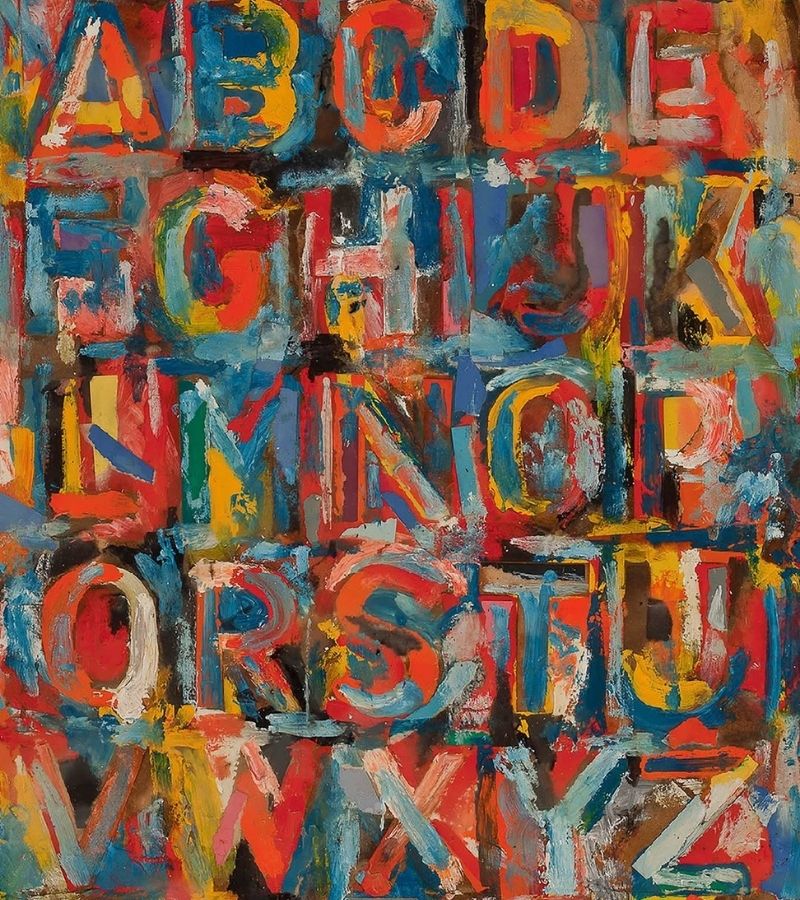
Jasper Johns Night Driver reframes a canonical career. Curated by Enrique Juncosa, the exhibition centers on nocturnality, doubt, and emotional density. It steps away from flags and targets to examine works shaped by loss, aging, and introspection.


Key pieces such as Night Driver and Diver foreground gesture, residue, and bodily trace. Later works from the Catenary series introduce gravity as both physical and symbolic force. Johns appears less as a Pop strategist and more as a melancholic observer navigating uncertainty.

What happens when these two visions coexist in Bilbao?

Presented simultaneously, Asawa and Johns generate a productive tension. Asawa’s transparency invites the world in. Johns’s opacity withholds and codes meaning. One builds from air and repetition. The other accumulates weight and hesitation.


Together, they outline two ethical positions within modernism. One oriented toward connection and community. The other toward solitude and reflection. Guggenheim Bilbao frames this encounter as a necessary rebalancing of the American canon.

Guggenheim Bilbao 2026
Jasper Johns. Photo: @fairart_official

Guggenheim Bilbao 2026 is not a blockbuster season. It is a corrective one. By pairing Ruth Asawa and Jasper Johns, the museum advances a more complex understanding of American modern art. Structure and doubt coexist. Light and shadow share the same institutional space.

FAQ | What Visitors Are Asking About Guggenheim Bilbao 2026

Receive the latest news

Subscribe To Our Magazine

Luster Magazine

Digital Magazine

Ingresa los siguientes datos y comienza a disfrutar de nuestra revista digital.