Architecture

The Creative Revolution: AI Is Transforming Design and Architecture

AI is reshaping the creative world—from fashion studios to architectural firms—ushering in a future where human imagination and machine intelligence collaborate seamlessly.

Por: Alejandro Carrillo
ZAHA HADID ARCHITECTS AI
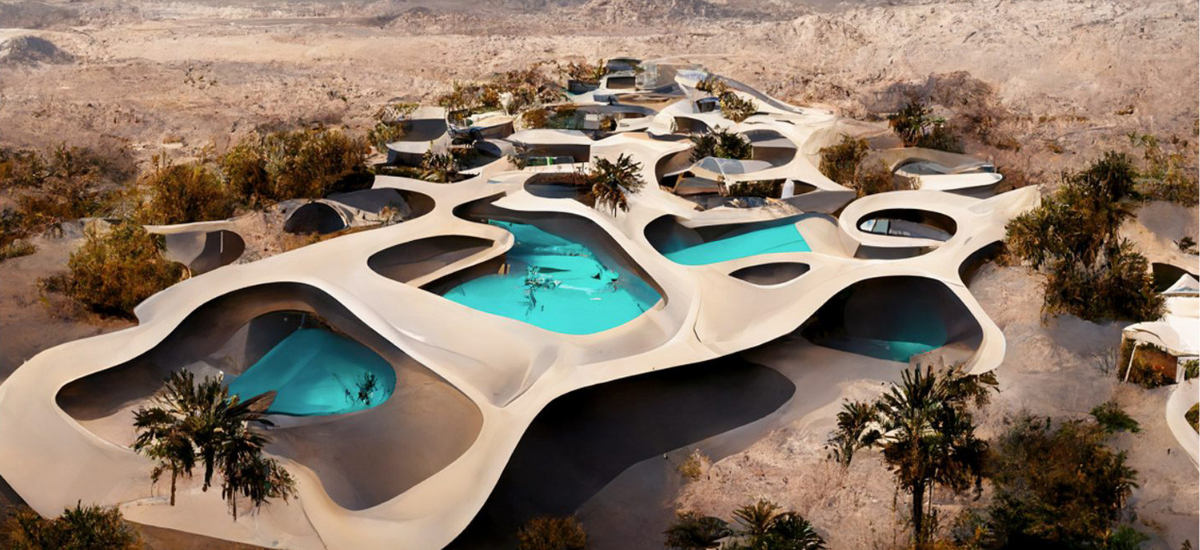
Zaha Hadid Architects used AI to optimize the complex geometries / Image from parametric-architecture.com

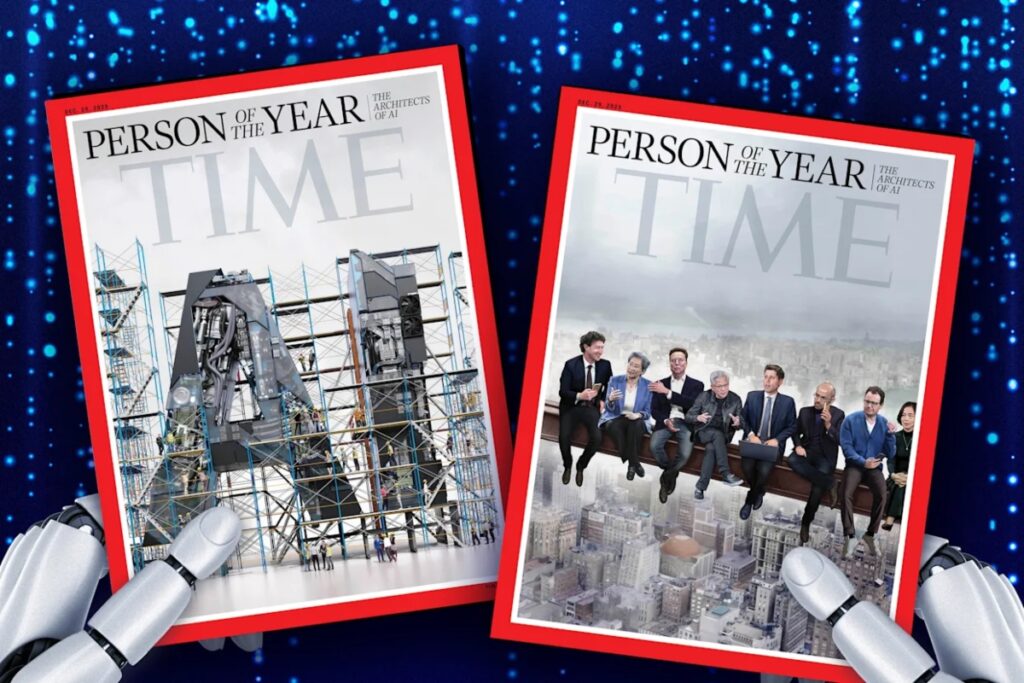
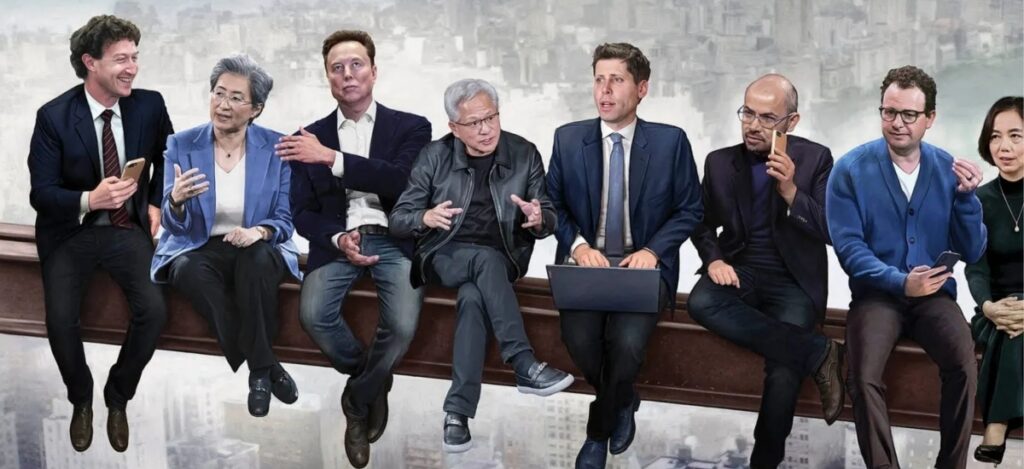
When TIME Magazine named “AI Architects” its 2025 Person of the Year, it marked a defining moment in cultural history. The recognition signaled that AI had moved beyond novelty and into the core of global creative industries, influencing how we design garments, prototype products, and imagine the cities of tomorrow.

For Luster, this milestone invites a deeper exploration of how AI is transforming fashion, design, and architecture—not by replacing human creativity, but by accelerating it, expanding it, and giving it new dimensions.

AI and the New Creative Workflow

Across disciplines, AI is becoming a catalyst for innovation. Designers use generative tools to produce concepts in seconds, simulate outcomes, and refine ideas with unprecedented precision. Instead of spending days sketching or modeling, creatives can now iterate rapidly, allowing more time for experimentation and storytelling.

When TIME Magazine named “AI Architects” its 2025 Person of the Year, it marked a defining moment in cultural history / Photo via TIME

This shift is not about automation—it is about amplification. AI enhances intuition, supports decision-making, and unlocks aesthetic possibilities that were once unimaginable.

AI in Fashion: From Ideation to Hyper-Personalization

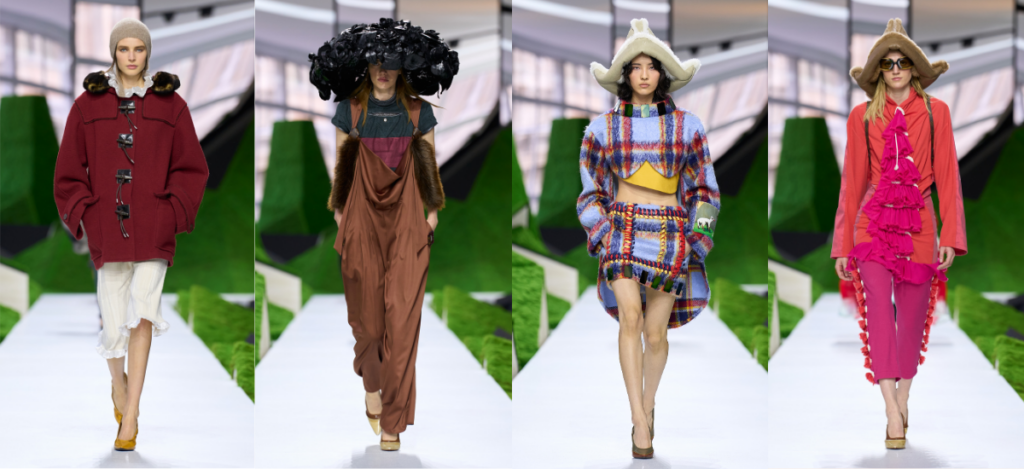
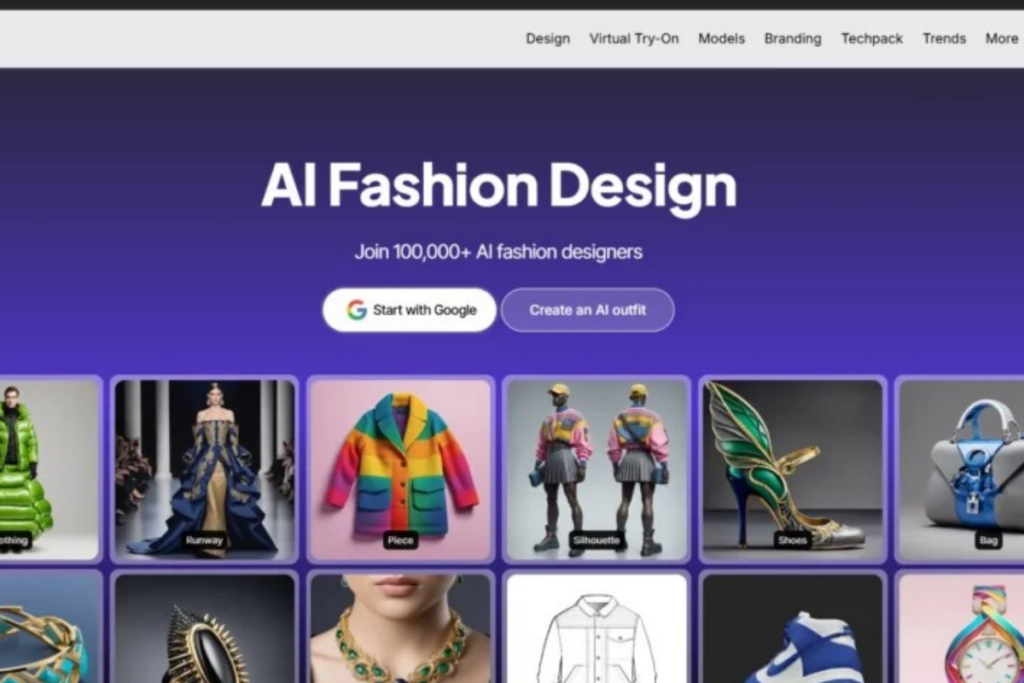
Fashion is experiencing one of the most profound transformations. Platforms like The New Black convert text prompts or rough sketches into polished garment visuals, enabling designers to explore dozens of variations instantly. 

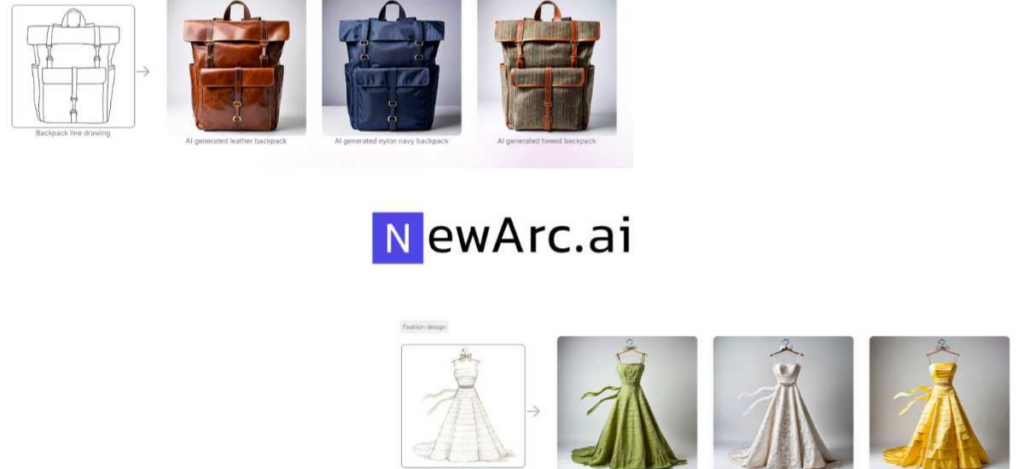
Tools such as Style3D AI and NewArc.ai simulate 3D garments, modeling fabric behavior and virtual fittings that reduce physical sampling by up to 90%.

Sustainability also benefits. Refabric automates patternmaking, generating tech packs optimized to minimize waste. Meanwhile, Heuritech analyzes millions of daily social images to forecast colors and silhouettes, helping brands reduce overproduction through data-driven decisions.

Retail is evolving, too. Hyper-personalization tools like Daydream’s Style Passport curate outfits across thousands of brands, while Ralph Lauren’s Ask Ralph, powered by Microsoft Azure, recommends shoppable looks tailored to specific occasions. 

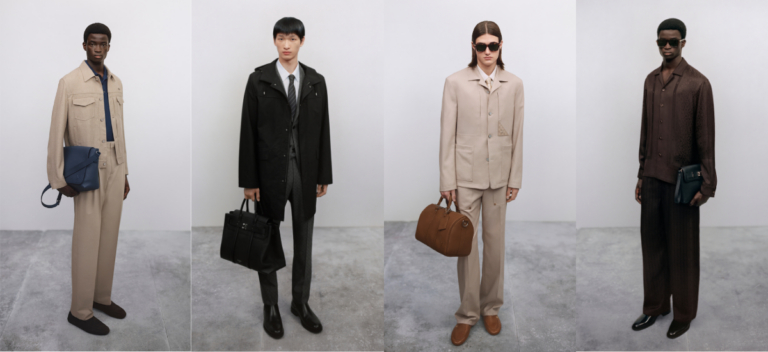
latforms like The New Black convert text prompts or rough sketches into polished garment visuals

Virtual try-on platforms such as Revery AI match body shapes with remarkable accuracy, eliminating the need for physical prototypes.

Generative tools like Midjourney, Adobe Firefly, and Fashion Diffusion accelerate mood boards, color palettes, and trend-aligned visuals—reducing costs tenfold and enabling small creators to compete with global houses.

AI in Product and Industrial Design

Beyond apparel, AI is redefining product design. Tools from NewArc.ai prototype 3D models for furniture and accessories, simulating materials for ergonomic testing. Virtual studios visualize products in real-time environments, allowing designers to refine textures, proportions, and interactions before manufacturing begins.


Trend prediction engines integrate global data to anticipate consumer preferences, optimizing prints, forms, and materials for both market demand and sustainability.

AI in Architecture: A New Era of Generative Cities

TIME’s recognition of “AI Architects” reflects the profound impact of generative tools on urban planning and building design / Photo via TIME

Architecture is undergoing a revolution of its own. TIME’s recognition of “AI Architects” reflects the profound impact of generative tools on urban planning and building design.

Software like Autodesk’s generative design platform explores thousands of structural variations based on constraints such as load-bearing, materials, and environmental performance. Zaha Hadid Architects used AI to optimize the complex geometries of the Bee’ah Headquarters, reducing material use by 30% through algorithmic iterations.

Tools like TestFit generate site plans in seconds, analyzing zoning, traffic, and density. Firms such as Skidmore, Owings & Merrill integrate AI for wind simulations and energy modeling, creating towers that minimize carbon footprints. 

Platforms like Hypar automate code-compliant building designs, accelerating approvals and reducing human error.

Tools such as Style3D AI and NewArc.ai simulate 3D garments

Real-World Applications: Where Fashion Meets Architecture

AI is also shaping experiential retail. Gensler uses predictive analytics to design pop-ups for brands like Nike, optimizing layouts for foot traffic and engagement. 

BIG (Bjarke Ingels Group) applied machine learning to The Twist museum bridge in Norway, balancing aesthetics with structural integrity through rapid simulations.

Sustainability is a unifying thread. Tools like Spacemaker forecast solar exposure and shadows for eco-friendly masterplans, while physics-based AI simulates acoustics and lighting for interior spaces. Midjourney and similar platforms assist in conceptual rendering, bridging the gap between imagination and execution.

Cross-Disciplinary Synergy

What makes this moment extraordinary is how AI connects fashion, design, and architecture. Parametric design tools like Grasshopper, enhanced with AI plugins, generate facades inspired by textile patterns. Virtual reality enables fashion shows inside AI-architected digital venues.

Sustainability binds these fields together: AI optimizes fabric cuts just as it optimizes architectural materials, reducing waste across industries. With 70% of firms reporting productivity gains in 2025, hybrid human-AI workflows are becoming the new standard.

As AI continues to transform fashion, design, and architecture, it becomes clear that we are entering a new creative era—one defined by collaboration between human intuition and machine intelligence. TIME’s recognition of AI Architects is more than symbolic; it reflects a global shift in how we imagine, build, and express. With AI as a partner, creativity becomes more expansive, more sustainable, and more deeply attuned to the challenges and possibilities of the future.

Key Information

RELATED POSTS

Receive the latest news

Subscribe To Our Magazine

Luster Magazine

Digital Magazine

Ingresa los siguientes datos y comienza a disfrutar de nuestra revista digital.