Culture

Metropolis in 2026: Why Fritz Lang’s Vision of the Future Resonates Today

Metropolis (1927), set in 2026, warns of a divided society where only the heart can reconcile reason and labor—a message as vital today as it was a century ago.

Por: Raquel Seijas
Metropolis 2026
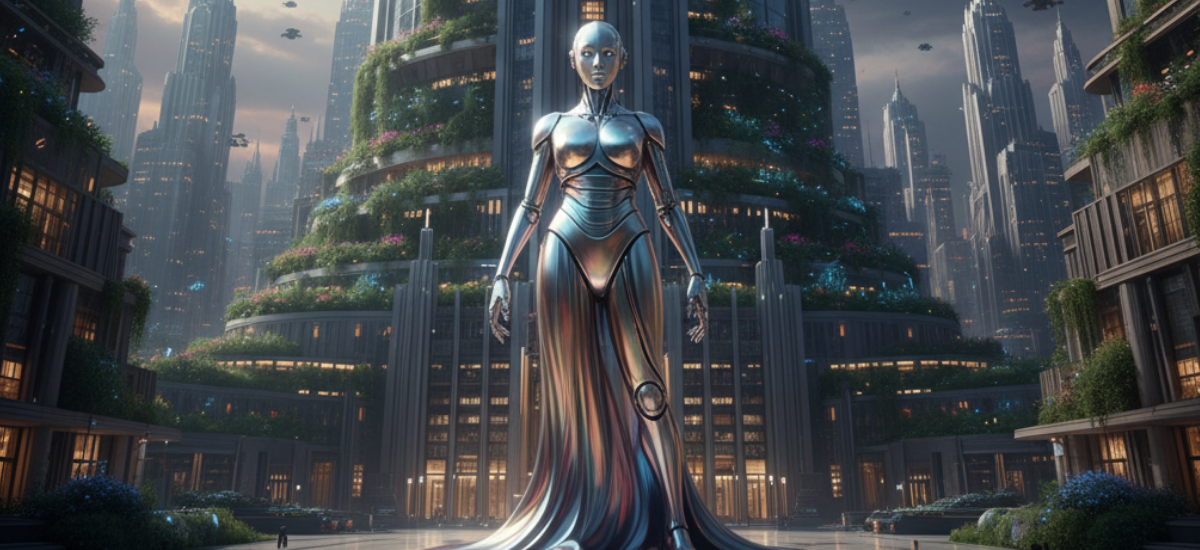
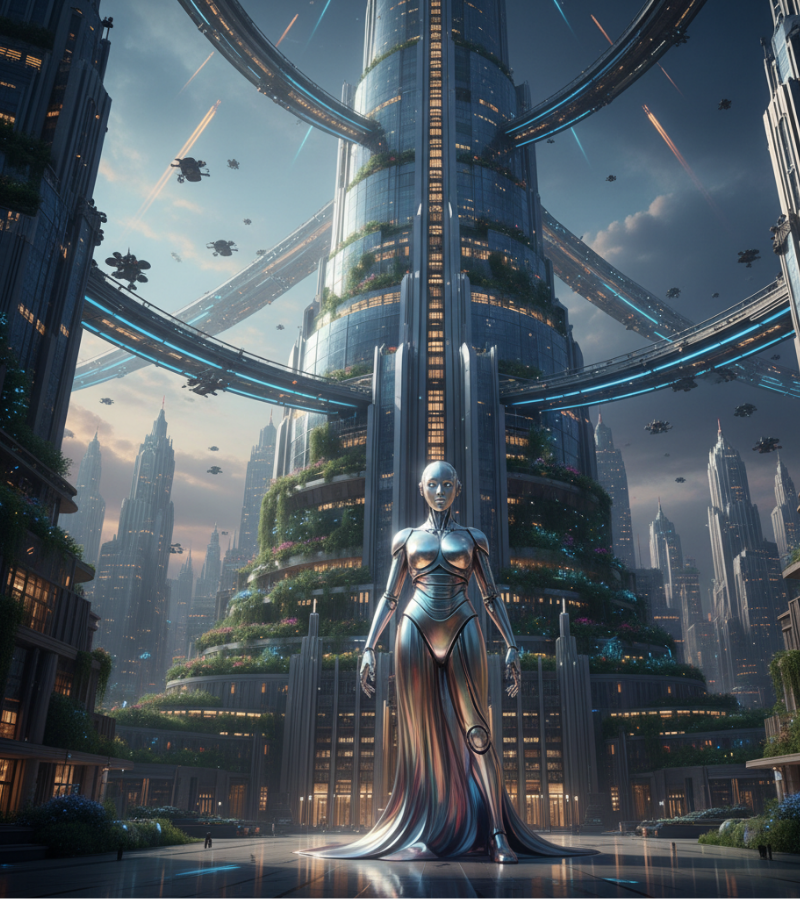
A cinematic wide shot of a 2026 reimagining of Fritz Lang's Metropolis by Nano Banana

When? 2026.

Where? A massive, technologically advanced city-state called Metropolis.

Who? A Social Structure: the “Thinkers” (elites living in skyscrapers) and the oppressed working class, known as “Hands,” who toil in the city’s machine-driven depths.

As we step into 2026, the world finds itself at a crossroads of technological marvel and social inequality—a reality eerily foreshadowed by Fritz Lang’s 1927 silent epic, Metropolis.

Set in the very year we now inhabit, the film’s dystopian vision of a city divided between a privileged elite and an oppressed working class feels less like science fiction and more like a cautionary mirror.

With its iconic slogan—“Mittler zwischen Hirn und Hand muss das Herz sein” (“The heart must be the mediator between the brain and the hand”)—Metropolis challenges us to reflect: Have we learned from its warnings, or are we repeating its mistakes?
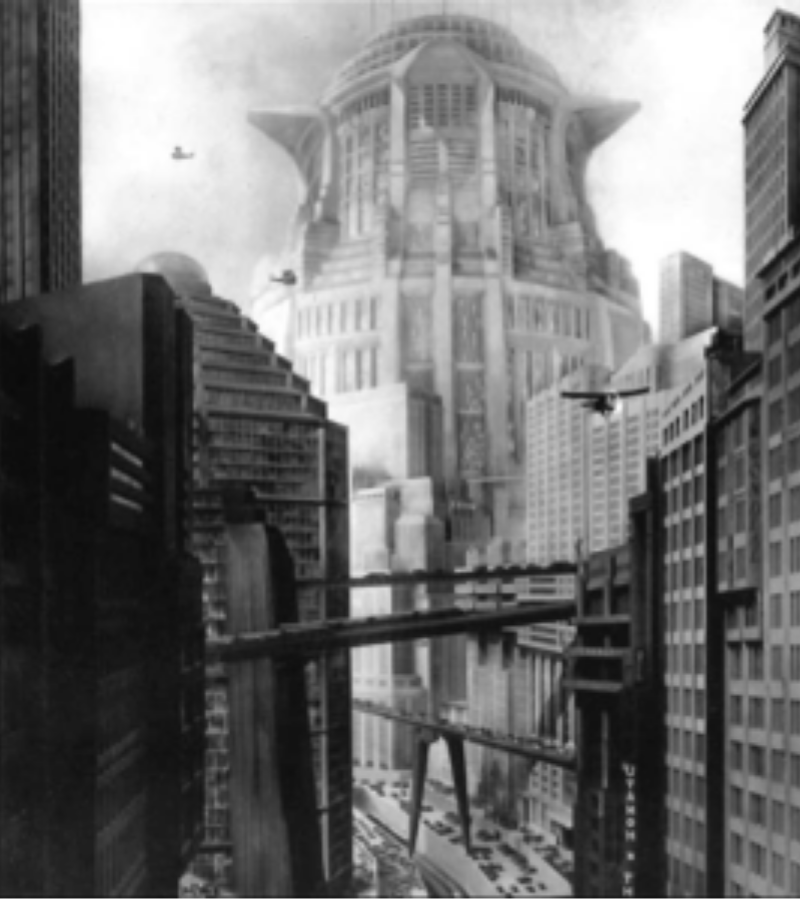
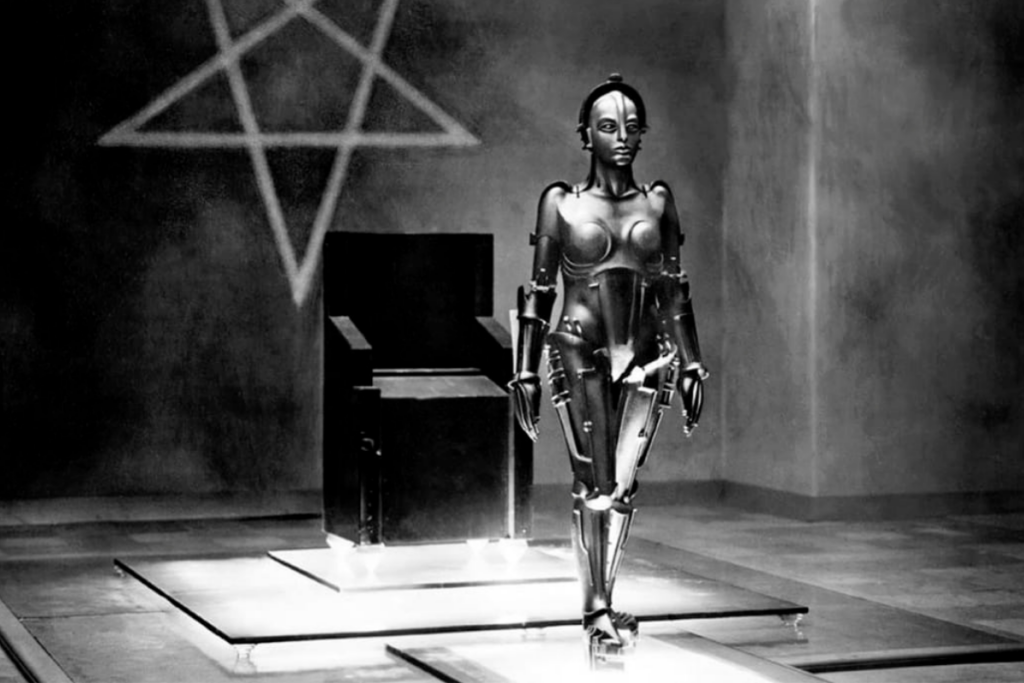
Photogram of Metropolis (1927)

Set in the very year we now inhabit, the film’s dystopian vision of a city divided between a privileged elite and an oppressed working class feels less like science fiction and more like a cautionary mirror.

With its iconic slogan—“Mittler zwischen Hirn und Hand muss das Herz sein” (“The heart must be the mediator between the brain and the hand”)—Metropolis challenges us to reflect: Have we learned from its warnings, or are we repeating its mistakes?
Photogram of Metropolis (1927)

The Story of Metropolis

  • A City Divided

In the year 2026, the sprawling city-state of Metropolis stands as a monument to human achievement and inequality. Above ground, the wealthy “Thinkers” live in opulent skyscrapers, indulging in pleasure and power. Below, the “Hands”—the working class—toil endlessly in subterranean factories, their lives dictated by the relentless rhythm of machines. Society is split into two irreconcilable halves: the elite, who plan and profit, and the laborers, who suffer and sustain.

  • The Mediator’s Prophecy

Amid this divide, a charismatic young woman named Maria preaches hope. She speaks of a “Mediator” who will bridge the chasm between the head (reason) and the hands (labor) through the heart (compassion). Her message resonates with Freder, the idealistic son of Metropolis’s ruler, Joh Fredersen. When Freder ventures into the underground city, he witnesses the brutal reality of the workers’ existence: exhaustion, accidents, and a life devoid of light or joy. Moved by Maria’s vision, he vows to become the Mediator.

A cinematic wide shot of a 2026 reimagining of Fritz Lang's Metropolis by Nano Banana
  • The Robot’s Deception

Fredersen, fearing rebellion, turns to the mad scientist Rotwang, who has created a lifelike robot. The robot is transformed into Maria’s likeness and programmed to sow chaos. The false Maria incites the workers to revolt, leading them to destroy the Heart Machine—the city’s power source. The result is catastrophic: the workers’ underground city floods, endangering their children. Meanwhile, the robot-Maria corrupts the elite with decadence, exposing the fragility of both worlds.

  • Redemption and Reconciliation

The workers, realizing their mistake, turn on the robot, burning it at the stake. Freder, with the real Maria, confronts Rotwang, who meets his demise in a dramatic rooftop struggle. In the end, Freder unites his father and Grot, the workers’ leader, in a symbolic handshake, embodying the film’s central message: only through empathy and cooperation can society survive.

Visual Legacy and Influence

From its groundbreaking special effects to its Art Deco aesthetic, Metropolis has inspired generations of filmmakers, from Blade Runner to The Matrix. Its imagery of towering cities and oppressed masses remains a blueprint for dystopian storytelling.

A Timeless Warning

Metropolis was the first film inscribed on UNESCO’s Memory of the World Register in 2001, recognized for its enduring relevance. Lang and screenwriter Thea von Harbou warned that a society ruled by cold logic or brute force—without heart—is doomed. In 2026, as automation and AI reshape labor, and wealth gaps widen, the film’s themes of class struggle and dehumanization feel urgent.

The film’s central conflict—between reason and emotion, progress and humanity—echoes today’s debates about technology’s role in our lives. Are we building a future that serves all, or one that deepens division?

/By Karl Freund, Günther Rittau, Walter Ruttmann (cinematographers) - Friedrich-Wilhelm-Murnau-Foundation, PD-US

Q&A About Metropolis

RELATED POSTS

Receive the latest news

Subscribe To Our Magazine

Luster Magazine

Digital Magazine

Ingresa los siguientes datos y comienza a disfrutar de nuestra revista digital.