Art

Inside the Louvre Crisis: Heist, Cracks and Leaks

The Louvre crisis in late 2025 exposes a perfect storm of jewel theft, failing galleries, staff strikes and water damage to hundreds of works.

Por: Angela Leon Cervera
Louvre crisis
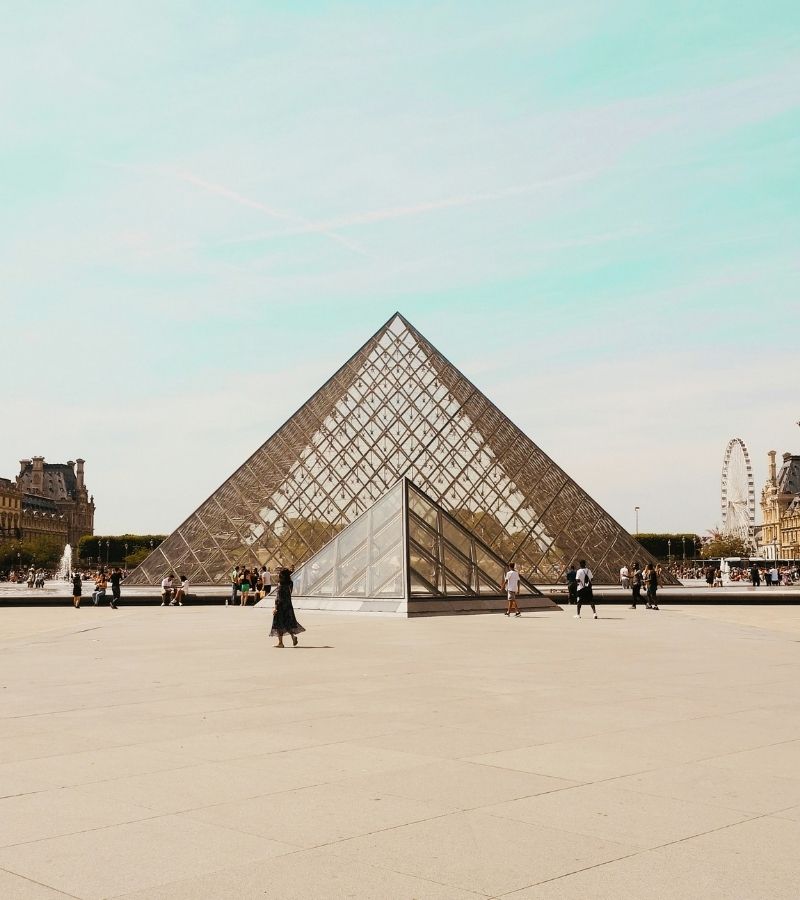
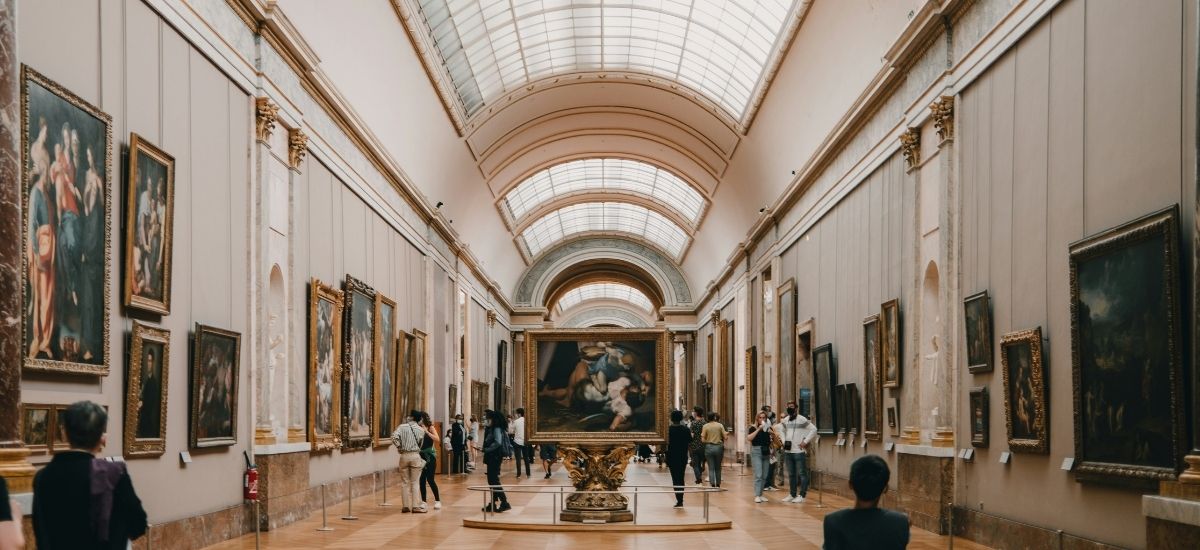
Louvre. Photo: DAT VO

The Louvre crisis did not start with a memo. It started with sirens. On 19 October 2025, thieves disguised as construction workers used a furniture lift and power tools to steal eight pieces of the French Crown Jewels in under eight minutes, an estimated haul of eighty eight million euros.


Weeks later, a key gallery closed for structural risk, a water leak damaged hundreds of Egyptology volumes, and staff unions called a strike. Together, these events turned a legendary museum into a case study on what happens when prestige outpaces maintenance and care.
Louvre crisis
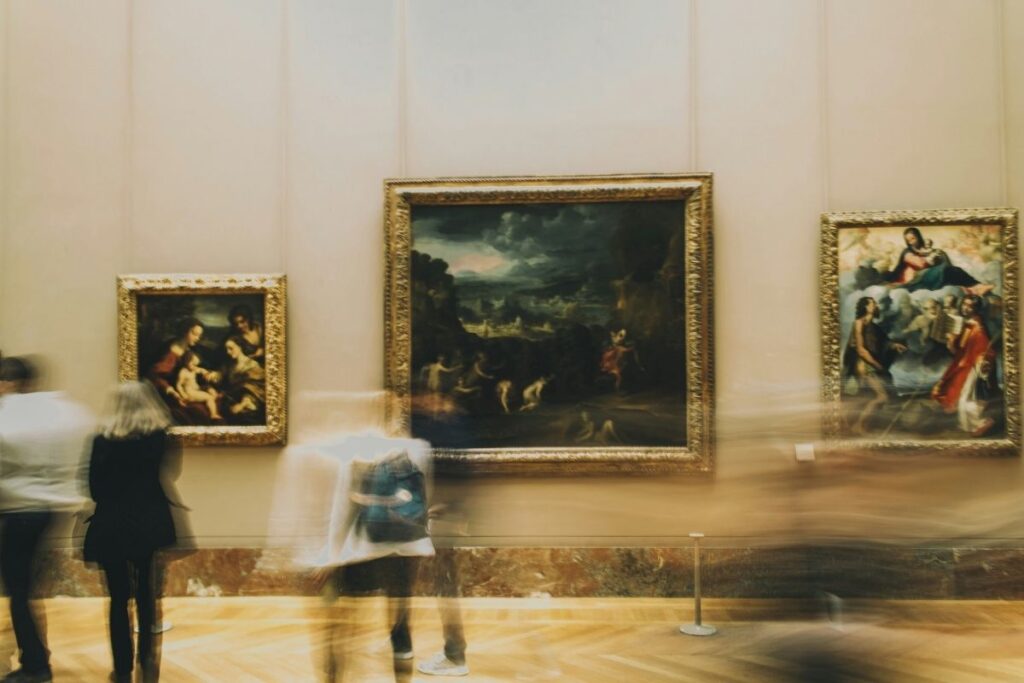
Louvre. Photo: Diogo Fagundes

How Did the Louvre Crisis Begin with a Daylight Heist?

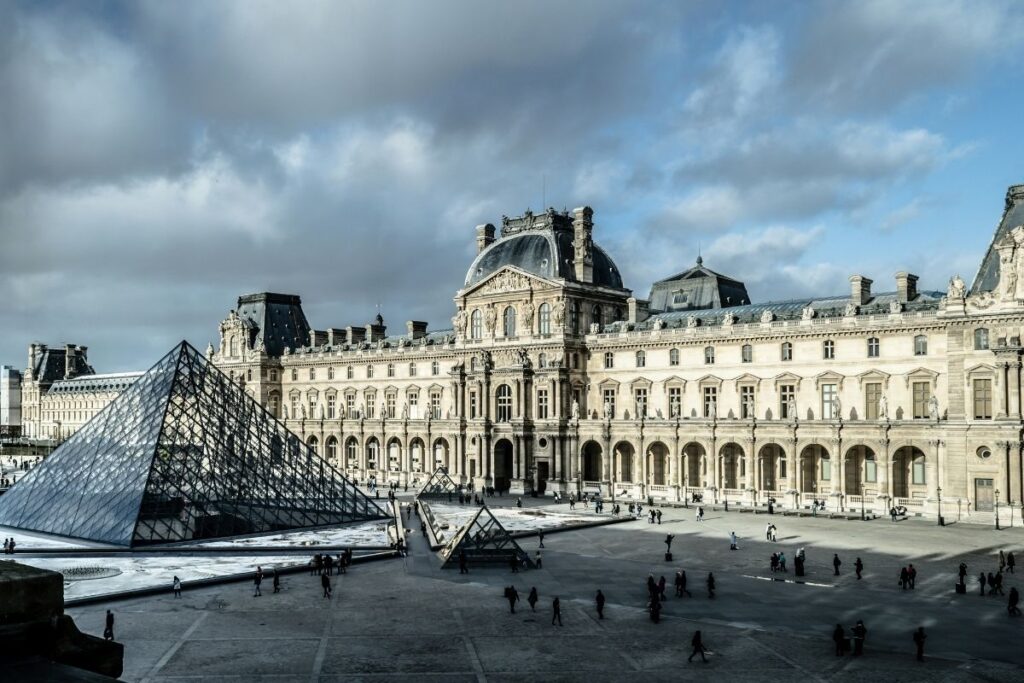
The October robbery targeted the Galerie d Apollon, where the Crown Jewels are displayed. The thieves arrived wearing high visibility vests, passed as workers, then reached a first floor balcony using a furniture lift on the Seine side. 


They cut through a window with a disc cutter, smashed two cases and fled on scooters. The museum closed for two days, and the jewels remain missing. The only consolation is bitterly symbolic. The crown of Empress Eugénie was dropped and recovered, damaged but still in France.

Louvre crisis
Louvre. Photo: Chris Karidis
Louvre crisis
Louvre. Photo: Jean Carlo Emer

What Does the Campana Gallery Closure Reveal about the Building?

On 17 November, engineers flagged serious concerns in the Sully quadrangle, particularly structures dating from the 1930s. As a preventive measure, the Louvre closed the Campana Gallery, which holds major Greek ceramics, because it sits directly under the vulnerable zone. 


Staff offices above were evacuated while investigations continued. The closure is not a simple inconvenience. It exposes how a palace shaped over centuries now carries the weight of record visitor numbers, ambitious expansions and delayed structural upgrades. Prestige has been running on borrowed scaffolding.

How Did Water Damage and Strikes Turn Tension into Full Louvre Crisis?

On 26 or 27 November, a faulty ventilation pipe in the Mollien wing leaked into the Egyptian Antiquities library. Between three hundred and four hundred scientific volumes, many from the late nineteenth and early twentieth centuries, were soaked. 


Conservators rushed in with blotting paper and dehumidifiers. Management insists losses are not irreparable, yet unions highlight that the pipe was known to be obsolete and its replacement was scheduled only for 2026. 


By early December, three unions planned a rolling strike from 15 December, citing unsafe conditions, staff shortages, and an upcoming 45 percent ticket hike for non EU visitors. They argue that money flows more easily into new acquisitions and branding than into salaries, security and plumbing.

Louvre crisis
Louvre. Photo: Tomáš Nožina

France has framed a major modernization program, the Louvre New Renaissance, with an investment of around eight hundred million euros for security, infrastructure and a new setting for the Mona Lisa. 


Yet the Louvre crisis shows that the first luxury is not marble or masterpieces. It is time, staff and reinforced beams. If the museum wants to model the future of cultural institutions, it will need to prove that spectacular programming can finally coexist with something less visible and far more radical: basic care.

FAQ Corner: Essential Questions about the Louvre Crisis

Receive the latest news

Subscribe To Our Magazine

Luster Magazine

Digital Magazine

Ingresa los siguientes datos y comienza a disfrutar de nuestra revista digital.