Discover

Fabergé Winter Egg: When Ice Becomes Ultimate Luxury

The Fabergé Winter Egg shattered auction records at Christie’s London, revealing how ultra rare objects reshape today’s luxury collectibles market.

Por: Angela Leon Cervera
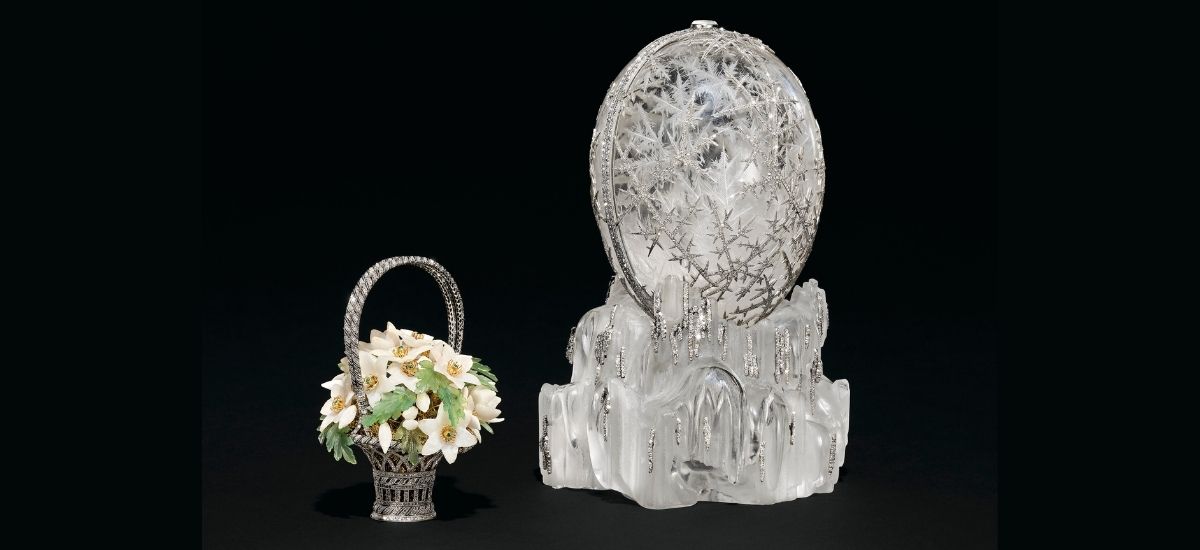
Fabergé Winter Egg
Imperial Winter Egg by Fabergé, Designed by Alma Theresia Pihl, Workmaster Albert Holmström, St Petersburg, 1913. / Courtesy of Christie's

On 2 December 2025, the Fabergé Winter Egg turned Christie’s London into a charged experiment in desire. In a few rapid bids, the 1913 Easter masterpiece reached 22.9 million pounds, about 30.2 million dollars, setting a new world record for any Fabergé work. 


What might seem a tiny glacier made jewel is also a compact story about empire, scarcity and how a single object can evolve into its own asset class.
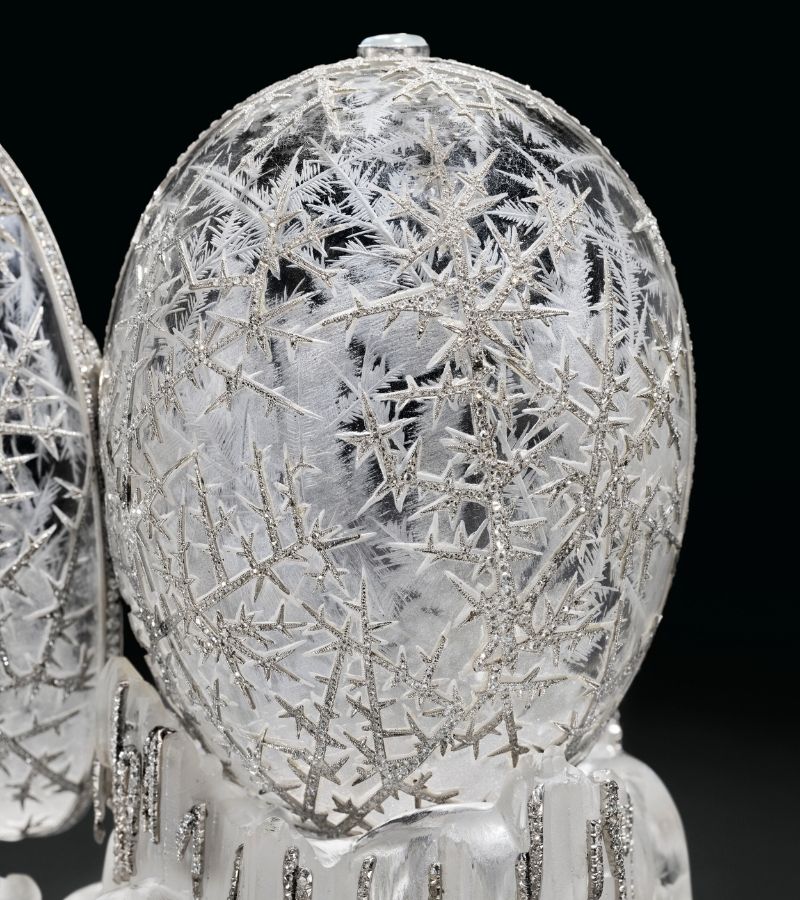
Fabergé Winter Egg
Imperial Winter Egg by Fabergé, Designed by Alma Theresia Pihl, Workmaster Albert Holmström, St Petersburg, 1913. / Courtesy of Christie's

What Makes The Fabergé Winter Egg So Technically Extreme?

Commissioned by Tsar Nicholas II as an Easter gift for his mother Maria Feodorovna, the egg stands just over ten centimetres high.


Its shell is carved from clear rock crystal, engraved to mimic frost on glass and dressed in platinum snowflake motifs set with thousands of rose cut diamonds.


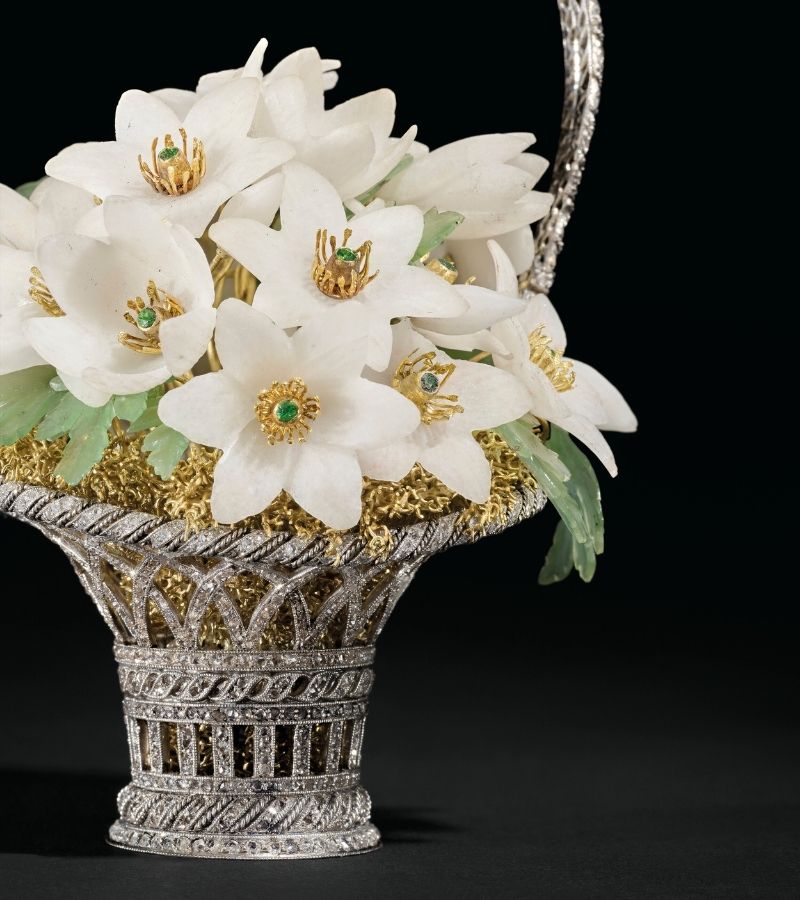
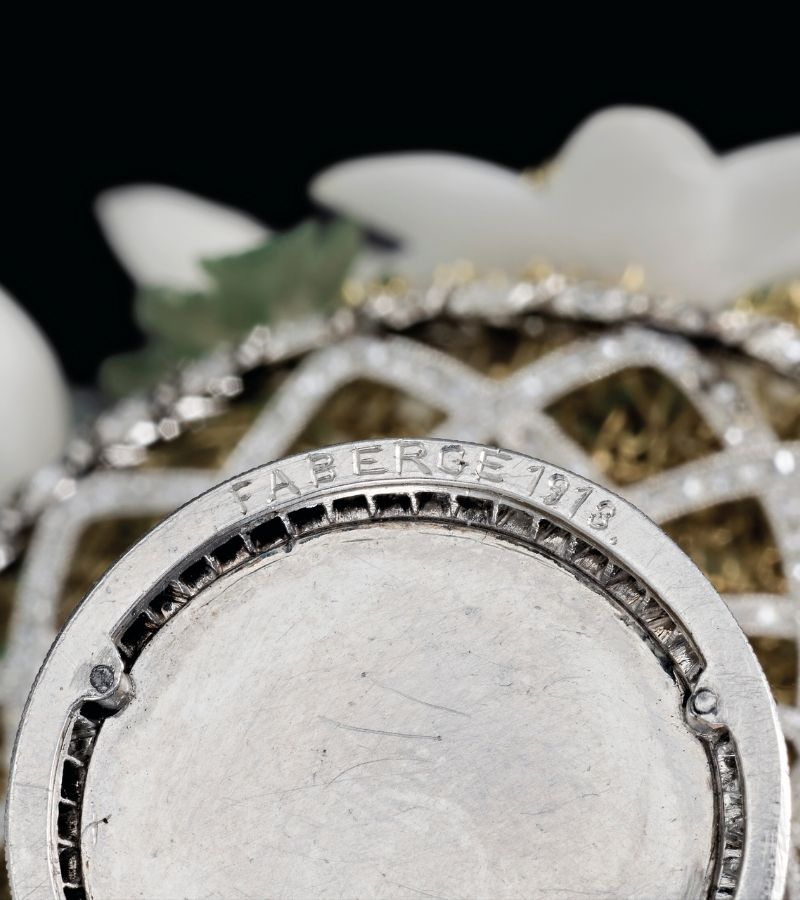
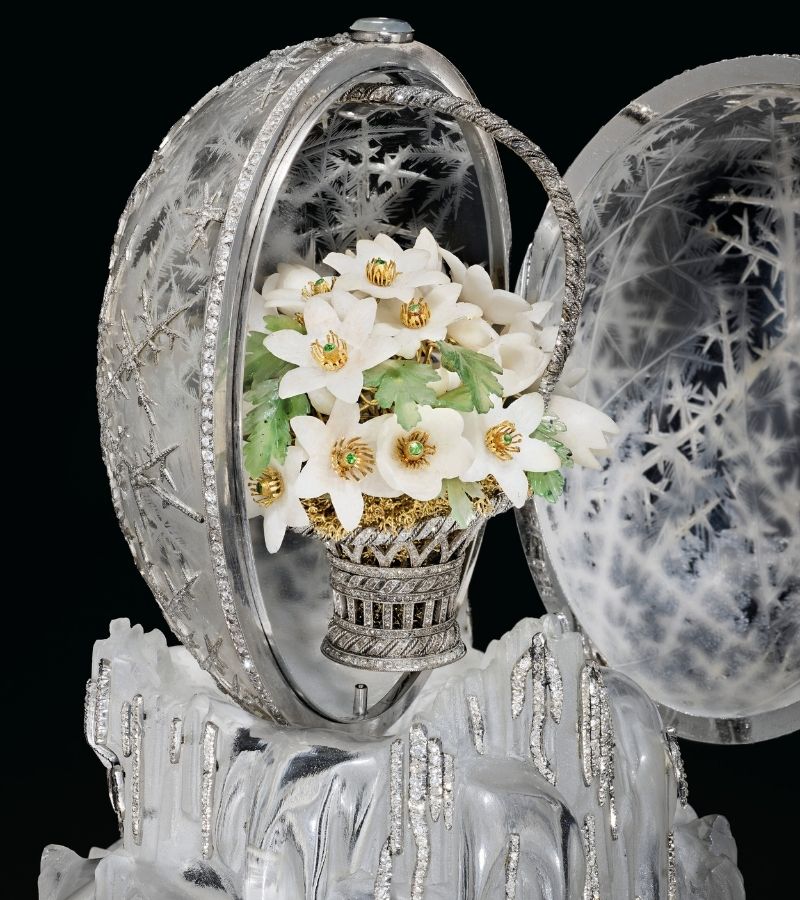
Inside, a removable platinum basket carries wood anemones carved from white quartz, with demantoid leaves and gold moss, resting on a rock crystal base shaped like melting ice.

Fabergé Winter Egg
Imperial Winter Egg by Fabergé, Designed by Alma Theresia Pihl, Workmaster Albert Holmström, St Petersburg, 1913. / Courtesy of Christie's
Fabergé Winter Egg
Imperial Winter Egg by Fabergé, Designed by Alma Theresia Pihl, Workmaster Albert Holmström, St Petersburg, 1913. / Courtesy of Christie's

How Did The Fabergé Winter Egg Become A Record Asset?

Fabergé’s 1913 invoice to the imperial court lists a price of 24,600 roubles, the highest recorded for an imperial Easter egg. That figure equalled many years of wages for an industrial worker and captured, in miniature, the social rift beneath Romanov splendour.


After the Revolution, the Winter Egg was seized, moved to the Kremlin Armoury and then sold by the Soviet agency Antikvariat to a London dealer. It resurfaced at Christie’s Geneva in 1994 at about 5.6 million dollars and again at Christie’s New York in 2002 for 9.6 million dollars, when it entered a Qatari royal collection.


Its latest result at 22.9 million pounds completes a three decade arc in which one object has repeatedly reset the ceiling for Fabergé and confirmed that certain museum grade works function as portable global currency.

Why Does The Fabergé Winter Egg Matter Now?

Only about fifty imperial Fabergé eggs were ever created, and around forty three survive. Most belong to museums and state collections in Moscow, Saint Petersburg, Richmond and New York, which leaves only a handful in private hands. 


Within that small group, the Fabergé Winter Egg stands apart because of its creator. Alma Pihl, a young designer in a male dominated workshop, translated frost she observed on a window into one of the most technically demanding jewels of the early twentieth century.

Fabergé Winter Egg
Imperial Winter Egg by Fabergé, Designed by Alma Theresia Pihl, Workmaster Albert Holmström, St Petersburg, 1913. / Courtesy of Christie's

The new record for the Fabergé Winter Egg shows how one object can outrun market cycles and reframe ideas of value. In a luxury landscape saturated with instant status symbols, real rarity is less about logos and more about memory crystallised in stone and metal.

FAQ Section – Fabergé Winter Egg: Essential Questions

Receive the latest news

Subscribe To Our Magazine

Luster Magazine

Digital Magazine

Ingresa los siguientes datos y comienza a disfrutar de nuestra revista digital.