Art

Grand Egyptian Museum: Tickets, Power and Access

The Grand Egyptian Museum redefines Egypt’s cultural brand while a heated ticket controversy raises urgent questions about access, debt and who heritage truly serves.

Por: Angela Leon Cervera
Grand Egyptian Museum
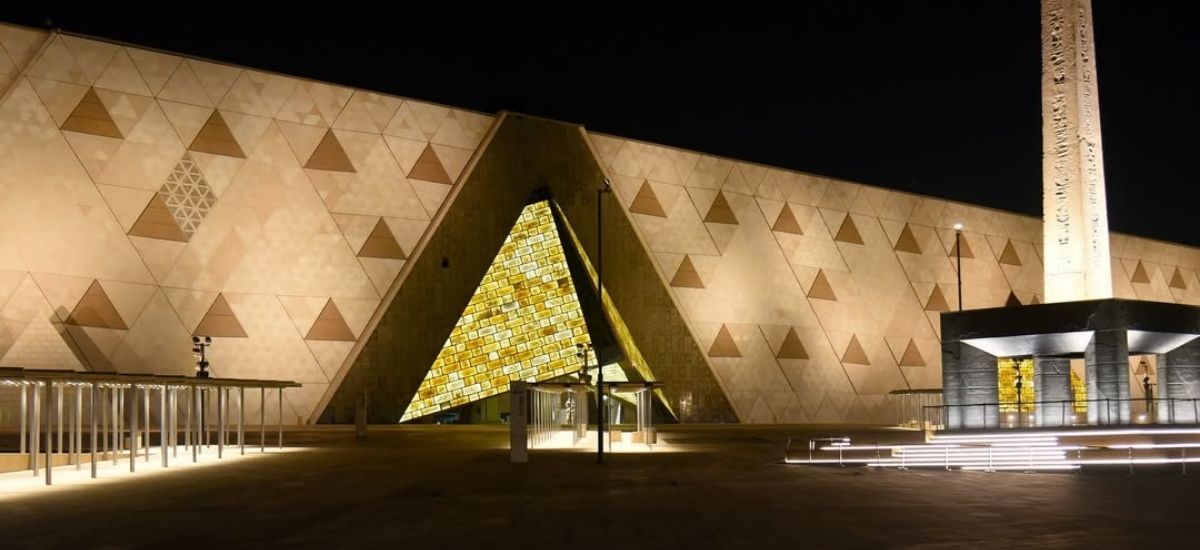
Grand Egyptian Museum. Photo: @grandegyptianmuseum

The Grand Egyptian Museum sits just outside Cairo, facing the Giza Pyramids like a polished counterpoint to ancient stone. Officially opened in early November 2025, it is billed as the largest archaeological museum in the world devoted to a single civilization and a new flagship for Egypt’s cultural brand. 


Behind the alabaster façade, however, lies a finance story as monumental as the architecture. The project cost about 1.2 billion dollars, backed in large part by two concessional loans from Japan’s JICA worth 84.2 billion yen at 1.4 percent interest over 25 years, with seven years of grace. As the museum becomes a tourism magnet, a fierce debate about ticketing has turned this golden gateway into a stress test for cultural equity.
Grand Egyptian Museum
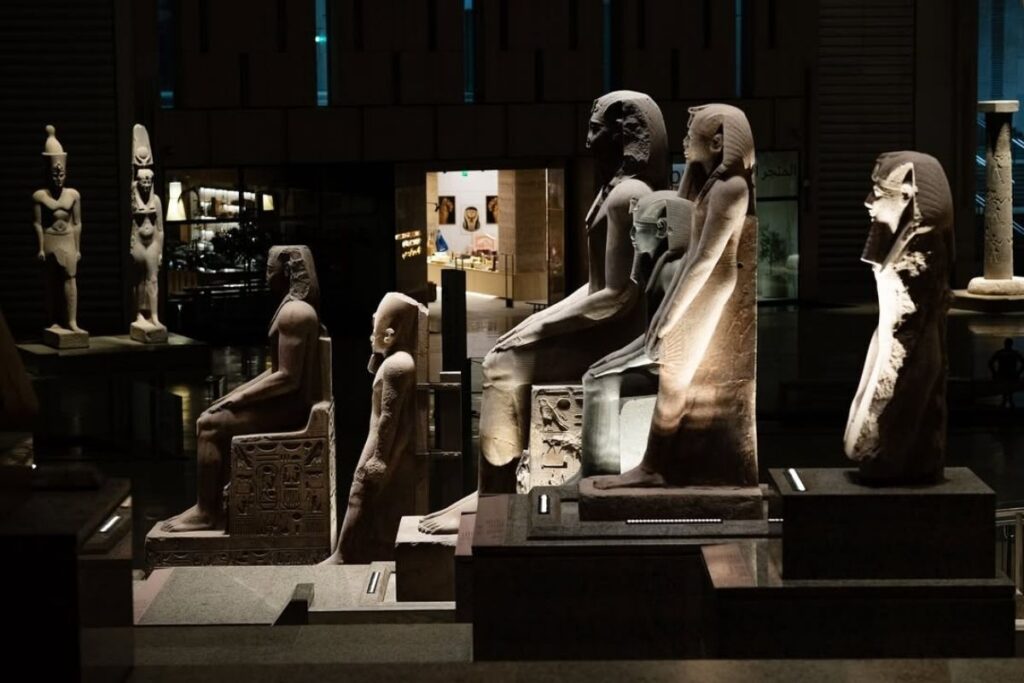
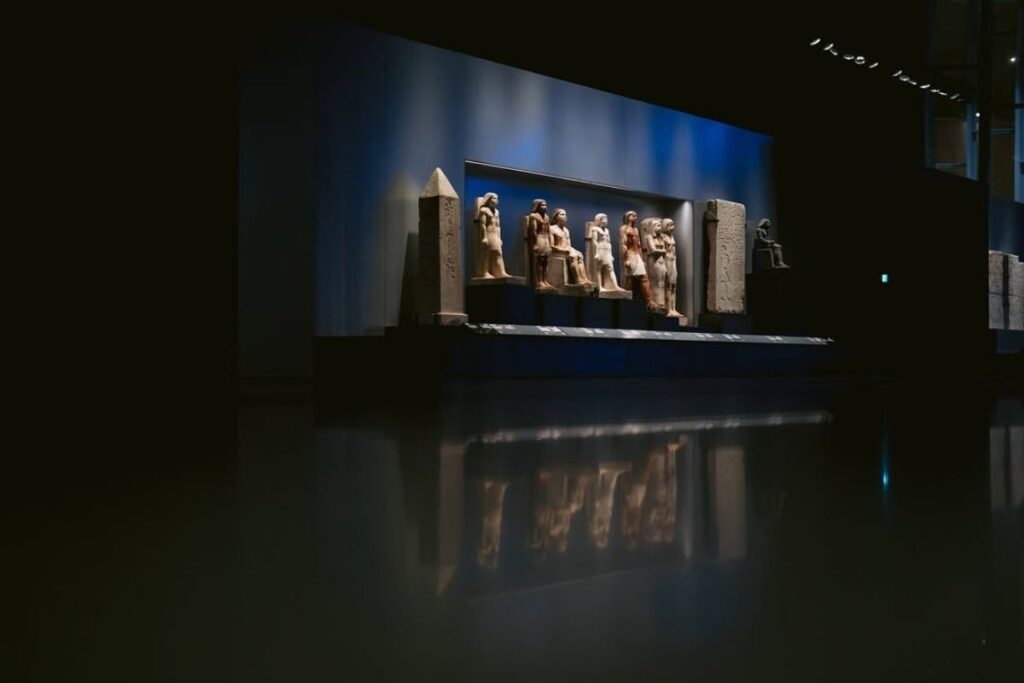
Grand Egyptian Museum. Photo: @grandegyptianmuseum

How did the Grand Egyptian Museum become Egypt’s “golden gateway”?

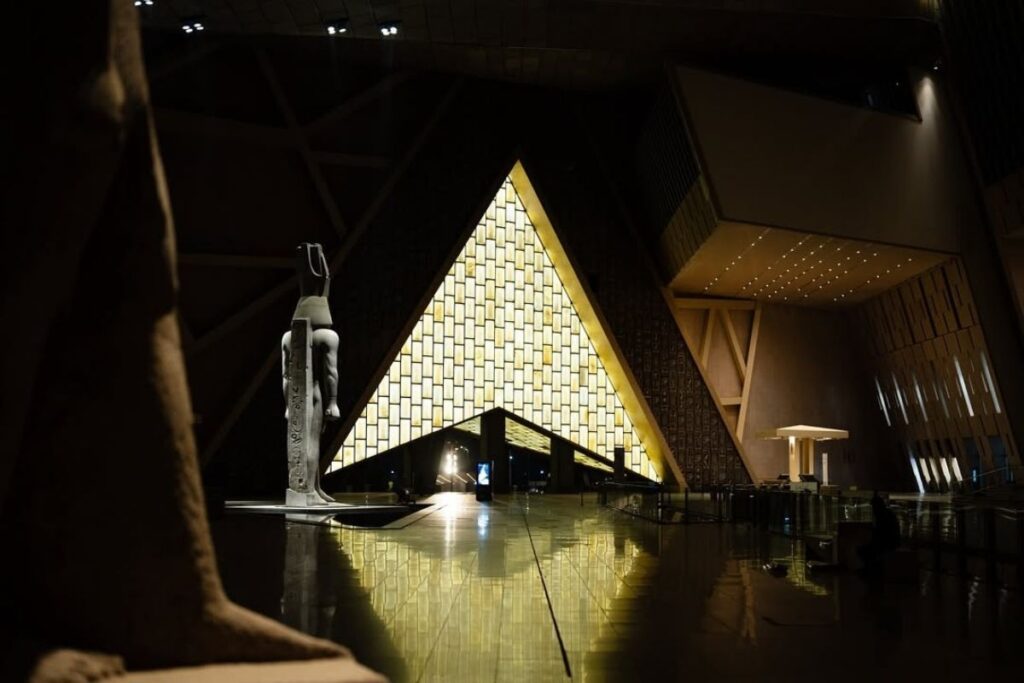
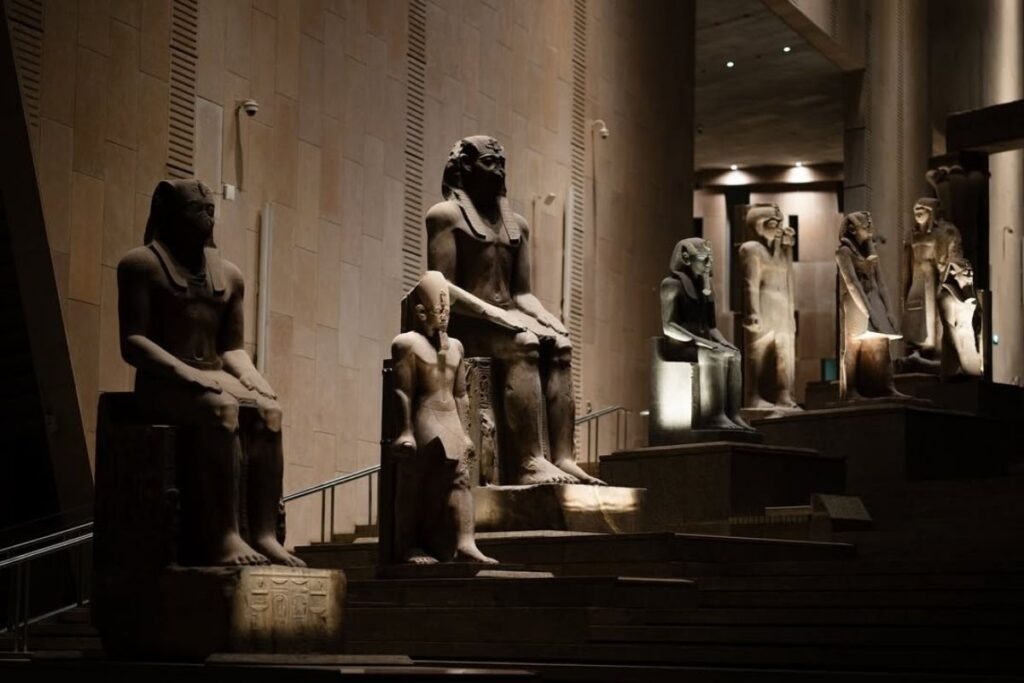
Designed by Dublin based firm Heneghan Peng, the Grand Egyptian Museum aligns its chamfered triangular plan with the Great Pyramid of Khufu and the Pyramid of Menkaure, using glass and stone to frame direct views of the plateau. Inside, visitors climb a monumental stair bordered by colossal statues toward galleries that finally reunite more than 5,000 objects from Tutankhamun’s tomb in 7,000 square meters of dedicated space. 


This scale is not just aesthetic. Egypt’s government expects the museum to anchor an ambitious tourism strategy that aims to push visitor numbers toward 30 million by the early 2030s. With daily capacity capped around 20,000 people, every ticket is a data point in the country’s wider experiment in using culture to stabilise foreign currency flows.

Grand Egyptian Museum
Grand Egyptian Museum. Photo: @grandegyptianmuseum
Grand Egyptian Museum
Grand Egyptian Museum. Photo: @grandegyptianmuseum

Why did Grand Egyptian Museum ticket quotas ignite public anger?

In November 2025, reports emerged of Egyptian families being turned away while tour groups moved smoothly through separate channels. Local and regional media described a quota system that reserved a larger share of daily tickets for foreign visitors, sparking a wave of criticism online. 


Member of Parliament Freddie El Bayady publicly attacked the idea of placing Egyptians on a lower waiting list than foreigners, arguing that no major museum divides access by nationality and that such a policy violates Egypt’s constitutional commitment to equal cultural rights. At the same time, the museum and the Ministry announced that from December 1, all tickets would move to advance online booking only, a decision meant to control crowds but one that intensifies the digital and banking barriers many locals face.

Are Grand Egyptian Museum ticket prices part of the problem or just the symptom?

Official price tables confirm a sharp differential between local and foreign visitors. Egyptians typically pay 200 to 350 EGP for adults, while most international adults pay between 1,450 and 1,700 EGP depending on whether they choose a guided experience. On paper, the subsidy looks generous. In practice, inflation and limited daily quotas mean that cheaper tickets can sell out quickly, leaving many residents blocked even when they are willing to pay.


The operational layer adds another twist. Visitor services and ticketing are run through a public private partnership with Legacy for Management and Development, a subsidiary of Hassan Allam Holding that positions itself as operator of a world class cultural destination. The result feels less like a neutral public museum and more like a branded leisure complex where revenue targets quietly shape who gets in and when.

Grand Egyptian Museum
Grand Egyptian Museum. Photo: @grandegyptianmuseum

The Grand Egyptian Museum delivers exactly what its renderings promised: cinematic views, a reunited Tutankhamun collection and a spectacular new chapter for Egyptology. It also exposes the tension between heritage as a public right and heritage as high value export product.


If the institution wants to be more than a luxury checkpoint on the way to the pyramids, it will need radical transparency on quotas, flexible booking options beyond online only systems and regular free or low cost community windows. The architecture already speaks to eternity. The access model will decide whether future generations remember the museum as a national home for memory or just another gated attraction.

FAQ – Inside the Golden Gate Debate

Receive the latest news

Subscribe To Our Magazine

Luster Magazine

Digital Magazine

Ingresa los siguientes datos y comienza a disfrutar de nuestra revista digital.