Art

The Shadow of the $450 Million “Da Vinci” and the Elite Art Market

How the attribution of “Salvator Mundi” and the $450 million sale exposed deep transparency failures in the ultra-high-value art market.

Por: Angela Leon Cervera
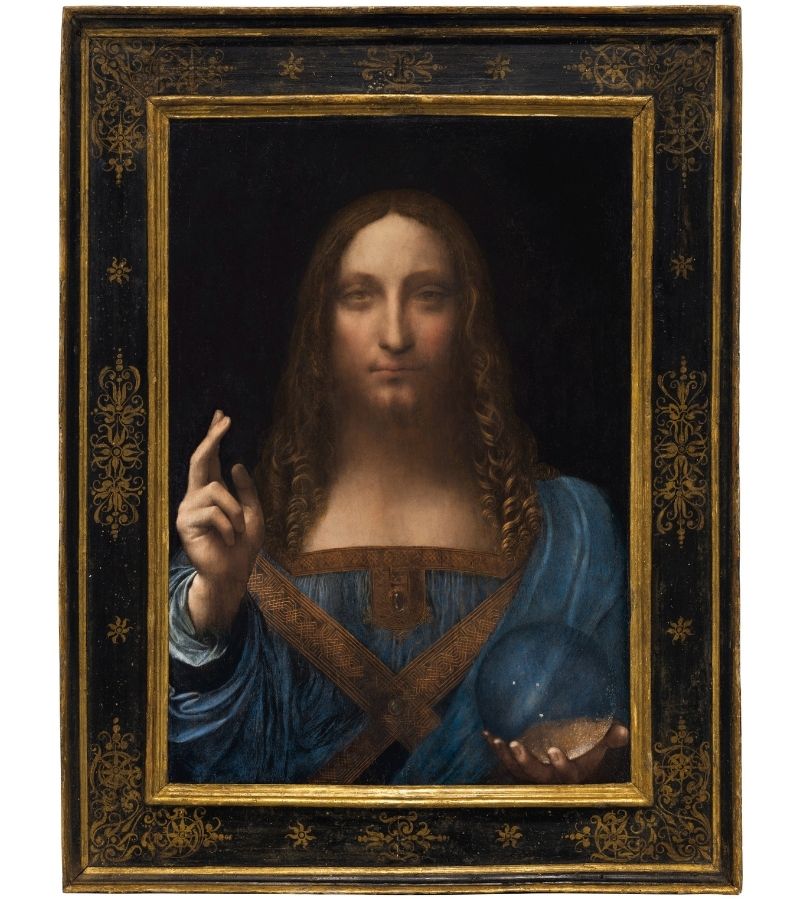
Salvator Mundi
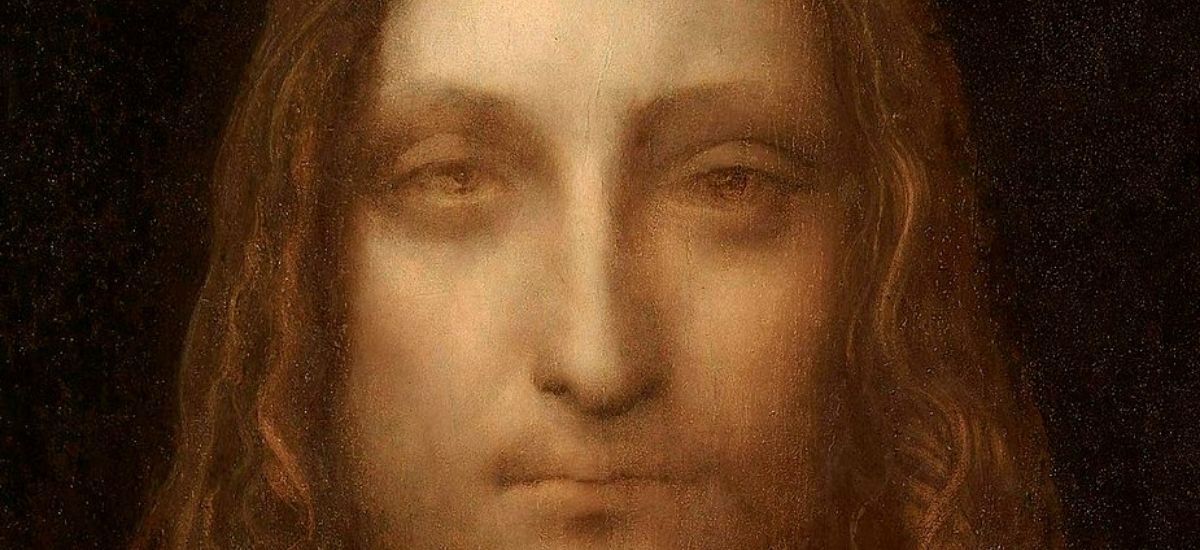
Leonardo da Vinci, Salvator Mundi

The ultra-high-value art market is a whirlwind where culture, capital and secrecy all collide, and the story of Salvator Mundi sits right at that intersection. This seemingly miraculous “lost” work attributed to Leonardo da Vinci did not simply set a record; it exposed how value in art can be built on narrative and anonymity rather than solid provenance.


From a murky rediscovery to a $450.3 million auction price and a vanish-into-thin-air buyer, the Salvator Mundi saga reveals more than one forgery risk—the integrity of the elite art system itself is on trial.
Salvator Mundi
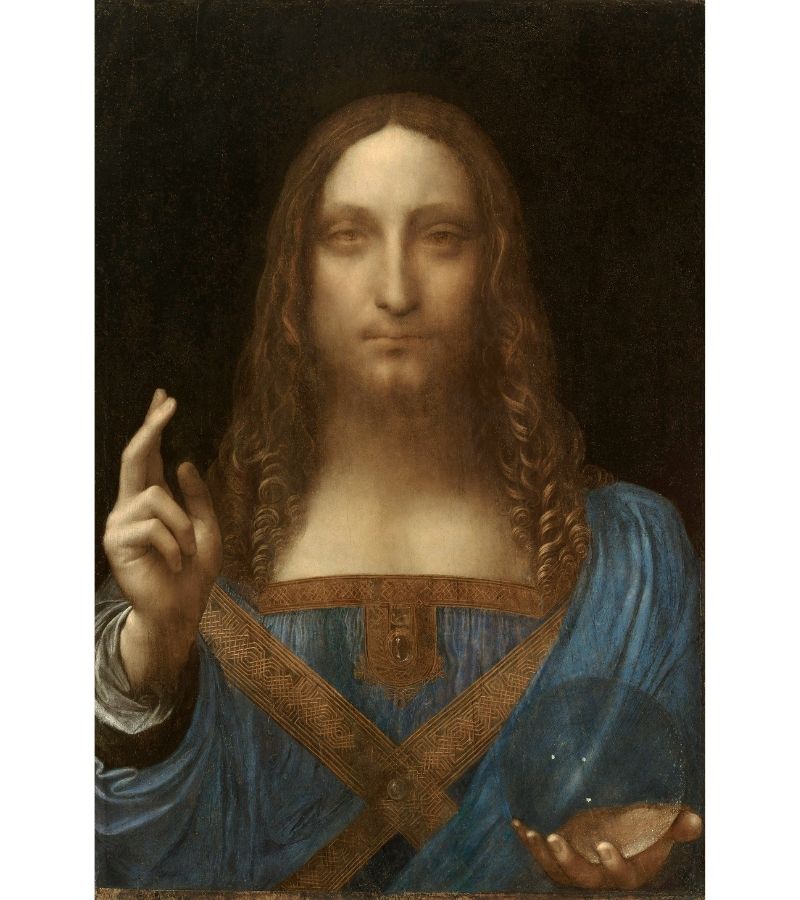
Leonardo da Vinci, Salvator Mundi

What are the origins and the attribution controversy of the Salvator Mundi?

  • The painting resurfaced in 2005, heavily overpainted and attributed to a follower of Leonardo, purchased for just US$1,175.

  • A restoration led by Dianne Dwyer Modestini helped propel its re-attribution to Leonardo, and it featured in a 2011 exhibition at National Gallery, London.

  • Many scholars remain sceptical: one Oxford historian concluded Leonardo may have only executed 5-20% of it, attributing the rest to a studio assistant.

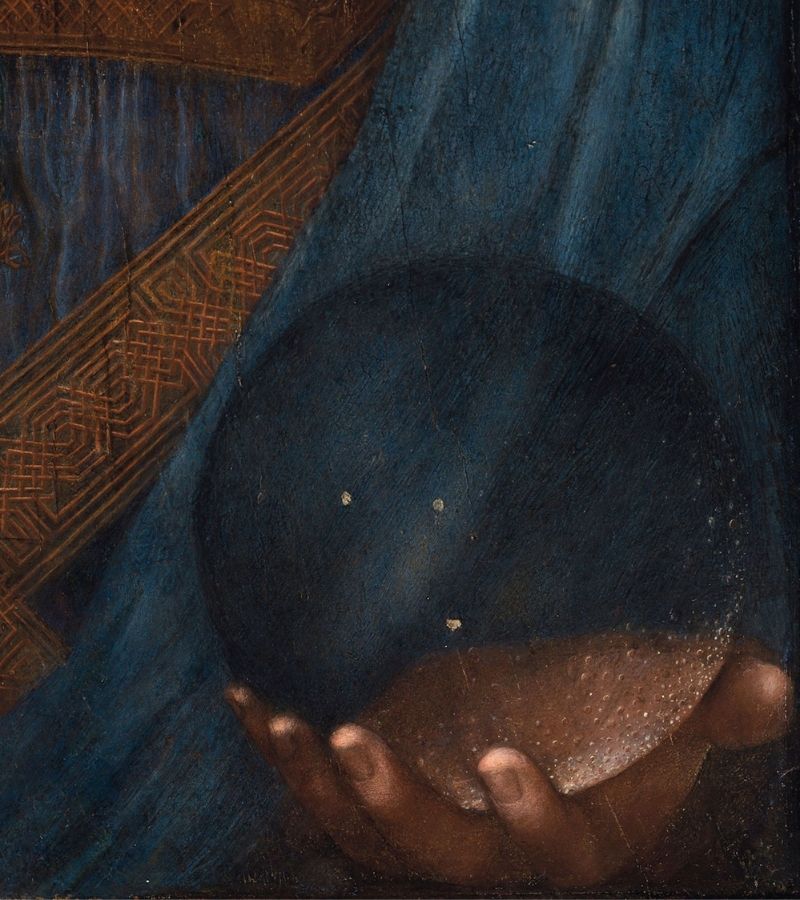
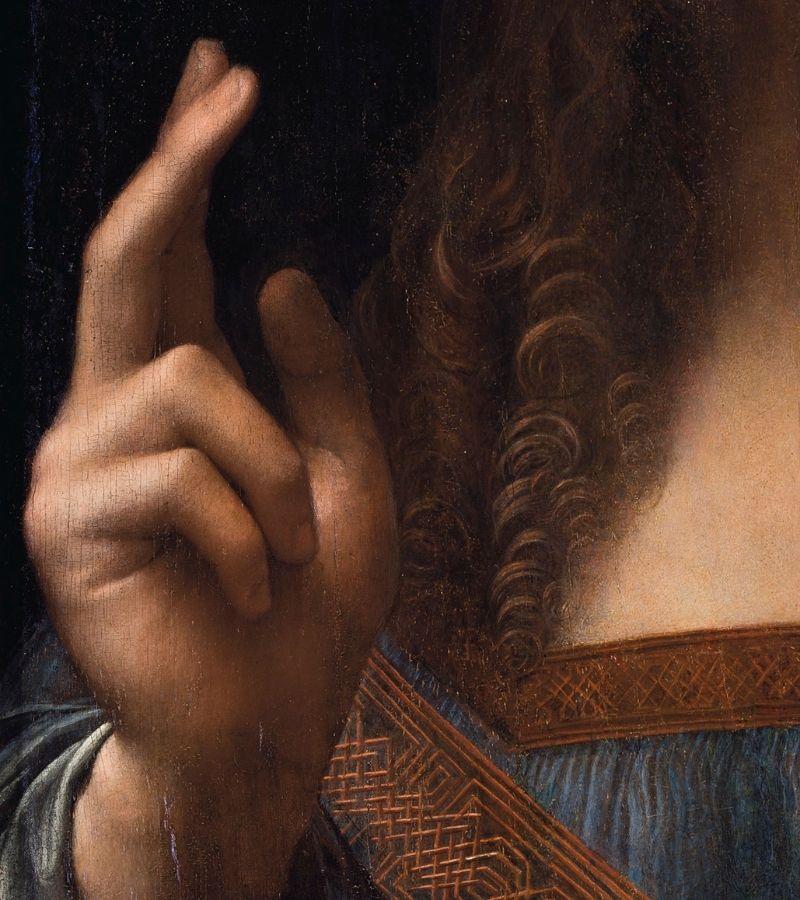
  • Key visual anomalies, notably the glass orb Christ holds, which lacks correct optical distortion, fuel doubts about the authorship.

Salvator Mundi
Leonardo da Vinci, Salvator Mundi
Salvator Mundi
Leonardo da Vinci, Salvator Mundi

How did the sale and ownership of the Salvator Mundi expose market opacity?

  • The painting sold at Christie’s on 15 November 2017 for US$450.3 million, a record-breaking auction.

  • Although the buyer was initially named as Prince Badr bin Abdullah Al Saud, later reporting indicated he was a stand-in for Mohammad bin Salman (MBS) of Saudi Arabia.

  • The work has not been publicly exhibited since; its location is opaque, and it is reportedly destined for a major cultural centre in Saudi Arabia, raising concerns about art-washing and facility for power.

  • The auction’s spectacle masked serious issues: provenance gaps of nearly 400 years, heavy restoration, and an attribution still debated by experts.

What does this tell us about cultural institutions and power in the art world?

  • The fact that the National Gallery lent its institutional weight to the painting’s attribution raises ethical questions: when does validation serve scholarship, and when does it serve value creation?

  • The anonymous nature of ownership and the use of high-value art as diplomatic or reputational tool highlight how artworks become nodes in geopolitical strategy, not just cultural heritage. 

  • For collectors, institutions and the public, the lesson is clear: without transparency in ownership, attribution and restoration, the market’s volatility and risks extend beyond price to integrity of art itself.

Salvator Mundi
Leonardo da Vinci, Salvator Mundi

The saga of the Salvator Mundi is far more than a tale of a $450 million painting. It is a cautionary parable: when authorship is uncertain, ownership is secret, and value is amplified by mystery, the very idea of art as public culture is compromised. As stakeholders, from museums to regulators, face mounting pressure to act, the call for transparency, ethical provenance and institutional integrity grows louder. The art market may never be fully transparent, but if it is to survive its own extremes, this story demands accountability.

FAQ – Frequently Asked Questions

Receive the latest news

Subscribe To Our Magazine

Luster Magazine

Digital Magazine

Ingresa los siguientes datos y comienza a disfrutar de nuestra revista digital.