Art

Art Basel Qatar and the Hidden Engine of Cultural Power

Art Basel Qatar transforms Doha into a global art hub, blending logistics, culture, and soft power to redefine the Gulf’s creative economy.

Por: Angela Leon Cervera
Art Basel Qatar
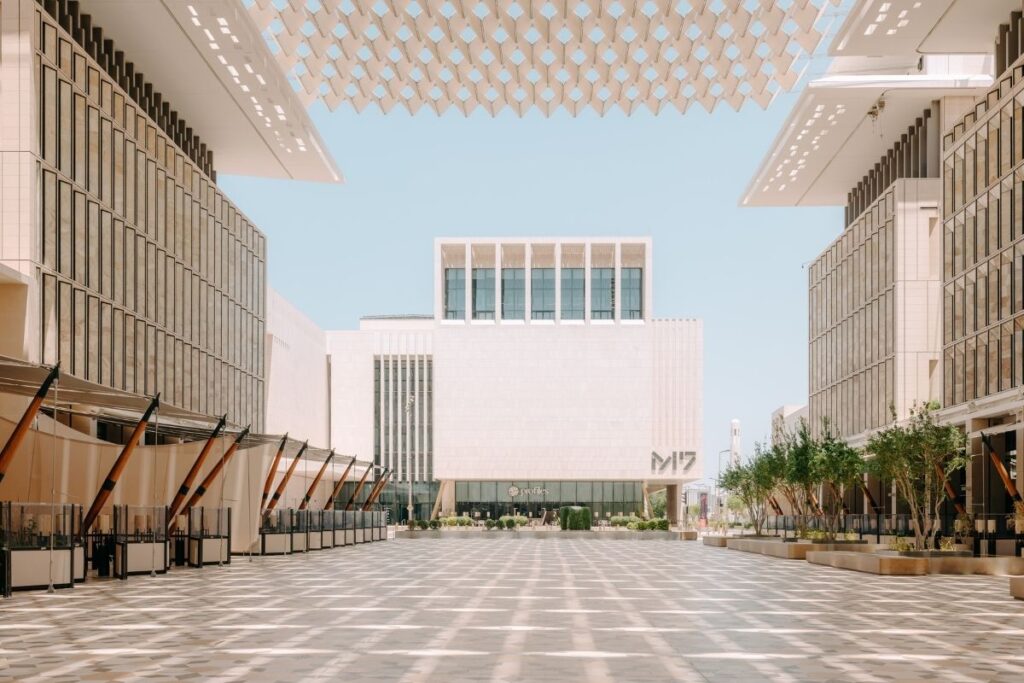
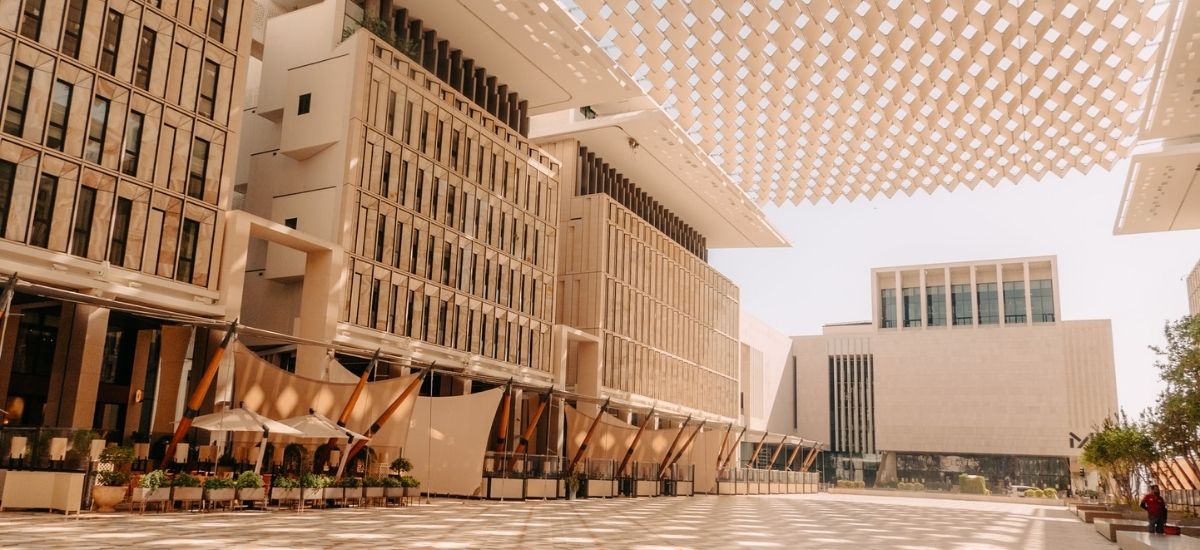
M7 in Doha Courtesy of Art Basel

Qatar’s rise in the global art market is no coincidence. It is the result of a deliberate national strategy linking culture, logistics, and soft power. Through its Vision 2030 plan, the country seeks to diversify its economy beyond hydrocarbons. That transformation depends on building cultural credibility and advanced infrastructure that attracts global investment.


At the center of this effort stands Art Basel Qatar. The fair, set to debut in February 2026, symbolizes more than a commercial event, it represents a turning point where art, logistics, and politics merge into a single ecosystem. Doha is not just hosting a fair; it is building an entire operating system for the art world.

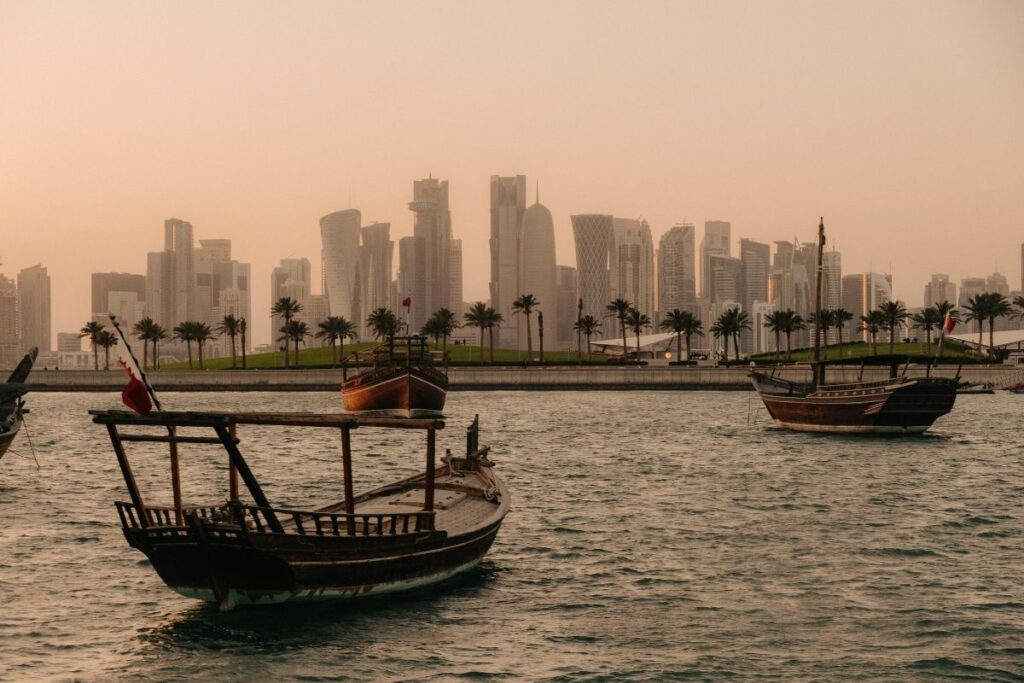
Art Basel Qatar
M7 in Doha Vertical view Courtesy of Art Basel

Art Basel Qatar: A Catalyst for Cultural Legitimacy

Art Basel Qatar will open from February 5 to 7, 2026, with preview days on February 3 and 4. The fair will take place at M7, in the heart of Doha’s Design District. This is Art Basel’s fifth global edition after Basel, Miami Beach, Hong Kong, and Paris.


The project is a collaboration between Qatar Museums, Qatar Sports Investments (QSI), and QC+, a cultural commerce collective. According to Art Basel’s CEO, Noah Horowitz, Doha represents a “long-term vision rather than a short-term market response.” The goal is to integrate the Gulf into the global art ecosystem through education, collecting, and cultural diplomacy.


The setting reinforces that ambition. M7 is surrounded by the National Museum of Qatar, the Museum of Islamic Art, and a network of new creative institutions. This area forms a cultural corridor where art fairs, museums, and private collections coexist under a state-backed system. The country’s soft power strategy is now visible, measurable, and profitable.

Art Basel Qatar
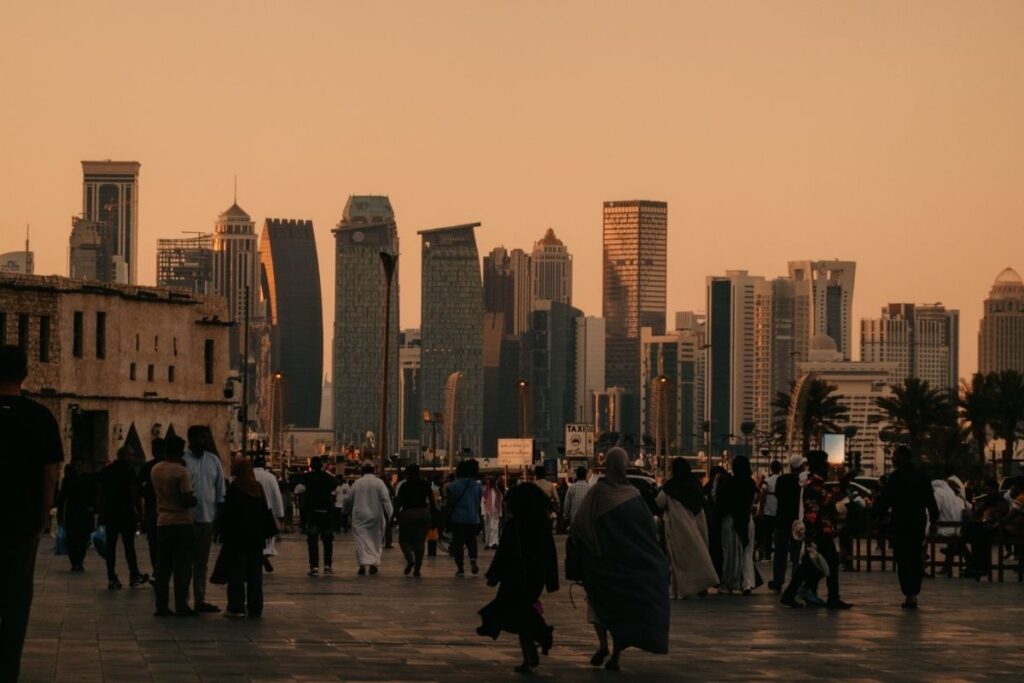
Doha Courtesy of Art Basel
Art Basel Qatar
Doha Courtesy of Art Basel

Ras Bufontas: The Art Free Zone of the Future

The other half of Qatar’s plan lies not in galleries, but in warehouses. In Ras Bufontas, near Hamad International Airport (HIA), Doha is building a next-generation logistics hub for fine art. The project is a joint venture between GWC, the leading logistics company in Qatar, and QC+.


This Free Zone provides tax exemptions and simplified customs procedures. Its proximity to HIA, the region’s largest cargo airport, gives it a geographic advantage. Collectors can import, store, or resell artworks without paying import duties or VAT until they leave the zone.


Inside, the standards match those of a world-class museum. The facility includes:


  • Climate-controlled storage for long-term preservation.

  • On-site conservation labs and inspection rooms.

  • Private and shared viewing galleries that allow clients to see their collections without crossing borders.

  • Bonded customs areas designed for secure handling.

  • Nail-to-nail insurance and tarmac supervision, ensuring full coverage from origin to destination.

With these services, GWC Fine Art, an ICEFAT-accredited company, guarantees the level of care expected by top collectors, museums, and institutions. Doha’s model integrates logistics, conservation, and customs under one roof. This vertical system reduces risk, lowers costs, and strengthens the Gulf’s control over the art supply chain.

Competing with Geneva and Dubai: The Geopolitics of Storage

For decades, Geneva’s Freeport defined the standard for art storage. However, tighter European transparency laws and six-month storage limits have eroded its appeal. Collectors are now looking for jurisdictions that combine efficiency with discretion.


In the Gulf, Dubai has long dominated with its high-security free zones and tax incentives. Yet Qatar’s entry changes the balance. While Dubai built its brand on luxury and architectural spectacle, Doha built its credibility on cultural infrastructure. From the Museum of Islamic Art by I. M. Pei to the National Museum by Jean Nouvel, Qatar positioned itself as the intellectual hub of the region.


Ras Bufontas now offers what Geneva cannot: integrated services, new jurisdictional freedom, and faster connectivity between Asia, Europe, and the Americas. As Western markets tighten regulations on freeports and beneficial ownership disclosure, Doha stands to attract capital seeking confidentiality within a regulated yet flexible environment.

Art Basel Qatar
M7 in Doha Horizontal view Courtesy of Art Basel

Qatar’s strategy merges Art Basel Qatar as the cultural magnet and the Ras Bufontas hub as the financial anchor. Together, they form a closed-loop ecosystem where creative prestige meets economic utility.


This model positions Doha not only as a venue but as a sovereign infrastructure for art. It redefines the relationship between culture and capital, showing how the Gulf’s logistical mastery can fuel its cultural narrative.


Yet this success carries responsibilities. Transparency, sustainability, and labor ethics will determine whether Qatar’s new cultural empire is admired or questioned. The world will soon see if the art stored in Doha remains invisible, or becomes the visible proof of a nation’s creative awakening.

FAQ — Clear Answers to Key Questions

Receive the latest news

Subscribe To Our Magazine

Luster Magazine

Digital Magazine

Ingresa los siguientes datos y comienza a disfrutar de nuestra revista digital.