Art

Sotheby’s and the Breuer Building: A Cultural Power Move on Madison Avenue

Inside Sotheby’s bold relocation to the Breuer Building—an architectural icon redefining Manhattan’s art market from the Upper East Side.

Por: Angela Leon Cervera
Breuer Building
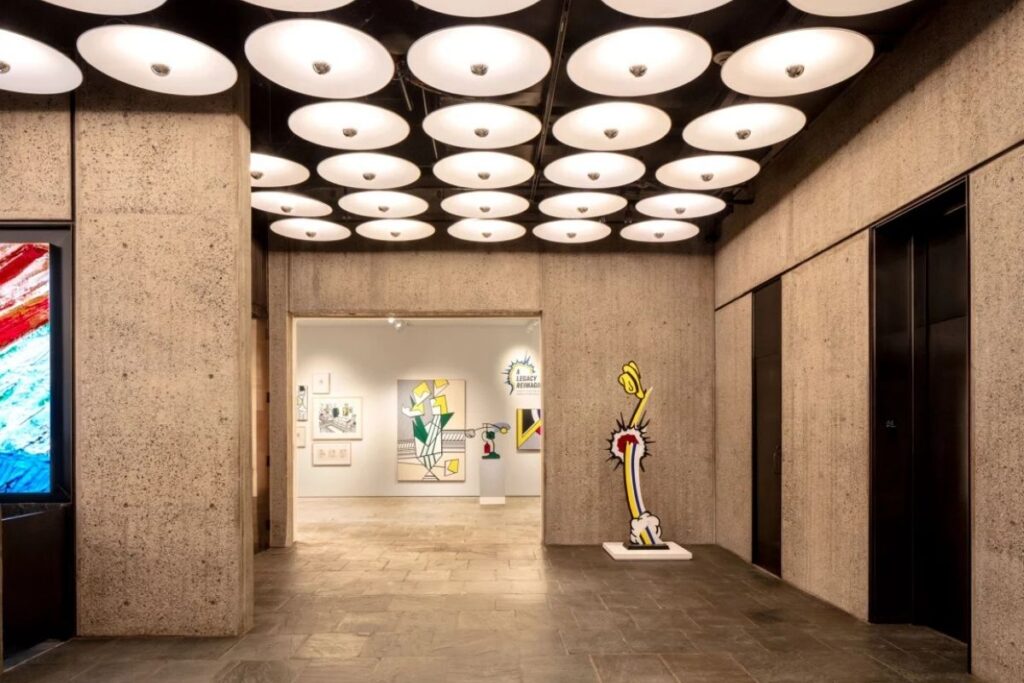
Sotheby’s at The Breuer. Courtesy of Sotheby's

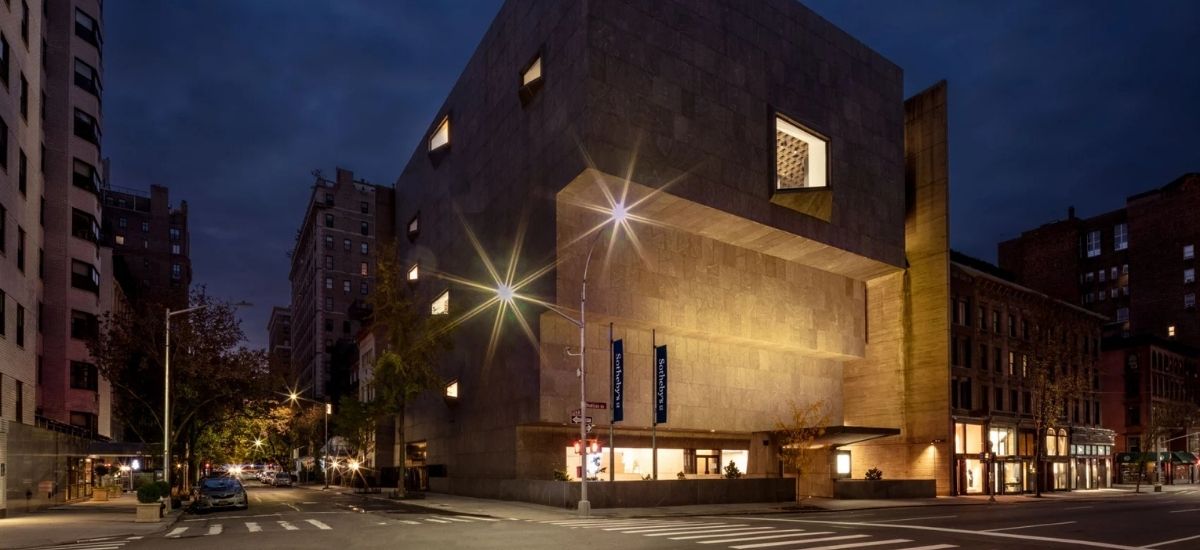
The Breuer Building, with its sculptural concrete façade and geometric poise, is more than a piece of architecture, it is a cultural statement. Now, as Sotheby’s prepares to move into 945 Madison Avenue, the iconic structure gains a new life at the crossroads of art, commerce, and prestige.


This relocation marks Sotheby’s return to its Manhattan roots, positioning the auction house within the magnetic pull of the Museum Mile. The move is not just logistical, it’s symbolic, reaffirming the role of architecture as both brand narrative and competitive advantage in the global art world.

Breuer Building
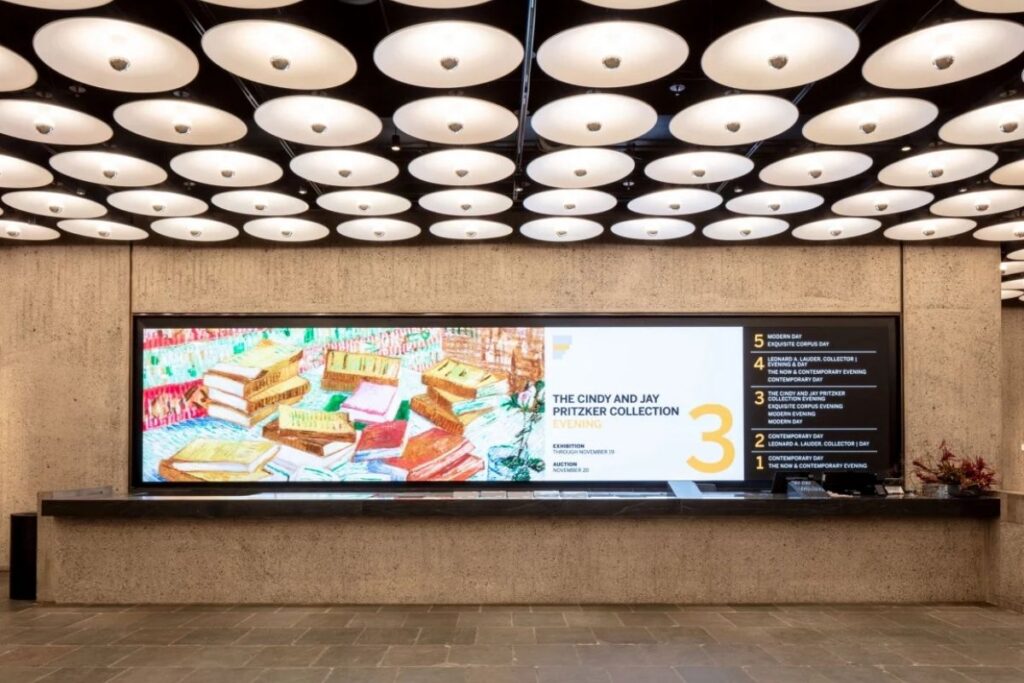
Sotheby’s at The Breuer. Courtesy of Sotheby's

Why did Sotheby’s choose the Breuer Building?

In June 2023, Sotheby’s announced the purchase of the Breuer Building, the Brutalist masterpiece designed by Marcel Breuer and Hamilton P. Smith in 1966. Once home to the Whitney Museum of American Art, the site embodies cultural continuity, a temple of art that never slept.


The decision to move from York Avenue to Madison Avenue was as much about geography as strategy. Nestled near the Metropolitan Museum of Art, the Guggenheim, and top galleries like Gagosian, Sotheby’s gains a front-row seat in New York’s most elite cultural corridor.


Financially, the sale of its former York Avenue headquarters helped offset the acquisition, turning a conventional corporate space into a trophy asset with architectural cachet. The estimated $100 million investment folds heritage and real estate into one statement of strength, a calculated “homecoming” that merges nostalgia with market intelligence.

Breuer Building
Sotheby’s at The Breuer. Courtesy of Sotheby's
Breuer Building
Sotheby’s at The Breuer. Courtesy of Sotheby's

How does the Breuer Building embody heritage and reinvention?

The Breuer Building’s concrete shell, deep-set windows, and dramatic cantilevers once shocked polite Madison Avenue. Today, they symbolize endurance. Inside, blue stone floors, bronze details, and coffered ceilings recall a time when architecture carried moral weight.


The building’s past is illustrious: first the Whitney Museum (1966–2014), then the Met Breuer (2016–2020), and finally the Frick Madison during its recent renovation. Each occupant added to its aura of intellectual gravity. By inheriting this legacy, Sotheby’s instantly aligns itself with decades of cultural credibility.


Rather than neutralize its Brutalist character, Sotheby’s embraces it. The auction house commissioned the Swiss firm Herzog & de Meuron, masters of adaptive reuse, to lead the transformation. Their approach, described as light-touch, preserves Breuer’s raw materiality while modernizing systems, lighting, and accessibility. The result will be an architectural dialogue between permanence and performance, history and commerce.

How does this move reshape the global auction landscape?

Relocating to the Breuer Building redefines Sotheby’s identity. While competitors like Christie’s stay anchored in Midtown’s Rockefeller Center, and Phillips operates on Park Avenue, Sotheby’s now claims the Upper East Side’s most iconic landmark.


This physical presence matters. In an era when digital bidding dominates, collectors still crave the aura of space, the feeling that art belongs within walls of consequence. The Breuer Building offers precisely that: a setting where architecture amplifies the gravity of each sale.


Sotheby’s also plans to keep its galleries free and open to the public, ensuring a constant cultural dialogue. A restaurant designed by Roman and Williams will bring culinary sophistication to the ground floor, turning the building into a lifestyle destination where collectors, curators, and critics naturally converge.


By weaving hospitality, heritage, and high-value commerce into one ecosystem, Sotheby’s transforms its new headquarters into a global flagship, part gallery, part museum, part cultural salon.

Breuer Building
Sotheby’s at The Breuer. Courtesy of Sotheby's

The reopening of the Breuer Building as Sotheby’s global headquarters on November 8, 2025, is a defining moment for New York’s art market. The move unites financial foresight with architectural reverence, turning a Brutalist landmark into a modern symbol of institutional ambition.


In 945 Madison Avenue, Sotheby’s has found more than a home, it has secured a legacy. The building that once introduced the world to American Modernism now hosts the transactions that define the art economy of the twenty-first century. Heritage becomes leverage; architecture becomes advantage.

FAQ: Understanding Sotheby’s Move to the Breuer Building

Receive the latest news

Subscribe To Our Magazine

Luster Magazine

Digital Magazine

Ingresa los siguientes datos y comienza a disfrutar de nuestra revista digital.