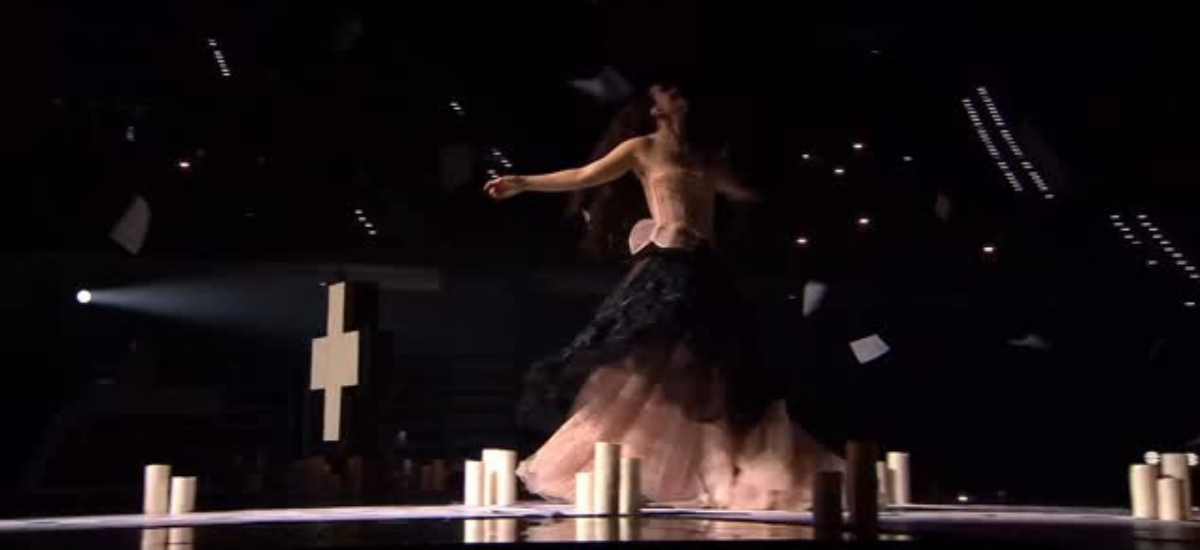
Culture

Opera Pop Reborn: Rosalía, Queen, and Gaga in Dialogue

In contemporary music, few artists reshape the cultural landscape with the daring intensity of Rosalía, and now she joins a legacy of pop artists inspired by classical language.

Por: Rubén Carrillo
ROSALIA OPERA INFLUENCES
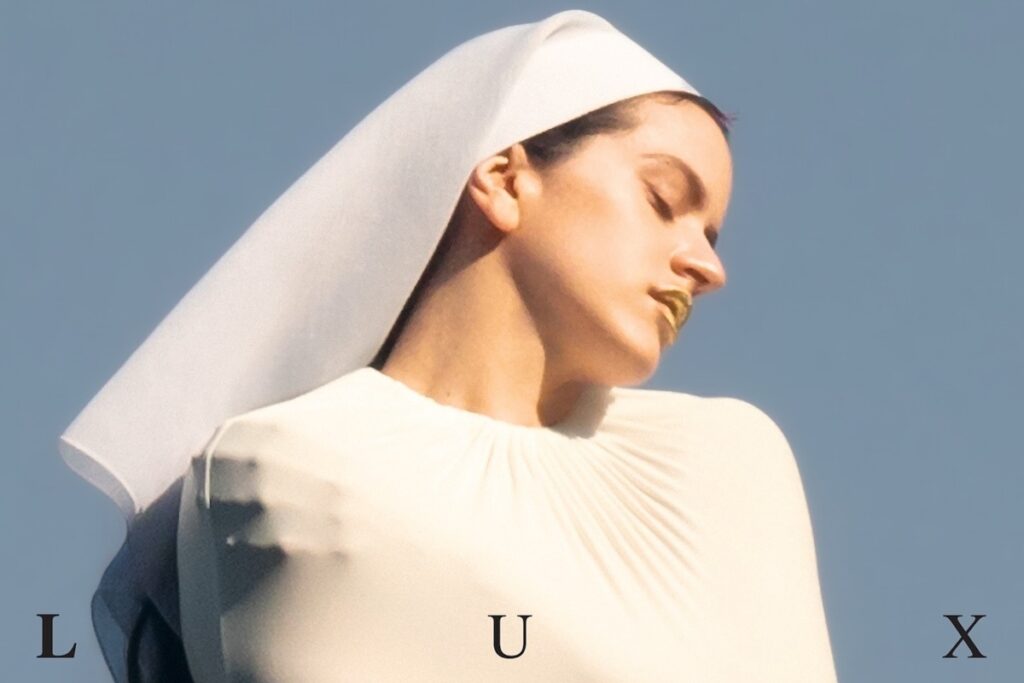
Rosalía's new album LUX, marks a monumental shift in her artistic journey, stepping into the realm of classical music and operatic expression. / Photo IG Rosalía

The Beatles, Queen, and Lady Gaga are just a few of the artists on a special list of musicians who’ve been inspired by opera and classical music. And now, Rosalía is the latest addition to this list, thanks to LUX.


Rosalía’s new album LUX, marks a monumental shift in her artistic journey, stepping into the realm of classical music and operatic expression. 


Far from a simple stylistic experiment, this work builds a bridge between centuries-old musical traditions and a global, digital sound. 


The result is a sonic landscape that feels devotional, surreal, and deeply intimate.
Far from a simple stylistic experiment, this work builds a bridge between centuries-old musical traditions and a global, digital sound. / Photo Rosalía
Far from a simple stylistic experiment, this work builds a bridge between centuries-old musical traditions and a global, digital sound. / Photo Rosalía web

A New Dialogue Between Past and Present

Rosalía’s new album LUX is a culmination of academic discipline and personal memory.


The artist was exposed to classical music through her family, particularly her grandmother’s admiration for legendary opera voices. 


This emotional lineage empowered Rosalía to approach classical music with reverence rather than novelty.


She studied musicology, specializing in flamenco interpretation, which sharpened her sensitivity to vocal nuance. 


In this new album, she uses that foundation to embrace operatic phrasing, vocal layering, choral textures, and orchestral tension. 


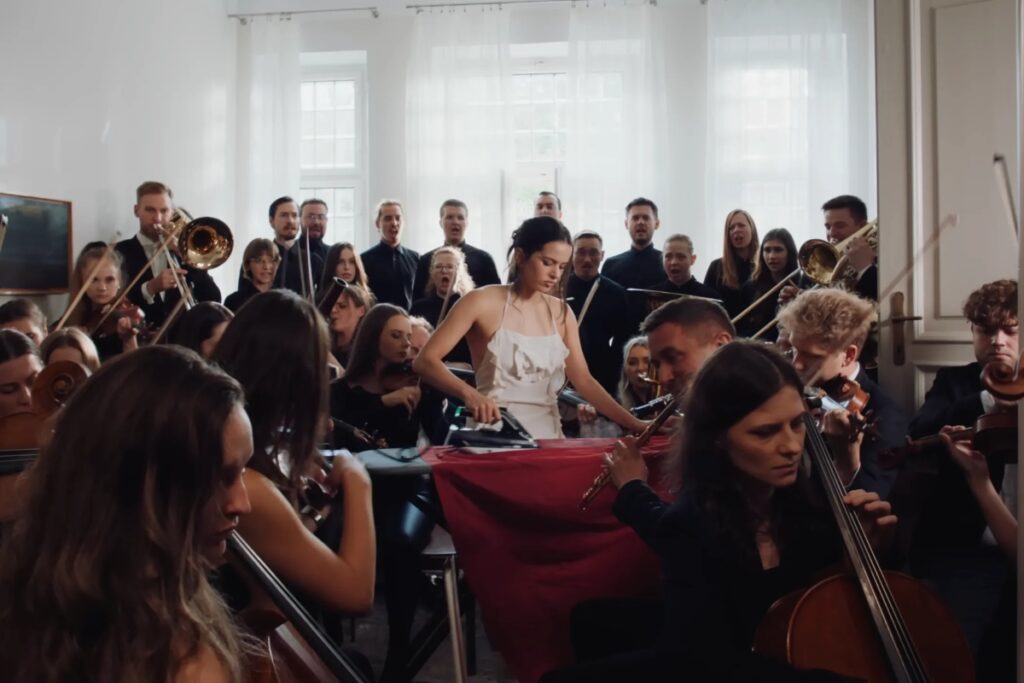
Her collaborations with the London Symphony Orchestra, the Cor de Cambra of the Palau de la Música Catalana, and the Escolania de Montserrat demonstrate this commitment to authenticity and depth.

Rosalía's new album LUX is a culmination of academic discipline and personal memory. / Photo Rosalía
Rosalía's new album LUX is a culmination of academic discipline and personal memory. / Photo IG Rosalía

A Postmodern Oratorio

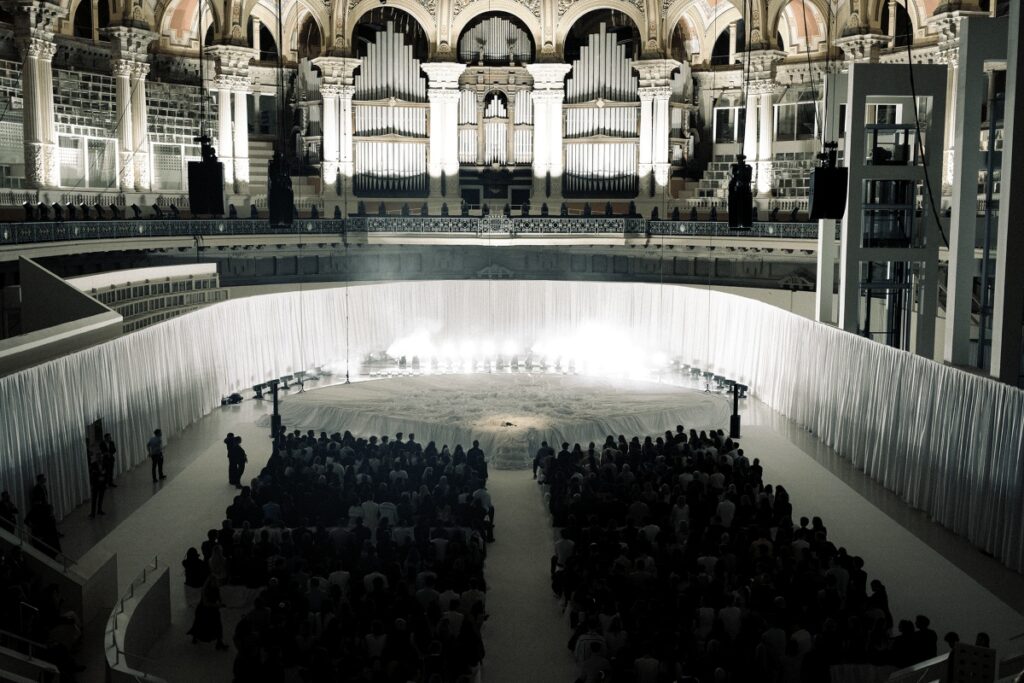
The artistic director of the Gran Teatre del Liceu, Víctor García de Gomar, describes the album as revolutionary. 


He sees it as a space where devotion and sensuality coexist, where flamenco becomes spectral, and electronic whispers merge with monastic chants.


For him, the voice becomes light, and light becomes revelation.


This interpretation aligns with the album’s structure. Rosalía’s new album LUX unfolds like an oratorio in multiple movements. 


Its emotional arc travels through ecstatic praise, painful memory, quiet contemplation, and transcendental release. Each piece reveals tension between earthly desire and spiritual elevation.


Tracks such as Yugular, Reliquia, Magnolias, and Memoria are emblematic of this journey. They blend melismatic phrasing with choral exaltation and orchestral swell. 


The production references Christian liturgical music, Sufi devotional chants, and Baroque harmonic drama.

Cultural Resonance and Visual Aesthetics

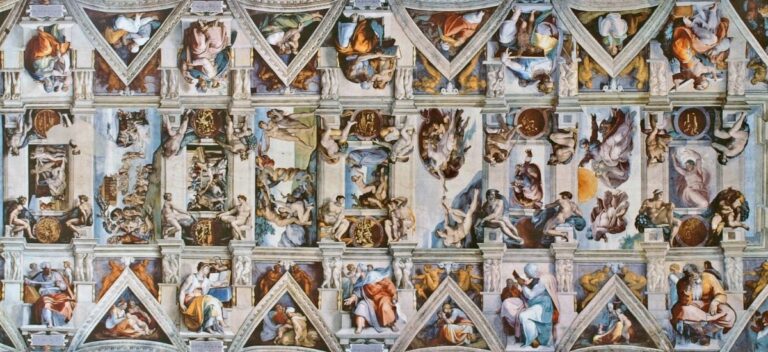
García de Gomar situates the album aesthetically alongside the Sevillian period of Velázquez and the mystical installations of Eulalia Valldosera. 


The music evokes sacred spaces, candle-lit altars, and meditative silence. Yet, it never abandons modernity. There are electronic pulses, cinematic crescendos, and moments that evoke the surreal fantasy of a Tim Burton score.


The album embodies timelessness, yet it speaks urgently to the present. In an era defined by speed and spectacle, LUX chooses slowness, reflection, and emotional clarity.

The music evokes sacred spaces, candle-lit altars, and meditative silence. Yet, it never abandons modernity. / Photo Rosalía
The music evokes sacred spaces, candle-lit altars, and meditative silence. Yet, it never abandons modernity. / Photo Rosalía web

Classical Influences in Pop History

Rosalía’s work joins a legacy of pop artists inspired by classical language. 


The Beatles reinterpreted Bach. Queen embedded operatic theater in rock with Bohemian Rhapsody


Lady Gaga, Janet Jackson, and Nas have sampled classical melodies to create new emotional contexts.


Like these artists, Rosalía is not copying but transforming. She is exploring how classical music can feel visceral and contemporary. 


She refuses the idea that classical music belongs only to tradition. Instead, she presents it as living, flexible, and universal

Q&A

Receive the latest news

Subscribe To Our Magazine

Luster Magazine

Digital Magazine

Ingresa los siguientes datos y comienza a disfrutar de nuestra revista digital.