Art

V&A East: Redefining Global Creativity in London’s East Bank

Explore how V&A East is rewriting museum culture with a global vision and inclusive architecture under Gus Casely-Hayford’s leadership.

Por: Angela Leon Cervera
V&A East
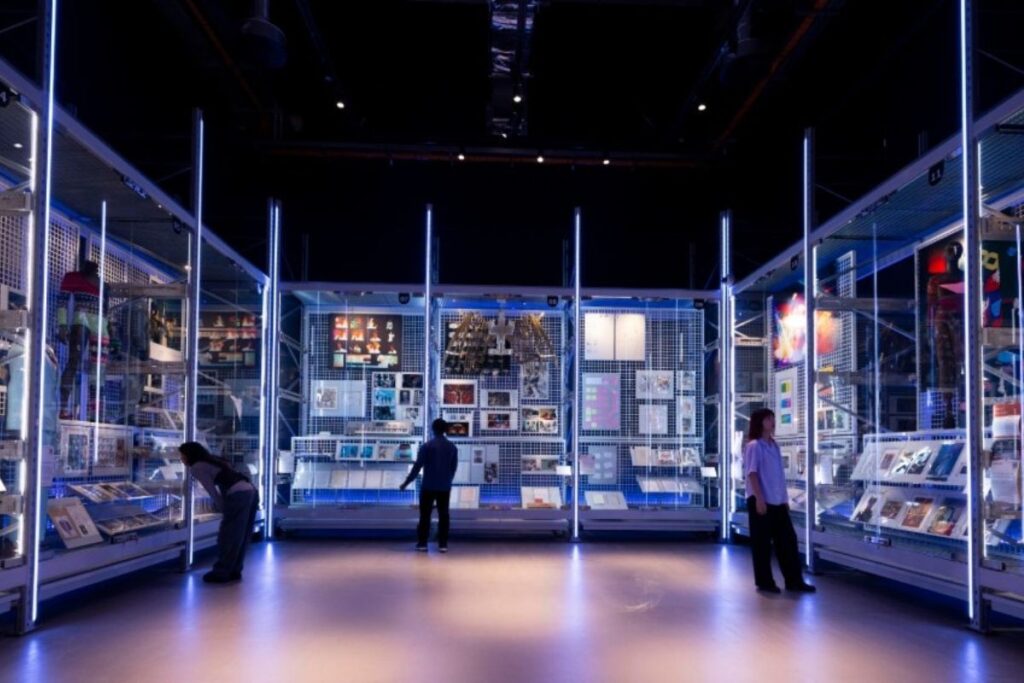
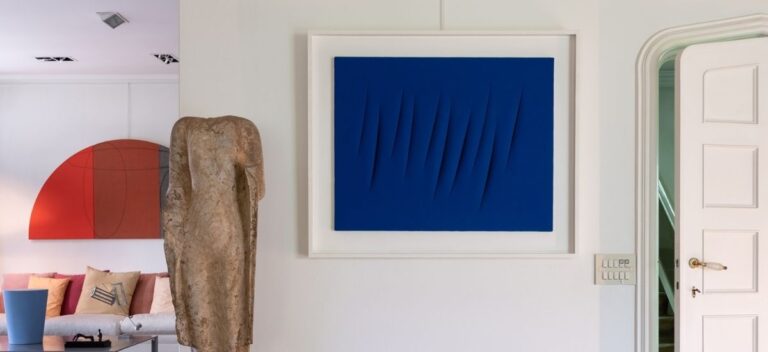
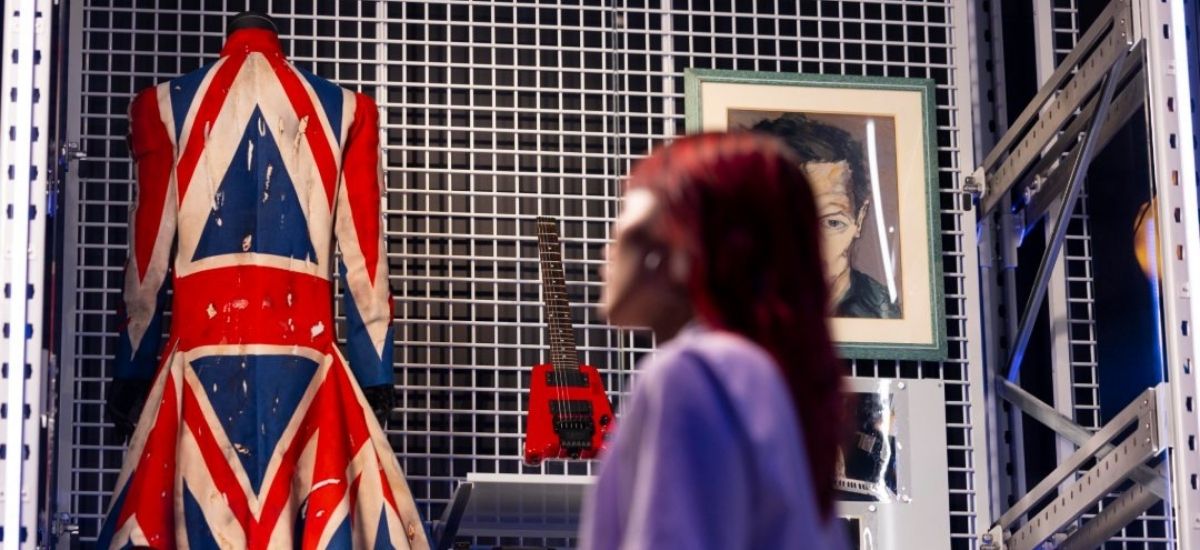
David Bowie Centre at V&A East Storehouse. Photo: @vam_east

The arrival of V&A East signals more than just another branch of a storied institution: it heralds a bold reinvention of how a museum can engage society, identity and creativity. Located in London’s East Bank, this new cultural campus positions the V&A as a generator of ideas rather than merely a repository of objects.


With visionary leadership from Gus Casely-Hayford, V&A East binds architecture, community and global practice into a single enterprise, one that promises to reconnect heritage with tomorrow’s cultural makers in an inclusive, dynamic way.
V&A East
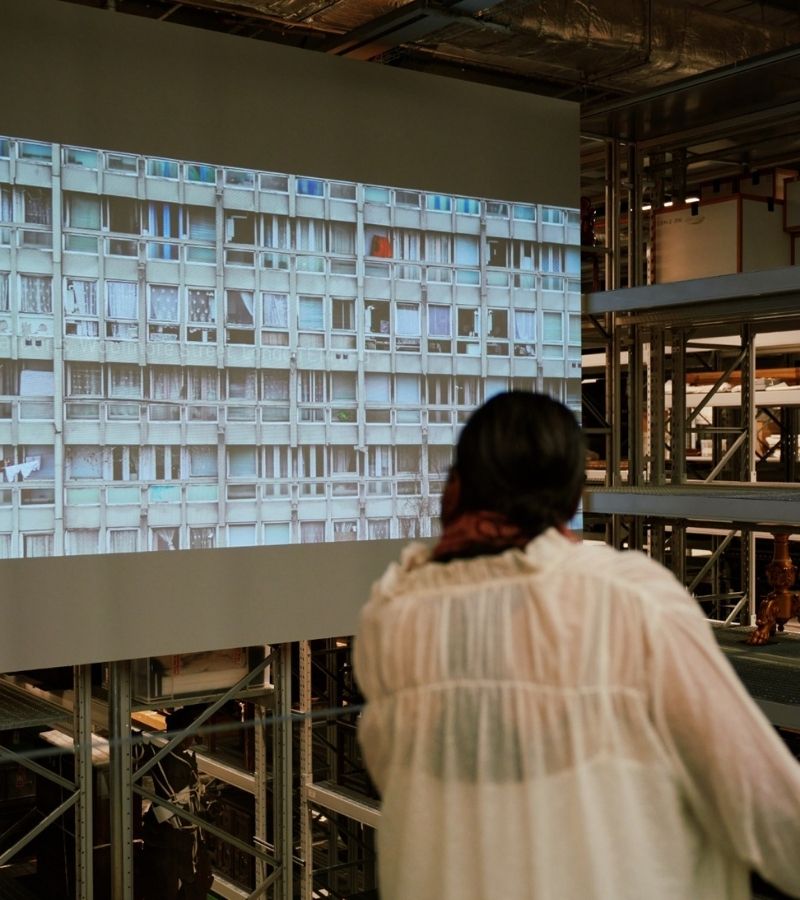
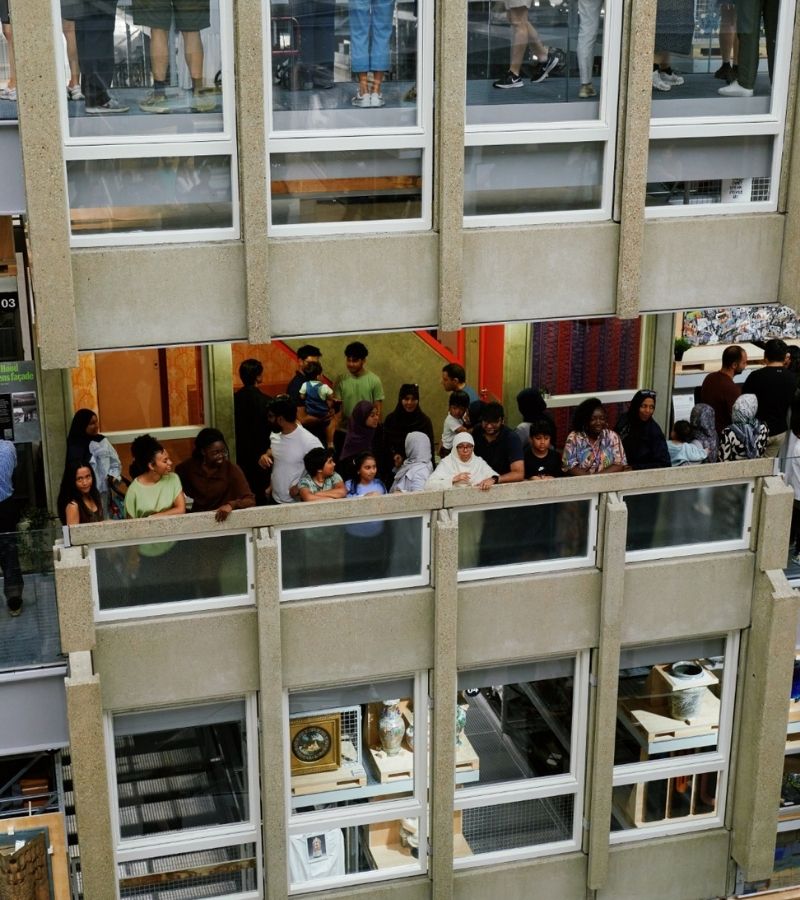
V&A East Storehouse. Photo: @vam_east

What is the ambition behind V&A East?

The ambition of V&A East extends deeply into the legacy of the 2012 London Olympics and the regeneration of East London’s Queen Elizabeth Olympic Park. The so-called East Bank project, valued at roughly £1.1 billion, brings together major institutions—such as BBC Music, Sadler’s Wells East, UCL East and the London College of Fashion—with the V&A at its core.


V&A East comprises two principal sites:


  • Storehouse (Here East) – a four-storey collections and archive centre designed by Diller Scofidio + Renfro.

  • Museum (Stratford Waterfront) – a five-storey flagship building by O’Donnell + Tuomey, slated to open 18 April 2026.

This dual model sets a curatorial strategy that balances accessibility and creation: the Storehouse opens up the archive; the Museum generates new commissions and exhibitions. The project is embedded in its neighbourhood, but also global in outlook.

V&A East
David Bowie Centre at V&A East Storehouse. Photo: @vam_east
V&A East
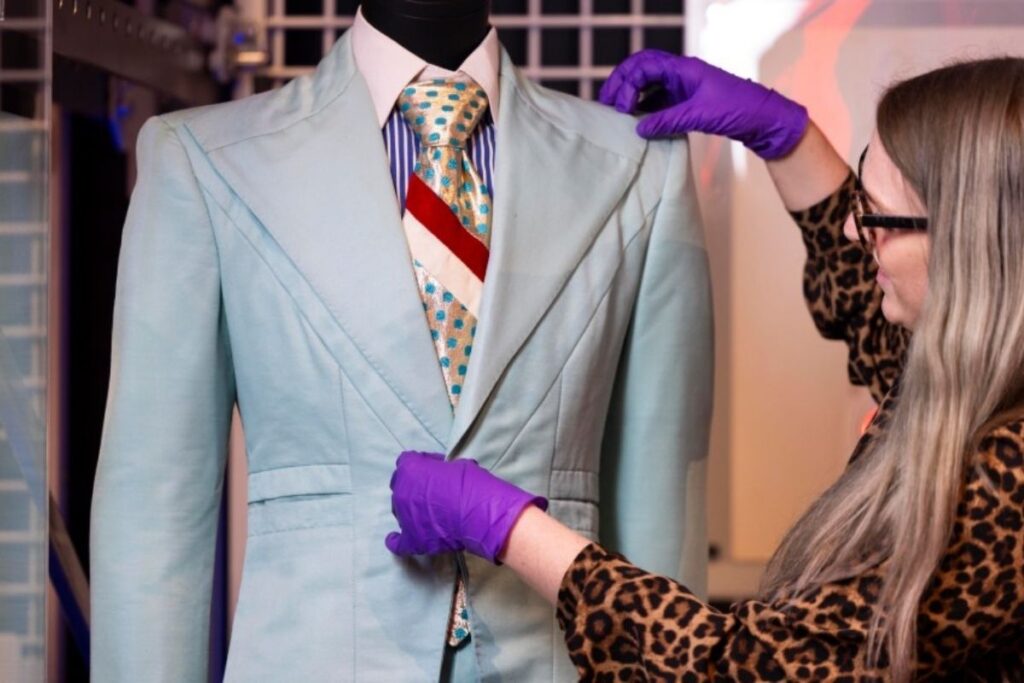
V&A East Storehouse. Photo: @vam_east

How does Gus Casely-Hayford’s philosophy shape V&A East?

Gus Casely-Hayford (GCH), appointed inaugural director in 2019, brings a curatorial vision grounded in universality and anti-hierarchy.


His approach emphasises:


  • A global perspective on creative practice: GCH argues that culture should be evaluated by its intrinsic quality, not by origin or traditional canon.

  • Deep community engagement: For V&A East, the museum is co-created with East London’s youth and local residents—meaningful only if visitors feel a sense of belonging.

  • Transparent collections: The archive at the Storehouse aims to demystify how museums work, making visible what has historically been hidden.

Under his leadership, V&A East becomes not just a place for display—but a platform for dialogue, creation and social relevance.

Why does V&A East matter for global creativity and architecture?

From the architecture of its Museum building to the debut exhibition, V&A East positions itself at the intersection of form, function and message. The O’Donnell + Tuomey design adopts a folded concrete façade inspired by the radiography of a Balenciaga dress and the Japanese concept of Ma, the productive void between forms.


Inside the Museum, the permanent galleries known as Why We Make will display over 500 objects drawn globally and explore themes of identity, wellbeing, justice, and environment.


The opening exhibition, The Music Is Black: A British Story, chronicles 125 years of Black British musical innovation, from early jazz and reggae to grime and UK garage, placing popular creative practice on equal footing with more traditional artefacts.


Through these strategies, V&A East offers a new model: one where architecture is not an inert container, collections are not static, and a museum can be a generative site of cultural agency.

V&A East
David Bowie Centre at V&A East Storehouse. Photo: @vam_east

V&A East emerges as more than a new museum, it proposes a blueprint for the future of cultural institutions. By marrying the expansive archive (Storehouse) with the active creation space (Museum), underpinned by an inclusive ethos from Gus Casely-Hayford, it leverages heritage, architecture and community into a potent global statement. As it opens its doors in 2026, V&A East invites visitors not just to look, but to see, create and belong.


For anyone intrigued by the evolution of museums, art, design and society, V&A East promises to be a milestone worth experiencing.

FAQs – Everything You Want to Know

Receive the latest news

Subscribe To Our Magazine

Luster Magazine

Digital Magazine

Ingresa los siguientes datos y comienza a disfrutar de nuestra revista digital.