Wellness

Mocktails Are the New Status Symbol in Gen Z Circles

Gone are the days when youth was synonymous with reckless nights and endless shots. Around 65% of Gen Z plans to drink less, prioritizing mental and physical well-being over social pressure

Por: Rubén Carrillo
Gen Z’s approach to sobriety is not moralistic—it’s mindful. The term “sober curious” perfectly captures this spirit. / Photo l'espicier
moralistic—it’s mindful. The term “sober curious” perfectly captures this spirit. / Photo l'espicier

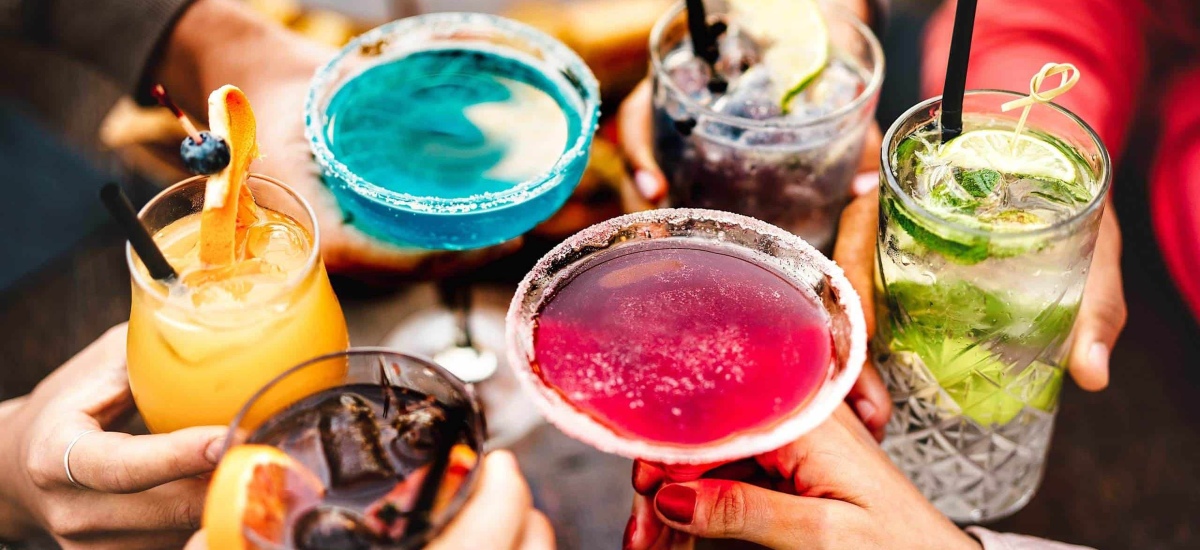
Today’s Gen Z is rewriting the rules of social drinking with a movement that celebrates balance, clarity, and authenticity. Instead of cocktails overflowing with liquor, mocktails—non-alcoholic, beautifully crafted drinks—are taking center stage.


This shift is not about rebellion; it’s about self-respect. According to research from NC Solutions, around 65% of Gen Z plans to drink less in 2025. 


Their reason? Prioritizing mental and physical well-being over social pressure.


Sober Curiosity and the Rise of Wellness Culture

Gen Z’s approach to sobriety is not moralistic—it’s mindful. The term “sober curious” perfectly captures this spirit. 


It’s about choosing not to drink, not because of obligation, but out of curiosity about how life might feel without alcohol’s haze.


Nearly 40% of Gen Zers are planning to live entirely sober lifestyles throughout 2025, surpassing every other generation, reveals the NC Solutions research.
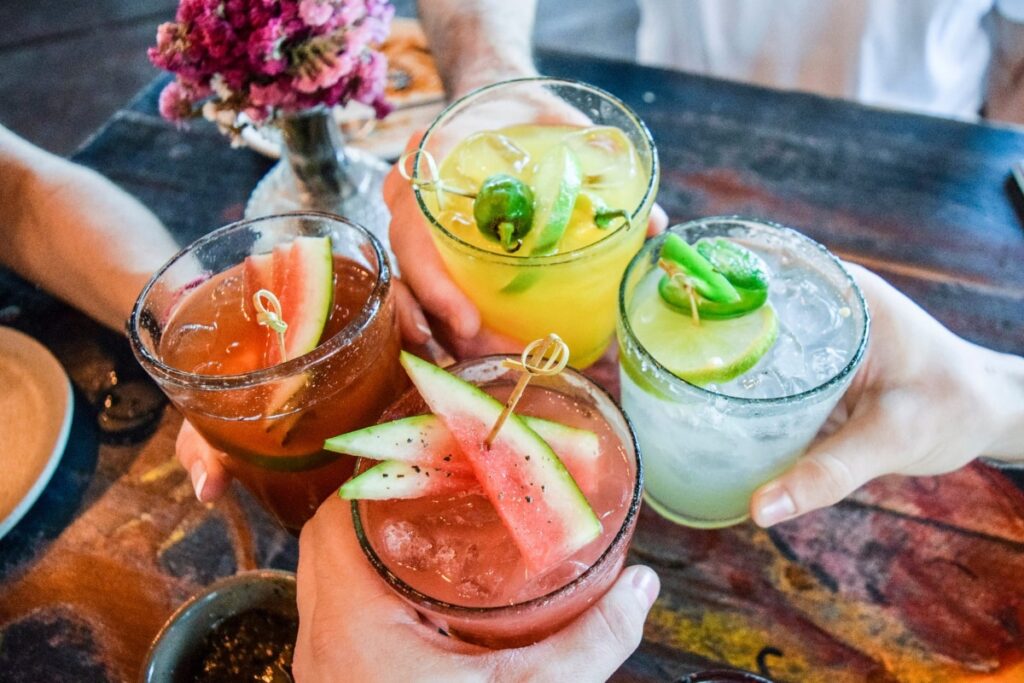
Today’s Gen Z is rewriting the rules of social drinking with a movement that celebrates balance, clarity, and authenticity. / Photo archive

Why They’re Saying No to Alcohol

Mental health has become the most cited reason for this cultural shift. More than half of Gen Z—around 58%—say they plan to drink less to protect their emotional balance.


This generation grew up during a digital age where mental wellness is openly discussed and normalized. 


They understand that alcohol can amplify anxiety, disrupt sleep, and worsen stress.


At the same time, physical health remains a top priority. Influenced by fitness trends and social media aesthetics, many young people view clean living as an act of empowerment.

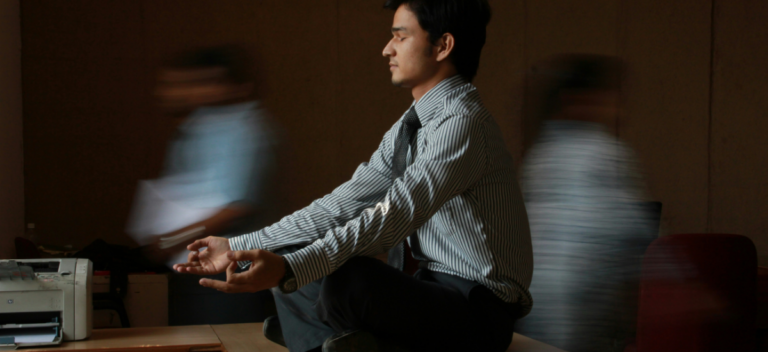
Mental health has become the most cited reason for this cultural shift. More than half of Gen Z—around 58%—say they plan to drink less to protect their emotional balance. / Photo Foodsmart Nutrition

Mocktails and the Art of Conscious Indulgence

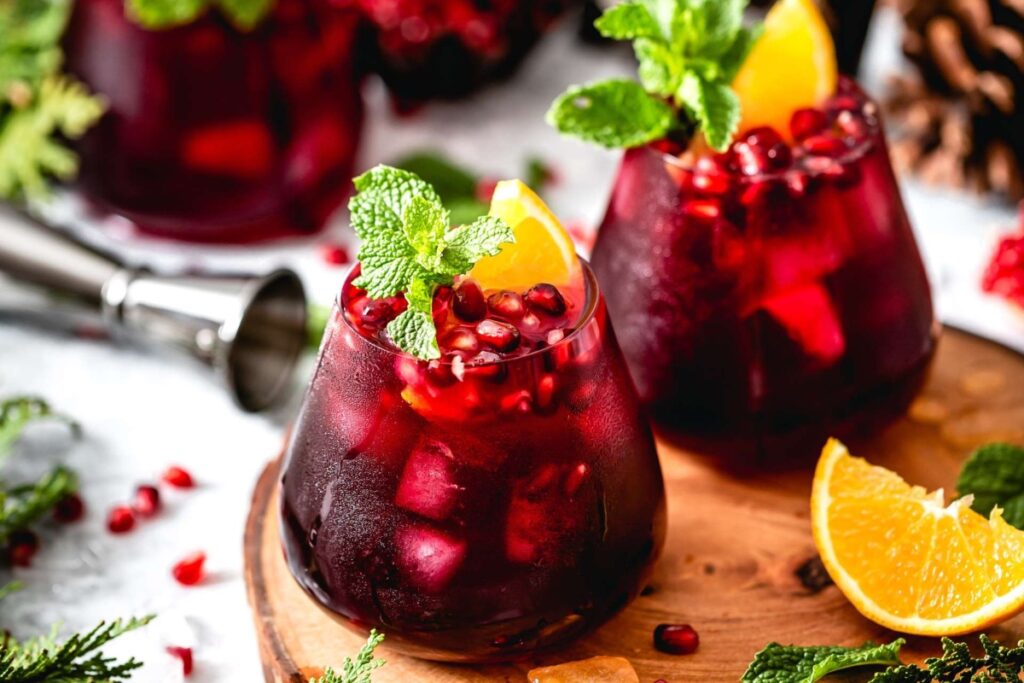
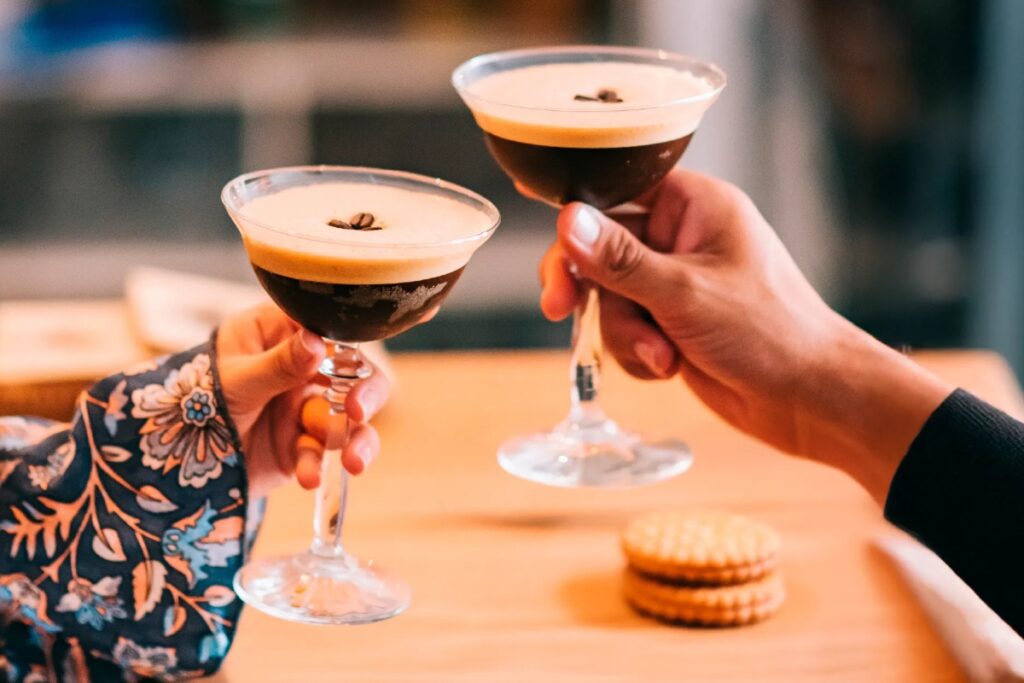
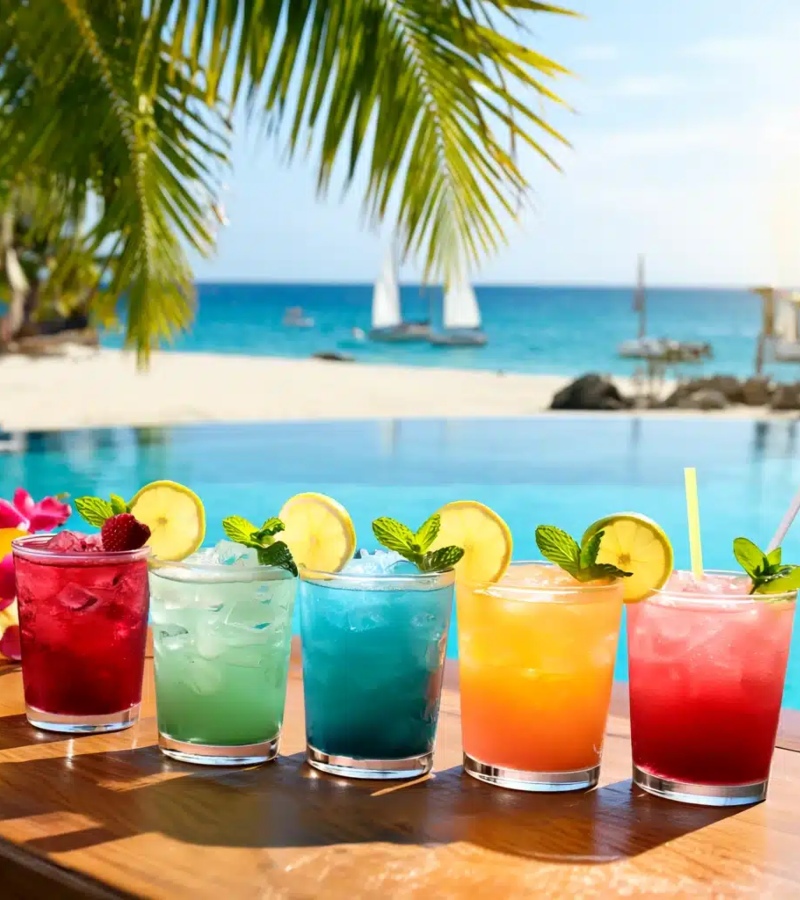
Enter the mocktails movement—vibrant, flavorful, and photogenic drinks that perfectly capture Gen Z’s aesthetic. 


Crafted with herbs, fresh fruit, and botanical infusions, mocktails represent indulgence without consequence. 


They’ve become the drink of choice at brunches, beach gatherings, and boutique events.


Even luxury bars are responding. Mixologists are developing menus devoted entirely to these alcohol-free creations, featuring everything from hibiscus spritzers to rosemary grapefruit coolers.

Enter the mocktails movement—vibrant, flavorful, and photogenic drinks that perfectly capture Gen Z’s aesthetic. / Photo archive

A Social Shift Beyond the Glass

What’s striking about this change is how it’s redefining social life itself. Instead of centering gatherings around alcohol, Gen Z embraces experiences that nurture the mind and body. 


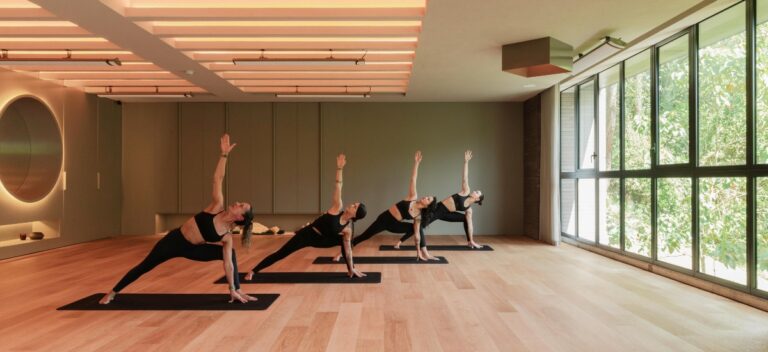
Yoga sessions, sunrise runs, and kombucha tastings have replaced the “after-hours” culture.


Wellness clubs, mocktail bars, and coffee parties are the new social hotspots. They embody connection without chaos, enjoyment without aftermath.


Wellness Is the New Luxury

For this generation, luxury isn’t defined by what they own but how they feel. Wellness has become a status symbol. 


In this context, mocktails aren’t simply beverages—they’re lifestyle markers. They signal a shift from external validation to inner peace, from excess to equilibrium.


Brands are taking note. Beverage companies like Molson Coors are investing in alcohol-free products to meet Gen Z’s growing demand. 


From artisanal fruit elixirs to sparkling adaptogenic tonics, the future of the drink industry is refreshingly sober.

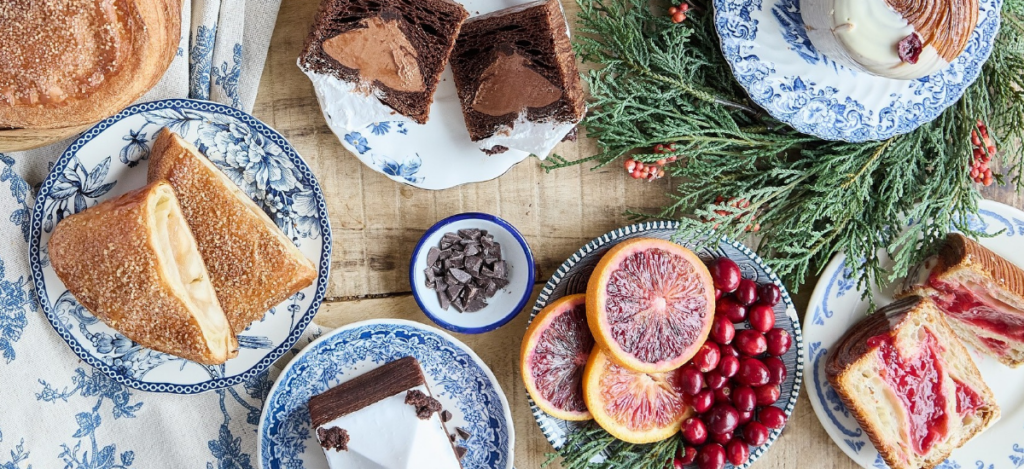
What’s striking about this change is how it’s redefining social life itself. Instead of centering gatherings around alcohol, Gen Z embraces experiences that nurture the mind and body. / Photo Vitonica

The Role of Social Media in the Sober Movement

Social platforms have amplified this movement. Gen Z’s hyper-visual environment rewards aesthetic wellness—morning matchas, crystal glasses of iced lavender tea, and, of course, stylized mocktails.


Being seen as “healthy” and “balanced” is now aspirational. Their feeds reflect a generation that celebrates well-being as the ultimate form of success.


But this isn’t just vanity. It’s a public affirmation that mental health, clarity, and authenticity matter more than the temporary buzz of alcohol.

Quick Questions & Answers

Receive the latest news

Subscribe To Our Magazine

Luster Magazine

Digital Magazine

Ingresa los siguientes datos y comienza a disfrutar de nuestra revista digital.