Art

From Mask to Manifesto: Thomas Bangalter’s Sonic Coup at Centre Pompidou

Explore Thomas Bangalter’s seminal DJ set at Centre Pompidou and the institutional turn of electronic performance as high art.

Por: Angela Leon Cervera
electronic performance institutionalization
Photos : © Centre Pompidou

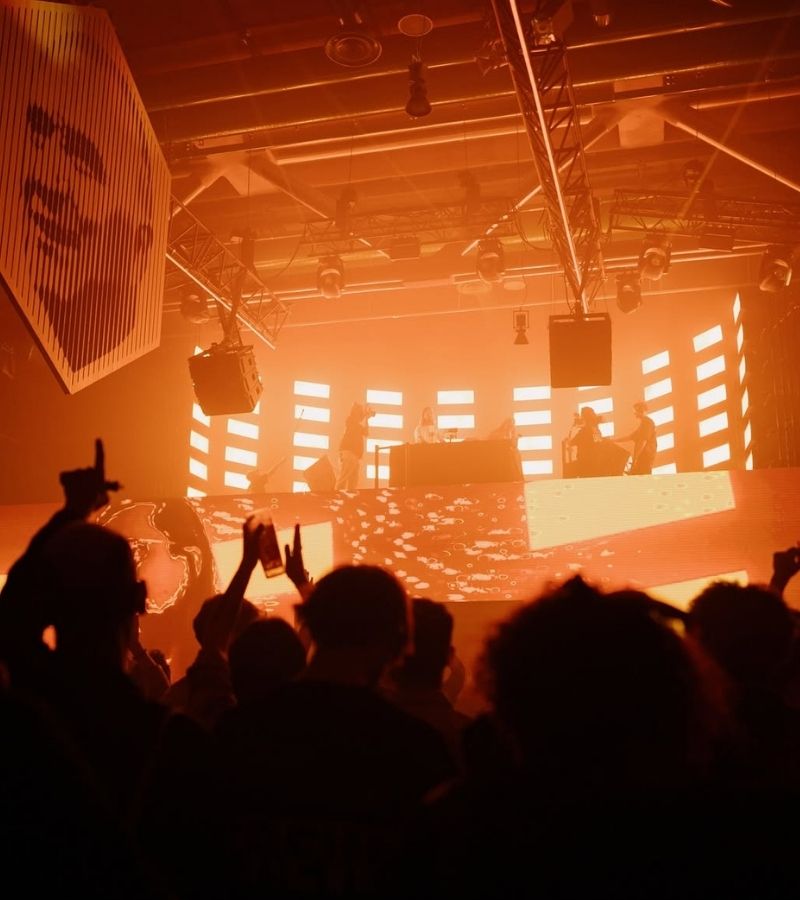
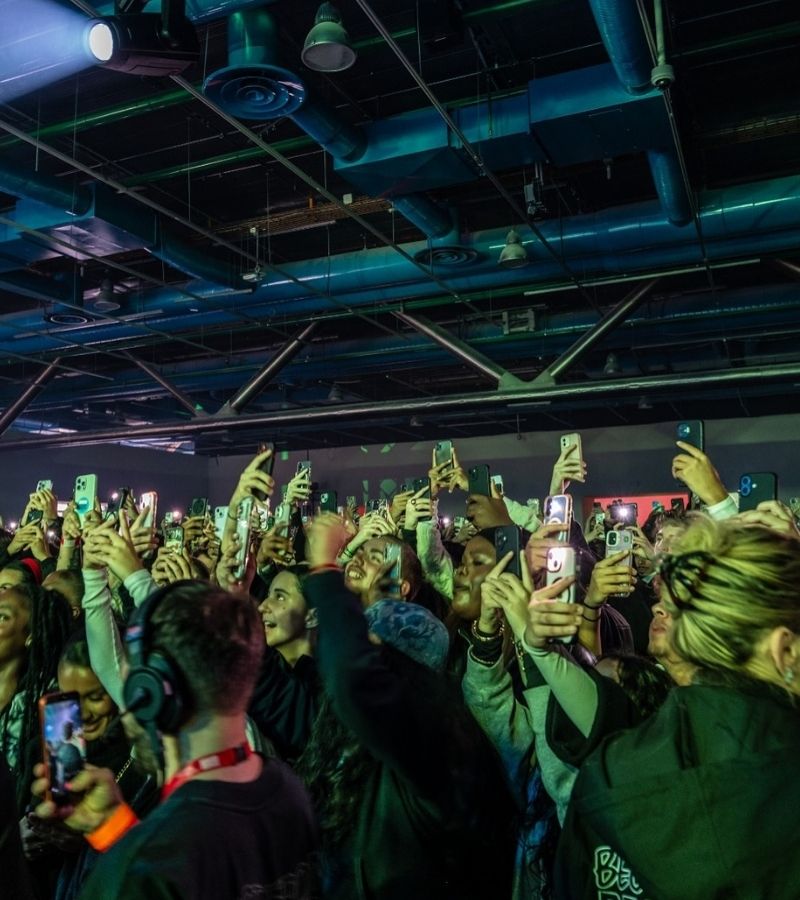
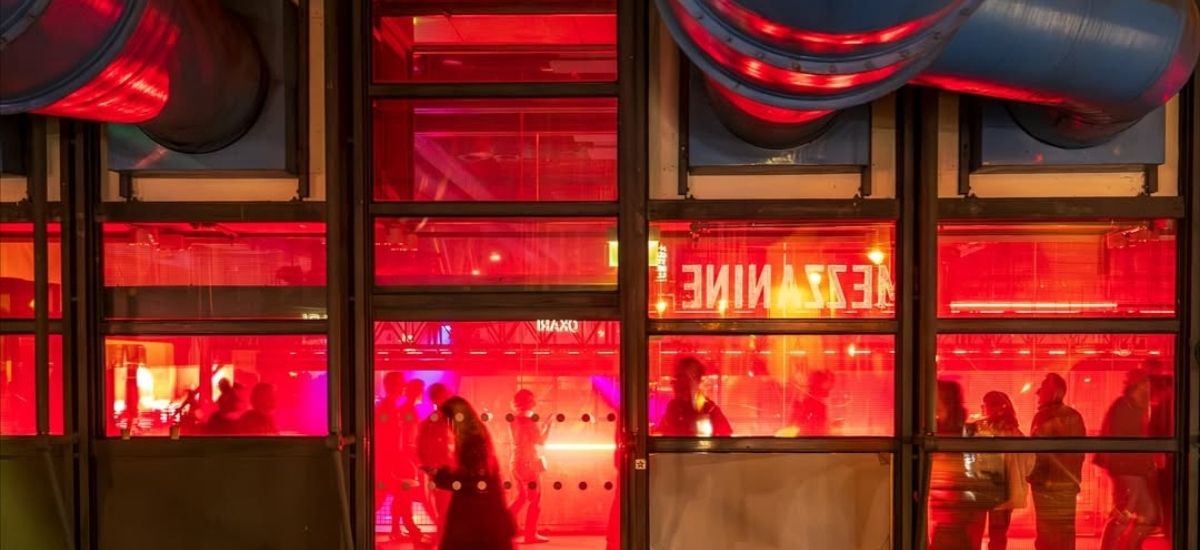
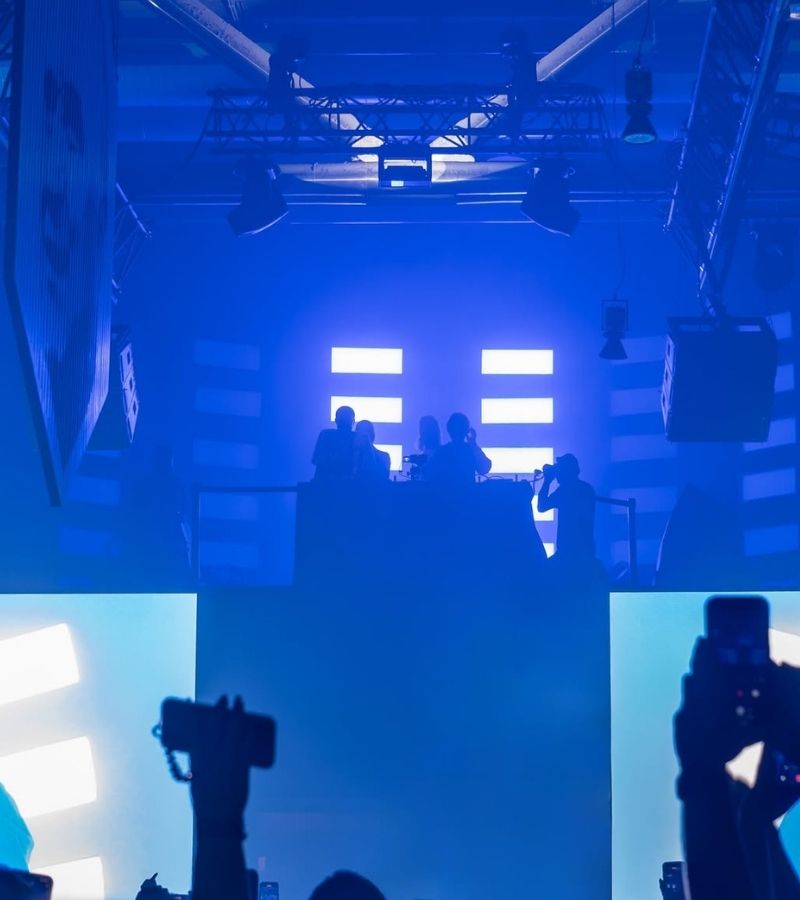
When Thomas Bangalter stepped behind the decks at the Centre Pompidou in October 2025, the moment crystallised the electronic performance institutionalization of dance music. The man widely known as half of Daft Punk transformed a club-night scenario into a museum-stage event, and a pop legacy into a high-culture gesture.


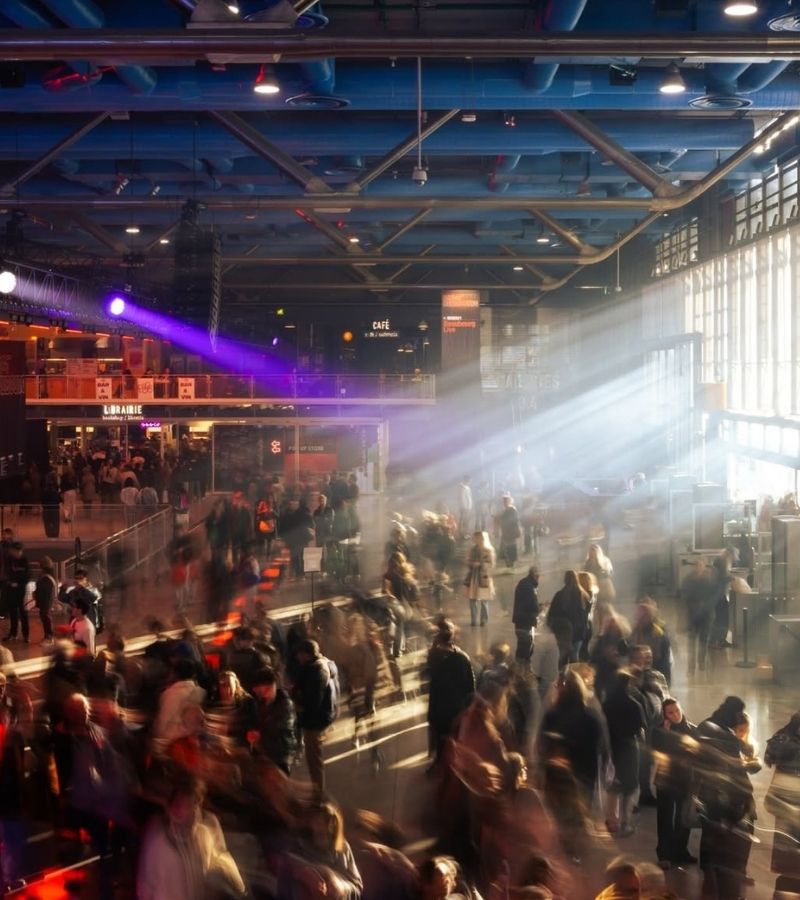
Set against the impending closure of the Pompidou for renovation, the event felt like a swan-song for an era: the French Touch meets the temple of modern art. In this blog we will trace how the moment speaks to the broader shift where club culture enters the institution, the DJ set becomes sound-art and museum walls accommodate beat and bass.
electronic performance institutionalization
Photos : © Centre Pompidou

Why does this moment matter for electronic performance institutionalization?

The performance took place during the 20th-anniversary celebration of Because Music at the Centre Pompidou (24-25 October 2025).


Here are the key factors:


  • Bangalter’s first public DJ set in 16 years.

  • The venue: a major museum for modern and contemporary art, known for its interdisciplinary engagement with music and sound research.

  • The format: a surprise “back-to-back” set with Fred Again.. (and others) blending club tracks, orchestral references and film-score fragments.
    Together, these dimensions mark a moment where a figure from popular electronic music re-enters an institutional space not as a concert act, but as a performance-installation. The club becomes the museum; the DJ becomes the curator-composer. That is the essence of electronic performance institutionalization.

electronic performance institutionalization
Photos : © Centre Pompidou
electronic performance institutionalization
Photos : © Centre Pompidou

How does Bangalter’s trajectory reflect this institutional shift?

Bangalter’s career post-Daft Punk frames the moment as much as the moment frames the institution.


  • Following the 2021 disbandment of Daft Punk, Bangalter moved into orchestral, film and dance composition.

  • At the Pompidou, he did not simply play his old hits: he layered them with orchestral and film elements (e.g., part of Jonny Greenwood’s score was played).

  • In doing so he reclaimed his pop legacy and reframed it as cultural capital within the museum context.
    Thus the event becomes both personal and systemic: it is an artist’s reinvention and an institution’s appropriation. Bangalter re-positions his robot era into a classifiable archive of electronic art; the museum uses his legacy to signal that club culture has matured into fine art.

What does this signify for the future of club culture and museums?

This event signals a broader transformation.


  • Music once described as ephemeral is now fixed, curated, exhibited. The museum space acknowledges that a DJ set can be an installation, a happening, a chapter of art history.

  • For museums: opening their walls to beats and crowds functions as relevance-strategy, bringing younger audiences and questioning the art/pop divide. The Pompidou is set to close for renovation (2025-2030) and such spectacles help assert its cultural clout.

  • For club culture: the boundaries blur. A club night in a museum, DJs in museum time slots, electronic performance as sound art. The hierarchies between culture and commerce, between museum and dancefloor, are unsettled.
    In short, institutionalization does not mean assimilation but transformation: the club becomes museum, the museum becomes club, the DJ becomes performer-author.

electronic performance institutionalization
Photos : © Centre Pompidou

The moment when Thomas Bangalter took the decks at the Centre Pompidou is a vivid marker of how electronic performance institutionalization has shifted from margin to centre. It is not merely that the museum programmed a DJ set. It is that the lineage of a pop-electronic icon has been reframed within the architectural shell of modern art, and the beat has walked into the gallery. The party becomes manifesto. For scholars, artists and club-kids alike, this is a moment worth tracking—one where the legacy of dance music meets the gravitas of fine-art arenas. Explore further, listen differently, and watch how the walls of the institution continue to shake to the bass.

FAQ – Quick Answers You Might Ask

Receive the latest news

Subscribe To Our Magazine

Luster Magazine

Digital Magazine

Ingresa los siguientes datos y comienza a disfrutar de nuestra revista digital.