Art

Gulf as Global Art Axis: Soft Power & Critical Voices

Explore how Gulf states use art as soft power, building a global cultural axis while fostering local critical scenes amid ethical paradoxes.

Por: Angela Leon Cervera
Gulf contemporary art
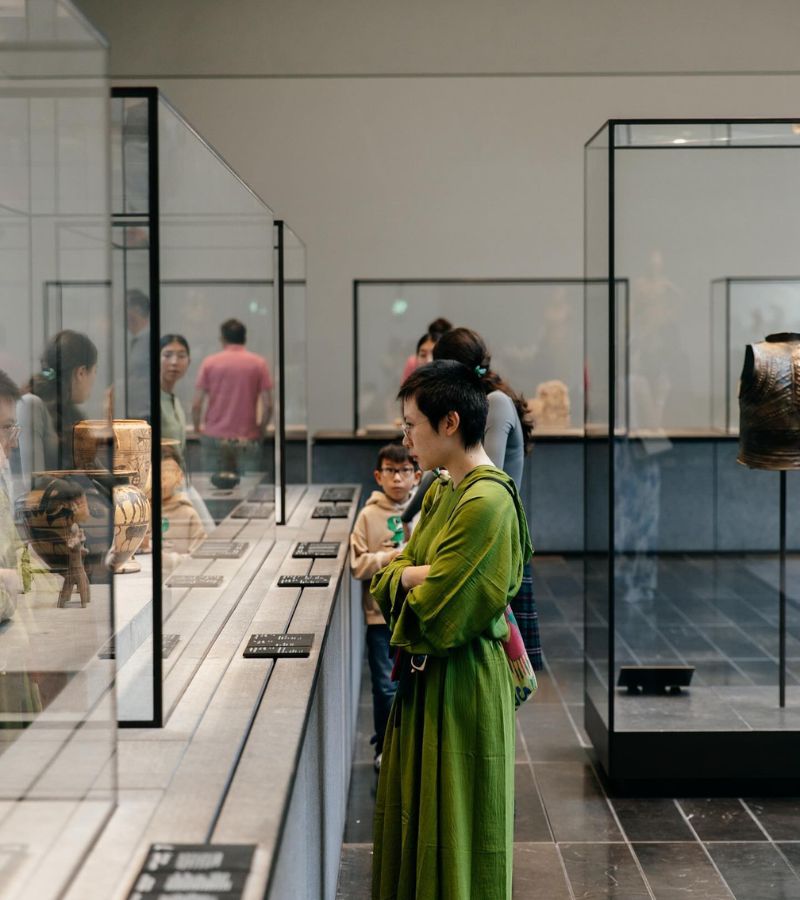
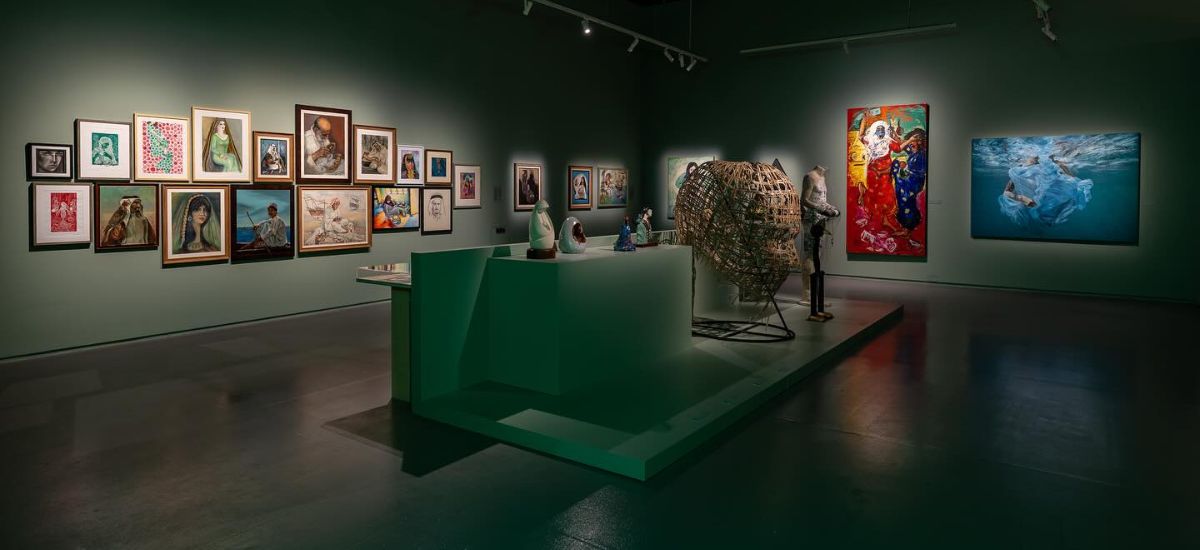
Mathaf. Photo: @ mathafmodern

From shimmering deserts to gleaming museum domes, the Gulf contemporary art scene has emerged as one of the most potent forces reshaping cultural geopolitics in the 21st century. What once seemed a peripheral dream has become a deliberate strategy: art as diplomacy, prestige, and national reinvention.


This transformation is not accidental or purely aesthetic. It springs from a necessity: the need to reframe identity in a post-oil era, to attract global attention beyond hydrocarbon economies, and to compete in the symbolic marketplace. The Gulf is staking a claim not only in financial capital but in cultural capital.
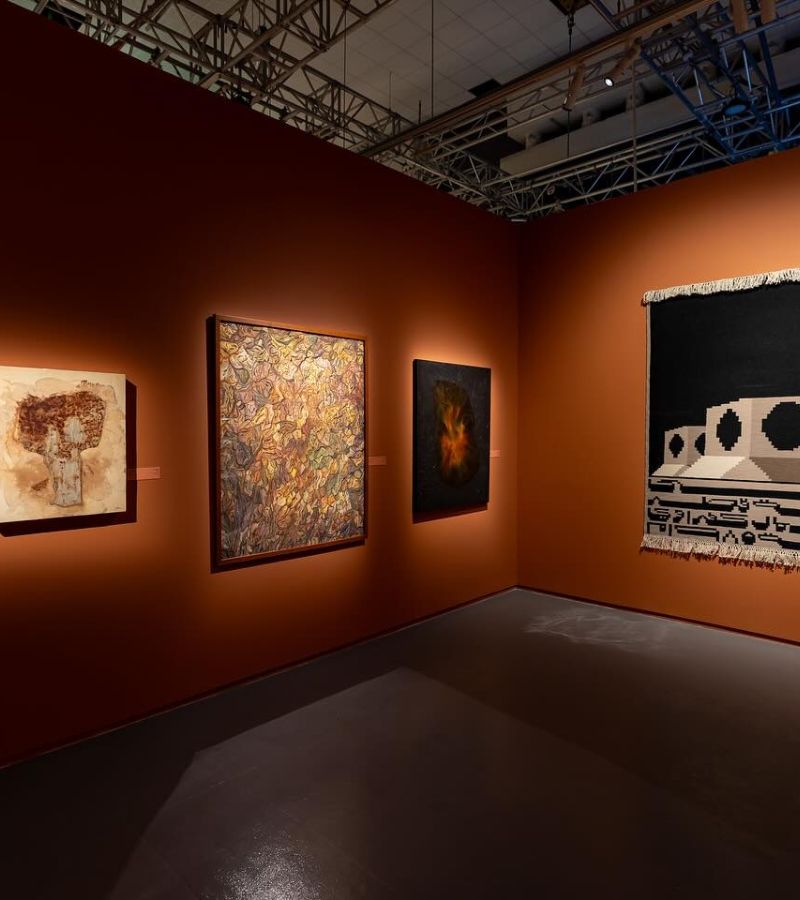
Gulf contemporary art
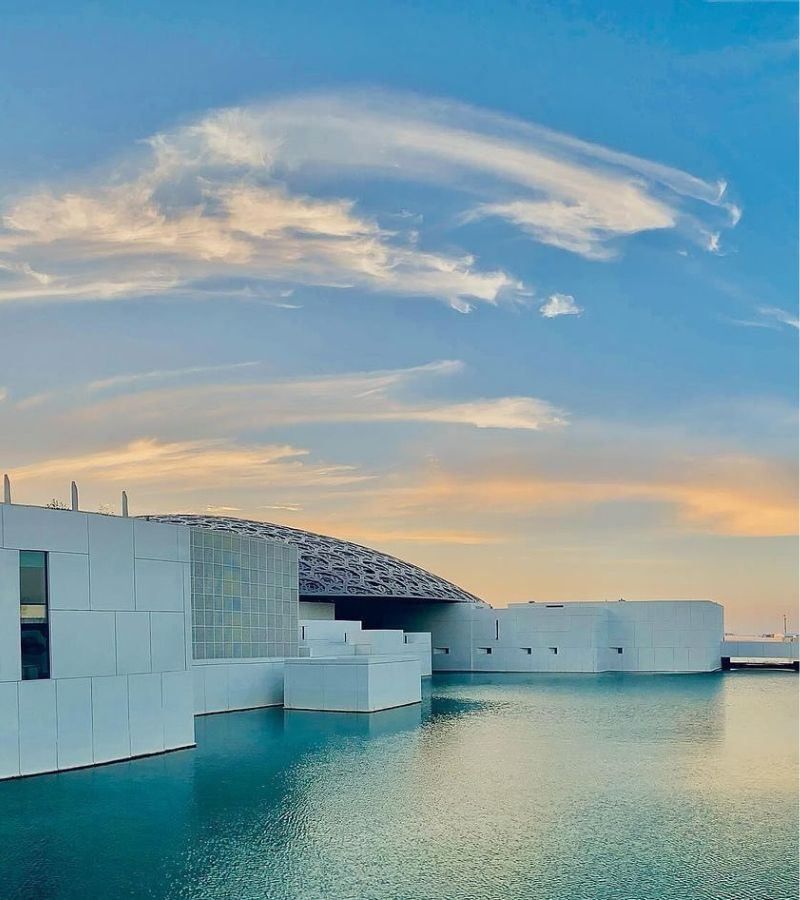
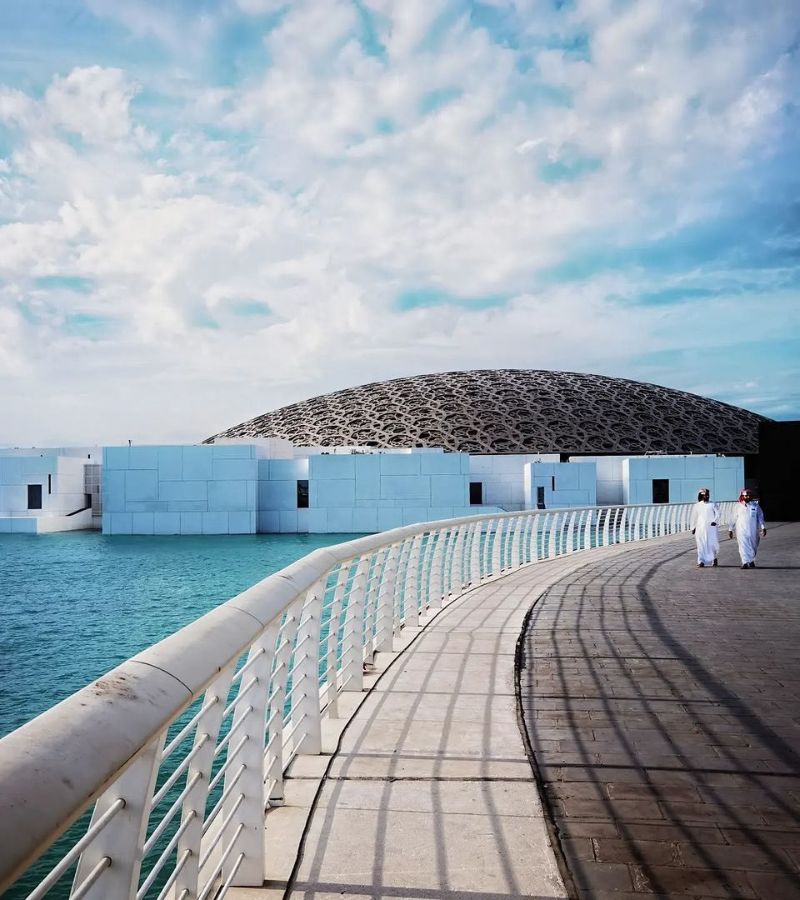
Louvre Abu Dhabi. Photo: @louvreabudhabi

How does Gulf statecraft turn art into soft power?

The art boom in the Gulf is deeply strategic. It is not simply patronage of aesthetics, but a careful deployment of soft power in three overlapping modes:


Capital Prestige & Brand Reinvention

  • Gulf states have made headline acquisitions of “blue-chip” works to send a signal of legitimacy and taste. This kind of move accelerates prestige in symbolic terms.

  • The construction of marquee institutions (e.g. Louvre Abu Dhabi, forthcoming Guggenheim Abu Dhabi) positions these cities as global cultural destinations.

  • The entrance of marquee fairs like Art Basel in Doha (2026) and Frieze acquiring Abu Dhabi Art (relaunching in 2026) reflects how Gulf capitals now vie for global art circuits.

Long-term Cultural Building

  • Museums like Mathaf: Arab Museum of Modern Art in Doha build more than display space: they curate a metropolitan identity rooted in modern and contemporary Arab art.

  • Education and institutional links are central: Gulf patrons have tied themselves to foreign universities, programs, and exchange systems to cultivate a creative class.

  • This is also regional competition: each capital tries to outdo the others through scale, ambition, and curatorial authority.

Diplomacy through Cultural Narratives

  • Gulf states seek to rewrite the global narrative about themselves: from oil-states to knowledge hubs, from precarity to confidence.

  • The competitions between Doha, Abu Dhabi, and Riyadh reflect a geocultural rivalry embedded in soft power logic.

  • Art becomes a mediating axis: exhibitions, biennials, and international loans help weave diplomatic bridges and foster visibility.

Thus, Gulf cultural statecraft is not decorative. It is intentional, multiscalar, and rhetorically powerful.

Mathaf. Photo: @ mathafmodern
Gulf contemporary art
Louvre Abu Dhabi. Photo: @louvreabudhabi

Which hubs anchor this Gulf art axis, and how do they differ?

Though the Gulf shares a broad logic of cultural investment, each city carves a distinctive path:


Abu Dhabi & Dubai (UAE): Institutional Anchors & Market Magnetism

  • Abu Dhabi anchors itself via the Saadiyat Cultural District, hosting Louvre Abu Dhabi and planning Guggenheim Abu Dhabi.

  • Dubai complements this with a freer commercial environment: dynamic galleries, design fairs, and a cosmopolitan audience.

  • The shift of Frieze into Abu Dhabi (replacing Abu Dhabi Art) indicates institutional consolidation and ambition.

Doha (Qatar): Curatorial Depth & Arab Modernism

  • Mathaf holds more than 9,000 works and is central to Doha’s claim as a cultural anchor for the Arab world.

  • Qatar Museums under Sheikha Al-Mayassa has long been centralised, coordinating acquisitions, exhibitions, loans and partnerships.

  • The incoming Art Basel Doha (2026) is meant not only to draw capital but to affirm Doha as a curatorial and market node.

Riyadh & Al-Ula (Saudi Arabia): Accelerated Cultural Leap

  • Under Vision 2030, Saudi Arabia has allocated enormous funds (e.g. ~$21.6 billion) to cultural projects.

  • Projects like Diriyah (a heritage-meets-modern cultural zone) and Desert X Al-Ula signal a strategy of history plus avant-garde.

  • The gallery network is growing; ATHR Gallery, which operates in Riyadh, Jeddah, AlUla, is a rising player shaping Saudi contemporary narratives. 

These hubs illustrate both cooperation and contest, and the diversity of roles Gulf capitals play in the global art map.

Can local critical voices survive within this framework?

Behind the gleaming façades, an emergent wave of Gulf-rooted artists, activists, and curators push boundaries and provoke the very structures that support them.


Identity, Memory, and Resistance

  • Many artists from the Middle East and North Africa use their work to explore identity, displacement, gender, colonial legacies and political tension.

  • Manal Al Dowayan, from Saudi Arabia, is renowned for works on women’s identity, memory, and public space. Her “I Am Here” challenges the invisibility mechanisms of her society.

  • Hassan Sharif (1951–2016), often called father of conceptual art in the UAE, combined assemblage, process art and critique of consumption, laying groundwork for critical voices.

  • Al-Dowayan has been exhibited in major institutions including Guggenheim, Mathaf, LACMA, the British Museum and more.

Tension, Sponsorship, and Autonomy

  • The dependence on state funding poses risks: critique may be tolerated only within certain boundaries. The co-optation of dissent is a real paradox.

  • Ethical controversies emerge: mega-projects have been criticized for using low-wage labor and limited transparency in curatorial decision.

  • The Gulf art market is still relatively nascent and often opaque. Private-sector involvement is less robust than in Western contexts, limiting independent infrastructure.

In short, local critical voices are not only possible, they are essential, but they must navigate a terrain shaped by political ambition, institutional control and the optics of legitimacy.

Gulf contemporary art
Louvre Abu Dhabi. Photo: @louvreabudhabi

In the span of just two decades, Gulf contemporary art has evolved from peripheral ambition into a central node of global cultural gravity. The region’s strategic use of soft power, through acquisitions, institutions, fairs, and intellectual investment, has shifted the art world’s center eastward.


Yet this success is deeply paradoxical. The real test now lies not in building more megamuseums, but in reconciling ambition with integrity, in ensuring that the thriving art ecosystem can support genuine critique and local voices. The strength of Gulf art will be measured not in the size of its endowments, but in the freedom with which its creators can question, dissent, and imagine alternative futures.

FAQ: Navigating the Gulf Art Revolution

Receive the latest news

Subscribe To Our Magazine

Luster Magazine

Digital Magazine

Ingresa los siguientes datos y comienza a disfrutar de nuestra revista digital.