Wellness

The Mindful Luxury is the new trend in Wellness Travel

A new trend is redefining how travelers seek rest, rejuvenation, and real connection with themselves and nature.

Por: Alejandro Carrillo
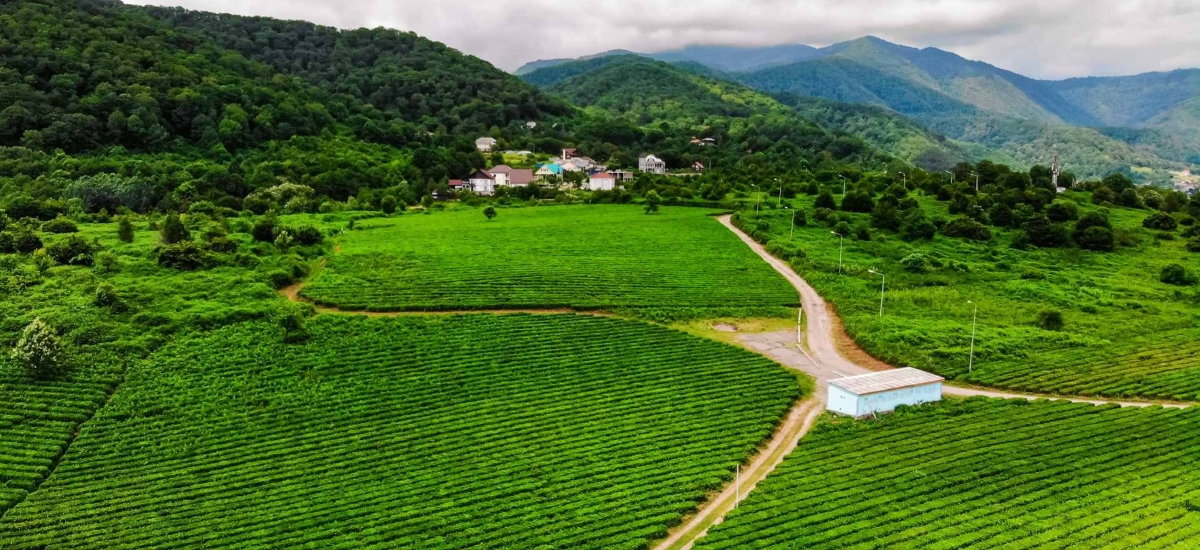
From the gentle rolling fields of Southern Europe to farm estates in the United States, this trend is growing for its ability to deliver travel with purpose / Photo via Utopiaa

Rather than soaking in generic spa experiences, guests now long for green pastures, organic food, mindful activities, and hotels embedded in nature. 


From the gentle rolling fields of Southern Europe to farm estates in the United States, this trend is growing for its ability to deliver travel with purpose.

Why Agritourism Resonates Now

In a world full of hustle, screens, and routines, people are craving something more grounded. Agritourism – or farm estate stays –  taps into that longing: it offers slower rhythms, connection to land, food grown onsite, and a way to reset. Studies show that staying close to nature lowers stress, improves mood, and enhances wellbeing.

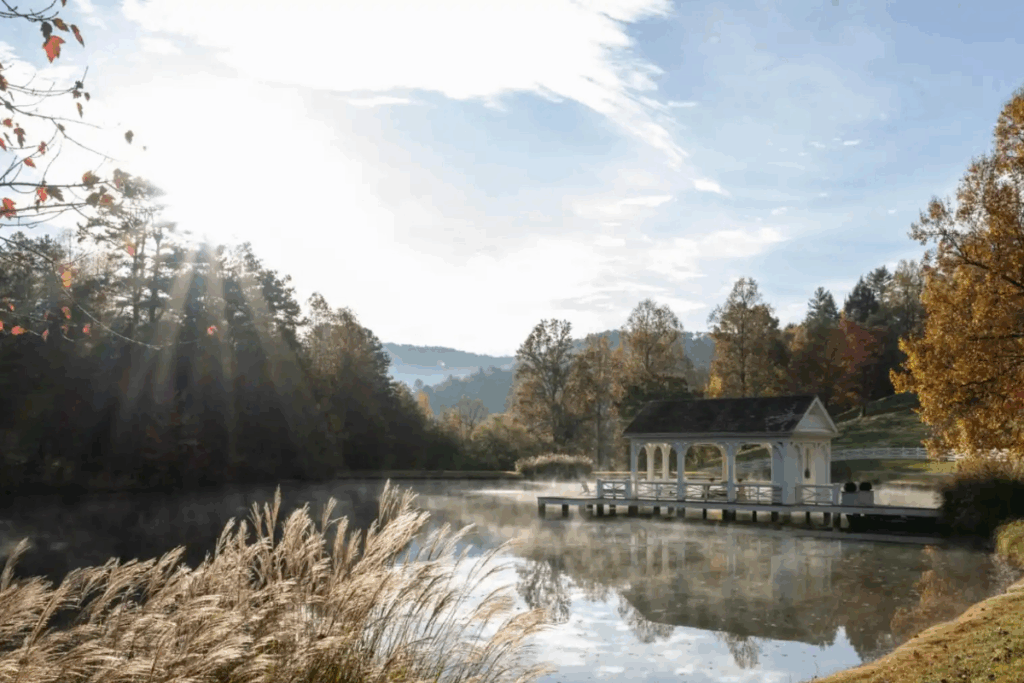
Blackberry Farm, Tennessee, combines luxury accommodations with hands-on farm experiences, wellness programs, and seasonal cuisine / Photo Blackberry Farm website

Wellness travel has evolved: it’s less about pampering and more about meaningful experiences. According to recent reports, a large portion of travelers now prioritize sustainable accommodations, food transparency, and immersive, local environment experiences. Agritourism fulfills all that.

What Makes Agritourism Different From Classic Spa Getaways

  • Authentic connection to place: Guests interact with farm life—gathering eggs, walking among orchards or vineyards, feeding animals, or seeing how food grows.

  • Local gastronomy & health: Farm-to-table cuisine becomes central. Fresh produce, herbs, and even wild foods are harvested onsite. Meals feel personal, seasonal, and nourishing.

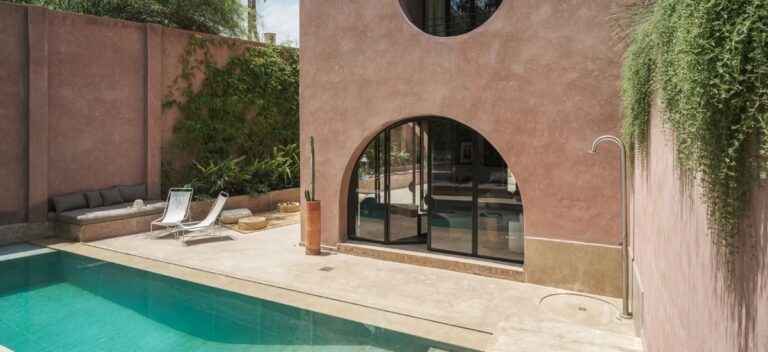
  • Design and wellness combined: Many agritourism stays offer luxe design elements—beautiful architecture, well-crafted interiors, elegant gardens—without sacrificing comfort. Spas, yoga, forest walks, and sound baths become features, not afterthoughts.

  • Sustainability & purpose: Many properties commit to regenerative farming, biodiversity, soil health, and environmental stewardship. Guests aren’t just spectators—they participate in a slow-travel philosophy.

Examples of Leading Agritourism Retreats

When you look across the global scene, several farm hotels stand out as exemplars of the agritourism trend:

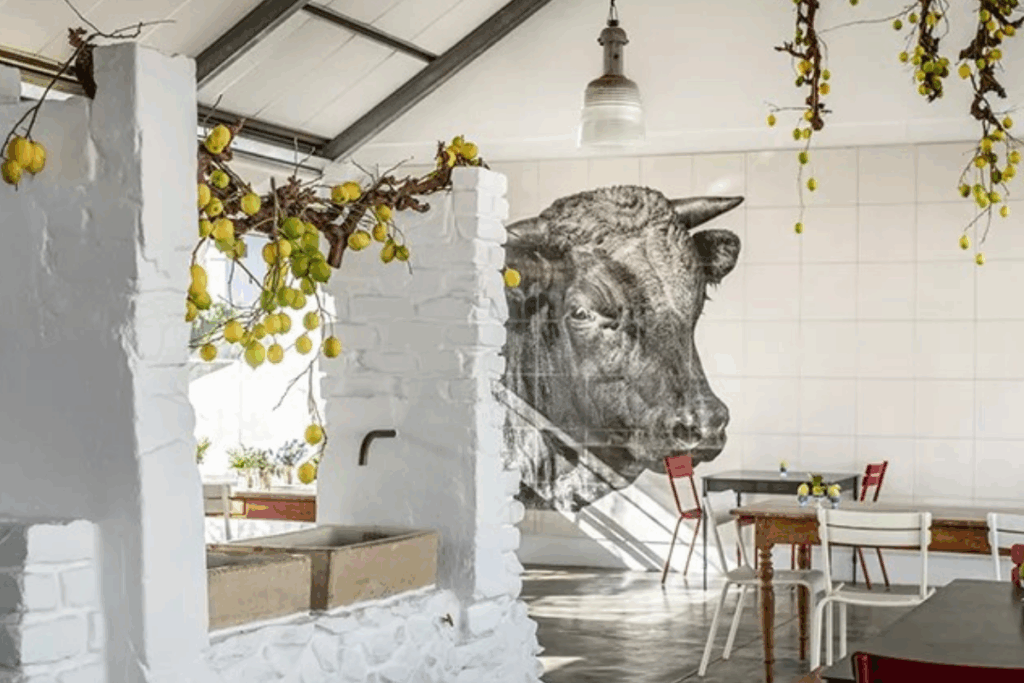
  • Babylonstoren, South Africa: A large estate blending vineyards, gardens, wine, and refined lodging—guests stroll through orchards, enjoy meals drawn from the land, and feel deeply rooted in nature.

  • Blackberry Farm, Tennessee, U.S.: This property combines luxury accommodations with hands-on farm experiences, wellness programs, and seasonal cuisine. It’s upscale, but intimate and deeply connected.

  • Wildflower Farms, Auberge Resorts Collection, Hudson Valley, U.S.: A newer entry in the field, it offers cabins with meadow views, spa treatments overlooking gardens, farm-to-fork food, and a full immersion in pastoral beauty without losing elegance.

  • Herdade da Malhadinha Nova, Portugal: Wine hotel vibes, olive groves, stables, and a luxury restaurant make it an ideal place for distanced connection with nature.

  • Estates in Southern Europe (Italy, Spain etc.): Heritage hotels renovated from farmhouses, with gardens, olive terraces, and minimalist design—authentic but polished.

These properties show how agritourism is not one single style, but many shapes of travel that combine meaning, design, comfort, and nature.

Agritourism’s Role in Travel & Wellness for 2026

Looking ahead to 2026, agritourism looks set to be one of the top travel & wellness trends. Heritage farm stays, regenerative practices, food ethics, and wellness tied to place are shaping travel itineraries.


Hotels and retreats are investing in green building, carbon footprint reduction, biodynamic agriculture, and local community engagement. Travelers want to feel they are part of something, not just passing through.

Babylonstoren is a large estate blending vineyards, gardens, wine, and refined lodging / Photo Babylonstoren website

Europe is seeing this particularly strongly: historic farm estates are being reimagined to meet the demand for travel with authenticity, creativity, and slow luxury.

Key Information

RELATED POSTS

Receive the latest news

Subscribe To Our Magazine

Luster Magazine

Digital Magazine

Ingresa los siguientes datos y comienza a disfrutar de nuestra revista digital.