Culture

The Intimate Vision of Diane Keaton: Architecture, Memory, Identity

Explore Diane Keaton’s visual legacy beyond Hollywood, from photography and collage to home design rooted in authenticity and emotion.

Por: Angela Leon Cervera
Diane Keaton’s visual legacy
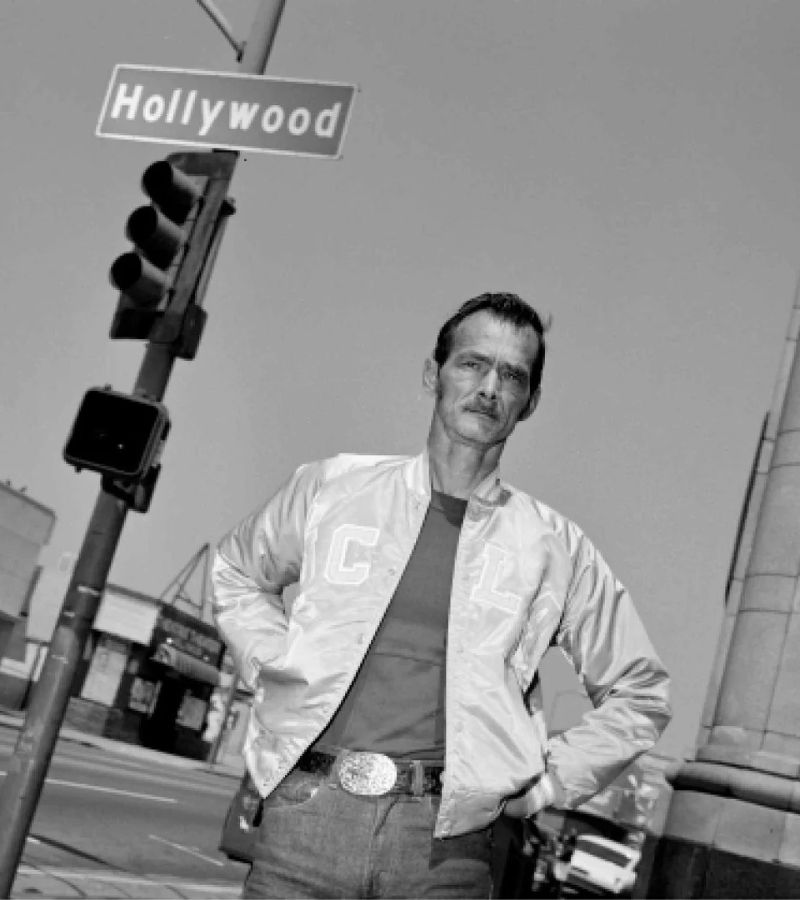
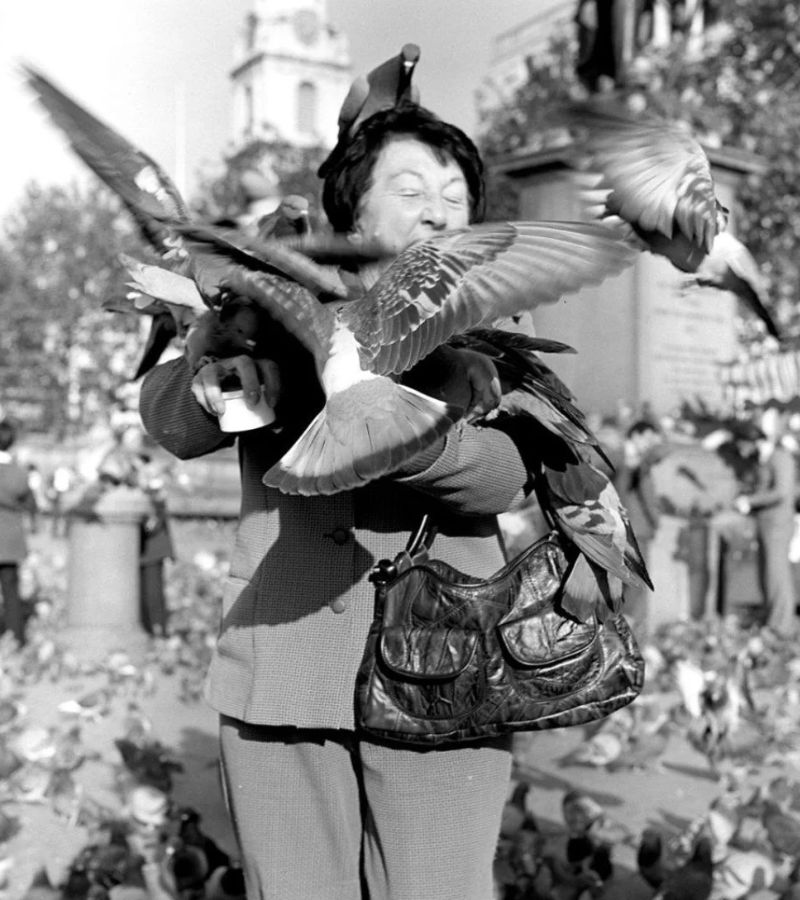
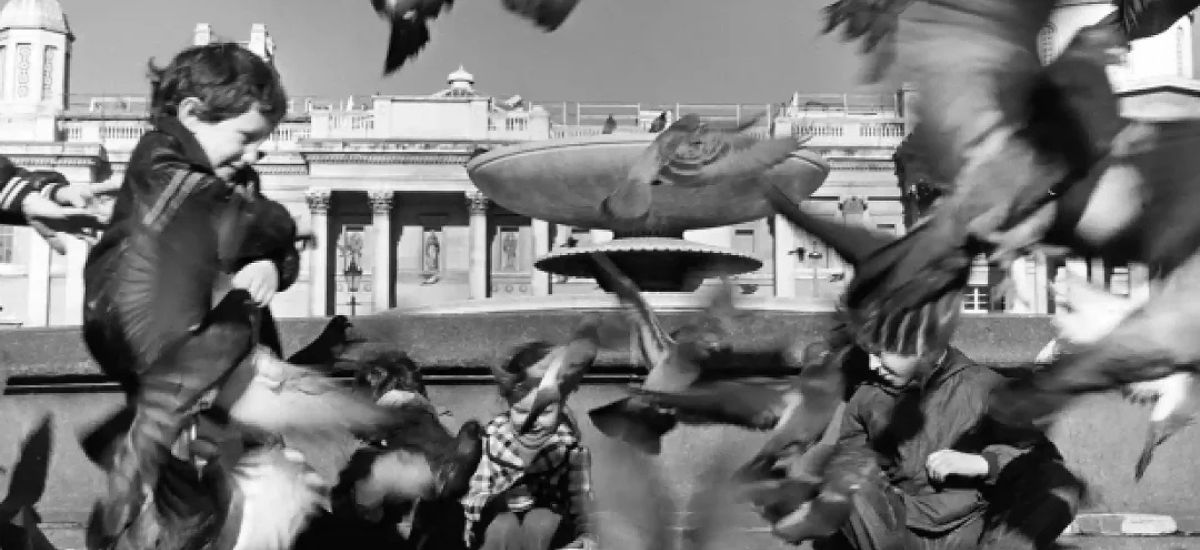
Diane Keaton’s visual legacy. Photo: @womenphotographershistory

When news broke of Diane Keaton’s passing at age 79, tributes poured in celebrating her brilliance on screen in Annie Hall, The Godfather, and many other milestones. Yet to reduce her legacy to cinema alone would be to overlook a deeper truth. Beyond her luminous acting career, Keaton built an enduring body of work as a photographer, designer, and archivist of visual culture.


She described her lifelong passion for collecting images as an “addiction,” an impulse to preserve fragments of life and memory. This article explores Diane Keaton’s visual legacy as a coherent aesthetic philosophy. Her photographs, books, and architectural projects form an intimate architecture of looking, grounded in vulnerability and authenticity.
Diane Keaton’s visual legacy
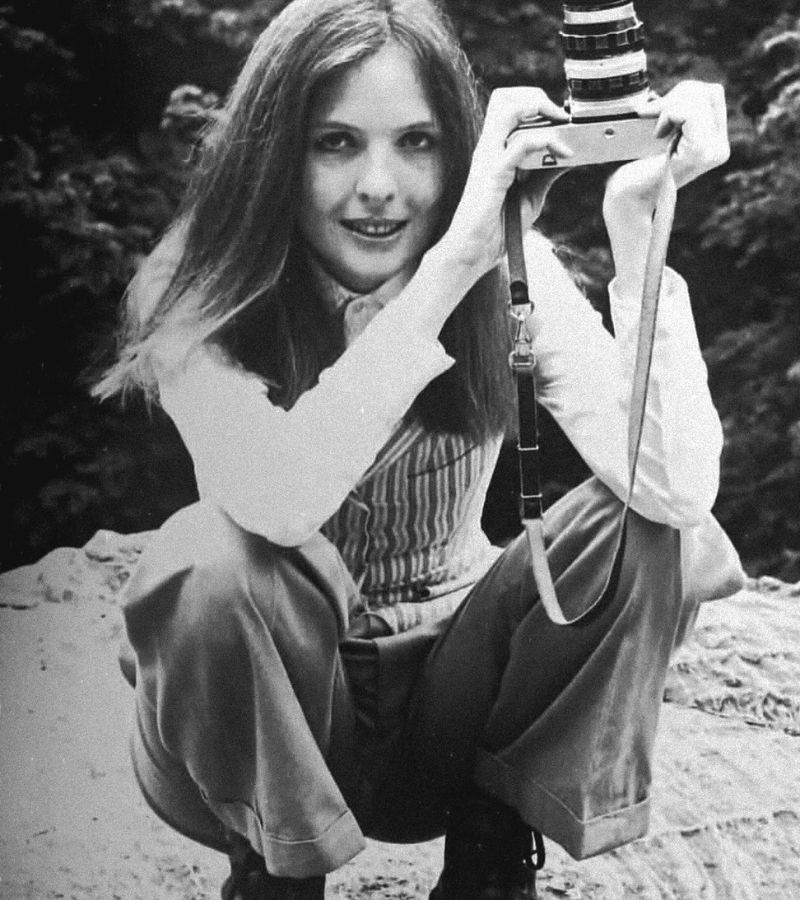
Diane Keaton’s visual legacy. Photo: @womenphotographershistory

How Did Keaton Cultivate Her Personal Aesthetic Through Photography?

Reservations: The quiet interiors

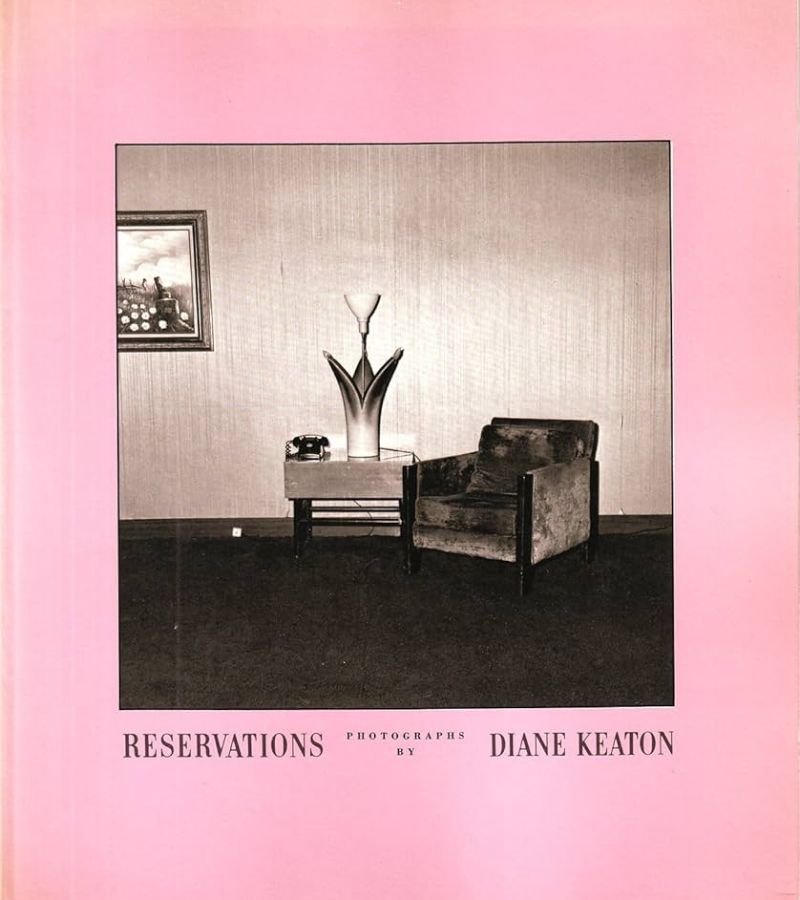
Keaton’s first photographic statement appeared in Reservations (1980), a book documenting her travels through American hotels during the 1970s. The forty black-and-white images captured vacant lobbies, corridors, and corners that radiate absence rather than human spectacle. Each composition, taken with a Rolleiflex camera, focused on texture and stillness.


Her lens found meaning in the overlooked: the shine of worn velvet, the curve of a lamp cord against a pale wall. The absence of people became a quiet form of presence. Reservations was later exhibited at The Photographers’ Gallery in London in 1981, marking her formal recognition as a visual artist.


Collage, memory, and Saved

Four decades later, Keaton returned to visual storytelling with Saved: My Picture World (2022). This Rizzoli publication combined personal photographs, vintage film stills, vernacular images, and collages by her late brother Randy. The result is part autobiography, part cultural archaeology.


In interviews, Keaton admitted: “I do nothing but collect. It’s a little bit of an addiction.” Through collage she constructed what she called “the visual life I never said.” Her archives are not hoarding but a method, a tactile dialogue with time, memory, and loss.

Diane Keaton’s visual legacy
Diane Keaton’s Reservations. Photo: @womenphotographershistory
Diane Keaton’s visual legacy
Diane Keaton’s visual legacy. Photo: @womenphotographershistory

How Did Keaton’s Love of Architecture Become a Narrative of Design?

From restoration to reverence

Long before her design books, Keaton was active in architectural preservation. She supported campaigns to save Frank Lloyd Wright’s Ennis House and the historic Ambassador Hotel in Los Angeles. Her interest in architecture was practical and poetic at once, seeing buildings as living stories rather than static monuments.


She bought and restored several homes across California, from Spanish Colonial Revival to industrial modern. The guiding principle was integrity over fashion. One project, the Samuel-Novarro House in Los Feliz, showcased her meticulous respect for original materials while adapting the space for contemporary living.


The trilogy of design books

Keaton authored three major design volumes that trace her evolution from preservationist to cultural commentator:


  • California Romantica (2007), a love letter to Spanish Colonial and Mission-style architecture.

  • House (2011), an exploration of reimagined interiors and adaptive reuse.

  • The House That Pinterest Built (2017), her most personal book, chronicling the creation of her Sullivan Canyon home.

In the last title, she celebrated the paradox of digital inspiration and analog imperfection. Her house, built from seventy-five thousand reclaimed bricks, reflected her belief that beauty lies in irregularity. “I love imperfection,” she told Architectural Digest, emphasizing the tactile over the pristine.

What Is the Legacy of an Intimate Gaze Across Media?

Aesthetic coherence across disciplines

Whether through costume, photography, or architecture, Keaton’s work shares the same philosophy. Her Annie Hall wardrobe, oversized vests, men’s ties, vintage hats, was not a fashion whim but a visual assertion of individuality. In the same way, her photographs of empty interiors and collages of found imagery elevate the unseen and the imperfect.


Keaton’s spaces and images reject the polished illusion of modern media. Instead, they invite emotional honesty and quiet reflection. Her art transforms simplicity into substance and restraint into revelation.


Influence and institutional recognition

Although Keaton rarely aligned herself with the contemporary art establishment, her impact reached far beyond film. Reservations remains a reference point in discussions of American vernacular photography. Saved and The House That Pinterest Built have become collector’s items and critical favorites. Her exhibitions in London and her collaborations with publishers such as Rizzoli and Alfred A. Knopf confirm her position as a serious visual author.


Her enduring influence lies in her consistency. She proved that a creative life could bridge cinema, design, and architecture without losing sincerity. Diane Keaton’s visual legacy stands as proof that integrity itself can be an art form.

Diane Keaton’s visual legacy
Diane Keaton’s visual legacy. Photo: @womenphotographershistory

Diane Keaton’s passing leaves behind more than film memories. It unveils a visual universe built on empathy, humor, and detail. From her quiet photographs of hotel rooms to her collages of forgotten images and her warm brick houses filled with light, she created a vocabulary of intimacy.


Her gaze was both archivist and dreamer, insisting that truth lives in imperfection. Keaton’s artistic journey reminds us to value what feels real: the patina of a wall, the story behind a picture, the atmosphere of a room that holds a life. In every medium she touched, she taught us not only how to look but how to see.

FAQ: Looking Through Keaton’s Lens

Receive the latest news

Subscribe To Our Magazine

Luster Magazine

Digital Magazine

Ingresa los siguientes datos y comienza a disfrutar de nuestra revista digital.